Lakes That Stock Tiger Muskie in Washington
Washington tiger muskie stocking locations, growth habits, and biological control purposes for anglers seeking trophy fish.
Know what’s on the line.
Gamefish and panfish profiles — identification, behavior, feeding habits, and species-specific strategies for every catch.

Washington tiger muskie stocking locations, growth habits, and biological control purposes for anglers seeking trophy fish.

Washington tiger muskie grow to average adult lengths of 30 to 45 inches, with record trophy fish reaching the 40-pound range.
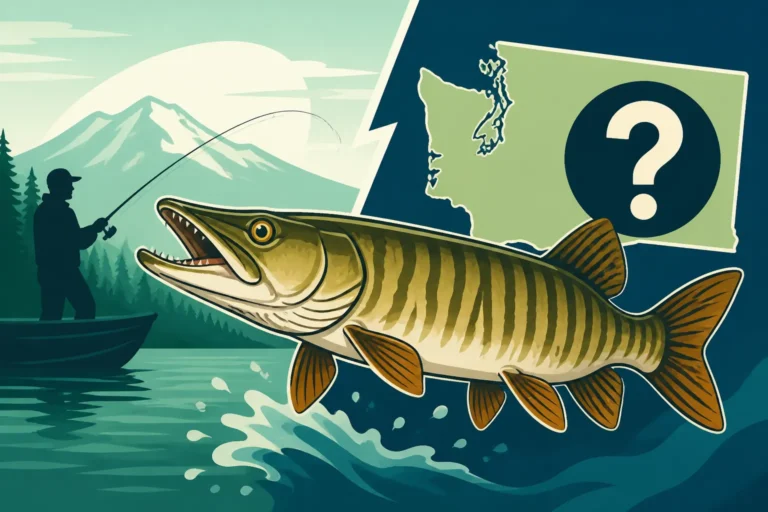
Washington tiger muskies are sterile hybrid predators stocked by the Department of Fish and Wildlife to control fish populations.

Washington kokanee salmon size ranges from ten to fourteen inches, while trophy fish depend on lake ecosystems and zooplankton.

Kokanee and sockeye salmon share identical genetics, but kokanee remain landlocked in freshwater lakes instead of migrating to the ocean.
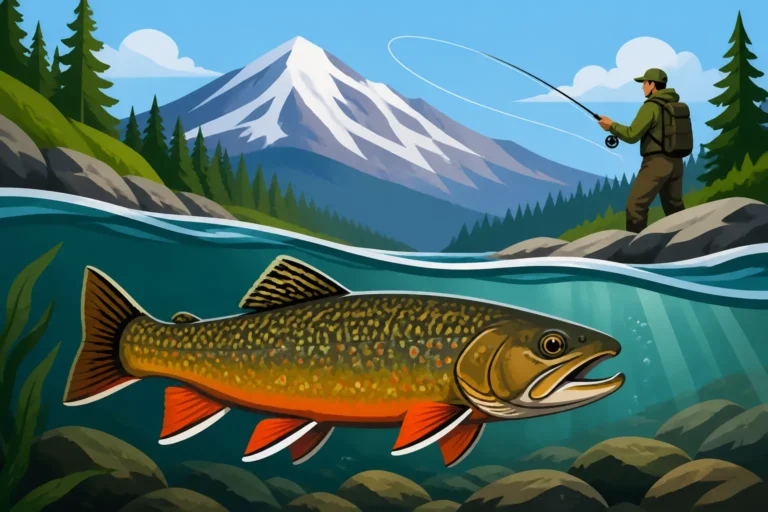
Washington brook trout thrive in cold alpine waters across the North Cascades and Olympic Mountains between 3,000 and 6,000 feet in elevation.

Brook trout ancestry and historical stocking by agencies in the late nineteenth and early twentieth centuries explain their presence in Washington waters.

Washington brown trout populations thrive mainly in eastern waterways, offering anglers challenging catches in cold, clear lakes and rivers.

Brown trout origins in Washington State, explaining their European introduction in the nineteenth century and where they live today.
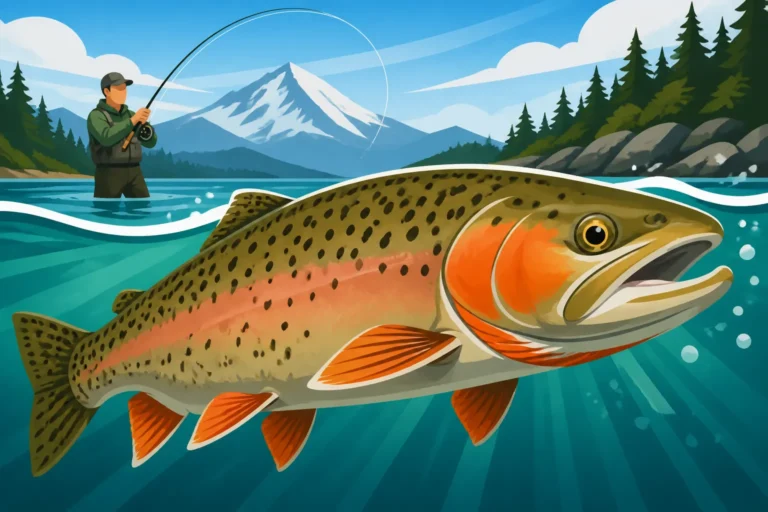
Washington sea-run cutthroat trout typically measure twelve to eighteen inches long, growing through marine migrations between freshwater and saltwater.