What a Sea-Run Cutthroat Looks Like
Washington sea-run cutthroat trout identification features include a jaw slash, silvery sides, dark spots, and a square tail.
Know what’s on the line.
Gamefish and panfish profiles — identification, behavior, feeding habits, and species-specific strategies for every catch.
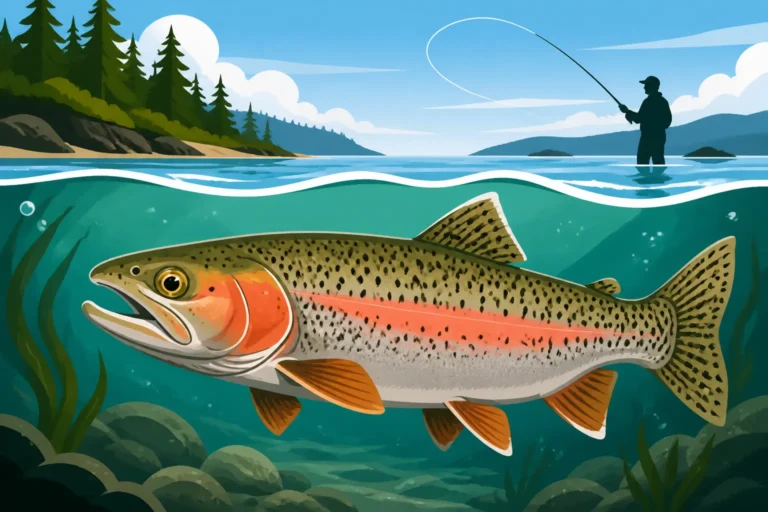
Washington sea-run cutthroat trout identification features include a jaw slash, silvery sides, dark spots, and a square tail.
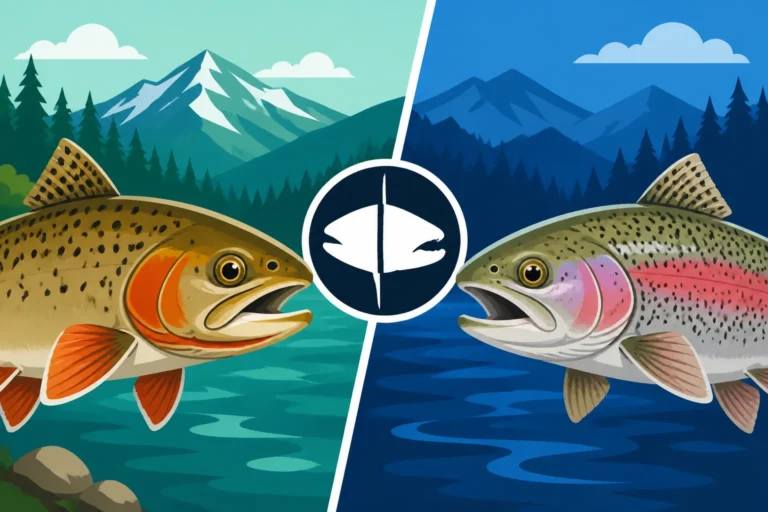
Washington anglers identify cutthroat and rainbow trout by comparing jaw slashes, body colors, and dense tail spots.
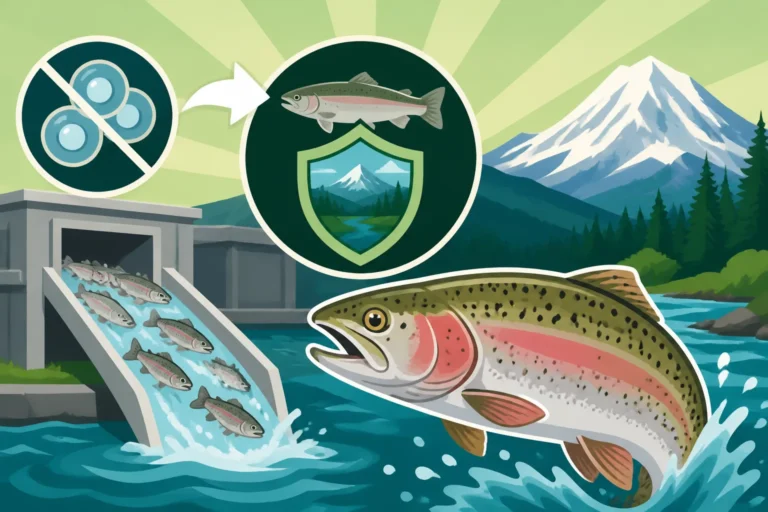
Washington hatcheries stock sterile triploid trout with three chromosome sets to provide anglers trophy fish without harming wild populations.

Triploid rainbow trout biology, hatchery production methods, and growth potential in Washington state recreational fisheries.

Washington rainbow trout growth rates depend on wild origins, hatchery programs, food availability, and environmental factors.

Redband trout and rainbow trout differences, including scientific definitions and identification in Washington rivers and lakes.

Washington anglers learn physical differences between steelhead and resident rainbow trout to follow regulations and fish ethically.

Steelhead survival rates after spawning differ from Pacific salmon because steelhead can reproduce multiple times in freshwater rivers.
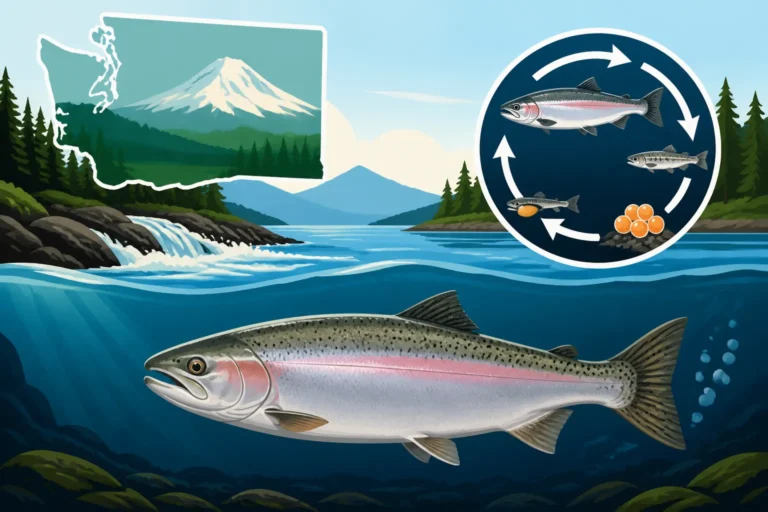
Steelhead trout spend one to four years in the Pacific Ocean before returning to Washington rivers to spawn multiple times.

Washington State record steelhead history details a thirty-two pound fish caught in the Snohomish River during the year 1974.