Blackmouth Salmon in Puget Sound, Explained
There's a special kind of magic, and sometimes a whole lot of head-scratching, that comes with targeting salmon in Puget Sound. One term you'll hear thrown around a lot is "blackmouth," and it can be a bit confusing, especially for new anglers or those visiting from out of state. This guide is here to demystify what blackmouth salmon actually are, why they're so prized, and how you can go about finding and catching these elusive residents in our Washington waters.
What Exactly Is a Blackmouth Salmon?
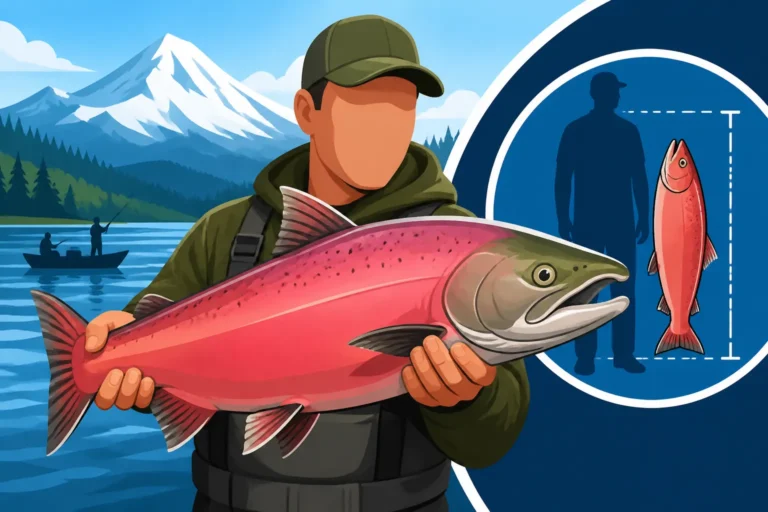
Let's clear the air right away: a blackmouth salmon isn't a unique species of salmon that only lives in Washington. If you've ever heard seasoned anglers talk about them, it might sound like they're discussing some rare, mythical creature! In reality, "blackmouth" is simply the local term we use for an immature, resident Chinook salmon that has chosen to stay and feed within the protected waters of Puget Sound rather than venturing out into the vast Pacific Ocean. These are the same species as the migrating "King" salmon, but their life history and behavior are quite different while they call our local waters home.
These younger Chinook typically range from a few pounds up to the low teens, though larger ones are certainly caught. They're characterized by that distinctive black mouth lining, which is where they get their nickname. Unlike their ocean-going brethren who will eventually migrate far offshore before returning as large, spawning adults, blackmouth spend their juvenile and sub-adult years patrolling the depths of Puget Sound, gorging themselves on baitfish and growing robust. This makes them a year-round target, though specific seasons and areas will dictate when and where you can pursue them. You can dive deeper into the general characteristics of these magnificent fish in our article, Chinook Salmon: Washington's King of Fish.
The allure of blackmouth fishing comes from their challenging nature. They are often found in deeper water, sometimes schooled up, and can be notoriously finicky. It's not uncommon to spend hours on the water, meticulously presenting your gear, for just a few bites. But when that rod finally buckles over, and you feel the powerful head shakes of a blackmouth, all that effort becomes incredibly worthwhile. Identifying them correctly is also important for regulations, so it's worth checking out How to Identify a Blackmouth Chinook.
Where to Find Blackmouth in Puget Sound
Targeting blackmouth effectively means understanding their preferred habitats within Puget Sound. These aren't just random wanderers; they're opportunistic feeders that stick close to reliable food sources and structure. Unlike transient salmon that are just passing through, blackmouth often associate with specific depths and underwater features for extended periods.
Key Habitat Zones for Blackmouth
Blackmouth love structure, especially underwater humps, ledges, and drop-offs where baitfish tend to congregate. They’ll often hold on the edges of these structures, ready to ambush schools of herring, candlefish, or other forage fish. Think of them as resident predators, always on the hunt. Deeper waters are often key, especially as you move into the heart of winter, though they will push shallower during certain bait migrations or tidal conditions. Some of the most productive areas are those with good current, which concentrates bait and makes it easier for the salmon to feed.
Specific marine areas within Puget Sound are renowned for their blackmouth fisheries. Marine Area 9 (Admiralty Inlet) and Marine Area 10 (Seattle/Bremerton Area) are classic examples, but other spots throughout the Sound, including areas around the San Juan Islands, can also hold excellent numbers. Places like Point No Point, Possession Bar, and even many of the ledges and reefs along Whidbey Island are known blackmouth magnets. It’s always smart to consult current regulations, as rules can change frequently for specific marine areas, especially regarding retention of unmarked (wild) Chinook. You can find more general information about various fishing spots in our comprehensive guide, Washington's Puget Sound Fishing Spots for Salmon and Bottomfish.
Understanding Water Conditions and Baitfish Presence
The presence of baitfish is perhaps the single most crucial factor in locating blackmouth. If you find the bait, you're likely to find the salmon. Many anglers use their fish finders not just to mark salmon, but primarily to locate dense schools of bait. Sometimes, you'll see birds actively feeding on the surface, which can also be a dead giveaway for baitfish below. Look for those tell-tale arches on your sonar, especially near structure or in areas with good tidal flow. Depth Washington Chinook Hold at in Summer gives you an idea of their general preferences, which can extend into other seasons too.
Water conditions play a role as well. Blackmouth often prefer water that isn't too warm or too cold. During the winter months, when the surface waters cool, these fish might remain in slightly warmer, deeper water. Conversely, during summer, they may move deeper to escape warmer surface temperatures. Overcast days and low light conditions can also improve your chances, as blackmouth, like many salmon, tend to be more active feeders when the light is subdued.
Tackling Blackmouth: Essential Gear and Techniques
Catching blackmouth is an art form, really, blending precision, patience, and the right tools for the job. You're often dealing with finicky fish in deeper water, so your gear and how you present it truly make a difference. Don't worry, it's not about having the most expensive stuff, but rather having the right stuff and knowing how to use it. Many reliable options for tackle and electronics can be found on online marketplaces like Amazon, allowing you to get well-equipped without breaking the bank.
Rods, Reels, and Line
For blackmouth, you'll want a rod with enough backbone to handle a strong fighting fish but enough sensitivity to detect subtle bites. A medium-heavy action rod, typically 9 to 10 feet long, is a good all-around choice, especially if you're trolling with downriggers or mooching. This length helps absorb the shock of a strike and keeps the line tight. Paired with a sturdy conventional reel or a high-quality level-wind reel, spooled with 30-50 pound braided line, you'll be well-prepared. Braid offers incredible sensitivity and minimal stretch, which is crucial for detecting those soft takes in deep water. Always remember to add a fluorocarbon leader of 15-25 pounds at the business end; its invisibility underwater can be a game-changer.
Essential Terminal Tackle and Lures
This is where the real fun begins! Blackmouth are often found feeding on small baitfish, so your lures should mimic these natural food sources. Here’s a breakdown of common choices:
- Flashers and Dodgers: These are crucial for attracting fish. They create flash and vibration that mimic a school of baitfish. Flashers like a Pro-Troll or Hot Spot, or dodgers like a Luhr Jensen Dodger, are commonly used ahead of your lure or bait.
- Hootchies (Squid Skirts): Often fished behind a flasher, these come in a dizzying array of colors. Green, chartreuse, white, and various glow patterns are popular. Tip them with a small piece of herring for added scent and appeal.
- Spoons: Metal spoons, like Coho Killers or Silver Horde spoons, are highly effective. Their wobbling action imitates an injured baitfish. Again, glow colors and natural baitfish patterns are excellent.
- Plugs: Trolling plugs, such as those from Tomic or Rapala, can be deadly for blackmouth. They have a distinct swimming action that can trigger aggressive strikes.
- Bait: Fresh or brined herring is king. It can be trolled whole or cut into strips and fished behind a flasher. Anchovies are also effective. Ensuring your bait is properly rigged for a natural spin is key. If you're looking for high-quality bait rigging supplies, Amazon often has specialized kits and tools.
Trolling and Mooching Techniques
The two primary methods for catching blackmouth in Puget Sound are trolling and mooching.
- Trolling: This involves pulling your gear through the water, typically with the aid of downriggers to get your lures to specific depths. Downriggers allow you to precisely control the depth of your presentation, which is vital when fish are holding deep or in a narrow band of water. Once a fish bites, the line releases from the downrigger clip, and you fight the fish directly on your rod and reel. This is often the most efficient way to cover water and locate schools. Check out Trolling for Salmon in Washington's Puget Sound for an in-depth look. For successful trolling, having a quality depth sounder on your boat is paramount, and many excellent models can be sourced from retailers like Amazon.
- Mooching: This is a more subtle, often more active technique that involves slowly drifting with bait, allowing it to sink and rise in the water column. You're often using a herring rigged with a weight, letting it flutter naturally. Mooching is fantastic when you've located a school of blackmouth and want to present a natural bait. It can be done anchored or while drifting with the current. This method demands more feel and finesse from the angler. You can learn more about this technique in Mooching for Salmon in Washington's Puget Sound. The art of rigging herring for mooching is crucial, as detailed in Best Way to Rig Herring for Puget Sound Chinook.
| Technique | Description | Pros | Cons |
|---|---|---|---|
| Trolling | Pulling lures/bait behind a boat with downriggers to control depth. | Covers large areas, effective for locating scattered fish, precise depth control. | Requires specialized boat equipment (downriggers, fish finder), less "feel" for the bite. |
| Mooching | Drifting with cut bait (usually herring) allowing it to sink and rise naturally. | Highly effective for concentrated schools, more interactive for the angler, can be done from smaller boats. | Slower coverage of water, can be less effective if fish are scattered or not actively feeding. |
The Best Times to Target Blackmouth
Timing is everything in salmon fishing, and blackmouth are no exception. While they are technically present in Puget Sound year-round, certain seasons and conditions offer significantly better chances for success. Understanding these patterns will help you plan your trips effectively and increase your odds of landing one of these feisty residents.
Seasonal Opportunities
Historically, the late fall, winter, and early spring months are considered prime time for blackmouth. This is often when the larger, more mature resident Chinook are actively feeding in preparation for their eventual (though sometimes delayed) spawning migration. As the water temperatures drop, baitfish tend to school up in deeper water, and blackmouth follow. Winter blackmouth fishing can be a truly rewarding experience, often offering serene, uncrowded days on the water – if you don't mind the chill!
However, it's not exclusively a winter fishery. Some areas can hold blackmouth throughout the year, especially if there's a consistent food supply. Summer months can see blackmouth caught in deeper, cooler pockets of water, but they are often overshadowed by the larger migratory salmon runs. For a comprehensive overview of when different species are around, check out Washington Fishing Seasons: A Month-by-Month Guide. Always remember that specific openings and closures vary by marine area and are often determined by the Washington Department of Fish and Wildlife (WDFW), so always consult the latest regulations before heading out. Puget Sound Salmon Closures: What Washington Anglers Need to Know is a critical read.
Tides, Weather, and Water Conditions
Tides play a significant role in blackmouth success. Often, the transition periods around slack tide – either the hour before or the hour after the peak of the tide – can be incredibly productive. This is when the current slows, allowing baitfish to consolidate and making it easier for blackmouth to ambush them. Stronger currents during a full ebb or flood can disperse bait and make it harder for the fish to hold in a specific area. Understanding Best Tide for Puget Sound Salmon Fishing in Washington can give you a real edge.
Weather conditions also influence blackmouth activity. Calm, overcast days are often preferred, as bright sun can drive fish deeper or make them less aggressive. Rain, as long as it's not too heavy to muddy the water, can sometimes stimulate feeding. Water clarity is another factor; clear water often means more finicky fish and a need for longer, lighter leaders, while slightly stained water can make them bolder.
Ultimately, consistent success for blackmouth often comes down to persistence and adaptability. Pay attention to your fish finder, observe what other successful anglers are doing, and don't be afraid to experiment with different depths, lures, and presentation speeds. There's a reason these fish are so beloved by local anglers – they offer a challenging, yet deeply satisfying, fishing experience unique to Puget Sound. For more on what times are generally best for these magnificent fish, refer to Best Time to Fish for Chinook in Washington's Puget Sound. And when you're out there, having proper rain gear from a brand like Amazon can make all the difference in staying comfortable and focused.
Disclaimer
This article is for general informational purposes only and does not constitute professional advice. Laws, prices and regulations vary by location and change over time. Consult a qualified professional for guidance on your specific situation.