Head Boats and How They’re Different
Navigating the world of Washington fishing charters can feel a bit like trying to read a tide chart without your glasses—confusing, right? Especially when you encounter terms like "head boat" or "party boat," which sound a lot different from your typical private charter. This guide is here to demystify what a head boat is, how it operates in the context of Washington's rich fishing grounds, and how it truly differs from other options, helping you decide if it's the right fit for your next angling adventure.
What Exactly is a Head Boat in Washington Fishing?
When you hear "head boat" or "party boat" in the Washington fishing scene, we're talking about a specific type of fishing charter that stands out from the smaller, more intimate private charters. The name itself gives a clue: you pay "per head," meaning each individual pays for their spot on a larger vessel, rather than booking the entire boat for a private group. These boats are designed to accommodate a significant number of anglers, often ranging from 15 to 50 people, sometimes even more, depending on the vessel's size and the specific fishery.
Think of it like this: instead of chartering a private limousine, you're hopping on a comfortable, well-equipped fishing bus. Everyone on board shares the common goal of catching fish, but they're doing it as part of a larger, collective experience. These vessels are typically larger, more stable, and often have more amenities than your average small charter boat, making them suitable for longer trips out to sea or for fishing in choppier waters where a smaller boat might struggle. They're a staple for targeting abundant species like bottomfish, halibut, or even salmon in certain marine areas, offering a more accessible entry point for many anglers.
The Anatomy of a Washington Head Boat
Head boats in Washington are usually robust, purpose-built vessels, often quite a bit larger than your typical six-pack charter boat. This isn't just about fitting more people; it's about stability, comfort, and carrying capacity. You'll find these boats are equipped with powerful engines to cover long distances to productive fishing grounds, as well as amenities like a heated cabin (a true blessing on a chilly Puget Sound morning!), restrooms, and sometimes even a galley where you can grab snacks or a hot cup of coffee.
The deck space is designed to allow multiple anglers to fish simultaneously, with rod holders spaced along the rails. While it might feel a bit crowded compared to a private boat, the crew on a head boat is usually adept at managing the lines and ensuring everyone has enough room to cast and fight their fish. They're often equipped with advanced fish-finding electronics, large bait tanks, and ample storage for the day's catch, which is usually consolidated and sorted by the crew at the end of the trip. These features are all geared towards making a day of fishing with a larger group as efficient and enjoyable as possible, tackling everything from Bottom Fishing for Lingcod and Rockfish off Washington to targeting halibut offshore.
Common Destinations for Head Boats
In Washington, head boats primarily operate out of coastal ports like Westport and Ilwaco, venturing into the Pacific Ocean for species like halibut, lingcod, rockfish, and albacore tuna. These offshore fisheries often require larger boats that can handle ocean conditions and travel significant distances. You'll also find them in Puget Sound, particularly for salmon fishing during peak seasons, or for targeting bottomfish in deeper waters.
For instance, a head boat out of Westport might take you miles offshore for an epic halibut hunt, where the sheer size and stability of the vessel are a huge advantage when dealing with ocean swells. Similarly, for a day of crabbing or targeting rockfish in Puget Sound, a head boat provides a cost-effective way for many people to get out on the water and experience the thrill of the catch without needing their own boat or a private charter. The fishing experience on a head boat is truly a communal one, with everyone sharing in the excitement when a rod bends.
Head Boats vs. Six-Pack Charters: Understanding the Key Differences
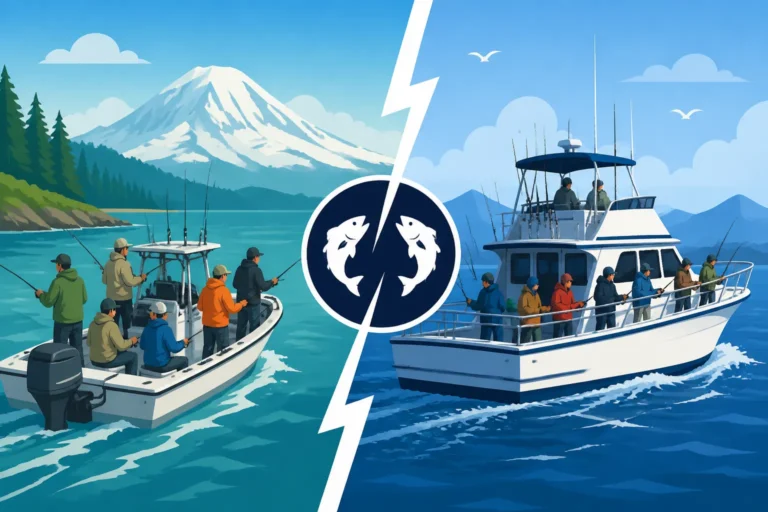
The most significant distinction between head boats and what are often called "six-pack" charters (named because they're limited to carrying six or fewer paying passengers) lies in scale, cost, and the overall fishing experience. While both offer a guided fishing adventure, they cater to very different preferences and needs. It's like comparing a bustling public market to a private chef's tasting menu—both provide food, but the ambiance, price, and personal attention are worlds apart. Understanding these differences is crucial when you're deciding Choosing Between a Guide and a DIY Trip or a different charter type.
Passenger Capacity and Privacy
The most obvious difference is the number of people on board. A six-pack charter, by its very nature, offers a much more intimate experience. With only a few passengers, you get more deck space per person, more one-on-one attention from the guide, and the ability to customize the trip's focus more readily. If you're going with a small group of friends or family, a private charter feels like having your own boat with a professional captain.
Head boats, on the other hand, prioritize volume. You'll be sharing the rails with many other anglers, some of whom you've never met before. While this can lead to a fun, social atmosphere, it inherently means less individual space and less personalized instruction. For those who enjoy meeting new people and sharing in a collective fishing effort, this can be a huge plus. However, if privacy, ample personal space, or highly customized fishing tactics are paramount, a head boat might feel a bit too crowded.
Cost Structure and Affordability
This is where head boats truly shine for many anglers: the cost. Because the expenses of operating the vessel and paying the crew are spread out among many passengers, the "per head" price for a spot on a head boat is significantly lower than booking a private six-pack charter. This makes ocean or big-water fishing much more accessible to individuals or small groups who might not be able to afford the higher price tag of a private boat.
A private charter typically charges a flat rate for the entire boat, regardless of whether you bring one person or six. This means that if you're a solo angler or a pair, a private charter can be quite expensive per person. Head boats offer a budget-friendly alternative, allowing you to access premium fishing opportunities without breaking the bank. For many, it's the only practical way to experience, for example, a deep-sea halibut trip out of Westport. It's a prime example of Are Head Boats Cheaper Than Private Charters?.
Fishing Focus and Flexibility
Private charters offer immense flexibility. You can often discuss specific target species, fishing methods, or even areas with your captain before or during the trip. If the bite is slow for one species, the captain might be more inclined to move to another spot or switch tactics based on your group's preferences. The focus is entirely on your small group's desires.
Head boats, while still offering excellent fishing, operate on a more fixed agenda. They typically target specific species that are abundant and provide good action for a large number of anglers. The captain's priority is to put the entire boat on fish, which means less deviation from the chosen plan. While still guided by experienced professionals, the "democracy" of a large group means individual requests for different fishing spots or techniques might take a backseat to the overall goal of maximizing catch opportunities for everyone. For example, a head boat targeting bottomfish will stick to that plan, while a private charter might pivot from salmon to lingcod if the salmon aren't biting.
Here's a quick comparison to help visualize the differences:
| Feature | Head Boat | Six-Pack (Private) Charter |
|---|---|---|
| Passenger Count | 15-50+ anglers | Up to 6 anglers |
| Cost | Per person, generally more affordable | Flat rate for the boat, higher per person |
| Privacy/Space | Shared deck, less personal space | Private boat, ample personal space |
| Flexibility | Less flexible, fixed target species | Highly flexible, customized trips |
| Crew Attention | Shared among many anglers, less one-on-one | More one-on-one attention |
| Atmosphere | Social, communal, often bustling | Intimate, relaxed, tailored |
| Ideal For | Budget-conscious, solo, or small groups; social anglers | Small private groups, specific requests |
Gear and Expertise
On both types of charters, the essential fishing gear—rods, reels, bait, and tackle—is almost always provided, though it's always good to confirm when you book. However, the level of direct instruction might vary. On a six-pack, a guide might spend more time teaching a beginner how to cast or rig bait. On a head boat, while the crew is there to assist, answer questions, and untangle lines (which happens often with many lines in the water!), the sheer number of people means you'll generally receive less personalized instruction. If you're a complete novice, you might need to be a bit more proactive in asking for help.
Regardless of the vessel type, the expertise of the captain and crew is paramount. They know the local waters, the currents, the fish behavior, and the regulations. Whether you're on a large head boat or a smaller private charter, you're benefiting from their years of experience and their goal to get you on the fish. You can often find detailed listings on platforms like FishingBooker that highlight the captain's experience and what to expect on different types of trips.
Who Should Consider a Head Boat Trip in Washington?
Head boats aren't for everyone, but they are an absolutely fantastic option for a wide range of anglers looking to experience Washington's incredible fisheries. If you've been on the fence about booking a charter, understanding who these trips are designed for might just help you make your decision. It truly opens up opportunities that might otherwise seem out of reach.
The Budget-Conscious Angler
Let's be honest, fishing can be an expensive hobby, especially when you factor in boat ownership, gear, and licenses. Private charters, while offering a premium experience, come with a premium price tag. For many anglers, the cost of a full-day private charter for themselves or a small group is simply prohibitive. This is where head boats step in, offering a much more affordable entry point into big-water fishing.
By paying "per head," you get to experience offshore halibut fishing, deep-sea bottom fishing, or prime salmon fishing grounds for a fraction of what a private charter would cost. This financial accessibility allows more people to participate and create lasting memories without breaking the bank. It's a great way to test the waters of charter fishing without a huge upfront investment, especially if you're not sure how you'll handle ocean swells or the intensity of a full day on the water.
Solo Anglers or Small Groups
If you're an individual angler, or perhaps a couple, it can be tough to justify the cost of booking an entire private charter. Head boats are tailor-made for you! You simply book the number of spots you need, and you're good to go. You don't need to scramble to find enough people to fill a boat, nor do you have to pay for empty seats.
This aspect makes head boats incredibly popular for those who love to fish but don't always have a large crew ready to go. You'll join a boat with other like-minded individuals, and who knows, you might even make some new fishing buddies along the way! It's a great way to expand your fishing network and learn from others on board. This is perfect for someone just looking to get out on the water and perhaps doesn't have a large group to split the cost of Puget Sound Salmon Charter Cost in Washington.
Anglers Seeking Specific Deep-Water Species
Certain highly sought-after species, like Pacific Halibut or deep-water lingcod and rockfish, often require venturing far offshore or into deeper marine environments. These trips necessitate larger, more stable vessels that can safely and comfortably handle open ocean conditions and cover significant distances. Smaller private boats might not be equipped for such journeys, or they might make for a less comfortable ride.
Head boats are often specifically designed and rigged for these types of trips. Their size, stability, and extensive safety equipment make them ideal platforms for offshore expeditions. If your dream is to land a trophy halibut off the Washington coast, a head boat out of a port like Westport might be your best bet. They have the capability to get you to those prime fishing grounds that smaller boats might not be able to reach, or at least not as comfortably. These boats are common for Halibut Fishing Techniques for the Washington Coast and Westport, Washington Halibut and Tuna Charters.
Social and Community-Oriented Fishermen
One of the often-overlooked benefits of a head boat is the social aspect. Being on a boat with many other enthusiastic anglers can create a vibrant and exciting atmosphere. There's a shared sense of anticipation, collective cheers when a big fish is landed, and plenty of opportunities to swap stories, tips, and jokes with fellow fishermen. It’s a great way to be part of a larger angling community, even if just for a day.
If you enjoy the camaraderie of a group setting and don't mind a bit of friendly competition or sharing the space, a head boat offers a unique social dynamic. It's less about exclusive privacy and more about shared passion. For families with older kids, it can be a fun, engaging experience that introduces them to fishing alongside a diverse group of people, making it a very Family-Friendly Fishing Charters in Washington option.
Those New to Saltwater or Ocean Fishing
While not strictly limited to beginners, head boats can be a fantastic way for those new to saltwater or ocean fishing to get their feet wet (sometimes literally!). The crew is experienced in managing a large number of anglers and will assist with baiting hooks, untangling lines, and helping to land fish. You don't need to bring specialized gear, as it's almost always provided, removing a significant barrier to entry.
It's a low-pressure environment where you can learn the ropes, observe experienced anglers, and gain confidence in a guided setting. You'll quickly learn common techniques and get a feel for what it's like to fish in open waters, all without the responsibility of navigating or managing a boat yourself. Just remember, while the crew is there to help, with many anglers onboard, you might need to be a bit more assertive if you require extensive one-on-one guidance.
Making the Most of Your Washington Head Boat Experience
Booking a head boat trip in Washington can lead to some unforgettable memories and some impressive catches, but like any fishing adventure, a little preparation goes a long way. To ensure you have the best possible time, it's wise to consider a few key aspects before you step aboard.
Booking Your Trip and Understanding the Details
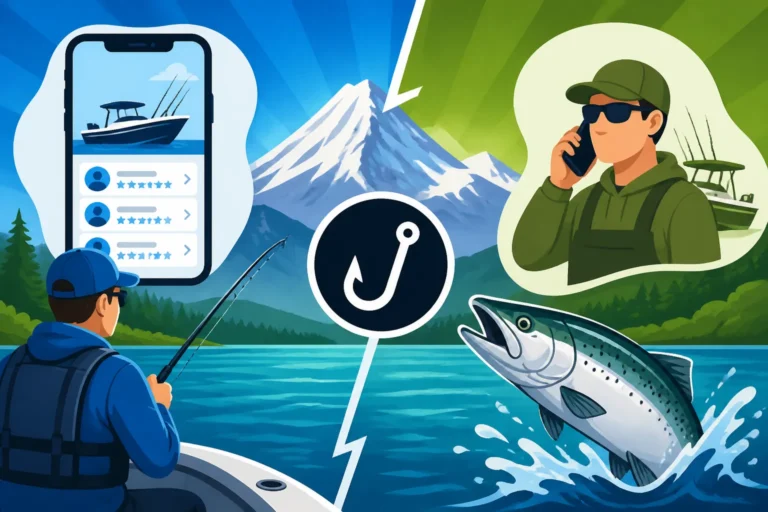
When you decide to go with a head boat, the booking process is generally straightforward. You'll typically reserve your spot online or over the phone, paying per person. Websites like FishingBooker often list head boat options, allowing you to compare departure times, target species, and amenities. When you book, always confirm what's included in the price. Usually, rods, reels, bait, and tackle are provided, but it's crucial to know if your Washington fishing license is covered (it almost never is, so plan to get yours beforehand) or if fish cleaning services are an additional cost. Ask about their cancellation policy, especially regarding weather, as conditions on the open ocean can change quickly.
It's also important to confirm the exact meeting time and location, which can sometimes be very early in the morning for offshore trips. Don't be afraid to ask questions about the type of fish they'll be targeting and what to expect in terms of fishing techniques. This will help manage your expectations and allow you to mentally prepare for the day. For example, some trips might involve active jigging, while others are more about soaking bait.
What to Bring Aboard a Head Boat
Since you'll be on a larger vessel, you might think you need less, but there are still essentials. Comfort and preparedness are key. Here’s a rundown of what typically makes the cut:
- Washington Fishing License and Endorsements: This is non-negotiable. Ensure you have the correct license for the waters you'll be fishing (freshwater, saltwater, or combination) and any necessary endorsements (like the Columbia River Salmon and Steelhead Endorsement if applicable). You'll want to have Carrying Your Washington Fishing License: Paper, Phone or the MyWDFW App readily available.
- Warm, Waterproof Layers: Washington weather, especially on the water, is notoriously unpredictable. Layers are your best friend. Even on a sunny summer day, offshore winds can be biting. A waterproof outer shell is essential.
- Food and Drink: While some head boats might have a small galley, it's always smart to bring your own snacks, lunch, and plenty of non-alcoholic beverages. A small cooler is often permitted.
- Cooler for Your Catch: Bring a separate cooler with ice to take your filleted fish home. While the crew might clean your fish, they won't typically provide a cooler for your drive home. Make sure it's clearly marked with your name.
- Sun Protection: Sunscreen, a wide-brimmed hat, and polarized sunglasses are vital, even on cloudy days. The reflection off the water can be intense.
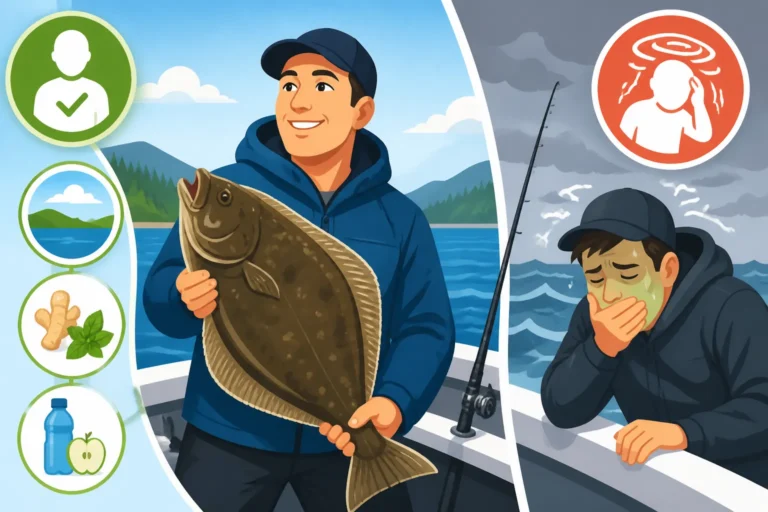
- Seasickness Medication: If you're prone to motion sickness, take preventative medication well before the boat departs. Don't wait until you feel queasy. It's common on ocean charters, so be proactive with What to Eat Before an Ocean Charter Trip and medication.
- Camera: You'll want to capture those trophy fish and the scenic Washington coastline.
- Tipping Money: It’s customary to tip the deckhands, who work incredibly hard to ensure your trip is safe and successful. A general rule of thumb is 15-20% of your trip cost. Learn more about Tipping Etiquette for Washington Fishing Guides.
Onboard Etiquette and Best Practices
Being on a head boat means sharing the experience, so a little courtesy goes a long way.
- Respect Your Fellow Anglers: Be mindful of your casting space, avoid crossing lines whenever possible, and be patient if lines get tangled (it happens!). The crew will help sort things out.
- Listen to the Crew: The captain and deckhands are there for your safety and to help you catch fish. Pay attention to their instructions regarding rigging, fishing techniques, and safety protocols. They'll often provide valuable tips on how to maximize your chances.
- Be Ready: When the captain calls out "fish on" or signals to drop your lines, be ready to go. The fish might be biting for a limited window, and quick action can make a big difference.
- Ask for Help: Don't struggle in silence. If you have a question, need help with a snag, or are having trouble with your gear, politely ask a deckhand. They're there to assist.
- Stay Hydrated and Fed: A full day of fishing, especially offshore, can be physically demanding. Keep your energy levels up.
- Manage Your Catch: Understand the regulations for daily and possession limits for the species you're targeting. The crew will usually handle the measuring and verifying of legal fish, but it's good to be aware yourself.
By understanding what head boats offer and preparing accordingly, you're setting yourself up for an exciting and successful fishing trip on Washington's diverse waters. It’s a fantastic way to access some incredible fishing, share the experience with others, and create some truly unforgettable angling memories.
Disclaimer
This article is for general informational purposes only and does not constitute professional advice. Laws, prices and regulations vary by location and change over time. Consult a qualified professional for guidance on your specific situation.