How to Jig Through the Ice for Trout
The bite slows, the days shorten, and many anglers hang up their rods for the winter, assuming fishing season is over. But for those of us who love the thrill of the chase, that's simply not true! When the lakes in Washington freeze over, a whole new world of angling opens up, offering unique challenges and incredible rewards. This guide is here to walk you through everything you need to know about how to jig through the ice for trout, transforming those chilly winter days into memorable fishing adventures.
Understanding Washington's Ice Fishing Scene for Trout
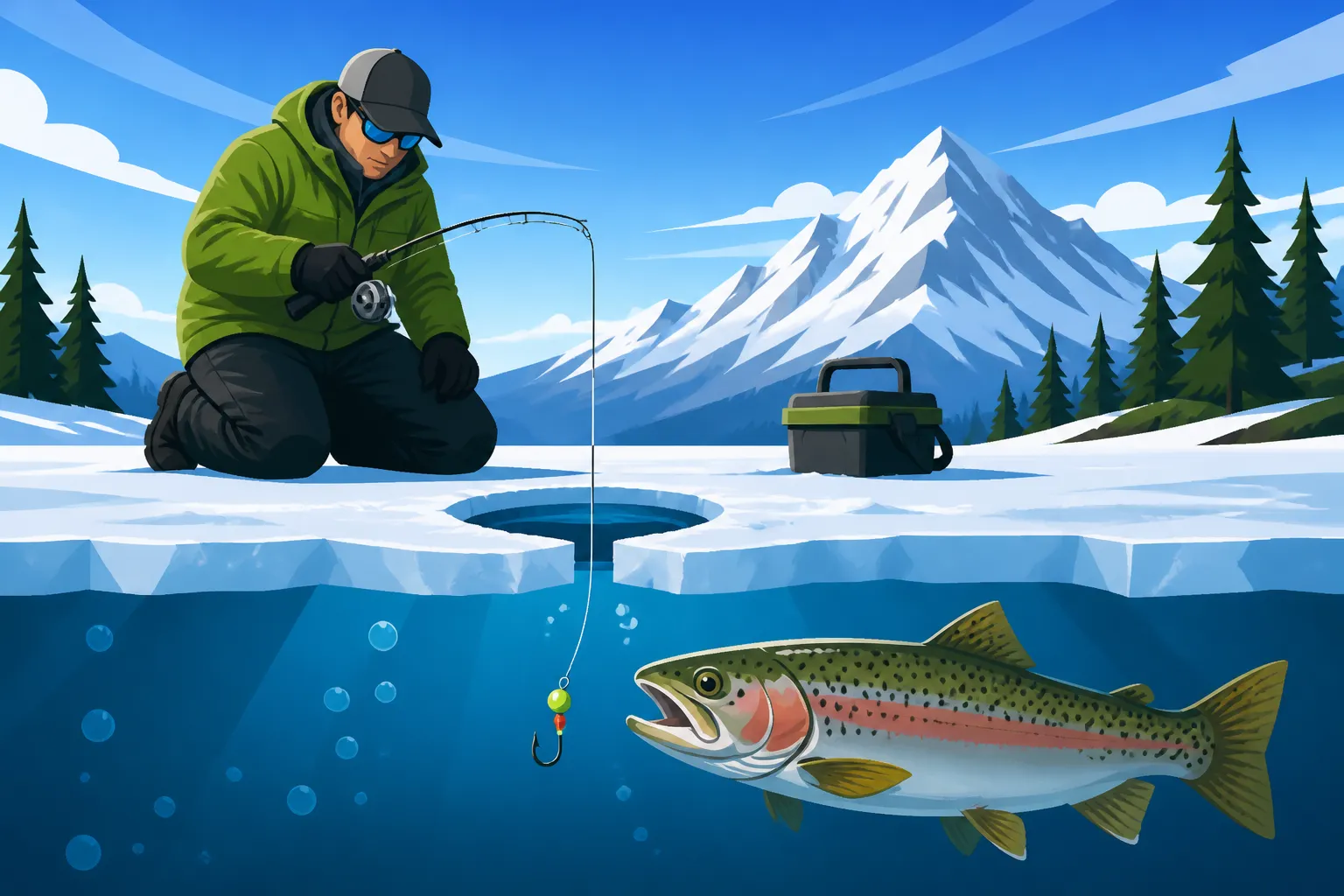
Ice fishing for trout in Washington state is a truly unique experience, a peaceful contrast to the often crowded rivers and lakes of warmer months. It demands patience and a specific set of skills, but the rewards—fresh trout, quiet solitude, and the beauty of a frozen landscape—are well worth the effort. It's not just about punching a hole; it's about understanding the subtle world beneath the ice.
Where Ice Fishing Happens in Washington
While Washington isn't traditionally known as an ice fishing mecca like some Midwestern states, we have some fantastic opportunities, especially in our eastern regions. The key is finding lakes that consistently develop safe, fishable ice and that hold good populations of trout. Generally, higher elevation lakes and those further east, away from the moderating influence of the Pacific, are your best bets. Places like Curlew Lake, Newman Lake, and Sprague Lake in Eastern Washington are often reliable for early winter ice, attracting eager anglers. Smaller, stocked lakes in more remote areas can also be phenomenal, especially if they see less pressure. Always check local ice conditions and regulations before heading out, as these can change rapidly with fluctuating temperatures. Don't forget that even some Western Washington lakes, particularly those at higher elevations in the Cascades, can offer brief windows of ice fishing opportunity in particularly cold winters, though these are far less consistent.
The Best Trout Species for Ice Jigging
When you're out on the ice in Washington, you're primarily targeting a few key trout species, each offering a slightly different experience.
Rainbow Trout are perhaps the most common quarry for ice anglers. The Washington Department of Fish and Wildlife (WDFW) regularly stocks many lakes with rainbows, and these fish remain active, albeit slower, under the ice. They're often eager biters and can provide consistent action, making them a great target for beginners and seasoned anglers alike. You'll find them in a wide range of sizes, from pan-sized eaters to respectable fighters, depending on the lake. For more in-depth information on these feisty fish, check out our guide on Rainbow Trout Fishing in Washington.
Another fantastic species for ice jigging, particularly in specific Washington lakes, is the Kokanee. These landlocked sockeye salmon are prized for their delicious red meat and spirited fights. They tend to school in open water, often suspended at specific depths, which requires a different approach than bottom-hugging rainbows. Lakes like Lake Roosevelt and Lake Chelan are renowned for their Kokanee fisheries, and mastering the art of jigging for them is a rewarding challenge. If you're keen to learn more about these fascinating fish, our article on Kokanee: Washington's Landlocked Sockeye is an excellent resource. You might also encounter Brook Trout, especially in some of the smaller, higher mountain lakes. While not as widely distributed or consistently targeted as rainbows, brookies are beautiful fish with vibrant colors and can offer a fun challenge for those willing to explore more remote ice fishing locations. To understand more about these charming fish, our guide to Brook Trout in Washington's Mountain Lakes offers great insights.
Essential Gear for Ice Jigging Trout
Stepping onto the ice requires more than just your usual fishing setup. The unique environment of ice fishing necessitates specialized gear that not only helps you catch fish but also keeps you safe and comfortable in freezing conditions. Investing in the right tools can make all the difference between a frustrating, cold experience and a truly enjoyable and productive day on the hard water.
Rods, Reels, and Line
Forget your lengthy river rods; ice fishing demands a much more compact setup. You're fishing through a small hole, often sitting or kneeling, so long rods are simply impractical. Ice fishing rods are typically short, ranging from 24 to 36 inches, offering excellent sensitivity to detect those subtle winter bites. Look for rods with a fast action tip, which allows you to see even the slightest twitch, indicating a fish might be investigating your jig. Paired with these short rods are small, ultra-light spinning reels. These reels should be spooled with high-quality monofilament, fluorocarbon, or braided line, usually in the 2 to 6-pound test range. Braided line offers superior sensitivity and no stretch, which is great for feeling bites, but it can freeze up more easily. Many anglers opt for a braided main line with a fluorocarbon leader for stealth and abrasion resistance. The thin diameter and low visibility of fluorocarbon are particularly effective in the often clear water under the ice, fooling wary trout. When you're browsing for your setup, remember that Amazon offers a vast selection of specialized ice fishing rods and reels from various brands like St. Croix, Ugly Stik, and Clam, making it easy to find gear that suits your style and budget.
Jigs and Baits
This is where the real fun begins for ice trout! Unlike bait fishing with bobbers, jigging requires lures that entice a strike with their movement. Jigs for trout under the ice are typically small, ranging from 1/64 to 1/8 ounce, mimicking tiny insects, larvae, or baitfish. There are two main types:
- Horizontal Jigs: These jigs, like teardrops or small spoons (e.g., Northland Tackle Forage Minnow Spoon or Acme Little Cleo), hang horizontally in the water. They often have a fluttering action on the drop, resembling a dying baitfish, and can be deadly when trout are actively feeding. Their reflective surfaces and vibrant colors can be excellent attractors in low light conditions under the ice.
- Vertical Jigs: These are often called "demon" or "ratso" jigs, and they hang vertically. They might have a small bead or a bit of plastic on the hook. Their primary appeal is a subtle up-and-down motion that mimics tiny invertebrates. Tungsten jigs are particularly popular because tungsten is much denser than lead, allowing for a smaller profile jig that still gets down to depth quickly. This smaller size can be crucial for enticing finicky trout in cold water.
Color selection can be surprisingly important. Bright colors like chartreuse, orange, and pink often work well in stained water or low light, while more natural colors like silver, gold, black, or even glow-in-the-dark options are effective in clear conditions or at greater depths. But the jig isn't usually enough on its own. Tipping your jig with bait is often the secret sauce for consistent success. Common choices include:
- Live Baits: Maggots (spike worms), wax worms, and mealworms are incredibly effective. Their natural scent and subtle wiggling action are irresistible to trout. You can find these at most bait and tackle shops.
- Artificial Baits: Small pieces of Berkley Gulp! Alive! maggots or wax worms offer a strong scent and durable presentation, especially useful when live bait isn't available or if you want to avoid dealing with live creatures in the cold. Just a tiny piece is often all you need to add that extra allure.
Experimentation is key; what works one day or in one lake might not work the next. It’s always a good idea to have a variety of jig types, colors, and tipping options on hand.
The Importance of an Ice Auger and Shelter
No ice fishing trip is complete without a way to get through the ice and a means to stay warm. An ice auger is your primary tool for creating fishing holes. Manual augers are great for thinner ice (under 10-12 inches) and offer a good workout, but electric or gas-powered augers become a necessity when the ice gets thicker or you plan to drill many holes. A good auger should be sharp and efficient, making quick work of even solid ice. A 6-inch or 8-inch diameter hole is usually sufficient for trout.
Once your holes are drilled, a portable ice fishing shelter, or shanty, drastically improves comfort and can extend your fishing day. These shelters range from basic flip-over models that attach to a sled to pop-up tents. They shield you from the wind, snow, and driving cold, allowing you to focus on fishing rather than shivering. Many even have built-in heaters (propane heaters are common), creating a surprisingly cozy environment. A good shelter also helps to keep your holes from freezing over too quickly, especially on blustery days. When you’re planning your setup, remember that you can find excellent portable shelters, augers, and accessories like propane heaters on Amazon, making it convenient to gear up for your winter adventures. Having the right tools, including a reliable auger and a comfortable shelter, is fundamental to a successful and enjoyable ice fishing experience in Washington.
Mastering the Art of Jigging for Ice Trout
Ice fishing for trout isn't just about dropping a line; it's a dynamic, active approach that requires finesse and an understanding of trout behavior in cold water. Learning to jig effectively can significantly increase your success rate and transform a slow day into a memorable one.
Locating Trout Under the Ice
Finding the fish is often the biggest challenge in ice fishing. Unlike open water, you can't easily move around. So, precise location is paramount. Trout under the ice tend to congregate in areas that offer them food, cover, or comfortable water temperatures. Start by looking for structure: submerged humps, points, weed lines, or drop-offs. These are prime ambush points where trout will lie in wait for smaller prey. If you're fishing a lake you know well in the summer, think about where you'd normally find fish and target those same areas. Often, fish will be a bit deeper in winter than their summer counterparts, seeking more stable temperatures.
This is where electronics become almost indispensable. A good fish finder (flasher or LCD unit) is an ice angler's best friend. It allows you to see the bottom, identify structure, and most importantly, detect fish both below your hole and as they approach your lure. You can often see your jig on the screen as well, enabling you to present it precisely at the depth where fish are holding. Pay attention to how fish react to your presentation – do they rise aggressively, or do they approach cautiously? This information will help you fine-tune your technique. Without a fish finder, you're fishing blind, which can still work, but it dramatically reduces your ability to adapt.
Jigging Techniques
The "jig" in jigging refers to the movement you impart to your lure. It's not about constant reeling, but rather a series of subtle lifts, drops, and pauses designed to imitate struggling prey. Here are some effective techniques:
- Pumping and Pausing: This is the bread and butter of ice jigging. Drop your jig to the desired depth. Then, give your rod tip a sharp, short upward twitch (a "pump") of about 6-12 inches, making the jig dart upwards. Immediately let it fall back on a semi-slack line, allowing it to flutter or spiral down. Then, crucial step: pause. A pause of 5-15 seconds is often when the fish will strike, as the jig appears to be resting or stunned. Vary the length of your pumps and pauses until you find what the fish are responding to. Sometimes a rapid series of small pumps, followed by a long pause, is the ticket.
- Dead Sticking: This is exactly what it sounds like. After dropping your jig to the desired depth, simply hold the rod still, keeping the bait motionless for an extended period. This works wonders on extremely finicky trout that are easily spooked by aggressive movements. Often, the subtle current or movement of the water is enough to give the bait a slight action. You might even use a secondary rod (if regulations allow a Two-Pole Endorsement in Washington) with a dead-sticked bait while actively jigging with another.
- Slow Lift and Drop: A more gentle approach than pumping. Slowly lift your rod tip a foot or two, then slowly lower it back down. This creates a slow, swimming action that can be very effective when trout are lethargic. Combine this with long pauses, especially as the jig settles.
- "Sniffing": Sometimes, trout will approach a jig but won't commit. This is often visible on a fish finder. When this happens, try barely moving the jig – just a tiny twitch of the wrist, almost imperceptible. This can be just enough to trigger a reluctant strike. It's about presenting an easy meal without being too aggressive.
Reading the Bite and Setting the Hook
Winter trout bites are notoriously subtle, especially compared to their aggressive summer counterparts. Cold water makes fish less energetic, and they often "mouth" the bait rather than engulfing it aggressively. This means you need keen observation skills and sensitive gear.
- Visual Cues: Often, the only indication of a bite is a slight twitch or sag in your line, or the very tip of your rod barely bending. If you're using a spring bobber (a hyper-sensitive wire extension on your rod tip), any movement, however small, is a potential bite. Watch your line where it enters the water and your rod tip constantly. Even a fish just inhaling the bait can create a brief slack in the line.
- Feeling the Bite: With a sensitive rod, you might feel a faint tap, a slight pressure, or even just a spongy feeling as the fish takes the bait. This is where good line material (like braid for sensitivity) and direct contact with your jig are crucial. The moment you feel or see anything unusual, assume it's a bite.
- Setting the Hook: Unlike a sweeping hookset for a salmon, ice fishing for trout often requires a quick, short, upward snap of the wrist. Because you're fishing with light line and small hooks, a powerful, exaggerated hookset can actually pull the hook out of the fish's mouth or break your line. A firm, controlled twitch is often all it takes to embed the small hook. If you see a fish on your flasher approach your bait and suddenly disappear, set the hook! They often suck it in and spit it out incredibly fast. Practice makes perfect when it comes to distinguishing a real bite from a jig hitting the bottom or incidental movement.
Safety and Regulations for Washington Ice Fishing
While the allure of a frozen lake is strong, safety should always be your top priority. The beautiful, serene environment of ice fishing can quickly become dangerous if precautions aren't taken. Furthermore, understanding and adhering to Washington's specific fishing regulations is crucial for a legal and responsible outing.
Ice Safety Basics
Never, ever take ice safety lightly. The primary rule is simple: no ice is 100% safe, and conditions can change rapidly. Always check ice thickness before venturing out. A general rule of thumb for safe ice is:
- 2 inches or less: Stay off!
- 4 inches: Safe for ice fishing on foot (single person).
- 5-7 inches: Safe for small groups, ATVs, or snowmobiles.
- 8-12 inches: Safe for cars or small trucks.
- 12-15 inches: Safe for medium trucks.
These are guidelines, not guarantees. Always exercise extreme caution, especially early and late in the season. Here are more critical safety tips:
- Never fish alone: Always go with a buddy. If something happens, you have help.
- Tell someone your plans: Let a family member or friend know where you're going and when you expect to return.
- Dress in layers: Hypothermia is a real danger. Wear waterproof outer layers and warm insulating layers underneath.
- Carry safety gear: This includes ice picks (worn around your neck for quick access if you fall through), a rope, a fully charged cell phone in a waterproof bag, and a whistle.
- Test the ice as you go: Use an ice spud bar or auger to check thickness every few steps, especially on new or unfamiliar ice.
- Avoid questionable areas: Stay away from inlets, outlets, pressure ridges, and areas with discolored or slushy ice. These spots are often thinner due to currents or geothermal activity.
- Wear a PFD (Personal Flotation Device): This is highly recommended, especially when venturing onto early or questionable ice. It might seem bulky, but it could save your life.
- Bring a first aid kit: Accidents happen, and being prepared for minor injuries is always wise.
Washington Fishing Regulations
Just like open-water fishing, ice fishing in Washington is governed by a specific set of rules and regulations. It's imperative to consult the current WDFW Fishing Regulations pamphlet before every trip, as rules can change annually or even with in-season emergency closures. You can find detailed information by reading Washington Fishing Regulations Every Angler Should Know.
Key regulations to be aware of for ice fishing include:
- Fishing License: Everyone 15 years or older needs a valid Washington fishing license. Make sure you have the correct endorsement for freshwater if you're targeting trout. You can learn more about license options in our guide on Washington's Annual, Short-Term and Combination License Options.
- Season Dates and Times: While many lakes are open year-round for trout, some have specific opening and closing dates. Always verify the regulations for the specific lake you intend to fish. Our guide on Washington Fishing Seasons: A Month-by-Month Guide can provide a good overview, but always double-check the specific lake.
- Bag and Possession Limits: There are daily bag limits and possession limits for trout, which can vary by lake and species. For example, the daily limit for Rainbow Trout might be different from that for Brook Trout or Kokanee. You need to know these limits and adhere to them. Our article on Understanding Washington's Daily Bag Limits by Species provides a good starting point.
- Gear Restrictions: Pay attention to allowed gear. This might include restrictions on the number of hooks per line, whether bait is allowed, or if specific lures are prohibited.
- Catch Record Cards: If you're targeting specific species that require reporting, such as Steelhead (unlikely in most ice fishing scenarios but worth noting for clarity) or certain salmon, you'll need a Catch Record Card and must properly fill it out. While typically not required for standard trout, it's good practice to be aware of what The Washington Catch Record Card and What It Requires entails.
- Two-Pole Endorsement: If you plan to fish with two rods, you'll need to purchase a Two-Pole Endorsement in addition to your basic fishing license. This is a popular option for ice anglers, allowing one rod to be actively jigged while another is set up as a dead stick.
Responsible Angling Practices
Beyond safety and regulations, being a responsible angler on the ice means respecting the environment and the fish.
- Leave No Trace: Pack out everything you pack in, including any trash, broken line, or bait containers. The ice is a fragile environment.
- Minimize Disturbances: Try to minimize noise and sudden movements on the ice, as these can spook fish.
- Handling Fish Gently: If you're practicing catch and release, handle fish with wet hands, support their body, and release them quickly. Extreme cold can be tough on fish, so minimize their air exposure. If you keep fish, dispatch them humanely and store them properly to maintain meat quality. Knowing How Bag and Possession Limits Work in Washington helps ensure you only keep what is legal and ethical.
- Public vs. Private Property: Always be mindful of land ownership and access points. Respect private property and avoid trespassing.
- Sharing the Ice: Be courteous to other anglers. Don't crowd someone's fishing hole, and keep noise levels down.
By prioritizing safety, knowing the rules, and practicing responsible angling, you can ensure that your ice fishing adventures in Washington are not only successful but also respectful of the natural environment and enjoyable for everyone.
Popular Trout Jigs for Ice Fishing
Here’s a quick overview of some popular jig types you might use for ice fishing trout, available readily at sporting goods stores and platforms like Amazon.
| Jig Type | Description | Ideal Depth | Action / Presentation | Tipping Options |
|---|---|---|---|---|
| Tear Drop Jig | Small, lead or tungsten jig shaped like a tear drop, typically with a single hook. | Shallow to Mid | Subtle vertical bounce, gentle wobble on the drop. | Maggots, wax worms, small piece of Gulp! |
| Horizontal Jig | Designed to hang flat in the water, often spoon-shaped or resembling a small minnow. | Mid to Deep | Erratic flutter on the fall, darting motion on the retrieve. | Small piece of live bait or Gulp!, plain. |
| Tube Jig | Small, soft plastic tube bait threaded onto a leadhead jig. | Mid to Deep | Gentle gliding, slow spiral. | No tipping usually needed, scent added to plastic. |
| Marmooska Jig | Tiny, often tungsten jig with a fine wire hook. Extremely sensitive. | Shallow to Mid | Very subtle quivering, almost motionless. | Single maggot, tiny wax worm. |
| Spoon Jig | Small, thin metal jig that flutters and wobbles on the fall, mimicking a wounded baitfish. | Mid to Deep | Aggressive flash and wobble on the drop and lift. | Small piece of minnow, corn, or Gulp! |
When assembling your tackle box for ice fishing, having a variety of these jigs in different sizes and colors will give you the best chance to adapt to whatever the trout are feeding on.
Disclaimer
Please remember that fishing regulations, ice conditions, and fish populations can change. Always check the current Washington Department of Fish and Wildlife (WDFW) regulations before heading out. Safety on the ice is paramount; never assume ice is safe and always prioritize caution. This guide is for informational purposes only and does not substitute for official regulations or professional safety advice.