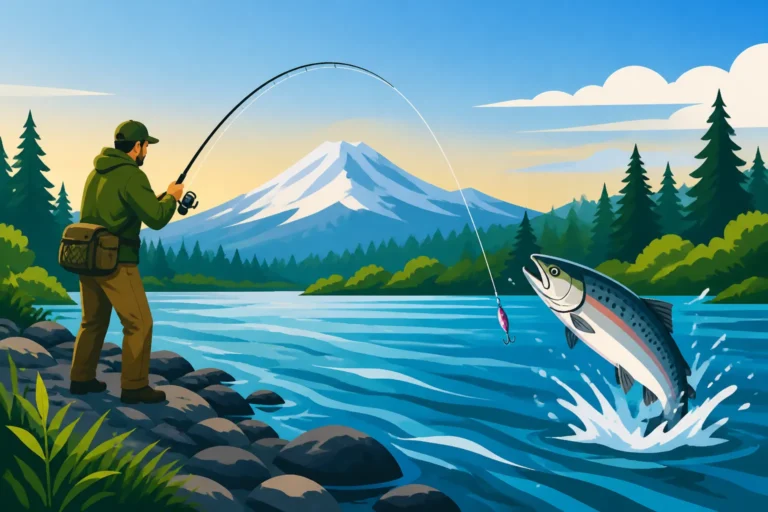
Best Time of Day for Trout to Feed in Summer
Ah, summer fishing in Washington! There's nothing quite like it – long days, beautiful scenery, and the promise of a hard-fighting trout. But let's be honest, chasing trout in the heat of summer can be incredibly frustrating. One minute they're rising eagerly, the next it's like the river is completely devoid of life, leaving you scratching your head, wondering if you've missed the memo. You're out there when you have time, but knowing when the trout are most active, especially when the sun is blazing, can make all the difference between a memorable day and a sun-baked blank. This guide is all about cracking that code, helping you understand the rhythms of summer trout and pinpointing the best times of day to cast your line for success.
Why Summer Trout Are Different: The Heat is On
Summer isn't just about sunshine and swimming holes; for trout, it's a period of significant environmental change that dictates their behavior and, crucially, their feeding patterns. Unlike spring or fall when they might be active for longer stretches, summer heat can make trout incredibly selective about when and where they forage. Understanding these underlying reasons is key to adapting your approach.
Water Temperature's Role in Trout Activity
When the air temperature climbs, so does the water temperature, especially in shallower rivers and lakes. Trout, being cold-blooded creatures, are highly sensitive to these changes. Their metabolism is directly tied to water temperature. As the water warms up, their need for oxygen increases, but paradoxically, warmer water holds less dissolved oxygen. It's a double whammy for them.
Think of it like us trying to run a marathon in stifling humidity – we can do it, but we'll be sluggish, need more water, and much prefer the cooler parts of the day. Trout are similar. Once water temperatures creep into the mid-60s Fahrenheit, trout start to get stressed. Above 70 degrees, it can become lethal, especially for species like our beloved rainbow trout. This is why you'll often hear about "hoot owl" restrictions on some Washington rivers during peak summer, limiting fishing to the cooler morning hours to protect these fish. So, instead of actively feeding, they're often just trying to survive, seeking out cold water refuges. For more on how seasons affect fish, check out our guide on Washington Fishing Seasons: A Month-by-Month Guide.
Oxygen Levels and Trout Comfort Zones
As touched on, warmer water simply doesn't hold as much dissolved oxygen as colder water. This isn't just a slight inconvenience for trout; it's a matter of life and death. They need that oxygen to fuel their active lives, digest food, and recover from exertion. When oxygen levels drop, trout become lethargic and less inclined to chase after prey, even if it's right in front of them. Their primary instinct shifts from feeding to finding areas with higher oxygen concentrations.
This often means seeking out deeper pools where water stays cooler, or areas where tributaries bring in colder, oxygen-rich water. You might find them congregating near springs, at the mouths of feeder creeks, or in the fast, turbulent water of riffles and rapids where the water gets aerated. These spots become their summer safe zones. Understanding this helps us predict where they might be, which is just as important as when they'll bite. Even in lakes, the thermocline—a layer where water temperature changes rapidly with depth—becomes a crucial factor, as trout will hang out just above or within that cooler layer.
The Golden Hours: Early Mornings and Late Evenings
If you're serious about catching trout in Washington during the summer, these are your prime windows. Forget sleeping in or lingering over dinner; these are the times when the conditions align perfectly for trout to shake off their daytime lethargy and actively feed.
Dawn Patrol: The Early Bird Catches the Worm
There's a reason why dedicated trout anglers are often up before the sun. The period from false dawn until a couple of hours after sunrise is arguably the best time to target trout in summer. Why? Because the water has been cooling all night, reaching its lowest temperature just before the sun hits the surface. This brings oxygen levels up and makes the trout feel much more comfortable and active.
During this time, trout often move out of their deep, oxygen-rich holding lies and venture into shallower feeding lanes. They're hungry from the long night and eager to capitalize on any insects that are still hatching or terrestrials that have fallen into the water. You'll often see active rises to mayflies, caddis, or even small midges right at daybreak. Even if nothing is rising, trout are usually more willing to chase subsurface offerings like nymphs, streamers, or spinners. I always make sure my fly box, packed with a variety of patterns, is ready to go the night before. Sometimes, just having a headlamp from Amazon to tie on a fresh leader in the dark is a game-changer. This is the time when you might just land a trophy on the Yakima River for Wild Trout in Washington before the crowds even arrive.
Dusk Delight: Evening Rises and Twilight Feasts
Just as the sun begins to dip below the horizon and the heat of the day subsides, trout get a second wind. The water temperature starts to drop, and once again, oxygen levels rise. This signals another prime feeding window that can last until true darkness sets in. This is often when some of the most spectacular dry fly fishing of the day occurs, especially on rivers known for consistent evening hatches.
As the shadows lengthen, trout become bolder, moving into shallower riffles and eddy lines to intercept emerging insects. Large caddis flies, mayflies, and even stoneflies can hatch in profusion, leading to eager rises. Even if there's no visible hatch, trout will often cruise these areas looking for a last meal. Spinners, small spoons, or even a slow-retrieved worm can be incredibly effective during this time. The low light also provides a natural camouflage for both angler and fish, making trout less wary. It’s a magical time, often filled with anticipation and explosive takes. If you’re into Dry Fly Fishing Washington's Rivers, this is when your skills truly shine.
Mid-Day Strategies: When You Must Fish in the Heat
Let's face it, not everyone can always be on the water at dawn or dusk. Sometimes, your schedule dictates a mid-day session, or you might be on a longer trip where you just want to keep fishing. While challenging, catching trout during the hottest parts of a summer day isn't impossible, but it requires a significant shift in strategy and often a willingness to adapt your techniques.
Deep Water Sanctuaries
When the sun is high and the water warm, trout retreat to the coolest, most oxygenated parts of their environment. In rivers, this often means the deepest pools, especially those with some current or structure that creates a cooler microclimate. Look for areas with undercut banks, large submerged boulders, or logjams that offer both shade and depth. In lakes, trout will move to the thermocline, often suspending anywhere from 10 to 40 feet down, depending on the lake's depth and thermal stratification.
To reach these fish, you need to get your offerings down deep. Heavy nymphs, sinking lines with streamers, or weighted lures like Kastmasters or small jigs are your best friends. Nymphing for Trout on Washington's Yakima River during these hours means using split shot and long leaders to bounce your flies along the bottom. For lake anglers, downriggers or lead core lines are essential to present lures at the right depth. Remember, trout here are often less active, so a slower, more deliberate retrieve, or simply letting your offering drift naturally, can be more effective than aggressive presentations. You might need some extra weight for your tackle box, which you can easily find on Amazon.
Shady Retreats and Pocket Water
Beyond deep pools, trout also seek out areas of shade. Overhanging trees, cliffs, or even bridge abutments can create cool, shaded pockets where trout will hold, especially if there's also a food source nearby. This can include anything from terrestrials dropping from branches to aquatic insects emerging in the cooler shadows.
Another excellent mid-day option, particularly in higher gradient rivers, is pocket water. This refers to the turbulent, aerated water found around boulders and ledges. While these areas might be shallower, the constant churning of the water mixes in more oxygen, making it more hospitable for trout even when the overall river temperature is warm. Trout will often tuck in behind a boulder, out of the main current, waiting for food to be swept by. Short, precise casts with weighted nymphs or small streamers into these pockets, followed by a quick retrieve or drift, can be very productive. This type of fishing requires stealth and accuracy, as you're often targeting specific, small holding lies.
Other Factors Affecting Summer Trout Feeding
While temperature and oxygen are paramount, trout behavior isn't solely dictated by the clock and thermometer. A host of other environmental cues and seasonal events can significantly influence when and how they decide to feed during the summer months. Being aware of these additional variables can give you an even greater edge.
Weather Patterns and Fronts
Just like us, trout respond to changes in the weather. A stable period of hot, sunny weather usually means the "golden hours" strategy is king. However, a sudden shift can trigger different responses. A passing cold front, for instance, can sometimes put fish off entirely for a day or two, making them lethargic and less willing to bite. Conversely, a prolonged period of overcast skies or light rain can actually improve mid-day fishing by lowering surface temperatures and increasing oxygen levels in the water.
Thunderstorms, while potentially dangerous for anglers, can sometimes create a feeding frenzy before they hit, as fish sense the change in barometric pressure. After a summer rain shower, especially one that cools things down without drastically muddying the water, you might find trout more active. Always check the forecast before you go, and remember How Fishing Changes After a Cold Front can impact your day, not just for salmon, but for trout too! A good waterproof jacket from Amazon is always a wise investment for unpredictable Washington weather.
Insect Hatches and Terrestrial Action
Summer is a time of incredible insect diversity, both aquatic and terrestrial. While the classic "matching the hatch" often applies to spring and fall, summer can bring about specific, intense hatches that briefly override other considerations. Caddis flies, mayflies like Pale Morning Duns, and even some stoneflies can have strong evening hatches that draw trout to the surface regardless of the time. Keep an eye out for these, as they offer prime dry fly opportunities.
However, summer also introduces the importance of terrestrial insects. Grasshoppers, ants, beetles, and crickets are abundant along riverbanks and lake shores, and many accidentally fall into the water. Trout are opportunistic feeders, and a big, juicy grasshopper struggling on the surface is an irresistible meal. This can make foam dry flies mimicking these insects incredibly effective, especially along shaded banks or grassy stretches, even during mid-day when aquatic hatches are minimal. This is a great time to practice your Fly Fishing Washington's Rivers and Lakes skills with bigger, buoyant patterns.
Lake vs. River Dynamics
It's crucial to remember that trout behavior in a stillwater lake differs significantly from that in a flowing river, even in summer. Rivers offer constant current, riffles for aeration, and a more varied habitat for thermal refuges. Lakes, on the other hand, stratify; they develop distinct temperature layers. As discussed, the thermocline becomes the most important factor in locating lake trout during summer.
In rivers, you're constantly evaluating current seams, pocket water, and shaded banks. In lakes, you're looking for drop-offs, submerged structures, or areas where springs might be flowing in. Fishing techniques also diverge: in rivers, drift fishing with nymphs or streamers, or casting dry flies to rising fish, are common. In lakes, trolling with small lures, jigging, or still fishing with bait at specific depths become more prevalent. Understanding the unique dynamics of each environment allows you to apply the "best time of day" principles more effectively, tailoring your approach to the specific water you're fishing.
Summarizing Summer Trout Feeding Times
To help you remember these key strategies, here's a quick rundown of what to consider:
| Time of Day | Water Temperature/Oxygen | Trout Activity | Recommended Strategy | Notes |
|---|---|---|---|---|
| Pre-Dawn to Mid-Morning | Coolest temps, highest oxygen | Highly active, moving to feed | Dry flies (early hatches), nymphs, small streamers, spinners, spoons. | Prime Time! Focus on shallow feeding lanes, riffles, and oxygenated areas. |
| Late Morning to Mid-Afternoon | Warmest temps, lowest oxygen | Less active, seeking refuge | Heavy nymphs, streamers (deep), weighted lures. | Challenging. Target deep pools, shady spots, aerated pocket water. Slow down! |
| Late Afternoon to Dusk | Cooling temps, rising oxygen | Increasing activity, moving to feed again | Dry flies (evening hatches), nymphs, streamers, bait. | Second Prime Time! Focus on shallower water as trout become bolder. |
| Night (if allowed) | Cool, stable temps | Active, less wary (if feeding) | Large streamers, mice patterns (rivers), glow jigs (lakes). | Check regulations; some waters allow night fishing. Can be very productive. |
Remember, knowing the Washington River Trout Limit for your specific area is crucial before you head out, and carrying your Washington Fishing License Guide for Nonresidents (or residents!) is always a must.
Summer trout fishing in Washington is a rewarding endeavor, but it demands a thoughtful approach. By understanding how trout react to the season's unique challenges, particularly the warm water and lower oxygen levels, you can dramatically increase your chances of success. Embrace the early mornings and late evenings, and when you're forced to fish during the heat of the day, remember to go deep, seek shade, and observe the subtle cues the environment offers. Tight lines, and enjoy those long summer days on the water!
Disclaimer
This article is for general informational purposes only and does not constitute professional advice. Laws, prices and regulations vary by location and change over time. Consult a qualified professional for guidance on your specific situation.