Is Friday Harbor Close to Good Lingcod Grounds?
The dream of hooking into a powerful, toothy lingcod often comes with a specific question: where are the best grounds, and how accessible are they from my chosen launch point? For many anglers eyeing Washington's stunning San Juan Islands, the bustling hub of Friday Harbor naturally becomes a focal point. It's a valid concern, as a long, uncomfortable boat ride isn't anyone's idea of a perfect fishing trip. This guide will dive deep into whether Friday Harbor truly puts you within striking distance of prime lingcod habitat and how to make the most of your San Juan Islands bottom fishing adventure.
Friday Harbor's Strategic Location for Lingcod
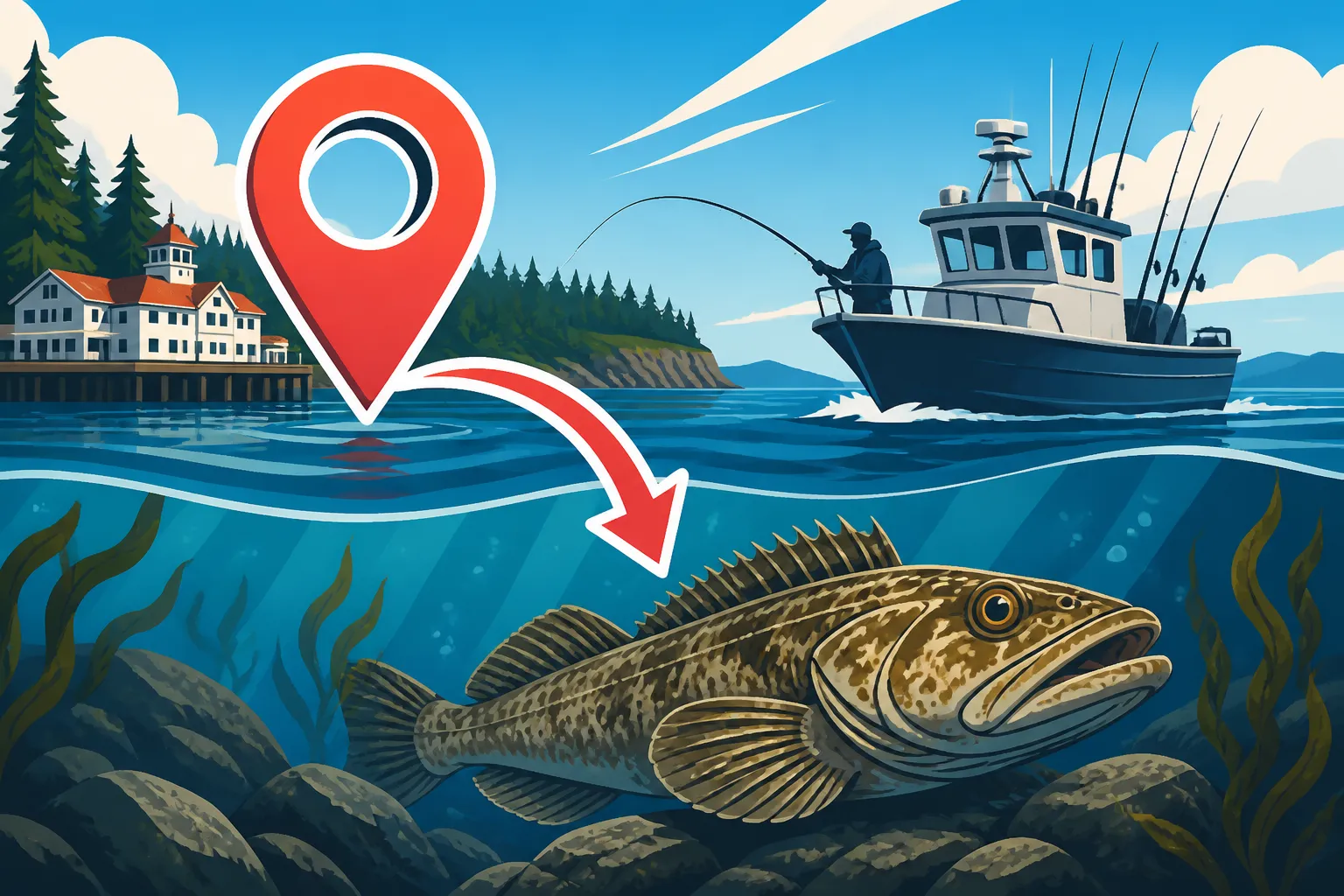
Friday Harbor, nestled on San Juan Island, is more than just a charming ferry terminal and tourist hotspot; it's a surprisingly strategic base for anglers targeting lingcod. The beauty of this location is its immediate proximity to the diverse and complex underwater topography that these voracious predators call home. Unlike some areas where you might need to motor for hours to find productive bottom, Friday Harbor offers quick access to some truly excellent grounds.
Proximity to Prime Structure
Lingcod are ambush predators, and they thrive in areas with abundant underwater structure—rocky reefs, kelp beds, submerged ledges, and swift currents that bring food right to them. The waters surrounding San Juan Island and its neighboring islands are a labyrinth of such features. Within just a short boat ride from Friday Harbor, anglers can reach depths ranging from 30 to over 200 feet, often characterized by dramatic drop-offs and jagged underwater terrain. Places like the waters around Lopez Island, Orcas Island, and even closer to San Juan Island itself, hold extensive rocky bottoms. These aren't just random rocks; they're intricate underwater landscapes formed by ancient volcanic activity and glacial scouring, creating perfect hiding spots for lingcod to lurk and ambush prey. It’s this immediate access to diverse and deep-water structure that makes Friday Harbor such an attractive launch point. You won't be burning half your day's fuel just getting to the fishing grounds; you'll be dropping lines and feeling bites much sooner.
Accessibility and Local Charters
Beyond just the natural geography, Friday Harbor offers excellent logistical support for anglers. It's easily accessible by ferry from Anacortes, making it a convenient destination for both residents and visitors. Once there, you'll find ample marina facilities and, crucially, a robust fleet of experienced local fishing charters. These guides know the intricacies of the local waters like the back of their hand. They understand the tides, currents, and, most importantly, where the lingcod are holding at any given time. If you're not bringing your own boat or prefer the expertise of a seasoned pro, booking a charter out of Friday Harbor is a fantastic option. Services like those found on FishingBooker can connect you with reputable local captains who specialize in bottom fishing in the San Juans. They often provide all the necessary gear, ensuring you have the right heavy-duty rods, reels, and terminal tackle to wrestle a big lingcod from the depths. This local knowledge is invaluable, transforming a potentially hit-or-miss trip into a highly productive one. For more on guided trips, check out our guide on How to Book a Fishing Charter in Washington.
Understanding Lingcod Habitat in the San Juan Islands
To successfully target lingcod from Friday Harbor, it’s crucial to understand their preferred habitat. These fish aren't just found anywhere; they have specific requirements for survival and hunting. The San Juan Islands provide an almost tailor-made environment for them, which is why the fishing can be so productive here.
Rocky Reefs and Submerged Ledges
Lingcod are kings of camouflage and ambush, making rocky reefs and submerged ledges their primary hunting grounds. These structures provide countless nooks, crannies, and overhangs where they can hide, waiting for unsuspecting prey to swim by. In the San Juan Islands, the underwater landscape is dominated by basaltic rock formations, creating complex reef systems that rise sharply from the seafloor. These aren't gentle slopes; often, you're looking at vertical walls or dramatic pinnacles that offer multiple levels for fish to inhabit. Areas with rock outcroppings, crevices, and even small caves are prime territory. Anglers often look for these features on their sonar, paying close attention to sudden changes in depth or bottom composition. The more intricate and "busy" the bottom looks on your fish finder, the higher the likelihood of encountering lingcod. These specific features are why the San Juans, and by extension Friday Harbor, are considered premier destinations for species like Lingcod: Washington's Toothy Bottomfish.
Currents and Food Sources
Another vital component of good lingcod habitat is the presence of strong, nutrient-rich currents. The tidal exchanges in the San Juan Islands are significant, creating powerful currents that sweep through the narrow passes and around the numerous islands. These currents are a double-edged sword: they can make fishing challenging, but they also bring an abundance of food, concentrating baitfish like herring, sand lance, and various rockfish species that lingcod eagerly prey upon. Where there’s a consistent food supply, lingcod will congregate. Anglers often find success by positioning their boats just up-current or down-current from prominent structures, allowing their baits or jigs to drift naturally into the strike zone. The currents also oxygenate the water and help distribute larvae and juvenile fish, further enriching the ecosystem. Knowing how to interpret these currents and position your boat effectively is a skill that comes with experience, but it’s fundamental to successful lingcod fishing in this region. This interplay of currents and structure creates a dynamic environment that fuels the entire food chain, supporting robust populations of lingcod.
Best Seasons and Techniques for Lingcod from Friday Harbor
Timing and technique are everything when it comes to successful lingcod fishing. While lingcod can be found year-round in Washington waters, certain seasons offer better opportunities, and specific methods prove more effective in the San Juan Islands' unique environment.
Peak Seasons for Aggressive Bites
Lingcod fishing in Washington is often governed by specific seasons, and understanding these is critical. Generally, late spring and early summer offer some of the most consistent and exciting lingcod action. During these months, lingcod are often more active and aggressive as they feed heavily after spawning and prepare for warmer waters. The spring opener, typically in March or April, after a seasonal closure for spawning, is highly anticipated by bottom fish enthusiasts. However, it's always important to check the current Washington Fishing Regulations Every Angler Should Know as seasons, bag limits, and even specific marine area rules can change. Marine Areas like 7 (San Juan Islands) have their own unique regulations, so always consult the WDFW pamphlet. Fishing into the fall can also be productive, particularly before winter storms make offshore excursions less feasible. The key is to monitor the WDFW website for emergency rule changes and seasonal updates specific to Marine Area 7.
Effective Fishing Methods
Lingcod are not particularly picky eaters, but presenting your offering effectively is key. From Friday Harbor, several methods consistently produce good results:
- Jigging: This is arguably the most popular and effective method. Heavy metal jigs, often between 6-16 ounces depending on depth and current, are dropped to the bottom and worked with an aggressive lift-and-drop motion. The idea is to mimic a fleeing or injured baitfish. Colors like chartreuse, white, blue, and glow-in-the-dark are perennial favorites. Often, a piece of squid or herring can be tipped on the jig hook for added scent and appeal. Check out Jigging Herring for Lingcod in Washington for more detailed tips.
- Drift Fishing with Bait: Using a heavy lead sinker (again, 6-16 oz) with a leader and a large bait hook (often a circle hook, size 8/0 to 12/0) can be deadly. Popular baits include whole or cut herring, squid, mackerel, or even smaller live rockfish (where legal and permissible by regulation). Drifting allows you to cover more ground, presenting the bait naturally along the bottom structure.
- Trolling: While less common for lingcod specifically, deep-diving plugs or large swimbaits can sometimes entice a strike if trolled over rocky areas, especially when targeting mixed bottom fish species.
- Downrigging: For precise depth control, especially with larger swimbaits or herring rigs, downriggers can be employed. This allows you to keep your bait or lure right in the strike zone, hugging the bottom structure without constantly snagging.
No matter the technique, stout gear is a must. Lingcod fight hard and live in snag-filled environments, so heavy-action rods, robust reels, and strong braided line (50-80 lb test) are essential to prevent break-offs and successfully pull fish away from structure. Our article on Bottom Fishing for Lingcod and Rockfish off Washington provides even more detail on the gear and rigs you’ll need.
| Fishing Method | Best Season | Key Gear | Ideal Depth Range | Pros | Cons |
|---|---|---|---|---|---|
| Jigging | Spring/Summer | Heavy metal jigs (6-16 oz), stout rod | 30-200+ ft | Active, good for locating fish, versatile | Physically demanding, risk of snagging |
| Drift Fishing Bait | Spring/Summer/Fall | Heavy sinkers, large circle hooks, bait | 50-250+ ft | Natural presentation, less active work | Can be slower, less precise targeting |
| Downrigging (Lures) | Spring/Summer | Downriggers, large swimbaits, stout rod | 30-150 ft | Precise depth control, covers ground | Requires specialized equipment, less "feel" for bite |
Planning Your Lingcod Adventure from Friday Harbor
A successful fishing trip, especially for a prized species like lingcod, involves more than just knowing where to go and what bait to use. Proper planning, understanding regulations, and potentially enlisting expert help are all part of the equation when fishing out of Friday Harbor.
Navigating Regulations and Endorsements
Before you even think about casting a line, you absolutely must understand Washington's fishing regulations. The rules for bottom fish like lingcod can be quite specific, varying by marine area, time of year, and even the type of gear allowed. From Friday Harbor, you'll be fishing in Marine Area 7, which has its own unique seasons and bag limits. Lingcod often have size restrictions and daily limits that are strictly enforced to ensure sustainable populations. You'll need a valid Washington fishing license, and often a combination license if you plan on fishing both fresh and saltwater in Washington. If you're coming from out of state, be sure to look into the Washington Fishing License Guide for Nonresidents to understand the nuances. Remember that barbless hooks are required in many areas, and there might be specific hook limits for certain species or in certain marine areas. Always have a current copy of the Washington Sport Fishing Regulations pamphlet, either physical or digital, and review it carefully before each trip. Being caught unaware of a regulation can lead to hefty fines, as detailed in Fines and Penalties for Common Fishing Violations.
Finding Experienced Local Guides
While DIY fishing is certainly an option, especially if you have your own boat and navigation skills, hiring an experienced local guide can dramatically increase your chances of success. Guides operating out of Friday Harbor live and breathe fishing in the San Juan Islands. They have intimate knowledge of the exact ledges, pinnacles, and current breaks where lingcod ambush prey. More than that, they understand the ever-changing bite patterns, the best tides, and the optimal gear for the day. A good guide will not only put you on fish but also ensure you're fishing legally and safely. Many guides can be found through online platforms like FishingBooker, where you can read reviews and compare offerings. When choosing a guide, ask about their experience specifically with lingcod in the San Juan Islands, what gear they provide, and their policy on cleaning and packaging your catch. They can also provide insights into Washington Fishing Seasons: A Month-by-Month Guide for the best times to target lingcod. Whether you're a seasoned angler looking for an edge or a beginner hoping for their first lingcod, a guide can be an invaluable asset. They’ll share local secrets, teach you effective techniques, and handle the complexities of navigating the waters, leaving you free to enjoy the thrill of the catch.
Disclaimer
Fishing conditions and regulations in Washington can change rapidly. Always consult the latest Washington Department of Fish and Wildlife (WDFW) regulations before heading out. This guide is for informational purposes only and does not supersede official WDFW rules.