Lake Near Spokane That Holds Trophy Trout
Oh, the dream of a true trophy trout near Spokane! I hear you, fellow angler. It's not just about catching fish; it's about that heart-stopping moment when something truly substantial hits your line, something that makes your reel scream and your arms ache. The frustrating part? Knowing these giants exist, but pinpointing where to find them and how to entice them can feel like searching for a needle in a very large, very wet haystack. This guide is all about cutting through that confusion, focusing on the prime waters and proven tactics to help you land that Washington trophy trout you've been dreaming of.
The Quest for Giant Rainbows Near Spokane
When the talk turns to "trophy trout" in Eastern Washington, especially within a reasonable striking distance of Spokane, one name invariably rises to the top: Rufus Woods Lake. This isn't just another pretty lake; it's a unique fishery meticulously managed for truly enormous rainbow trout, offering an experience unlike any other in the region.
Unveiling Rufus Woods Lake: A Trophy Trout Mecca
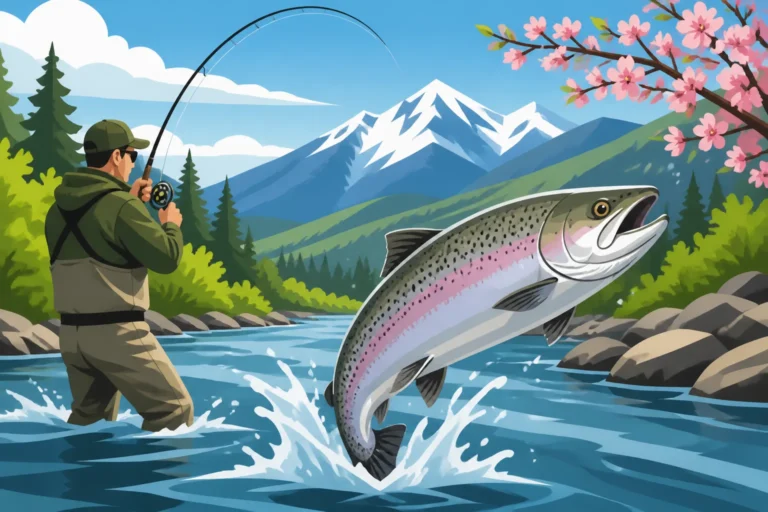
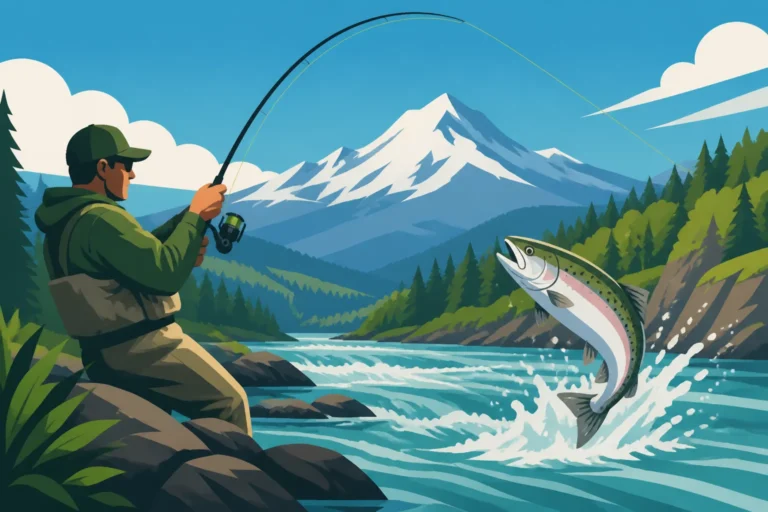
Rufus Woods Lake, a reservoir formed by Chief Joseph Dam on the Columbia River, is legendary for its oversized rainbow trout. While it might be a bit of a drive from Spokane—about two hours northwest—the journey is absolutely worthwhile if your goal is a rainbow that measures in feet, not inches. This isn't your average stocked put-and-take lake where you might catch a 10-inch planter. We're talking about fish that regularly push into the double digits in weight, with some absolute behemoths breaking the 20-pound mark. The unique conditions, combined with dedicated stocking programs, create an environment where these fish thrive and grow to incredible sizes, providing a genuine challenge for any angler. The sheer power of these large trout, especially when hooked in the strong currents of the Columbia, is something you won't soon forget.
What Makes Triploid Rainbows So Special?
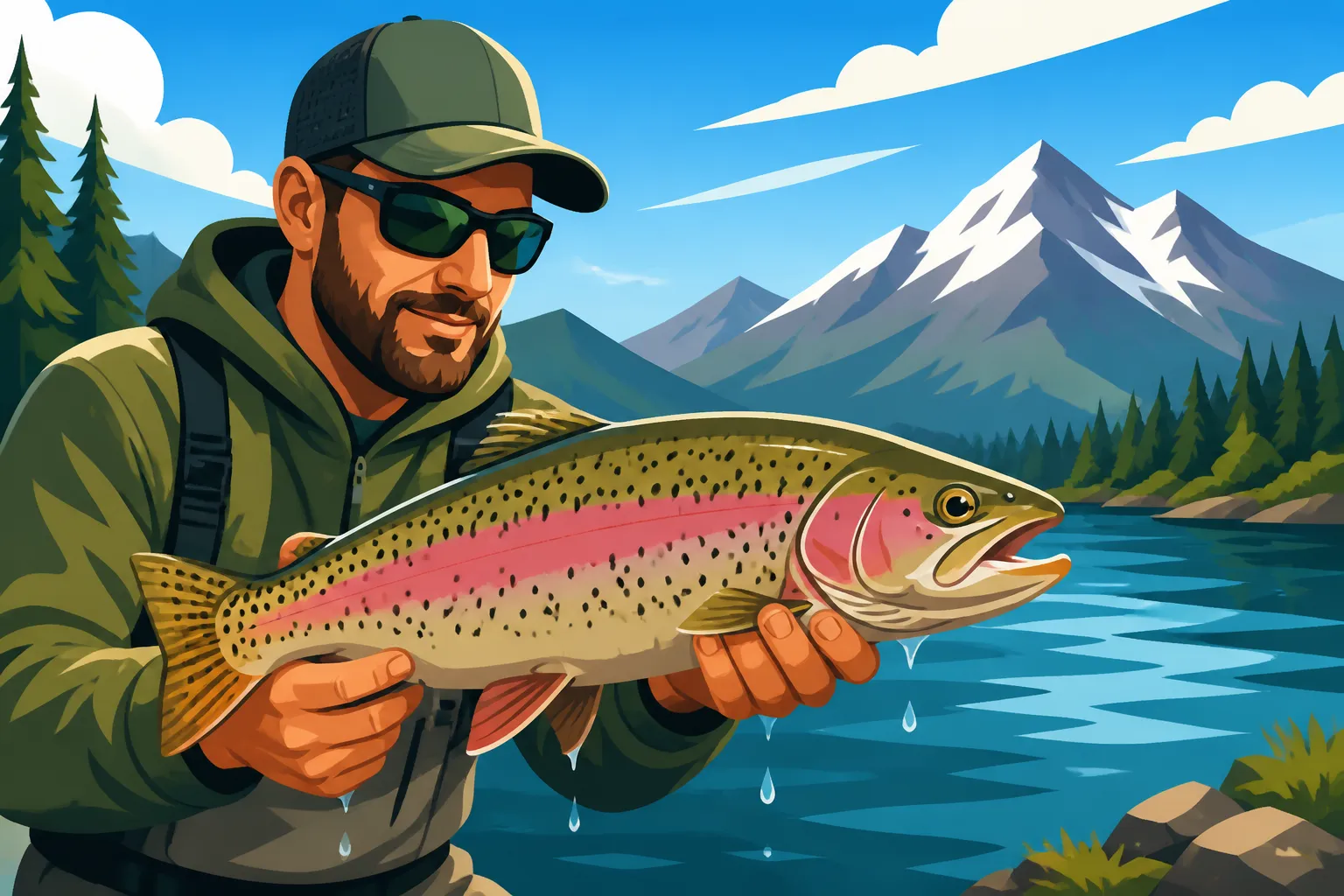
The secret behind Rufus Woods' monstrous rainbows lies largely in the type of fish stocked there: triploid rainbow trout. If you've ever wondered why some hatchery fish grow so much larger than their wild counterparts or even regular stocked fish, this is often the answer. Triploid trout are sterile, meaning they have three sets of chromosomes instead of the usual two. Because they can't reproduce, these fish don't expend energy on spawning activities. Instead, all that metabolic energy is diverted into pure growth. They eat, they grow, and they get big.
Beyond their impressive size potential, triploid rainbows are known for their incredible fight. They are hard-hitting, acrobatic, and possess serious stamina, making them an exhilarating catch. For the trophy hunter, this means not only the chance at a truly massive fish but also a memorable battle to bring it to the net. The focus on these specific fish types makes Rufus Woods a prime destination for those seeking a legitimate trophy rather than just a nice dinner. Understanding this aspect helps to appreciate why the fishery is so special and why it draws anglers from all over.
Essential Strategies for Hooking a Trophy at Rufus Woods
Catching these super-sized rainbows at Rufus Woods isn't about luck; it's about preparation, technique, and understanding the specific habits of these powerful fish. You can't just throw out a worm and expect to hook a 15-pounder (though stranger things have happened!). You need to equip yourself with the right gear and knowledge to succeed.
The Right Gear Makes All the Difference
When you're targeting trout that could potentially weigh more than your average housecat, standard trout gear just won't cut it. You need to beef things up considerably.
- Rods and Reels: Opt for medium-heavy to heavy-action spinning or baitcasting rods, typically 7 to 9 feet long, capable of handling heavy lures and powerful fish. Pair these with robust reels spooled with 20- to 30-pound braided line, which offers incredible sensitivity and strength. A 15- to 20-pound fluorocarbon leader is crucial for abrasion resistance against rocks and invisibility in the clear water.
- Lures and Baits: These big fish aren't shy about eating. Common offerings include large PowerBait setups (globs molded around a treble hook, fished off the bottom), cured salmon or steelhead eggs, and even larger artificial baits like ½ to 1-ounce jigs (often tipped with a piece of worm or shrimp), large spoons, or hefty spinnerbaits. Trolling with large plugs or weighted wedding ring spinners can also be highly effective for boat anglers. For those who prefer bait, a good cured salmon roe or shrimp can be irresistible.
- Seasonal Considerations: While Rufus Woods can produce big fish year-round, spring and fall often see some of the most consistent trophy action. Cooler water temperatures typically make the fish more active and willing to feed aggressively, especially as they bulk up for or recover from winter. Always check the current Washington Sport Fishing Seasons and Emergency Closures for specific regulations that might impact your trip.
Navigating Access and Fishing Techniques
Rufus Woods offers both bank and boat fishing opportunities, each with its own advantages and challenges, particularly given the strong currents and varied bottom structure.
- Bank Access: The areas below Chief Joseph Dam, particularly the "Net Pens" area, are famous for their bank access and the concentration of fish. These fish often gather near the net pens where they were originally raised, creating a hot spot. Other bank access points can be found, but navigation can be tricky. When fishing from the bank, heavy lead weights (often 1-3 ounces or more) are necessary to hold your bait on the bottom against the strong current. Casting jigs or spoons into the current and retrieving them through likely holding areas is another effective bank strategy.
- Boat Fishing: Having a boat opens up vast stretches of the lake and allows you to target submerged structures and deeper holes that bank anglers can't reach. Trolling is a popular and effective method, allowing you to cover water and present lures at various depths. Downriggers are often employed to get baits down to where these deep-water giants lurk. Anchoring in strategic spots and jigging or bottom-fishing with bait is also highly productive. The key is to find current breaks, submerged humps, or drop-offs where fish might ambush prey or rest. Always be mindful of safety on the water, as the Columbia River can have swift currents and changing conditions. For navigating these complex waters, a guided trip can be invaluable. Platforms like FishingBooker can help you find experienced local guides who know the ins and outs of Rufus Woods Lake.
Beyond Rufus Woods: Other Trophy Trout Possibilities
While Rufus Woods Lake might be the undisputed king for trophy rainbow trout near Spokane, Washington offers other fantastic opportunities for landing a truly impressive trout, though they might be a different species or require a slightly longer drive. Diversifying your targets can expand your trophy hunting horizons.
Exploring Lake Chelan for Mackinaw (Lake Trout)
If you're willing to extend your drive a bit further west, Lake Chelan presents a phenomenal opportunity for a different kind of trophy trout: the mighty Mackinaw, also known as Lake Trout. Lake Chelan, stretching over 50 miles, is an incredibly deep and cold glacial lake, providing the perfect habitat for these large, predatory char. While further from Spokane (around a 3-hour drive), the potential rewards are immense.
Mackinaw in Lake Chelan can grow to impressive sizes, with fish regularly caught in the 10-20 pound range, and even larger specimens occasionally landed. They are deep-water dwellers, often found hundreds of feet down, especially during warmer months. This means specialized gear is a must. Heavy trolling rods, powerful reels loaded with braid, and downriggers or heavy lead-core line are essential to get large spoons, plugs, or even cut bait down to their hunting grounds. The techniques often involve slow trolling along deep contours or over submerged structures. Catching a Mackinaw from the depths of Lake Chelan is a unique challenge and a truly rewarding trophy experience. If you’re considering a multi-day trip, finding a guide through FishingBooker who specializes in Lake Chelan Mackinaw can dramatically increase your chances of success and shorten the learning curve on this vast body of water.
Smaller, Stocked Lakes for Consistent Action
While not necessarily "trophy" in the same vein as a 20-pound triploid or Mackinaw, many smaller lakes closer to Spokane are regularly stocked by the Washington Department of Fish and Wildlife (WDFW) and can offer excellent fishing for robust, healthy rainbow trout. These lakes are perfect for a family outing or a quick trip when you can't commit to a long drive, and they often hold some surprisingly good-sized fish.
Lakes like Medical Lake, Clear Lake, and Newman Lake, among others in Spokane County and surrounding areas, receive frequent plants of hatchery rainbows. While most will be in the 12-16 inch range, some carry-overs from previous seasons can grow larger, offering a chance at a "personal best" for many anglers. These fisheries are generally more accessible for bank anglers and often respond well to traditional trout baits like PowerBait, worms, and corn, as well as small spinners and spoons. The key here is consistent action and a high chance of success, making them ideal for honing your skills or introducing new anglers to the sport. They might not deliver the "world record" you find at Rufus Woods, but they provide a fantastic and reliable trout fishing experience close to home.
Planning Your Spokane-Area Trophy Trout Adventure
Embarking on a quest for trophy trout in Washington requires more than just knowing where the big fish swim; it demands careful planning, adherence to regulations, and often, leveraging local expertise. A well-planned trip increases your chances of success and ensures a smooth, enjoyable experience.
Licensing and Regulations: Don't Get Caught Off Guard
Before you even think about casting a line, ensure you're squared away with Washington's fishing regulations. This is paramount, as rules can vary significantly between different bodies of water and even change throughout the season. Nothing ruins a trophy hunt faster than a run-in with a game warden over an overlooked detail.
First and foremost, you'll need a valid Washington fishing license. Whether you're a resident or visiting, understanding the requirements is key. You can learn more about securing your permit in our guide on the Washington Fishing License Guide for Nonresidents or if you're local, your standard resident license. Beyond the license itself, each specific body of water, especially those known for specialized fisheries like Rufus Woods or Lake Chelan, will have its own set of rules regarding bag limits, gear restrictions, and open seasons. It's critical to consult the most current WDFW Sport Fishing Regulations pamphlet or their online resources directly before each trip. Pay close attention to details like Washington Fishing Regulations Every Angler Should Know, daily limits, and any special endorsements that might be required for certain areas or species. For instance, specific gear restrictions might apply in certain river sections flowing into or out of these lakes, or size limits for particular species. Always verify what's current, as these details are updated annually and sometimes with in-season emergency rule changes.
Guided Trips and Local Insights
While DIY trips offer a sense of accomplishment, investing in a guided trip, especially for a trophy species on complex water, can be a game-changer. Guides spend hundreds of days a year on the water, accumulating invaluable knowledge about fish behavior, hot spots, and effective techniques.
A professional guide provides not only the expertise but often the specialized gear necessary for tackling trophy trout—think custom rods, high-end electronics, and proven lure selections that would be expensive to acquire for a single trip. They know the subtle nuances of the water, like current seams on Rufus Woods or thermoclines on Lake Chelan, that are invisible to the untrained eye. For anglers unfamiliar with the area, a guide can significantly shorten the learning curve and maximize your chances of success. They also keep up-to-date on all the latest emergency rule changes and local conditions, ensuring you're fishing legally and effectively.
To find reputable guides in the Spokane area or for specific lakes like Rufus Woods or Lake Chelan, online platforms like FishingBooker are an excellent resource. You can browse various charters and guides, read reviews from other anglers, and compare offerings to find the perfect fit for your trophy trout adventure. Additionally, don't underestimate the power of local bait and tackle shops. These hubs of local knowledge are fantastic for current conditions, what baits are working, and often, recommendations for local guides or even a few tips from the shop owner themselves. Connecting with these local experts is an invaluable step in planning your trophy trout quest.
| Lake Name | Primary Trophy Species | Distance from Spokane (approx.) | Typical Trophy Size | Key Technique | Best Time of Year | Notes |
|---|---|---|---|---|---|---|
| Rufus Woods Lake | Triploid Rainbow Trout | 2 hours (NW) | 10-25+ lbs | Bottom fishing, Jigging, Trolling | Spring, Fall | Famous for giant, sterile hatchery rainbows. Strong currents. |
| Lake Chelan | Mackinaw (Lake Trout) | 3 hours (W) | 10-25+ lbs | Deep water trolling with downriggers, Jigging | Year-round, best in cooler months | Very deep, clear glacial lake. Requires specialized gear for depth. |
| Medical Lake | Larger Stocked Rainbow Trout | 30 minutes (SW) | 1-3 lbs (occasional larger) | PowerBait, Worms, Spinners, Trolling (small) | Spring, Fall | Excellent local option for consistent action, potential larger carry-overs. |
Disclaimer
Fishing conditions and regulations in Washington State can change rapidly due to environmental factors, fish populations, and emergency rule updates from the Washington Department of Fish and Wildlife (WDFW). Always consult the official WDFW regulations pamphlet or website before heading out on any fishing trip to ensure you are compliant with the most current rules and seasons. This guide is for informational purposes only and does not supersede official regulations.