Best Lake Near Seattle for Bass
Oh, the eternal question for us bass anglers living in the urban jungle of Seattle! It can feel like you're surrounded by water, yet finding that prime spot where a lunker largemouth or a feisty smallmouth is lurking can be a real head-scratcher. Between the Puget Sound saltwater, the focus on salmon and steelhead, and the sheer number of people, pinpointing the best bass lake often feels like searching for a needle in a very wet haystack. But don't despair; this guide is going to cut through the confusion and help you discover the absolute best lakes near Seattle where you can actually get your bass fix.
The Quest for Bass Near Seattle: Why It's Tricky
Let's be honest, Washington State isn't exactly famous for its bass fishing in the same way places like Florida or Texas are. When most people think "Washington fishing," their minds immediately jump to Chinook salmon, steelhead, or maybe even those iconic sockeye runs. This regional focus, combined with the unique geography of Western Washington, creates a particular set of challenges for the dedicated bass angler. It's not that the bass aren't here; it's just that you have to know where to look and what to expect.
The Urban Angler's Dilemma
Living in or around a bustling city like Seattle means contending with several factors that can make bass fishing feel more complicated than it needs to be. First, there's the sheer population density. Popular fishing spots can get crowded, especially on sunny weekends. You're often sharing the water with pleasure boaters, kayakers, paddleboarders, and other anglers targeting different species. This means a lot more noise, boat traffic, and sometimes, less pristine fishing conditions. Then there's the relentless development. Shoreline access can be limited by private property, parks, or commercial infrastructure, making bank fishing a challenge unless you know the specific public access points. Finding a quiet cove or a weed-lined bank away from the hustle and bustle requires a bit of local knowledge and sometimes, a boat.
Another frustration is the perception that "good" bass fishing is always miles away, over the mountains in Eastern Washington. While the Columbia River and its tributaries certainly offer fantastic smallmouth opportunities, many anglers don't realize that perfectly respectable, and sometimes even trophy-sized, bass populations thrive right here in Western Washington, often within a short drive of Seattle. The key is understanding these local waters and adjusting your expectations from what you might see on national bass fishing shows.
Understanding Washington's Bass Scene
Washington actually boasts both largemouth and smallmouth bass, though their distribution and preferred habitats differ significantly.
- Largemouth Bass: These are the classic "bucketmouths" we all picture, preferring warm, shallow, weedy waters. In Western Washington, you'll find largemouth in many of the region's smaller, shallower lakes, often those with abundant lily pads, reeds, and submerged timber. They're ambush predators, perfectly at home hiding in cover, waiting for an unsuspecting meal. They're a bit pickier about water temperature and clarity, generally thriving in waters that warm up nicely in the summer.
- Smallmouth Bass: Known for their fighting prowess and preference for cooler, clearer water with rocky bottoms, smallmouth bass are more common in larger, deeper lakes and rivers. While more prevalent in Eastern Washington's mighty Columbia and Snake Rivers, they do exist in certain Western Washington waters. Smallmouth are often found around rocky points, ledges, and drop-offs, preying on crayfish and baitfish. They’re a hard-fighting fish that will test your gear and your angling skills, offering a different kind of thrill than their largemouth cousins.
The Washington Department of Fish and Wildlife (WDFW) manages these fisheries, often stocking trout for recreational purposes, but many lakes also hold thriving, self-sustaining bass populations. Understanding the subtle differences in habitat and feeding behaviors for each species will greatly improve your chances of success, no matter which lake you choose to explore. For general planning, it's always a good idea to check a comprehensive guide like this one on Washington Fishing Seasons: A Month-by-Month Guide to understand what's active when.
Lake Washington: The Obvious (and Often Overlooked) Choice
When people ask about bass fishing near Seattle, Lake Washington should be the first place that comes to mind. It's right on the city's doorstep, a massive body of water that offers incredible diversity. Yet, many anglers overlook it for bass, assuming it's only good for salmon or trout. They couldn't be more wrong. Lake Washington is not only convenient but also home to a fantastic bass population, particularly largemouth, with some impressive smallmouth mixed in.
Why Lake Washington Stands Out for Bass
Lake Washington is a fantastic fishery for several reasons. First, its sheer size means there's a huge amount of habitat. From the shallow, weedy bays on the north and south ends to the numerous docks, submerged structures, and rocky points along its extensive shoreline, there's a perfect bass hideout for every season and every angler. The lake’s diverse ecosystem supports a healthy forage base, including sculpins, perch, and even juvenile salmon, allowing bass to grow to impressive sizes. It’s not uncommon to pull 3-5 pound largemouth, and bigger ones are definitely out there.
The lake also benefits from its relative warmth compared to the deep, glacial lakes further north. While it can be deep in the middle, many of its prime bass zones are shallower, warming up quickly in the spring and holding that heat through the summer and early fall, which is ideal for bass metabolism and activity. Plus, the urban environment provides an abundance of man-made structure – docks, pilings, seawalls – that bass absolutely love to hide around. This structure often holds heat, attracts baitfish, and provides perfect ambush points.
Navigating Access and Fishing Pressure
Access on Lake Washington is generally good, but it mostly caters to boat anglers. There are numerous public boat launches scattered around the lake, including popular ones like Gene Coulon Memorial Beach Park in Renton, Stan Sayres Memorial Park in Seattle, and Kirkland's Carillon Point. These offer excellent access for trailered boats. For those without a boat, shore fishing can be a bit more challenging due to private property, but there are still opportunities. Parks like Seward Park in Seattle, various points along the Burke-Gilman Trail, and the shoreline in Juanita Beach Park in Kirkland offer limited bank access, though you'll often be casting into deeper water. For a good overview of shore opportunities, you might want to read Is Lake Washington Good for Shore Fishing?
Fishing pressure can be moderate to high, especially in popular areas on weekends. Expect to share the water, but with a lake this big, you can usually find less crowded spots if you're willing to explore. Kayak and float tube anglers also do very well, offering a stealthy approach to those docks and weed beds that bigger boats might scare off. If you're considering a kayak, check out Can You Fish From a Kayak on Lake Washington? for more insights. Booking a guided trip through a service like FishingBooker can also be a fantastic way to navigate the lake's vastness and learn the hot spots from a local expert, saving you valuable time on the water.
Seasonal Strategies for Lake Washington Bass
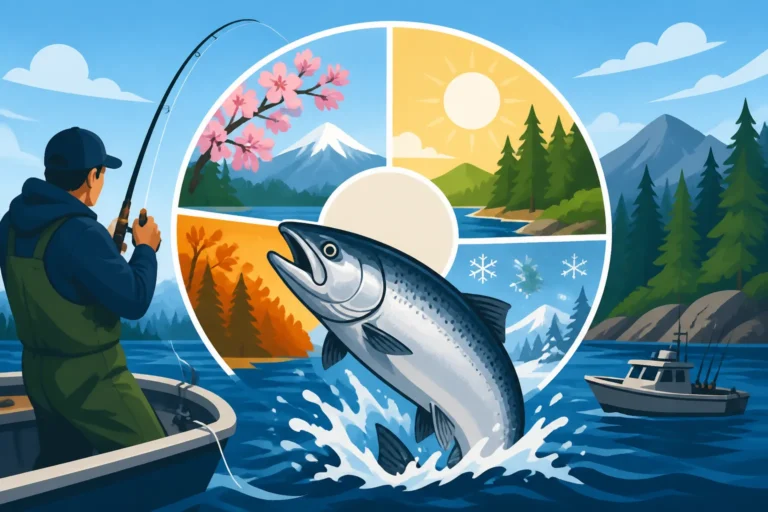
Understanding the seasonal movements of bass in Lake Washington is crucial for consistent success.
- Spring (March-May): As water temperatures climb into the 50s and 60s, largemouth bass move into the shallower bays and flats for spawning. This is prime time for sight fishing and targeting bass aggressively guarding their beds. Focus on the north end of the lake (near the University of Washington) and the south end (Renton, Mercer Island) where weed beds and lily pads are plentiful. Lipless crankbaits, jigs, and soft plastics like senkos are highly effective. Smallmouth will also be moving shallower, hitting rocky points and humps.
- Summer (June-August): When the water is warmest, bass scatter. Some will stay shallow in heavy cover, especially in low light conditions, while others will move to deeper weed lines, offshore humps, and submerged structure. Early mornings and late evenings are best for topwater action. During the day, flip jigs or Texas-rigged worms into thick cover, or use drop-shot rigs and deep-diving crankbaits to target bass holding deeper around docks and ledges. This is also when you'll find Fishing Lake Washington for Trout and Bass, offering diverse opportunities.
- Fall (September-November): As temperatures drop, bass become highly active, feeding aggressively to bulk up for winter. They'll often school up on baitfish. Crankbaits, spinnerbaits, and swimbaits become very effective as bass chase schools of perch and other forage in shallower to mid-depth ranges. Look for them around points and creek mouths.
- Winter (December-February): Bass activity slows significantly. They’ll often hold in deeper water around structure like docks, bridge pilings, or deep rock piles. Slow-moving presentations like jigging spoons, blade baits, or slow-fished jigs can entice bites from lethargic fish. While not typically a "bass hotspot" for tourists, dedicated local anglers can still find success by slowing down their approach.
Beyond Lake Washington: Other Prime Seattle-Area Bass Fisheries
While Lake Washington is undeniably a star, it's certainly not the only game in town. The greater Seattle area, stretching into Snohomish and Pierce counties, is dotted with numerous lakes that hold robust bass populations, many of which offer a slightly different fishing experience or less pressure.
Lake Sammamish: A Hidden Gem for Largemouth
Just east of Lake Washington lies Lake Sammamish, often considered a sister lake but with its own distinct character for bass anglers. While it also holds kokanee and trout, it’s particularly known for its healthy largemouth bass fishery. The lake features extensive residential development with docks galore, as well as several public parks and natural areas with weed beds and submerged structure.
Lake Sammamish is generally shallower than Lake Washington in many of its key bass areas, leading to quicker warming in spring and strong weed growth. This makes it a fantastic largemouth lake, especially for those who love flipping jigs or throwing frogs over matted vegetation. Early mornings and evenings can yield explosive topwater bites near lily pads and emergent weeds. Like Lake Washington, it sees its share of recreational boat traffic, but the bass are there and often eager to bite if you present the right lure. Anglers looking for a true "bass lake" experience will often prefer Sammamish for its excellent largemouth opportunities. You can find more specific details about its mixed fishery in Lake Sammamish, Washington for Kokanee and Bass.
For both Lake Washington and Lake Sammamish, if you're unfamiliar with the waters, consider booking a trip through FishingBooker. They connect anglers with local guides who specialize in bass fishing, which can dramatically cut down your learning curve and increase your chances of a successful outing, especially when targeting specific species like largemouth or smallmouth bass.
Smaller Lakes Worth Exploring
While the big lakes offer vast opportunities, sometimes the best bass fishing can be found in the smaller, less-talked-about lakes. These often have less pressure, more accessible shorelines, and can produce surprisingly large fish.
- Lake Union & Green Lake (Seattle Proper): For the truly urban angler without a boat, these two lakes in the heart of Seattle offer some surprisingly decent fishing. While you might not be catching trophy bass every trip, they are stocked with trout and also hold resident populations of largemouth bass. Green Lake, being smaller and shallower, is great for bank fishing with lighter tackle, perfect for beginners or those just looking to catch a few bass. Lake Union, though deeper and connected to Puget Sound via the locks, also has largemouth around its numerous docks and marinas. These spots are fantastic for a quick evening trip after work.
- Cottage Lake (Woodinville): A bit northeast of Seattle, Cottage Lake is a classic Western Washington largemouth fishery. It’s relatively shallow with good weed growth and plenty of residential docks. This is a great lake for throwing spinnerbaits, chatterbaits, and soft plastics. It’s a bit quieter than the larger lakes and offers a more intimate fishing experience.
- Lake Desire (Renton/Kent): Another smaller lake worth mentioning, Lake Desire is a quiet spot tucked away near Renton. It has a public boat launch (electric motors only) and good largemouth habitat with lots of lily pads and submerged wood. It's an excellent choice for kayak or canoe anglers who want to escape the roaring gas motors of the bigger lakes.
- Lake Tapps (Pierce County): While a bit further south (about an hour's drive from Seattle), Lake Tapps deserves a mention as a premier bass fishery in the region. This large, man-made reservoir offers excellent smallmouth bass fishing, with rocky points, ledges, and deep structure. It's a popular boating lake, but its sheer size and diverse habitat mean plenty of spots for bass anglers. This is a great lake to try your hand at deep-water smallmouth techniques like drop-shotting or tubes. The water here is much clearer and cooler, favoring smallmouth, and offers a different challenge. You'll want to think about Best Lures for Washington Smallmouth Bass when heading here.
When exploring these smaller lakes, be mindful of any specific regulations or motor restrictions. Some, like Lake Desire, are electric motor-only, which creates a more peaceful fishing environment but requires different planning.
Gear, Techniques, and Tips for Seattle Bass
Having the right gear and understanding effective techniques are crucial for success when fishing for bass in the diverse waters near Seattle. Unlike some trout fisheries, bass often require a more strategic approach, adapting to different depths, cover, and forage.
Essential Gear for Urban Bass Fishing
You don't need an arsenal of high-end equipment to start, but a few key items will make a world of difference:
- Rods and Reels: A medium-heavy to heavy casting rod (6'6" to 7'6") paired with a baitcasting reel is ideal for throwing heavier lures, flipping jigs into cover, and managing larger bass. For lighter lures, finesse techniques, or open-water presentations, a medium-action spinning rod (6'6" to 7'0") with a matching spinning reel is invaluable. Having both options covers most scenarios.
- Line: For baitcasting, 12-20 lb fluorocarbon or monofilament is a good all-around choice. Fluorocarbon offers excellent sensitivity and low visibility, while mono has good knot strength and shock absorption. For spinning setups, 6-10 lb braided line with a fluorocarbon leader (6-12 lb) offers incredible casting distance, sensitivity, and strength.
- Lure Selection: This is where it gets fun!
- Soft Plastics: Senkos, creature baits, worms, and swimbaits are incredibly versatile. Texas-rigged, Carolina-rigged, or weightless, they imitate various forage and can be fished in almost any cover.
- Jigs: Flipping jigs and football jigs are essential for targeting bass in heavy cover, around docks, and on rocky bottoms. Pair them with craw or creature trailers.
- Crankbaits: Squarebill crankbaits for shallow, woody cover; medium-diving crankbaits for points and ledges; and deep-diving crankbaits for offshore structure.
- Topwater Lures: Frogs, poppers, and walking baits create exciting surface strikes, especially during low light conditions or over matted vegetation.
- Spinnerbaits & Chatterbaits: Excellent for covering water, especially in windy conditions or stained water, imitating baitfish.
Remember, you don't need every lure on the market. Start with a selection that covers different depths and retrieves, and expand as you learn what works best in your local waters.
Top Techniques for Washington Bass
Successful bass fishing near Seattle often boils down to adapting techniques to the specific environment:
- Flipping and Pitching: This is a go-to technique for targeting bass in heavy cover like lily pads, reed beds, and boat docks. Use a heavy rod, strong line, and a jig or Texas-rigged creature bait. The goal is a quiet, accurate presentation right into the bass's living room. This is particularly effective in Lake Sammamish and the shallower bays of Lake Washington.
- Drop-Shotting: A finesse technique that excels in deeper, clearer waters or when bass are finicky. Use a spinning rod, light line, and a small soft plastic bait rigged above a lead weight. This allows you to keep your bait suspended in the strike zone for extended periods. Great for smallmouth around rocky points or largemouth holding on deeper structure.
- Topwater Fishing: Nothing beats the thrill of a bass blowing up on a topwater lure. Best used in low light conditions (early morning, late evening) or on cloudy days, and especially effective over shallow, weedy areas. Frogs over lily pads, poppers around docks, or walking baits in open water near cover.
- Crankbaiting and Spinnerbaiting: These are excellent search baits. Cast them out and retrieve, covering a lot of water quickly. Use crankbaits to probe different depths and bump off structure, triggering reaction strikes. Spinnerbaits and chatterbaits are fantastic in stained water or around sparse cover, their flash and vibration attracting fish.
- Dock Fishing: In Lake Washington and Lake Sammamish, docks are bass magnets. They provide shade, cover, and often harbor baitfish. Skip jigs or weightless plastics underneath docks, or work spinnerbaits and crankbaits along their edges. Always be respectful of private property.
Maximizing Your Chances: Local Insights
Here are a few tips to give you an edge on the local waters:
- Fish the "High Percentage" Spots: Docks, fallen trees, rock piles, weed lines, bridge pilings, and creek mouths are all prime bass habitat. Look for changes in structure or depth.
- Pay Attention to the Weather: Bass behavior is highly influenced by weather. Cloudy days often mean active fish. Post-frontal conditions usually mean a slower bite, requiring slower presentations. Rain can often stimulate a bite, especially for smallmouth.
- Consider a Guide: If you're new to the area or bass fishing, hiring a local guide, especially one found through platforms like FishingBooker, can fast-track your learning curve. They know the lakes, the patterns, and the productive lures, and can help you avoid common pitfalls. For beginners, understanding the basics is key, so finding a guide who is good with new anglers can be very helpful, as discussed in How to Find a Guide for Beginners in Washington.
- Check Regulations: Always verify the latest WDFW fishing regulations before you head out. Rules can change, and it's essential to be compliant. You can often find current information in Where to Find Current Washington Fishing Rules.
- Learn to Read the Water: Look for signs of baitfish, changes in water color, current, or subtle underwater structure. The more you observe, the better you'll understand where the bass might be holding.
- Go Early or Late: The low light hours of dawn and dusk are often the most productive for bass, especially in pressured waters. The fish are more active, and boat traffic is minimal.
Here’s a quick comparison of our top lakes near Seattle for bass fishing:
| Lake Name | Primary Bass Species | Key Features / Habitat | Best Access for Bass Anglers | General Best Seasons | Notes |
|---|---|---|---|---|---|
| Lake Washington | Largemouth, Smallmouth | Docks, weed lines, rock piles, submerged structure | Numerous public boat launches | Spring, Summer, Fall | Highly diverse, urban setting, can be crowded. |
| Lake Sammamish | Largemouth | Extensive weed beds, lily pads, docks | Public boat launches, some parks | Spring, Summer, Fall | Great for topwater and flipping, less smallmouth. |
| Lake Union | Largemouth | Docks, marinas, seawalls | Limited shore access, kayak/small boat friendly | Spring, Summer, Fall | Convenient for urban anglers, smaller fish, good for practice. |
| Green Lake | Largemouth | Shallow, abundant weeds, park shoreline | Extensive bank access | Spring, Summer | Very accessible for bank anglers, smaller bass. |
| Cottage Lake | Largemouth | Weedy, docks, quiet | Small public launch (electric only) | Spring, Summer, Fall | More serene, good for kayaks/canoes. |
| Lake Desire | Largemouth | Lily pads, submerged wood | Electric motor boat launch | Spring, Summer, Fall | Quiet, excellent for non-motorized boats. |
| Lake Tapps | Smallmouth | Rocky points, ledges, deep structure | Several public boat launches | Spring, Summer, Fall | Further drive, ideal for smallmouth, popular for recreational boating. |
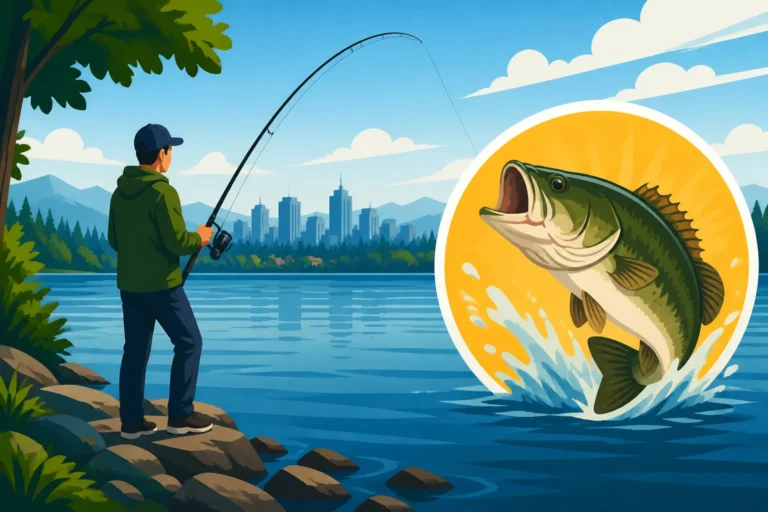
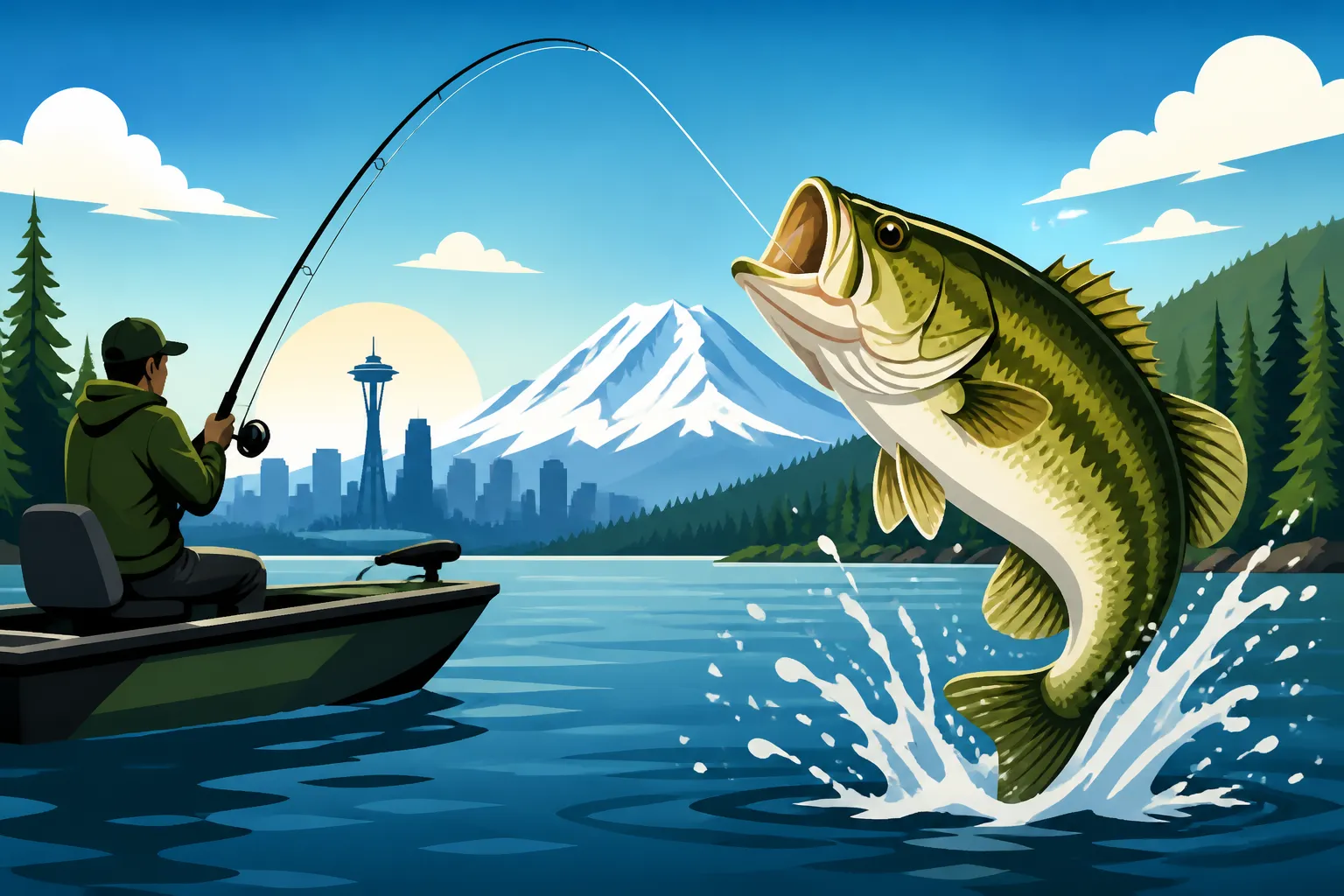
No matter which lake you choose, remember that bass fishing is about patience, persistence, and enjoying the process. The thrill of hooking into a hard-fighting bass right in the shadow of Seattle's skyline is an experience you won't soon forget!
Disclaimer
Please remember that fishing conditions, regulations, and access can change. Always consult the Washington Department of Fish and Wildlife (WDFW) official regulations before heading out on any fishing trip. Be aware of private property boundaries and respect local rules and fellow anglers.