Rockfish Bag Limit in Puget Sound
Fishing in Washington's Puget Sound is an incredible experience, but it comes with a sometimes confusing labyrinth of rules, especially when it comes to certain species. One of the biggest areas of frustration and misunderstanding for many anglers revolves around rockfish, and what exactly the "bag limit" means for them. If you've ever felt a knot in your stomach wondering if you can keep that beautiful rockfish you just reeled in, or worried about accidentally violating a rule, you're not alone. This guide aims to clear up the confusion and give you a comprehensive understanding of rockfish bag limits in Puget Sound, why they're so strict, and how to fish responsibly.
The Harsh Reality: Understanding Rockfish Conservation in Puget Sound
Let's not sugarcoat it: when it comes to rockfish in the vast majority of Puget Sound, the bag limit is effectively zero. This isn't because the Washington Department of Fish and Wildlife (WDFW) wants to make fishing harder, but rather a direct response to a drastic decline in rockfish populations over decades. These incredible fish, many of which can live for 50 to 100 years or even more, are incredibly vulnerable to overfishing. Their slow growth rates, late maturity, and tendency to "barotrauma" (damage from being reeled up from deep water too quickly) mean that once their numbers drop, they take an extremely long time to recover.
Historically, anglers could keep a variety of rockfish species, and these fish were a staple of Puget Sound bottomfishing. However, persistent fishing pressure and their biological vulnerabilities led to significant population collapses across many species, particularly the longer-lived ones like yelloweye, quillback, and canary rockfish. By the early 2000s, it became painfully clear that drastic measures were needed to prevent further decline and to give these populations a fighting chance at recovery. This led to strict regulations, including closures and, eventually, a near-total ban on retention for most rockfish species throughout Puget Sound. It’s a tough pill to swallow for many, but it's a critical step in preserving these fish for future generations.
The "Bag Limit" Is Often Zero: Specific Rules for Puget Sound Rockfish
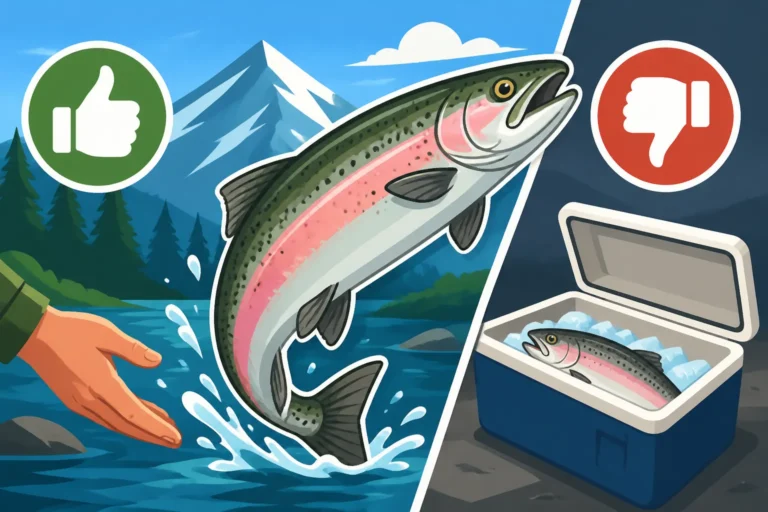
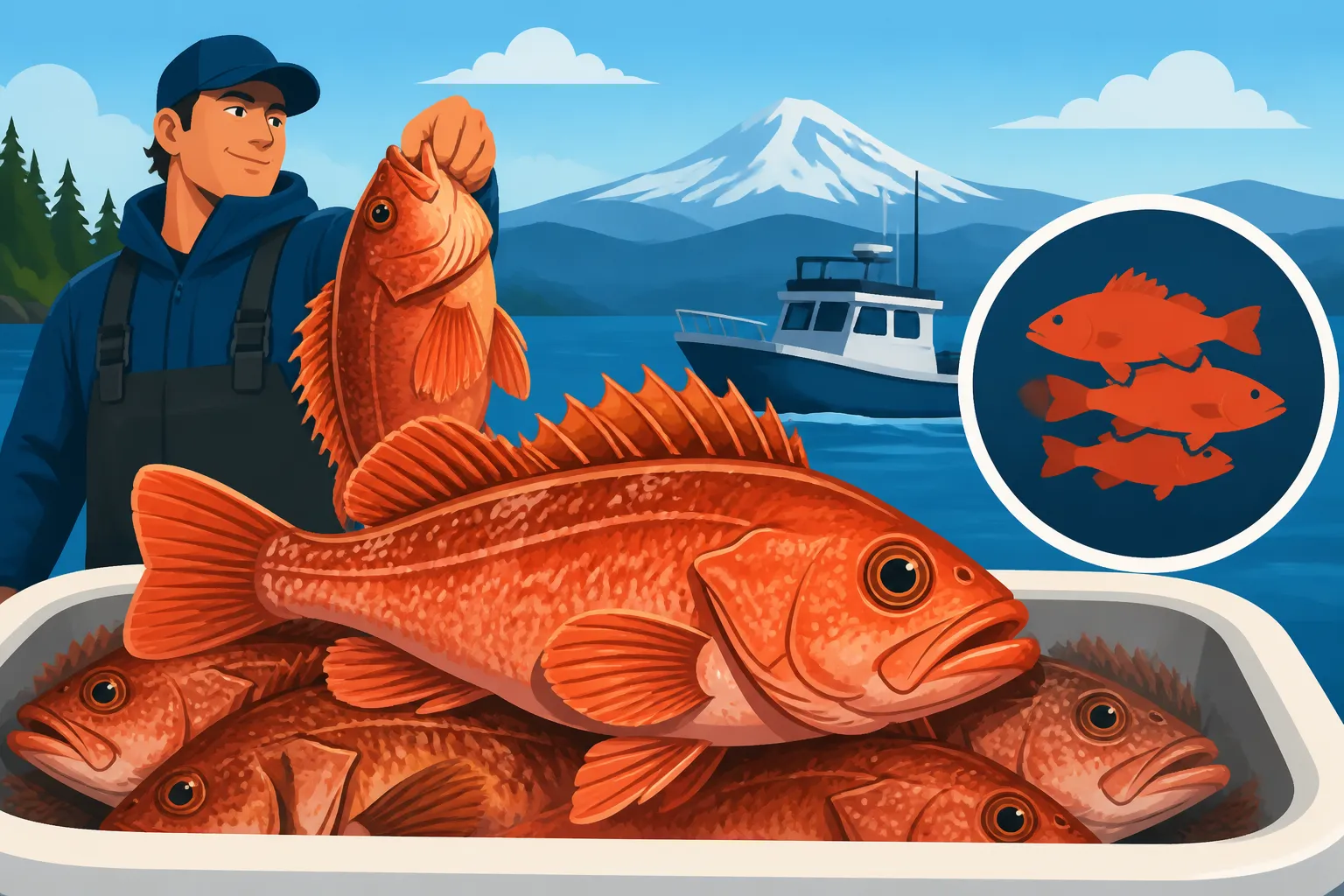
For most of Puget Sound, the official regulation for rockfish is "closed for retention." This means that if you catch any species of rockfish, it must be immediately released unharmed. There are no daily bag limits in the traditional sense because you simply aren't allowed to keep them. This applies to a wide array of species you might encounter, including the highly recognizable yelloweye rockfish, quillback rockfish, canary rockfish, copper rockfish, and many others. These species are considered "prohibited" for retention, and keeping one, even accidentally, can result in significant penalties.
It's vital to remember that not all "bottomfish" are rockfish, and this can be a point of confusion. You might be fishing in an area open for other bottomfish like lingcod or cabezon, and still be strictly prohibited from keeping any rockfish. Always double-check the specific regulations for the marine area you are fishing, as boundaries and rules can be incredibly nuanced. The WDFW fishing regulations pamphlet, which you should always have on hand, will clearly list which species are closed for retention.
In extremely rare instances, and typically outside of the main Puget Sound basin (or in very specific, small, and often temporary openings), there might be a bag limit for "other bottomfish" that might include certain less vulnerable rockfish species, but these situations are highly exceptional and subject to frequent change. For the vast majority of recreational fishing within Puget Sound's Marine Areas 4 through 13, expect the rockfish retention rule to be zero.
Let's look at a general overview of the rockfish retention status for major Puget Sound Marine Areas:
| Marine Area | Primary Rockfish Species Encountered | Retention Status for Most Rockfish | Notes |
|---|---|---|---|
| Marine Area 4 (Neah Bay) | Yelloweye, Quillback, Black, Canary | Catch-and-Release Only | Specific Sub-Areas for "Other Bottomfish" may exist, check rules carefully. |
| Marine Area 5 (Sekiu) | Yelloweye, Quillback, Black, Copper | Catch-and-Release Only | Focus on other bottomfish like lingcod and halibut when in season. |
| Marine Area 6 (Eastern Strait) | Yelloweye, Quillback, Copper, Black | Catch-and-Release Only | Can be productive for other species, but rockfish are protected. |
| Marine Area 7 (San Juan Islands) | Yelloweye, Quillback, Copper, Black | Catch-and-Release Only | Known for diverse bottomfish; rockfish are a major conservation focus. |
| Marine Area 8-1 (Deception Pass/Port Susan) | Yelloweye, Quillback, Copper, Black | Catch-and-Release Only | |
| Marine Area 8-2 (Port Gardner/Everett) | Yelloweye, Quillback, Copper, Black | Catch-and-Release Only | |
| Marine Area 9 (Admiralty Inlet) | Yelloweye, Quillback, Copper, Black | Catch-and-Release Only | A critical area, especially for migrating salmon and baitfish. |
| Marine Area 10 (Seattle/Bremerton) | Yelloweye, Quillback, Copper, Black | Catch-and-Release Only | High boat traffic, urban fishing; conservation is key. |
| Marine Area 11 (Tacoma/Vashon) | Yelloweye, Quillback, Copper, Black | Catch-and-Release Only | |
| Marine Area 12 (Hood Canal) | Yelloweye, Quillback, Copper, Black | Catch-and-Release Only | Unique fjord-like system, but rockfish still prohibited. |
| Marine Area 13 (South Sound) | Yelloweye, Quillback, Copper, Black | Catch-and-Release Only | Shallowest parts of Puget Sound, still under strict rules. |
It's incredibly important to note that this table provides a general overview and fishing regulations, especially for sensitive species like rockfish, are subject to change without much notice due to emergency rule modifications. Always consult the official WDFW regulations for the most up-to-date information before heading out. For a deeper dive, check out our guide on Washington Fishing Regulations Every Angler Should Know If you're wondering What Counts as a Washington Resident for Licensing
Handling Accidental Catches: Releasing Rockfish Legally and Responsibly
Given that most rockfish are catch-and-release only in Puget Sound, knowing how to release them responsibly is paramount. Reeling up a rockfish from deep water, especially 30 feet or more, can cause barotrauma. This is when gases expand in the fish's swim bladder, pushing its organs out of place, causing its eyes to bulge, and making it difficult or impossible for the fish to swim back down on its own. Releasing a fish with barotrauma by simply tossing it back on the surface is almost a death sentence.
This is where a descending device becomes your best friend and, frankly, a mandatory tool if you're targeting bottomfish in areas where rockfish might be present. A descending device is a weighted clip or cage that allows you to safely lower the rockfish back down to the depth from which it was caught. The pressure at depth compresses the gases, allowing the fish to recover and swim away. The WDFW actually requires descending devices to be onboard and readily available when fishing for bottomfish (including halibut and lingcod) in all marine waters. If you're not sure how to use one, or need to get one, there's a detailed explanation in Descending Devices for Rockfish and How to Use One Many effective and affordable descending devices can be found on platforms like Amazon, ensuring you're always prepared.
Here's a step-by-step approach to responsible rockfish release:
- Identify Quickly: As soon as you reel in a fish, identify if it's a rockfish. If it is, and you're in Puget Sound, prepare for release. Keep handling to an absolute minimum.
- Minimize Air Exposure: Do not let the fish flop around on the deck. Get it off the hook quickly, ideally while it's still in the water or just barely out.
- Use a Descending Device: Attach the rockfish to your descending device. This might involve clipping it to the lip or carefully placing it into a cage-like device.
- Lower to Depth: Lower the fish back down to the depth where you caught it. Wait for the fish to show signs of recovery (it might swim off the clip or out of the cage).
- Gentle Release: Retrieve your descending device once the fish has safely swum away.
Remember, the goal is to give that rockfish the best possible chance of survival. Even if you're frustrated by the inability to keep them, respecting these rules is crucial for the future of Puget Sound's delicate ecosystem. You can find comprehensive guides on identifying various species, like Rockfish Species Along the Washington Coast which can also help you determine which fish need to go back. When it comes to fishing supplies, including specialized gloves for careful handling or even waterproof cases for your regulations pamphlet, many anglers find a wide selection available on Amazon.
Navigating Ever-Changing Regulations: How to Stay Compliant
The reality of Washington fishing, especially for species under recovery plans like rockfish, is that regulations can change frequently and sometimes without much advance notice. WDFW employs a system of emergency rule changes to adapt to real-time conservation needs, stock assessments, and environmental conditions. This means that rules published in the annual pamphlet can, and often do, get updated mid-season. Relying solely on a printed pamphlet from January for a trip in August could lead to an unintentional violation.
To ensure you're always compliant with the current rockfish bag limits (or lack thereof) and all other fishing regulations in Puget Sound, it's absolutely essential to check the latest WDFW updates before every single fishing trip.
Here’s how you can stay informed:
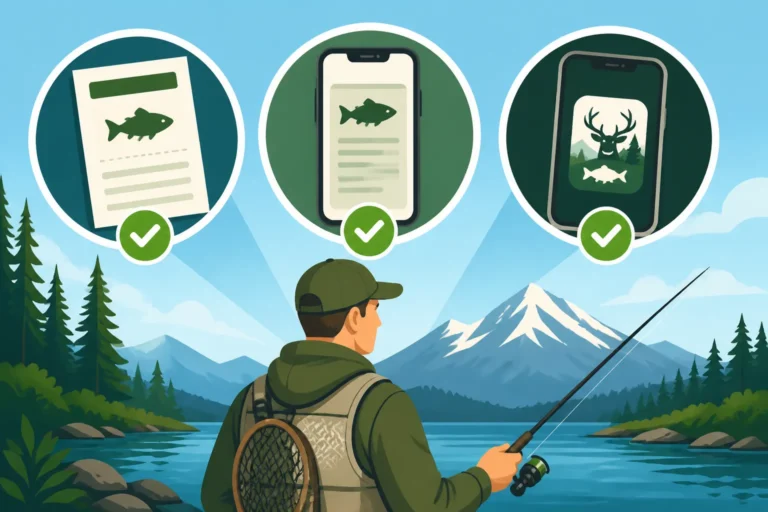
- WDFW Website: The official WDFW website is your most reliable source. Look for the "Fishing Regulations" and "Emergency Rules" sections. These are updated constantly.
- WDFW 'Fish Washington' App: This mobile app is an incredibly valuable tool. It allows you to check regulations by location, species, and marine area directly from your phone. Many anglers also use it for electronic catch reporting, replacing the traditional catch record card for some species.
- Local Tackle Shops: Your local tackle or bait shop often has the most up-to-date information, as they deal with anglers and rule changes daily. Don't be shy about asking questions before you buy bait or head out.
- Sign Up for Email Alerts: WDFW offers email subscription services that will notify you directly of emergency rule changes as they are enacted. This is a must-have for any serious Washington angler.
For more detailed information on why these rules change and how to keep up, check out our post on Emergency Rule Changes: Why Washington's Rules Shift Mid-Season and Where Washington Posts Fishing Rule Changes Always make it a habit to check What to Check Before Every Washington Fishing Trip to avoid any surprises. You can even find waterproof regulation holders or specific Puget Sound area maps that highlight marine areas on Amazon, helping you keep critical information organized and accessible. It's a small investment for peace of mind and staying on the right side of the law.
Disclaimer
Please note: Fishing regulations in Washington State are subject to change. This article provides general information and should not be considered a substitute for consulting the official Washington Department of Fish and Wildlife (WDFW) regulations pamphlet and emergency rule updates prior to any fishing activity. Always verify the most current rules for your specific fishing area and target species.