Daily Halibut Limit in Washington
Trying to figure out the daily halibut limit in Washington can feel like you need a special decoder ring, especially when the rules seem to change more often than the weather. It's incredibly frustrating to plan a trip, get all your gear ready, only to find out the regulations you thought you knew are completely different. This guide is here to cut through the confusion, offering a detailed, easy-to-understand breakdown of Washington's daily halibut limits, why they're set that way, and how to stay on the right side of the law every time you hit the water.
Understanding Washington's Halibut Management Complexities
Let's be honest, the rules around halibut fishing in Washington aren't simple, and there's a good reason for that – though it doesn't make it any less challenging for us anglers! Pacific halibut are a highly prized species, and managing their populations is a delicate balancing act to ensure healthy stocks for future generations. This management involves multiple agencies, from federal bodies like the International Pacific Halibut Commission (IPHC) to our very own Washington Department of Fish and Wildlife (WDFW). They work together to set quotas based on scientific stock assessments, and these quotas are then divided between commercial and recreational fisheries.
The primary frustration for many anglers stems from the fact that these quotas are limited. Once the recreational quota for a specific area is met, or even projected to be met, the season can close with very little notice. This dynamic nature means that the daily limit, while seemingly straightforward, is always tied to the broader health of the halibut stock and the amount of fish that have already been caught by other anglers. It’s not just about a simple number; it’s about a complex system designed to protect a valuable resource. For instance, when you're targeting these prized fish along the coast, understanding the overarching Pacific Halibut Fishing on the Washington Coast framework is key to successful and legal fishing. The Washington Department of Fish and Wildlife’s website is your absolute best friend here, as it's where all those critical updates are posted.
Another layer of complexity comes from the different jurisdictions and management areas. What's legal for halibut in Puget Sound is often completely different from the rules offshore in the Pacific Ocean, which are themselves divided into various marine areas. These distinctions are crucial because they directly impact your daily limit, the open fishing days, and even potential size restrictions. It's not enough to know a halibut limit; you need to know the halibut limit for the exact spot and exact day you plan to fish.
The Nitty-Gritty: Daily Halibut Limits by Marine Area
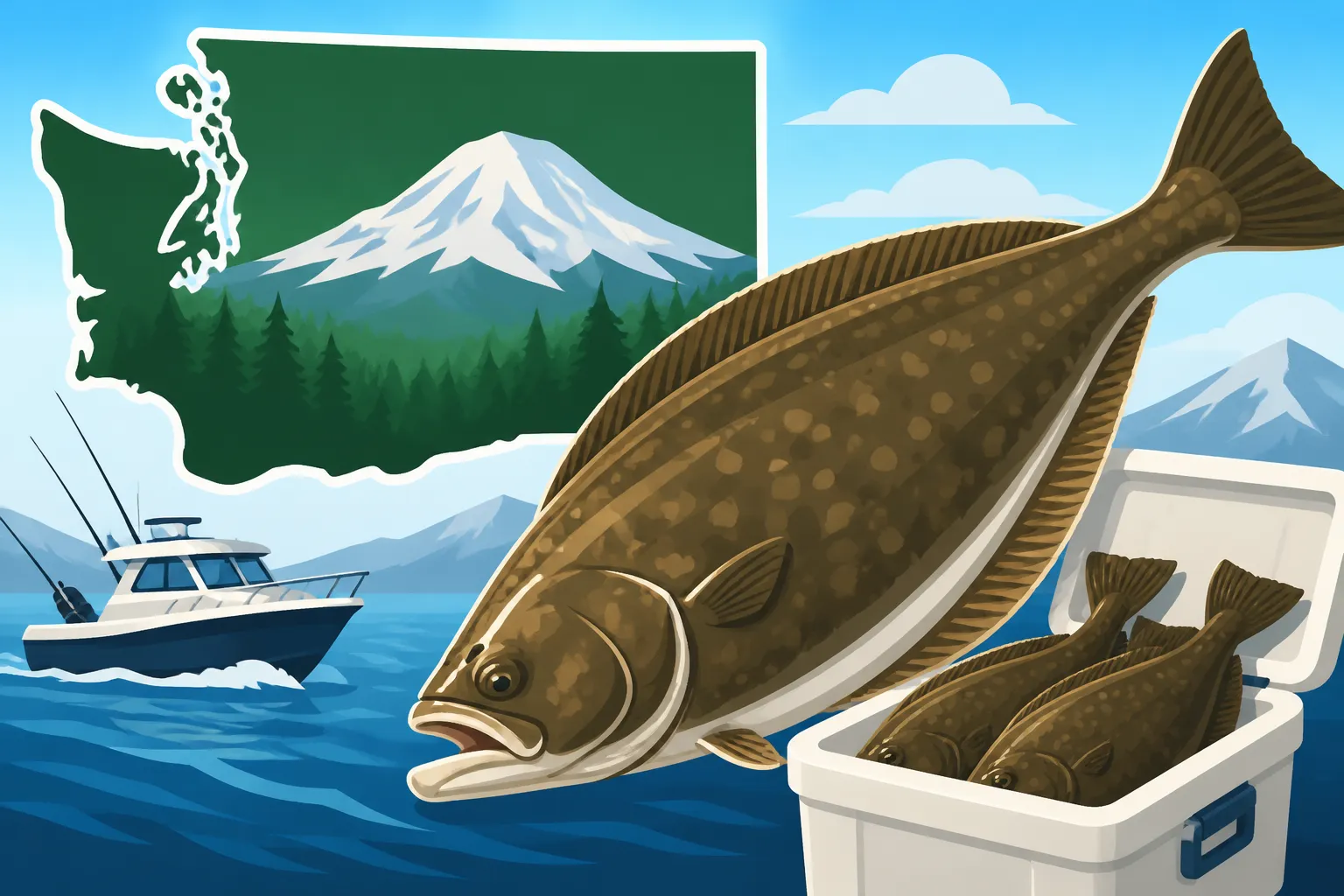
Alright, let's get down to brass tacks: what's the actual daily limit? For most recreational halibut fishing in Washington State, the standard daily limit is one Pacific halibut per person, per day. However, this seemingly simple rule comes with a boatload of caveats depending on where you're fishing. It’s never quite as simple as "one fish." There are often minimum size restrictions, and sometimes, depending on the marine area and specific regulation, even maximum size limits to protect larger, spawning females.
These regulations are broken down by specific Marine Areas, which are designated zones along Washington's coast and within Puget Sound. This is where things get really specific and where a misstep can lead to a violation. Let's look at some typical scenarios, but remember, always check the latest WDFW regulations before you leave the dock, as these can change rapidly due to Emergency Rule Changes: Why Washington's Rules Shift Mid-Season.
For example, in the primary coastal halibut areas like Marine Area 1 (Ilwaco), Marine Area 2 (Westport-Ocean Shores), Marine Area 3 (La Push), and Marine Area 4 (Neah Bay), the daily limit is generally one halibut. These areas are typically managed under strict quotas set by the IPHC, leading to very limited seasons with specific open days. Your ability to catch that single halibut is completely dependent on whether the season is actually open.
Within Puget Sound, including areas like Marine Area 5 (Sekiu and Pillar Point), Marine Area 6 (Eastern Strait of Juan de Fuca), Marine Area 7 (San Juan Islands), Marine Area 8-1 (Deception Pass), Marine Area 8-2 (Port Susan/Everett), and Marine Area 9 (Admiralty Inlet), the daily limit is also typically one halibut. However, these areas often have even shorter seasons or specific restrictions, like depth limits, designed to minimize impact on other bottomfish species. It's a completely different fishery with its own set of challenges.
To help visualize this, here's a general overview of common daily limits by area. Keep in mind this is for illustrative purposes only, and actual rules change frequently!
| Marine Area | General Daily Limit | Typical Size Restrictions | Additional Considerations |
|---|---|---|---|
| Coastal Waters | |||
| Marine Area 1-4 | 1 Halibut | Often 32" Minimum | Very limited open days, quota dependent |
| Puget Sound | |||
| Marine Area 5-10 | 1 Halibut | Varies, Check Regulations | Extremely limited open days, depth restrictions possible |
| All Areas | 1 Halibut | Check Specific Area Rules | Catch Record Card required for retention |
When you're out there, having a measuring device on hand is critical. A flexible, waterproof tape measure, easily found on Amazon, is an absolute must-have to ensure your halibut meets the legal size requirements before it comes into the boat. Don't guess; measure! The Halibut Fishing Techniques for the Washington Coast article provides more detail on how to effectively target these fish while staying compliant. It also helps to remember that your Halibut Possession Limit in Washington often matches your daily limit on the water, preventing you from accumulating multiple days' worth of limits unless specifically allowed (which is rare for halibut).
Navigating Halibut Seasons and Open Days
Knowing the daily limit is only half the battle; you also need to know when you can actually fish for halibut. Washington's halibut seasons are notoriously short and unpredictable, driven by federal quotas and in-season catch monitoring. It's not like trout fishing where you might have a continuous season for months. Halibut fishing is a sprint, not a marathon, and missing the open days means missing the season entirely.
Generally, the halibut season in Washington opens in late spring (often May or June) and is managed on a quota basis. This means WDFW and the IPHC estimate how many halibut can be caught by recreational anglers without exceeding the total allowable catch. Once that quota is met, or projected to be met, the season closes. This often leads to only a handful of specific open days, sometimes just one or two days a week, for a few weeks. The coastal areas, being more productive, tend to have slightly longer but still very restrictive seasons compared to Puget Sound.
Imagine this scenario: You've planned a long-awaited halibut trip out of Westport. You've booked your charter, gathered your gear, and even checked the general regulations online a few weeks ago. But then, a few days before your trip, you check again, and an emergency rule change has closed the season early because the quota was met quicker than anticipated! This happens, and it's a huge letdown. This is why it's so incredibly important to consult the official WDFW website or call their fishing hotline right before you head out. Don't rely on old pamphlets or hearsay.
Our detailed guide on Washington Fishing Seasons: A Month-by-Month Guide touches on the broader fishing calendar, but for halibut, you need laser focus on the specific open dates for your chosen marine area. You'll often see specific dates announced, like "Marine Area 2 will be open for halibut fishing on Thursdays and Saturdays in May until the quota is met." These specific announcements are your marching orders. The article on When Washington's Halibut Season Opens can provide further context on how these dates are typically determined. For those looking ahead, even though dates are dynamic, resources discussing Washington's 2026 Halibut Fishing Days will offer insights into how future seasons are typically structured.
Ensuring Compliance: What Every Angler Needs to Know
Catching a halibut is exciting, but the responsibility doesn't end there. To stay compliant and avoid a costly penalty, there are several crucial steps you need to follow beyond just knowing the daily limit and open days.
Proper Measurement and Retention
Once you've landed your halibut, the first thing to do, after ensuring it meets the minimum size limit (if applicable), is to properly measure it. As mentioned, a flexible measuring tape is indispensable. The length is usually taken from the tip of the lower jaw to the end of the middle of the tail, with the tail compressed. If your fish is undersized, it must be released immediately and with as little harm as possible. This is similar to Catch-and-Release Rules During Wild Steelhead Closures, where the focus is on maximizing survival.
If it’s a legal fish and you decide to keep it, it’s yours for the day. You cannot catch another one once you've retained your limit of one halibut. Any additional halibut hooked must be released immediately, regardless of size. This is a critical point that sometimes trips up even experienced anglers.
Catch Record Card Requirements
For halibut, just like for salmon and steelhead, you must possess a valid Washington Catch Record Card (CRC) if you intend to keep your fish. As soon as you retain a legal halibut, you are legally required to immediately record it on your CRC. This means noting the species, date, and marine area. Failing to do so is a violation, even if you had a license and were within the daily limit. The CRC is a vital tool for WDFW to monitor catch rates and manage quotas. Make sure you understand The Washington Catch Record Card and What It Requires before your trip. For example, knowing Information Required on a Washington Catch Record Card ensures you're prepared.
You can't just toss your CRC into your tackle box and forget about it. It must be accessible and filled out immediately. Many anglers keep their CRC in a waterproof holder or laminated, along with their fishing license. You can find excellent waterproof cases for your license and CRC on Amazon, which can save you a lot of hassle.
Gear and Method Restrictions
While less common for halibut than for salmon or steelhead, be aware that certain gear restrictions might apply in specific marine areas, especially in Puget Sound. These could include restrictions on the number of hooks, specific bait bans, or depth restrictions. Always consult the specific regulations for your chosen Marine Area.
Transporting Your Catch
When you're done fishing for the day and heading back to the dock or home, your halibut needs to be transported in a way that allows enforcement officers to easily verify its species, length, and that it hasn't been tampered with. This usually means keeping it in a whole or recognizable form until you get home or to a processing facility. Filleting your halibut at sea is often prohibited or has specific rules, so check those details carefully. You want to avoid any situation that looks like you're trying to hide an illegal catch or circumvent size limits.
By adhering to these guidelines, you're not only staying within the law but also contributing to the responsible management of Washington's precious halibut fishery. Ignoring these rules can lead to significant Fines and Penalties for Common Fishing Violations, including monetary fines and even loss of fishing privileges, so it's always worth taking the extra time to be sure. It's always a good habit to What to Check Before Every Washington Fishing Trip to avoid any surprises.
Disclaimer
Fishing regulations, especially for highly managed species like halibut, are subject to frequent change. While we strive to provide the most accurate and up-to-date information, it is your responsibility as an angler to consult the official Washington Department of Fish and Wildlife (WDFW) regulations before engaging in any fishing activity. This guide is for informational purposes only and should not be considered a substitute for the official WDFW rule pamphlet or emergency rule updates.