What Happens If a Charter Is Cancelled for Weather
Oh, the sheer excitement of booking that long-awaited Washington fishing charter! You've picked your date, maybe even bought new gear, and dreamt of those Puget Sound salmon or coastal halibut. Then, the inevitable worry creeps in: "What if the weather decides not to cooperate?" It's a valid concern, and one that can cast a shadow over your anticipation. Nobody wants their eagerly planned trip to be washed out, but understanding exactly what happens when a fishing charter is cancelled due to weather can save you a lot of stress and confusion. This guide will walk you through the process, from how decisions are made to what you can expect for your money and your trip.
The Inevitable Reality of Washington Weather and Fishing Charters
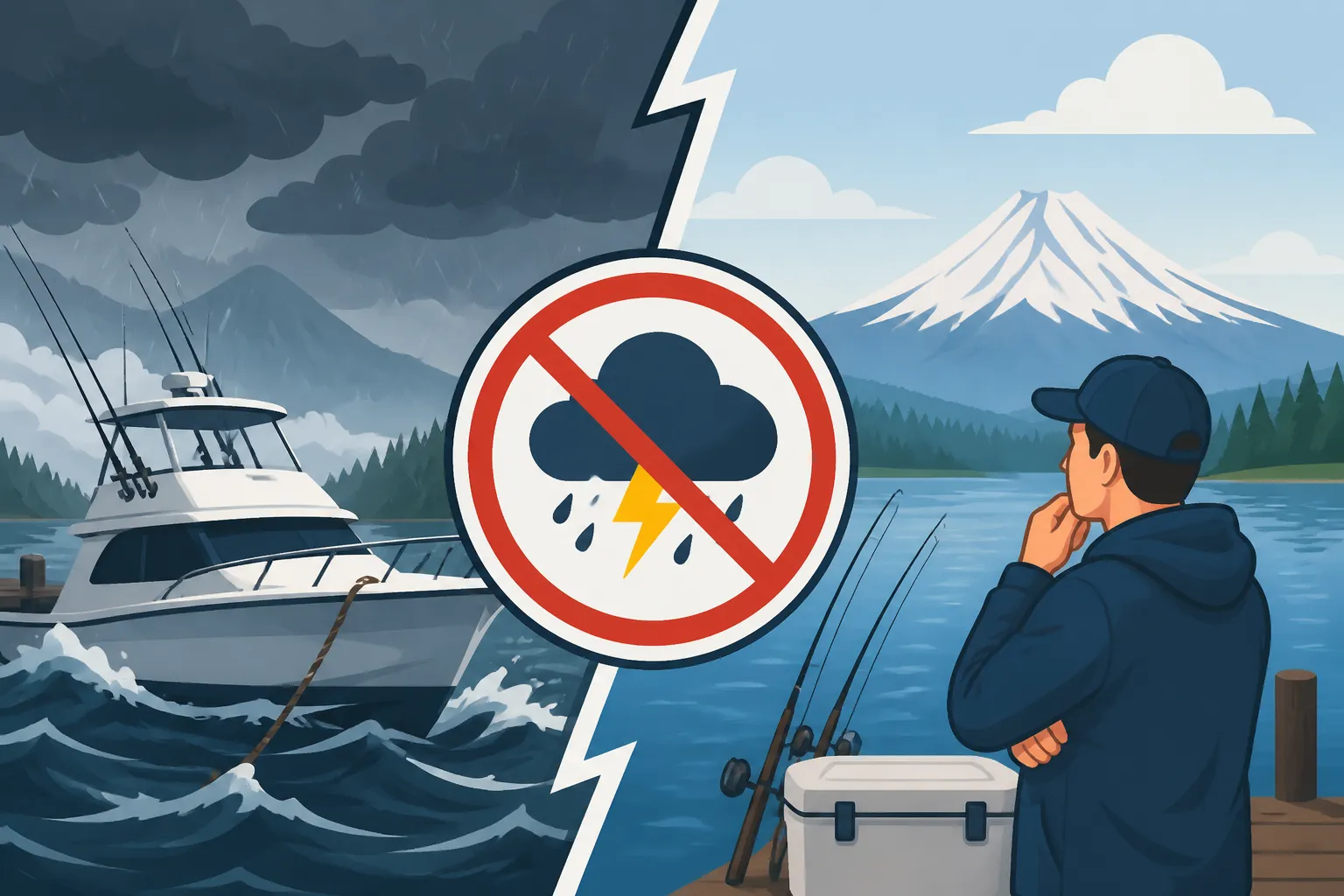
Let's be real: Mother Nature runs the show, especially when you're talking about fishing in a place like Washington State. Our waters, from the protected bays of Puget Sound to the open Pacific Ocean off Westport, can be gloriously calm one day and surprisingly ferocious the next. This unpredictable nature is a core reason why weather cancellations are not just common, but absolutely vital for your safety.
Why Weather Cancellations Are So Common and Necessary
It’s easy to feel a surge of frustration when your phone rings or dings with that "trip cancelled" message, especially if you've traveled a long way or taken time off work. But trust me, no captain wants to cancel a trip. They lose income, and they know you're disappointed. However, their primary responsibility is the safety of everyone on board. Period.
Rough seas, high winds, dense fog, or torrential downpours aren't just uncomfortable; they can be downright dangerous. Imagine trying to navigate through a choppy Strait of Juan de Fuca with waves crashing over the bow, or battling a strong current in a river swollen with rain. Gear can be lost, people can get seriously seasick or even injured, and navigation can become perilous. A responsible captain will always err on the side of caution. It's not about ruining your day; it's about making sure everyone comes home safely. This is particularly true for offshore trips targeting halibut or tuna, where conditions can change rapidly and dramatically. You might feel a pang of disappointment, but ultimately, it’s for the best.
Who Makes the Call: The Captain's Authority
When it comes to deciding if a trip is a go or a no-go, the power almost always rests squarely with the charter captain. It's not typically a democratic vote among the passengers, nor is it based solely on your interpretation of the weather app on your phone. These captains are seasoned professionals; they spend hundreds, if not thousands, of hours on the water. They know their boat's capabilities, the local currents, the specific marine forecast quirks, and the nuances of various wind directions and swell sizes that can turn a "choppy" forecast into a truly miserable (or dangerous) fishing experience.
The captain will typically monitor multiple marine weather forecasts, radar, and often, current buoy readings. They’ll usually make the call anywhere from 12 to 24 hours before the scheduled departure, giving you some time to adjust your plans. Sometimes, for early morning trips or rapidly changing conditions, the decision might even come down to the wire, just a few hours before you're supposed to meet at the dock. This isn't indecision; it's careful consideration for everyone's well-being. Always respect their judgment, even if it's not the news you wanted to hear.
Understanding Charter Cancellation Policies
When you book a fishing charter, you're entering into an agreement, and like any good agreement, it comes with terms and conditions. These policies are designed to protect both you and the charter operator, especially when unforeseen circumstances like bad weather derail plans. It's crucial to understand these rules before you put down a deposit.
The Standard Policy: Rescheduling or Refund Options
For cancellations initiated by the charter captain due to unsafe weather, the vast majority of reputable Washington fishing charters offer one of two options: a full refund or the opportunity to reschedule your trip. This is standard practice in the industry and a sign of a professional operation. Think about it from the charter's perspective: it's not your fault the weather turned sour, and it's not entirely their fault either. Holding your money without offering an alternative would be poor business and even worse customer service.
Many anglers prefer to reschedule, especially if they're local or can easily adjust their travel plans. It keeps the dream alive! If rescheduling isn't feasible for you—perhaps you're a nonresident with a strict travel itinerary, or your vacation window is closing—then a full refund is generally the next step. However, it's always smart to confirm the specific policy when you book. Platforms like FishingBooker often clearly outline these cancellation policies on each charter's listing, making it easier to compare and understand what you're signing up for. This transparency is incredibly helpful when planning your adventure.
Deposits and Payments: What Happens to Your Money
Deposits are a common practice when booking a charter. They secure your spot and provide some assurance to the captain that you're committed. When a captain cancels due to weather, your deposit is typically handled in one of two ways:
- Applied to a Rescheduled Trip: If you opt to reschedule, your deposit usually just rolls over to the new date. This is often the simplest solution for both parties. You keep your place, and the charter doesn't have to process a refund.
- Fully Refunded: If you can't reschedule, the charter should issue a full refund of your deposit. The timeline for receiving this refund can vary, but generally, it's processed within a few business days.
It’s really important to distinguish between a captain-initiated weather cancellation and a customer-initiated cancellation. If you decide to cancel because you don't like the forecast (but the captain deems it safe to fish), or for any other personal reason, your deposit is very likely to be forfeited. Charters often have strict cancellation windows for customers (e.g., 72 hours, 7 days) because they need to fill those spots. An empty boat is lost income for them. Always double-check this when you're booking, particularly if you're worried about your own comfort level in less-than-perfect (but safe) conditions. Reputable booking sites like FishingBooker usually have customer service teams that can assist if there's any confusion about these policies.
| Cancellation Initiator | Reason for Cancellation | Typical Outcome for Angler |
|---|---|---|
| Captain | Unsafe weather conditions | Full refund OR Reschedule |
| Captain | Mechanical issues | Full refund OR Reschedule |
| Angler | Personal reasons | Deposit forfeited |
| Angler | Dislike of forecast (but captain says safe) | Deposit forfeited |
Navigating a Weather-Related Cancellation
So, the unfortunate news has arrived: your Washington fishing charter is cancelled due to weather. Now what? The next steps are all about clear communication and knowing your options to either get your money back or get back on the water.
Communication is Key: What to Expect from Your Charter
When a captain decides to cancel due to weather, their first priority (after ensuring the decision is sound) should be to notify you promptly. Most will reach out via phone call, text message, or email. This is why providing accurate and up-to-date contact information when you book is so critical. You don't want to show up at the dock at 5 AM only to find out the trip was cancelled hours ago!
The message should clearly state that the trip is cancelled due to weather and what your options are. They'll typically offer to reschedule or provide a refund. Don't be shy about asking questions if anything is unclear. For instance, you might want to know if there's an alternative day that looks promising for fishing, or how long a refund might take to process. Sometimes, the conversation might even include details about other local options or changes in fishing patterns, which could be useful if you're trying to re-plan on the fly. You might find some helpful information about general fishing conditions in What to Check Before Every Washington Fishing Trip.
Rescheduling Your Washington Fishing Adventure
Rescheduling is often the preferred option for many anglers, especially if they have some flexibility. It allows you to still experience the joy of fishing in Washington without completely starting over. Here are a few things to keep in mind when trying to rebook:
- Be Flexible with Dates: If your original trip was scheduled for a prime Saturday during a popular salmon run, finding an open slot on another prime weekend might be challenging. Consider weekday options or dates further out. This might mean adjusting your target species; for example, if you were set on early spring Chinook, rescheduling might push you into summer Coho season in Puget Sound. Knowing When Chinook Salmon Run in Washington's Puget Sound and other species' patterns can help you make an informed decision.
- Check the Captain's Availability: The charter operator will have their calendar, and popular guides can be booked solid for weeks or even months in advance. Have a few potential dates in mind that work for you, and discuss them with the captain.
- Consider a Different Season or Location: Sometimes, the weather pattern that cancelled your trip might persist for a few days in that specific area. If you're flexible, you might consider if another area in Washington is fishing better or has more favorable weather. For instance, if ocean conditions are rough off Westport, maybe a river trip for steelhead is an option, although this would likely require a different guide.
- Utilize Booking Platforms: If you booked through a platform like FishingBooker, their customer service team can often assist with finding alternative dates or even other available guides in the area if your original captain is fully booked for your available windows.
Rescheduling can be a bit of a puzzle, but with a bit of patience and flexibility, you can often turn a cancelled trip into a new, successful adventure.
Requesting a Refund: The Process
If rescheduling simply isn't an option for you, then requesting a refund is the next step. The process is usually straightforward:
- Formal Request: While the captain might offer a refund directly, it's always a good idea to formally request it in writing (email is great for this) so there's a record. State clearly that you'd like a full refund due to the weather cancellation and that rescheduling isn't possible.
- Understand Timelines: Most charters will process refunds within a certain number of business days, typically 3-10. Be aware that it might take an additional few days for the funds to appear back in your bank account or on your credit card statement, depending on your bank's processing times.
- Follow Up (Politely): If you haven't received your refund within the expected timeframe, a polite follow-up email or call to the charter operator is perfectly reasonable. If you booked through a third-party platform, you might reach out to their customer support for assistance, as they often have mechanisms to help resolve such issues. In general, honest guides will honor their stated policies, but sometimes things can get overlooked, especially during busy seasons.
It's natural to feel frustrated when plans go awry, but a clear, calm approach usually yields the best results.
Planning for the Unexpected: Tips for Anglers
While you can't control the weather, you can definitely control how prepared you are for a potential weather-related charter cancellation. A little foresight can save you a lot of headache and disappointment.
Checking Forecasts and Staying Informed
It's tempting to obsessively check the weather forecast for your fishing trip, and honestly, a little bit of that is healthy! You can gain a better understanding of potential issues. However, remember that the captain makes the ultimate call. Still, monitoring marine forecasts can give you a heads-up. Sites like NOAA marine weather provide detailed information on wind, wave height, and visibility, which are far more relevant than a general land-based forecast. You can even check buoy data for real-time conditions offshore or in larger bodies of water like Puget Sound.
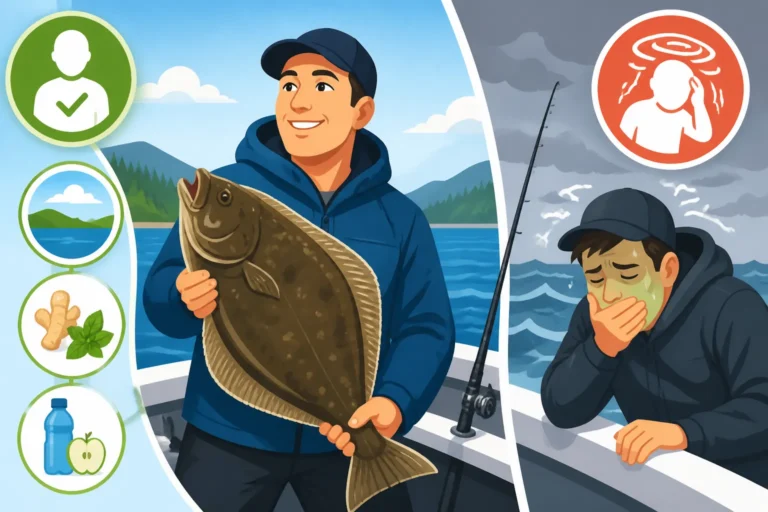
Knowing the typical weather patterns for the time of year you're planning your trip can also be beneficial. For example, winter months on the Washington coast are notoriously rough, while summer can offer long stretches of calm. If you're heading out to sea, be prepared for Is Seasickness Common on Washington Ocean Charters?, even if the forecast looks good. Being aware helps manage expectations and allows you to adjust your travel plans if a cancellation looks likely.
Considering Trip Insurance and When It Makes Sense
For many local anglers, a weather cancellation might mean rescheduling or a refund of the charter fee. But what if you've invested significantly in other non-refundable travel arrangements? This is where trip insurance can be a game-changer, especially for those visiting Washington from out of state or even out of the country.
Trip insurance policies can cover non-refundable flights, hotel accommodations, car rentals, and other pre-paid expenses if your trip is cancelled for covered reasons – which often include weather-related charter cancellations where the charter operator issues a refund. It's usually not meant to cover the charter fee itself if the charter offers a refund or reschedule option, but rather the consequential losses from your travel. This can be particularly valuable if you're flying in and need a Washington Fishing License Guide for Nonresidents and other essentials. Reading the fine print of any insurance policy is crucial to understand what is and isn't covered. For a quick weekend trip, it might not be worth it, but for a meticulously planned, multi-day angling adventure, it could offer significant peace of mind.
What if the Weather is Borderline?
This is where things can get tricky. Sometimes, the weather isn't outright dangerous, but it's far from ideal. Maybe the captain determines it's "fishable but bumpy," or there's a good chance of rain all day. In these scenarios, the captain still makes the call. They might offer you the choice to go, explaining the potential discomfort.
If the captain says it's safe to go, but you're truly uncomfortable with the predicted conditions (e.g., you get very seasick easily), your options might be limited. As discussed, if you choose to cancel when the captain deems it safe, you'll likely forfeit your deposit. This is why having an honest conversation with the captain when booking is so important. Ask them about their threshold for cancellation and how they communicate. Many good guides want you to have a positive experience, not just a safe one, and will try to be as upfront as possible. Always ensure you've asked Questions to Ask a Washington Guide Before Booking to avoid any last-minute surprises or disagreements.
Disclaimer
This article is for general informational purposes only and does not constitute professional advice. Laws, prices and regulations vary by location and change over time. Consult a qualified professional for guidance on your specific situation.