Where to Park to Fish the Green River Gorge
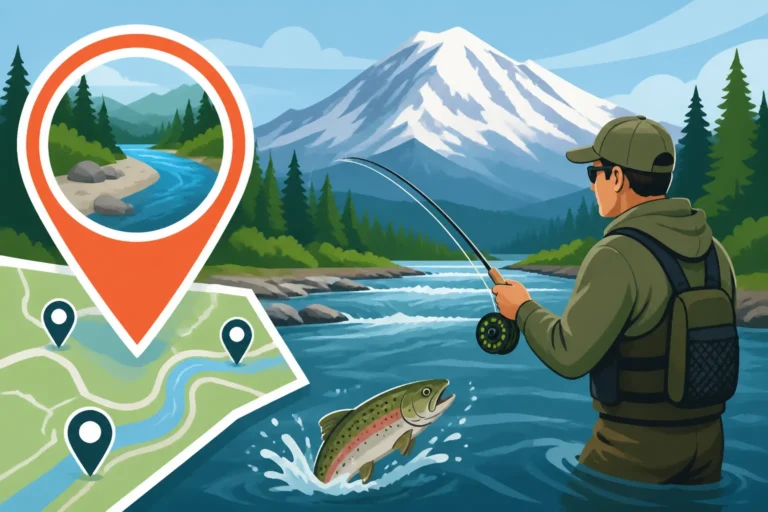
Finding a solid parking spot that grants you access to prime fishing without risking a ticket, a tow, or even worse, a vehicle break-in, is a struggle every Washington angler knows all too well, especially when you're looking to explore a wilder stretch like the Green River Gorge. This guide is here to walk you through the often-tricky world of parking and accessing the Green River Gorge, helping you pinpoint legitimate spots and navigate the unique challenges of this beautiful, yet sometimes unforgiving, fishing destination.
Navigating the Challenges of Green River Gorge Access
The Green River Gorge, with its towering basalt cliffs, lush forest, and vibrant river, is undeniably stunning. It's a true gem for anglers seeking wild steelhead and salmon, but it's not exactly a walk in the park when it comes to access. Many anglers, myself included, have spent frustrating hours driving back and forth, squinting at maps, and trying to decipher ambiguous "No Parking" signs. This isn't your typical drive-up-and-fish kind of place, and understanding why is the first step to a successful trip.
The Rugged Terrain and Private Land Conundrum
One of the primary reasons finding parking and access is so tough along the Green River Gorge is its very nature: it's a deep, narrow canyon. The river is often hundreds of feet below the rim, meaning any access point typically involves a steep, sometimes treacherous, hike down to the water. This isn't always suitable for anglers hauling heavy gear, or for those with limited mobility. Beyond the natural challenges, a significant portion of the land bordering the Gorge is privately owned. You might see what looks like a perfect spot, only to find it blocked by a gate or peppered with "No Trespassing" signs. Respecting private property is paramount, not just to avoid legal trouble, but to preserve good relationships with landowners who might otherwise be inclined to work with anglers.
The combination of dense forest, steep slopes, and private parcels creates a patchwork of legal and illegal access. It's easy to accidentally wander onto private land if you're not paying close attention, or if a trail seems to disappear into the brush. This is why having a clear understanding of designated public access points and recognized parking areas is so vital. It prevents frustration, keeps you on the right side of the law, and ensures you're not inadvertently impacting the experiences of others or the delicate ecosystem.
Security Concerns and Vehicle Safety
Another significant, yet often overlooked, challenge with remote parking areas along the Green River Gorge, and indeed many other secluded fishing spots, is vehicle security. When you leave your car in an isolated pull-off for several hours, it can become a target. Unfortunately, stories of smashed windows and stolen gear are not uncommon in less-frequented areas. This adds an extra layer of anxiety to your fishing trip, which is the last thing you want when you're trying to enjoy the tranquility of nature.
While specific incidents might vary, the general rule of thumb is to never leave valuables in plain sight. Even better, don't bring them at all if you can help it. Having your vehicle broken into can ruin a perfectly good day, not to mention the financial cost and hassle. This isn't to deter you from exploring, but rather to make you aware of the potential risks so you can take precautions and park smart. Sometimes, paying a small day-use fee at a state park is a small price to pay for the added peace of mind that comes with a more secure, monitored parking lot.
Key Public Parking and Access Points Along the Gorge
Despite the challenges, there are indeed established and recognized ways to park and fish the Green River Gorge. It just requires a bit of homework and knowing where to look. These spots offer varying levels of accessibility and experiences, so it's worth familiarizing yourself with each to decide what best suits your angling style and target species.
Flaming Geyser State Park Access
One of the most popular and recognized public access points to the Green River Gorge is through Flaming Geyser State Park, located south of Black Diamond. This park offers designated parking lots, restrooms, and a generally more secure environment than roadside pull-offs. From the parking areas, you can access various trails that lead down to the river. The main trails are usually well-maintained, though some can still be quite steep in sections.
The park itself is quite large, and depending on where you park and which trail you take, you can reach different stretches of the river. Anglers often target salmon and steelhead here, especially during their respective runs. It's a great option if you prefer a more established access point with amenities and a lower risk profile for your vehicle. Just be mindful that because it's a state park, a Discover Pass is required for vehicle access. You can purchase a day pass or an annual pass, which is well worth it if you plan on visiting Washington's state parks regularly for fishing or other recreation. Always check the park's specific rules, as some areas might have restricted access or different regulations for fishing from boats vs banks.
Kanaskat-Palmer State Park and Other Upstream Spots
Further upstream from Flaming Geyser, you'll find Kanaskat-Palmer State Park, which also offers public access to the Green River. Similar to Flaming Geyser, this park provides designated parking, restrooms, and established trails leading to the river. The section of the river flowing through Kanaskat-Palmer can be excellent for trout and sometimes steelhead, depending on the season and specific regulations. Like Flaming Geyser, a Discover Pass is mandatory for parking here.
Beyond these two state parks, public access points become much more sparse and informal. There are a few small, often unmarked, roadside pull-offs along roads that parallel the Gorge, such as Green River Gorge Road itself. These spots are usually just wide enough for a few vehicles and typically lead to very steep, unmaintained social trails down to the river. While they might offer access to less-pressured water, they come with higher risks: precarious parking, potential for vehicle damage, and less security. If you choose to use these, scout them beforehand, park well off the road, and be prepared for a challenging hike. It's crucial to always be on the lookout for "No Parking" signs or private property markers. Many local anglers also use resources like the WDFW's access site maps, which can sometimes highlight small, official access points that aren't widely publicized.
Essential Considerations for Parking Safely and Responsibly
Finding a parking spot is one thing, but ensuring you're doing so safely, legally, and responsibly is another. The unique nature of the Green River Gorge, with its blend of public and private lands, demands a bit more forethought than your average lake or hatchery pond.
Understanding Regulations and Land Ownership
Before you even leave your driveway, it's absolutely crucial to understand the regulations specific to the stretch of the Green River you plan to fish. This isn't just about fish species, bag limits, or Washington Sport Fishing Seasons and Emergency Closures, but also about local access rules. Some areas of the Gorge, while appearing accessible, may be restricted due to tribal lands, private timber company holdings, or municipal water supply protections. Ignoring these can lead to fines, confrontations, or even a ban from the area.
Always consult the official Washington Department of Fish and Wildlife (WDFW) regulations pamphlet and their online resources for the most up-to-date information. Pay close attention to sections specifically mentioning the Green River and its various areas. For instance, specific gear rules might apply, or certain sections might be closed to retention for certain species. Knowing Where to Find Current Washington Fishing Rules is key. If you're planning a trip and want to be absolutely sure about access, sometimes a quick call to the local WDFW office can save you a lot of headache. When in doubt, err on the side of caution and find another spot.
Best Practices for Remote Parking
When using less formal parking areas, such as roadside pull-offs, adopt a few best practices to protect your vehicle and ensure you're not impeding traffic or local residents. First, always ensure your entire vehicle is off the main roadway. This means all four tires are clear of the white line, if not further. Blocked roads can lead to tickets or, worse, safety hazards for others. Second, try to park in a way that minimizes your footprint. Don't block gates or driveways, even if they appear unused.
Consider the value of a visible deterrent. While it won't stop every determined thief, an empty car with nothing visible inside is less appealing than one with bags, jackets, or electronics in view. Some anglers even leave a note on their dash stating they are fishing and will return, though this offers little actual security. The goal is to make your vehicle as unappealing a target as possible. If you're ever in doubt about a parking spot, trust your gut. If it feels risky or looks like it might be private property, it's usually best to find an alternative.
| Parking Location | Accessibility | Amenities | Security Level | Discover Pass Required | Notes |
|---|---|---|---|---|---|
| Flaming Geyser State Park | Easy | Restrooms, trails | High | Yes | Established park access, popular, sometimes crowded. |
| Kanaskat-Palmer State Park | Easy | Restrooms, trails | High | Yes | Similar to Flaming Geyser, upstream access, good for trout. |
| Green River Gorge Rd. Pull-offs | Difficult | None | Low | No | Informal, steep trails, remote, higher risk for vehicle. |
| Local Bridge Crossings | Moderate | Limited | Medium | No (usually) | Small areas, often close to public rights-of-way, verify legality. |
Planning Your Green River Gorge Fishing Adventure
Fishing the Green River Gorge is an experience that many anglers cherish, especially those who appreciate a more rugged, less-crowded environment. But it requires more than just a rod and reel; it demands careful planning, a good understanding of the area, and a healthy dose of respect for nature and local rules.
Gear and Safety for Gorge Fishing
Because access to the Green River Gorge often involves steep hikes and potentially slippery riverbanks, your gear choices are paramount, not just for catching fish but for your safety. Sturdy wading boots with good ankle support and felt or studded soles are non-negotiable if you plan on wading. A wading staff can be a lifesaver on slick rocks or when crossing swift currents. Pack light, but don't skimp on essentials. A small backpack with water, snacks, a first-aid kit, and extra layers is crucial, even on sunny days, as weather can change quickly in the Gorge. Remember, you'll be carrying everything in and out, often uphill.
When it comes to fishing techniques, you'll likely be doing a lot of bank fishing or wading, rather than boat fishing, due to the nature of the Gorge. Techniques like drift fishing for steelhead or plunking for salmon are popular here. For those targeting steelhead, understanding the nuances of techniques like Drift Fishing for Steelhead in Washington Rivers or using appropriate leader lengths for clear water steelhead in Washington can make a huge difference. Always check the river conditions before you go; high water or murky conditions can make wading extremely dangerous and reduce your chances of success.
Working with Guides for Seamless Access
If the thought of navigating unfamiliar roads, deciphering parking signs, and hiking steep trails sounds a bit daunting, especially if you're visiting Washington for the first time, consider booking a guided trip. Local fishing guides who specialize in the Green River Gorge not only know where the fish are but also the ins and outs of legal and safe access points. They often have private access arrangements or knowledge of the most reliable public spots, and they handle all the logistics, including transportation to the river from a designated meeting point.
A guide can be invaluable for beginners or those unfamiliar with the area, providing not only expertise on fishing techniques but also ensuring a smooth and safe trip. Platforms like FishingBooker can help you find reputable local guides who operate on the Green River. This can eliminate all the stress related to parking, property lines, and finding the best water, allowing you to focus purely on the fishing experience. It's often worth the investment for a truly worry-free day on the water.
What to Check Before You Go
Beyond parking and access, a few critical checks before any Green River Gorge trip will make your day more enjoyable and fruitful. Always check the weather forecast for the specific area of the Gorge you plan to visit, as conditions can differ from nearby towns. River flows are also extremely important; high water can make fishing impossible or dangerous, while very low water can concentrate fish in ways that make them difficult to catch or stress them unduly. The USGS streamflow gauges are an excellent resource for real-time river data.
Finally, ensure your Washington fishing license is current and that you have any necessary endorsements, like the Columbia River Salmon and Steelhead Endorsement if you happen to be fishing a section of the Green River that might require it (though the main Green River Gorge is not on the Columbia). Also, remember to carry your The Washington Catch Record Card and What It Requires if you're targeting salmon or steelhead, and know how to fill it out correctly. A little preparation goes a long way in ensuring a memorable and legal fishing adventure in the beautiful Green River Gorge.
Disclaimer
Please be aware that fishing regulations, access points, and land ownership can change. Always consult the latest official Washington Department of Fish and Wildlife (WDFW) regulations and local signage before heading out. This guide provides general information and recommendations but cannot substitute for current official resources. Be respectful of private property and practice Leave No Trace principles.