Why Do Salmon Rules Change in the Middle of the Season?
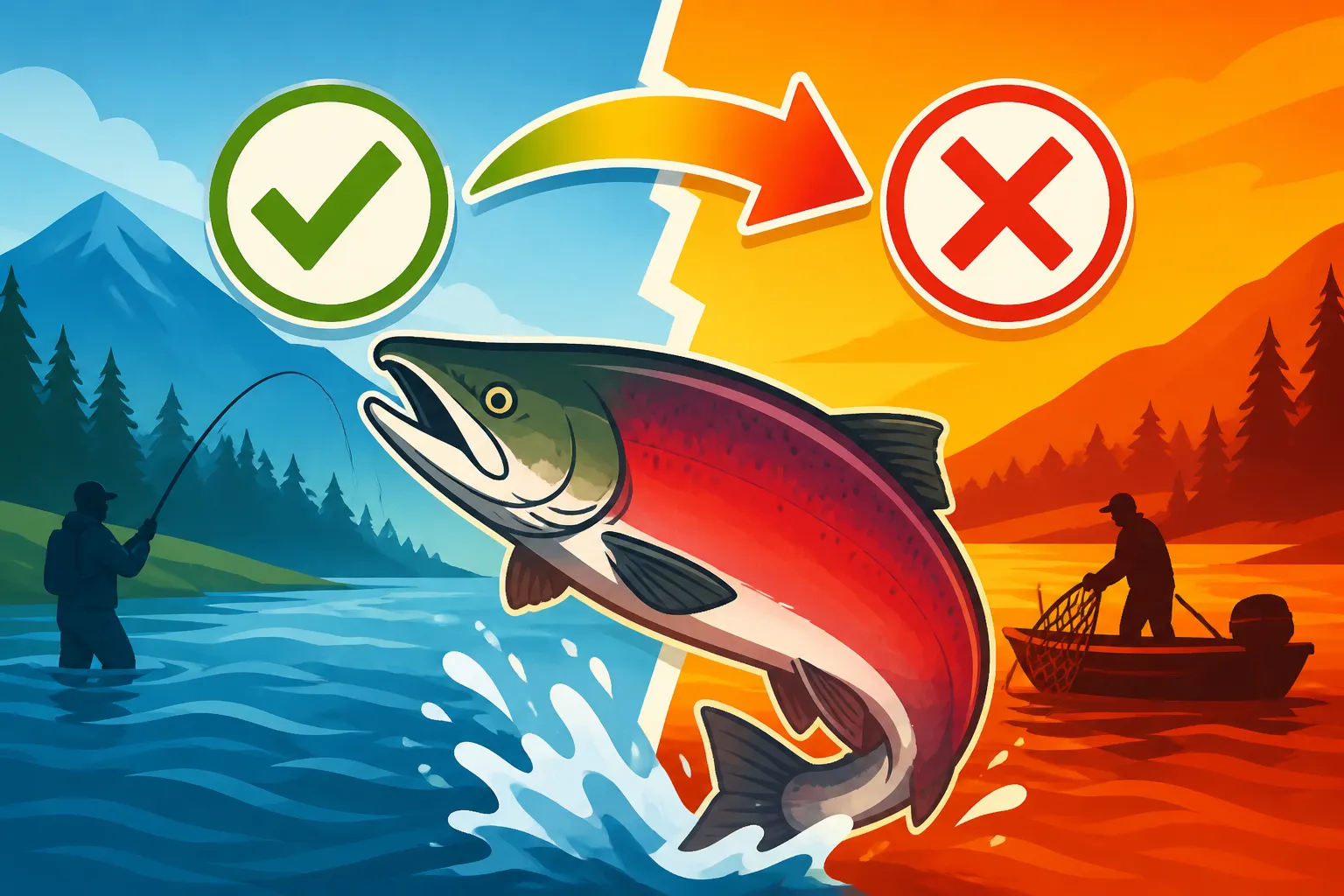
It's incredibly frustrating, isn't it? You meticulously plan your salmon fishing trip, you check the regulations, mark your calendar, and then suddenly, mid-season, the rules change. A fishery you had high hopes for closes, or the bag limits are drastically cut back. This isn't just an inconvenience; it can completely derail your plans and leave you wondering why these changes happen, often seemingly out of nowhere. This guide will dive deep into the complex reasons behind Washington's mid-season salmon rule changes, shedding light on the biological, environmental, and management factors at play.
The Unpredictable Nature of Wild Salmon Runs
The core reason salmon rules often shift mid-season boils down to one simple, yet profoundly complex, truth: wild salmon runs are inherently unpredictable. Unlike a factory assembly line, nature doesn't operate on a perfectly calibrated schedule or output. Every single year brings a unique set of circumstances that affect salmon populations, from their spawning grounds to their journey through the ocean and back to our rivers. This inherent variability makes it nearly impossible to set ironclad rules months or even a year in advance without the risk of either over-harvesting precious stocks or unnecessarily limiting opportunities.
Salmon runs are not just a static number of fish. They're a dynamic, living system influenced by countless variables. Take, for instance, the amount of rainfall we receive in a given year. Low snowpack in the mountains can mean lower river flows during critical migration periods, making it harder for salmon to reach their spawning grounds. Conversely, massive rain events can blow out rivers, making fishing impossible and sometimes altering migration patterns. Ocean conditions are another huge factor. Water temperature, food availability, and predator populations in the Pacific Ocean directly impact how many salmon survive their time at sea and return to Washington's rivers. A few degrees difference in ocean temperature can mean the difference between a robust return and a dismal one, affecting species like Chinook Salmon: Washington's King of Fish or Coho Salmon Fishing in Washington. These subtle, often unseen, environmental shifts cascade into significant impacts on the salmon populations we eagerly await.
Adding to this complexity is the fact that many different stocks of salmon often mingle together in the same marine areas or river systems. Imagine you're fishing in Puget Sound for what you believe are healthy, abundant hatchery-origin coho. However, intermingled with those fish might be small numbers of critically endangered wild Chinook or Puget Sound Salmon Closures: What Washington Anglers Need to Know. Managers have a legal and ethical responsibility to protect these weaker stocks, even if it means restricting fishing for more abundant ones. This "mixed stock" management means that decisions aren't just about the fish you want to catch, but also about the fish you might accidentally catch. It's a constant balancing act, and sometimes, as more accurate information comes in, those balances need to be recalibrated mid-season.
The Science and Strategy Behind Mid-Season Adjustments
So, how do fishery managers with the Washington Department of Fish and Wildlife (WDFW) even attempt to navigate this uncertainty? It’s a process steeped in science, data, and an often agonizing series of decisions. Initially, ahead of each fishing season, WDFW works with tribal co-managers and federal agencies to forecast salmon returns. These forecasts are based on historical data, ocean conditions, spawning escapement from previous years, and sophisticated modeling. They represent the best educated guess about how many salmon are expected to return. Based on these forecasts, initial fishing seasons, bag limits, and gear restrictions are set, often detailed in the annual Washington Sport Fishing Regulations Pamphlet.
However, these are forecasts, not guarantees. As the season progresses, WDFW implements rigorous in-season monitoring programs. This is where "test fisheries" come into play. Test fisheries are essentially controlled fishing operations conducted by WDFW or authorized tribal fisheries in key areas like the mouth of the Columbia River or specific marine areas. They catch a sample of fish, identify the species, determine if they're wild or hatchery origin (often by checking for a clipped adipose fin), and gather crucial data on their numbers. This real-time data allows biologists to compare actual returns against the initial forecasts. If, for example, the test fisheries show significantly fewer fish returning than predicted, or if a particular stock is underperforming, it's a clear signal that the initial plan needs adjustment. You can learn more about Test Fishery Counts and How They Drive Salmon Openings.
This is also where the concept of "escapement goals" becomes paramount. Escapement goals are the number of spawning salmon that must make it back to their native rivers to ensure future generations. These aren't arbitrary numbers; they are scientifically determined thresholds necessary for stock recovery and sustainability. If in-season monitoring indicates that a run is struggling and might not meet its escapement goal, managers are legally and biologically obligated to act. This often means implementing an emergency rule change to reduce fishing pressure, such as closing a fishery early or reducing bag limits to a Daily Limit for Chinook in Puget Sound or a Daily Limit for Coho in Puget Sound. The goal is always to protect the resource first, ensuring there are enough fish to spawn and perpetuate the species for future years. This is part of the ongoing effort to manage Washington Fishing Seasons: A Month-by-Month Guide responsibly.
| Factor Leading to Mid-Season Changes | Explanation | Potential Outcome for Anglers |
|---|---|---|
| Lower Than Forecasted Returns | Initial pre-season forecasts, while scientific, are still estimates. Environmental factors like ocean conditions (food, temperature, predators), river conditions (flows, water temperature), and early return numbers can deviate significantly from predictions. Test fisheries and other monitoring reveal these discrepancies. | Season closure, reduced bag limits, shorter fishing days, gear restrictions (e.g., bait bans, barbless hooks only). |
| Conservation of Weak Stocks | Many healthy salmon runs co-mingle with weaker, sometimes endangered, wild stocks. Even if the target species is abundant, if catching it means an unacceptable impact (bycatch mortality) on a protected stock, rules must change to protect the vulnerable population. | Closures, selective fishing rules (e.g., release all wild fish), area restrictions, timing restrictions. |
| Exceeding Escapement Goals | WDFW has specific escapement goals – the number of fish that must survive to spawn. If in-season monitoring shows a run is falling short of these goals, emergency measures are taken to allow more fish to reach the spawning grounds. | Immediate closures, reduced daily/possession limits, or sometimes a shift from retention to catch-and-release only. |
| Faster Than Expected Harvest | Sometimes, fishing effort or success is much higher than anticipated early in the season, leading to a rapid depletion of the harvest quota. This can happen if conditions are ideal, or if a large number of anglers target a specific run. | Sudden closures to prevent over-harvesting beyond the agreed-upon quota. |
| Unforeseen Environmental Events | Major events like prolonged droughts leading to critically low river flows, widespread disease outbreaks, or significant pollution spills can severely impact salmon survival and migration, necessitating immediate protection. | Emergency closures, total bans on fishing in affected areas, long-term conservation measures. |
Understanding Emergency Rules and Staying Informed
When these in-season adjustments are deemed necessary, WDFW issues what are called "emergency rules." These aren't minor tweaks; they're legal modifications to the existing fishing regulations, and they carry the same weight as the rules printed in the annual pamphlet. The agency has the authority to implement these changes rapidly to protect fish stocks and ensure conservation goals are met. The process involves biologists making recommendations based on data, which then go through an expedited administrative process for approval. This allows for quick, decisive action when the situation demands it. You can delve deeper into Emergency Rule Changes: Why Washington's Rules Shift Mid-Season to understand the mechanics.
The challenge for anglers, of course, is keeping up. These emergency rules are often announced with little lead time, sometimes just days or even hours before they take effect. It's not uncommon to hear stories of anglers driving hours to their favorite river, only to find a closure sign posted. This is why it's absolutely crucial for every angler to know Where to Find Current Washington Fishing Rules. WDFW maintains a dedicated emergency rule change page on their website. It's the single most authoritative and up-to-date source of information. Many experienced anglers check it religiously before every single trip, even if they fished the same spot the day before. Additionally, WDFW often sends out email alerts and posts updates on their social media channels. Local tackle shops and sporting goods stores, like those found on Amazon, are often excellent resources too, as they rely on these updates to inform their customers.
Beyond checking the official WDFW website, subscribing to their email lists is a proactive step. These emails often land in your inbox the moment a change is announced, giving you a heads-up. Some local fishing forums and community groups also do a great job of sharing these updates, though it's always best to cross-reference with the official source. Fishing is a dynamic sport, especially in a state with such abundant and diverse fisheries as Washington. Being a responsible and effective angler means not just knowing how to cast a line or tie a knot, but also understanding that the rules of the game can, and often do, change. It's part of the ongoing dance between enjoying the resource and ensuring its future.
Navigating the Changes: Practical Advice for Anglers
Dealing with mid-season rule changes can be a real headache, but there are ways to adapt and still enjoy your time on the water. First and foremost, cultivate a flexible mindset. The Puget Sound region, the Columbia River, and coastal fisheries are all managed dynamically, meaning the plan you made in January might look very different by July. Instead of fixating on one specific fishery or species, consider having a backup plan. If your favorite river closes for salmon, are there trout lakes open nearby? Or perhaps a different marine area still has open bottom fishing for Lingcod: Washington's Toothy Bottomfish? Diversifying your fishing interests can save a trip from being completely scuttled.
Another smart strategy is to target fisheries known for their stability, if your schedule allows. While salmon rules are highly dynamic, some other fisheries, like those for stocked trout in lakes, tend to have more consistent regulations throughout the season. However, if salmon is your passion, accept that monitoring rules is simply part of the game. Before you even pack your bags, make a quick check of the WDFW emergency rules page, perhaps even calling a local tackle shop to confirm. This simple step can prevent wasted time and gas, and the disappointment of arriving at a closed fishery. Knowing What an Emergency Rule Change Actually Modifies can help you understand the specifics.
Lastly, and this is a big one, understand why these changes happen. It's easy to get frustrated and feel like "they" are trying to ruin your fun. But remember, the individuals at WDFW are often passionate anglers and conservationists themselves. These decisions are rarely made lightly. They are driven by critical scientific data and the profound responsibility to ensure that salmon continue to return to Washington's waters for generations to come. When a river closes or a limit is cut, it's usually because the fish need that protection. By understanding this, we can shift from frustration to a shared sense of stewardship. After all, protecting these incredible fish is in every angler's best interest. For those fishing the massive Columbia River, knowing about Fishing the Columbia in Washington During an In-Season Closure is absolutely vital, as regulations there can be particularly complex and prone to change.
Disclaimer
Please note that fishing regulations in Washington State are subject to frequent change. While this guide provides a comprehensive overview of why rules change, it is essential for all anglers to consult the official Washington Department of Fish and Wildlife (WDFW) regulations and emergency rule updates directly before every fishing trip. This content is for informational purposes only and should not be considered a substitute for official WDFW publications.