Is Bait Allowed on the Columbia River?
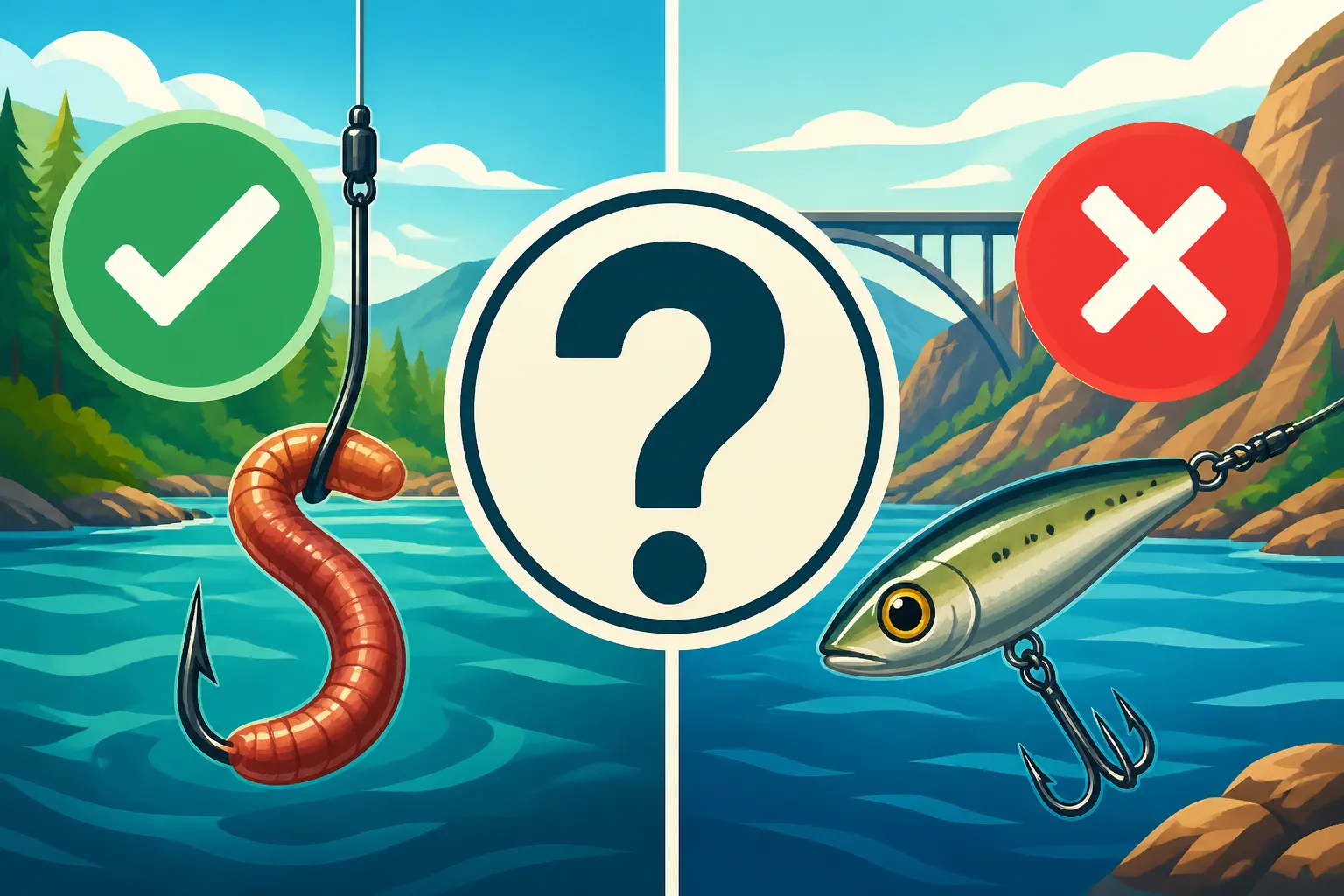
Fishing the mighty Columbia River in Washington can be an absolutely incredible experience, but the sheer size and diverse fisheries mean that regulations, especially around something as seemingly simple as using bait, can feel incredibly complex and frustratingly opaque. Many anglers get caught off guard, worried about making a mistake that could lead to a fine or, worse, impacting fragile fish populations. This guide is here to untangle the web of rules and clarify precisely when, where, and for which species bait is allowed or restricted on the Washington side of the Columbia River, so you can cast your line with confidence and enjoy your time on the water.
The Nuance of Bait Regulations on the Columbia River
The Columbia River isn't just one big fishing hole; it's a dynamic system with countless tributaries, varying water conditions, and different species runs throughout the year. Because of this, blanket statements about bait legality are pretty much useless. What's perfectly fine in one section or for one species in May might be strictly prohibited just a few miles downstream, or even for a different fish type in the same spot, come September. It’s enough to make your head spin, especially for those new to the area or even seasoned anglers who haven't kept up with recent changes.
Why Bait Rules Change
The Washington Department of Fish and Wildlife (WDFW) doesn't just make these rules up to annoy us, I promise. These regulations are meticulously crafted, often changing mid-season, to protect wild fish populations, manage hatchery returns, and ensure sustainable fisheries for everyone. For instance, during critical wild steelhead runs, you'll often see specific sections of rivers, including parts of the Columbia and its tributaries, switch to "no bait" rules. This is because wild fish, especially vulnerable stocks, are more likely to swallow a baited hook deeply, leading to higher mortality rates even if released. Hatchery fish, on the other hand, are often more numerous and can withstand some harvest pressure.
Another reason for rule changes is to manage overall harvest. If a specific salmon run is coming in weaker than expected, WDFW might restrict gear to "barbless hooks only" or implement "no bait" rules to reduce the efficiency of anglers, thereby decreasing the number of fish kept. It's a constant balancing act, influenced by everything from ocean conditions to water levels. Staying informed on Emergency Rule Changes: Why Washington's Rules Shift Mid-Season is crucial for any angler on the Columbia.
General Bait Use vs. Specific Restrictions
Generally speaking, for many resident fish like bass, walleye, and panfish in the mainstem Columbia, bait is often permitted unless otherwise specified. You can usually throw a worm or a prawn out there without a second thought for these species. However, when you start targeting migratory species like salmon and steelhead, that's when the rules get much tighter. These species are highly managed, and the distinction between wild and hatchery fish often drives bait restrictions.
It's common to find regulations that state "bait allowed" for hatchery salmon and steelhead, but require "barbless hooks and no bait" for wild fish or during specific conservation periods. This means you might be allowed to use a cured salmon roe cluster for a hatchery Chinook, but if a wild steelhead picks it up, you're in violation. This level of detail requires careful attention to the specific regulations for the river section you're fishing and the species you're targeting. For a broader understanding of what to expect, take a look at our Washington Sport Fishing Seasons and Emergency Closures guide.
Specific Scenarios: When Bait is Restricted or Prohibited
Navigating the Columbia River's bait rules means understanding the specific contexts in which restrictions apply. It's not just about if bait is allowed, but when, where, and for what. Ignoring these nuances can lead to serious consequences, from a confiscated catch to hefty fines.
Gear Restrictions for Salmon and Steelhead
When it comes to salmon and steelhead, gear restrictions frequently come into play, and bait is often at the forefront of these discussions. Many sections of the Columbia and its tributaries will implement "no bait" rules, especially during periods when wild fish are present or when conservation measures are in place. This often coincides with "barbless hook" requirements, as unbaited lures with barbless hooks are generally considered less harmful to released fish.
For example, imagine you're out on the Lower Columbia targeting fall Chinook. In many areas, cured eggs or prawns are fantastic bait options and completely legal for hatchery-marked salmon. You might pick up some high-quality cured roe or even some prepared scent sprays on Amazon before your trip. However, if WDFW determines that wild steelhead numbers are critically low in a particular stretch, they might issue an emergency rule change making it "no bait, barbless hooks only" for all salmon and steelhead. This means that even if you're specifically targeting hatchery Chinook, if your bait is in the water, you're breaking the rules. Always confirm Barbless Hook Requirements on Washington Rivers before heading out.
Special Rules for Specific River Sections or Seasons
The Columbia River is a massive system, stretching for hundreds of miles through Washington. The regulations can literally change from one bridge to the next, or from one tributary mouth to another. For instance, the mainstem Columbia might have different rules than a major tributary like the Cowlitz or the Snake River, which are often governed by their own specific regulations. You'll also find different rules applying to fishing from a boat versus fishing from the bank in some areas, or even different rules for various marine areas that connect to the Columbia estuary.
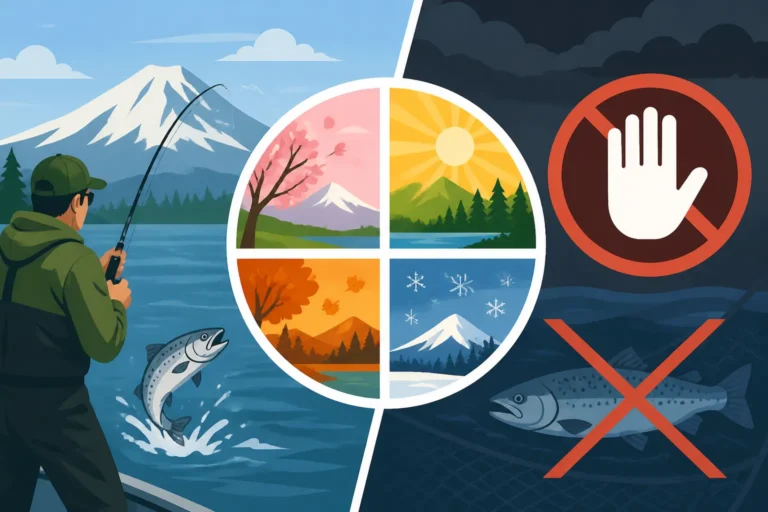
Seasonality is another huge factor. During the popular Buoy 10 fishery at the mouth of the Columbia, where both Oregon and Washington regulations apply, rules for bait and gear can be incredibly intricate, changing multiple times within a season based on test fishery results and run updates. Later in the year, as salmon move further upstream, different pools and sections might open or close to bait fishing depending on local fish presence and management goals. Familiarizing yourself with a general Fishing the Columbia River in Washington: A Complete Overview will give you a good start, but always dig into the specifics for your exact location and date.
Bait Bans for Wild Fish Conservation
Perhaps the most common and impactful bait restrictions are those implemented specifically for the conservation of wild fish. Wild steelhead, in particular, are often subject to "no bait" rules in many rivers and sections of the Columbia. The philosophy behind this is simple: wild fish are too valuable to risk the higher mortality associated with deep hooking on bait. Even with careful handling and barbless hooks, a deeply swallowed bait is far more likely to injure a fish fatally than a lure or fly.
These bans are often seen on rivers designated as wild steelhead "gene banks" or during periods when wild fish are spawning or migrating. For example, some stretches might be catch-and-release only for wild steelhead, and bait is explicitly prohibited to maximize their survival. It’s a necessary measure to protect these precious natural resources. Understanding Washington Bait Bans and When They Apply will help you plan your trips to avoid inadvertently violating these critical rules.
Understanding Legal Bait and How to Stay Compliant
Staying on the right side of fishing regulations on the Columbia can feel like a full-time job, but it's absolutely essential. The good news is that with a bit of proactive research and attention to detail, you can easily ensure your bait choice is legal for your target species and location.
Common Legal Baits and How to Acquire Them
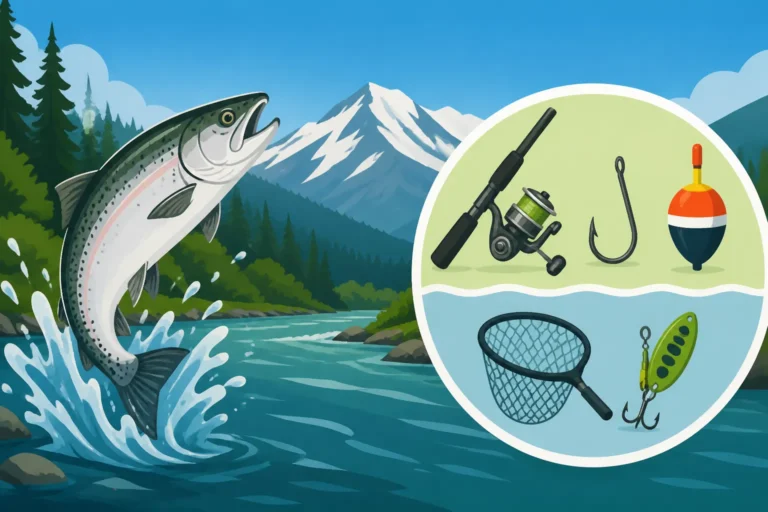
When bait is allowed, the options are plentiful. Here are some of the most common and effective choices you'll find anglers using on the Columbia:
- Cured Salmon Roe: Often called "eggs" or "egg clusters," these are highly effective for salmon and steelhead. You can buy them pre-cured from tackle shops or learn to cure your own. There are tons of different cures, colors, and scents, so experiment!
- Shrimp/Prawns: Fresh or cured shrimp and prawns are excellent choices, especially for salmon. They have a natural scent that fish find irresistible. You can often find them at local grocery stores, Asian markets, or tackle shops.
- Worms/Nightcrawlers: A classic for a reason, worms are universal fish bait. Great for trout, bass, walleye, and panfish. You can dig them up, buy them at any bait shop, or even order a bulk container from Amazon for your worm farm.
- Herring/Anchovies: These baitfish are fantastic for trolling or mooching for salmon, especially in the lower river and estuary where it connects to Puget Sound. They're often brined or frozen and readily available at tackle stores near coastal areas.
- Smelt: Fresh smelt can be a phenomenal bait for a variety of species, particularly for larger predatory fish.
- Artificial Baits with Scent: While technically not "natural" bait, many soft plastics, jigs, and even hard baits are designed to hold or dispense scent, mimicking the allure of natural bait. These can be great alternatives when natural bait is restricted, and you can find a huge variety of them on Amazon.
When using any bait, especially for salmon and steelhead, ensure your hooks are appropriate and meet any barbless requirements. Also, be mindful of where you acquire your bait. Some regulations might prohibit using live bait caught from one water body in another to prevent the spread of disease or invasive species.
Checking Emergency Rules and Regulation Updates
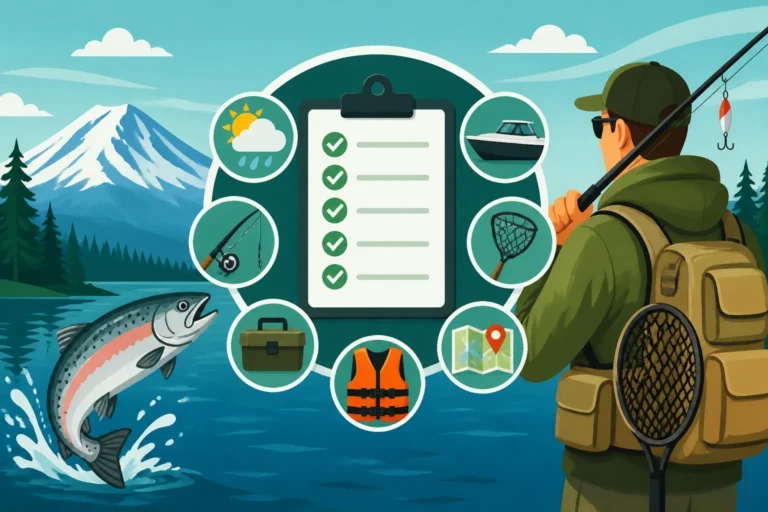
This is perhaps the most critical aspect of staying compliant on the Columbia River. WDFW is constantly monitoring fish runs and environmental conditions, and they issue emergency rule changes frequently. These changes can modify seasons, bag limits, and, crucially, gear and bait restrictions, often with very little notice.
Here’s how to stay updated:
- WDFW Website: The official WDFW website is your primary source. They have a dedicated "Emergency Rules" page that lists all recent changes. This should be checked before every fishing trip, even if you just fished the same spot last week.
- Fish Washington App: Download the Does Washington Have a Mobile Fishing License App?! The WDFW's Fish Washington app is an invaluable tool. It provides real-time access to regulations, including emergency rules, based on your location. It’s like having the regulation pamphlet always updated in your pocket.
- Local Tackle Shops: The folks who work at local tackle shops, especially those right on the Columbia, are usually incredibly knowledgeable about current rules and conditions. They live and breathe this stuff and can offer insights you won't find anywhere else.
- WDFW Regulation Pamphlet: While the printed pamphlet is a good starting point for general rules, it becomes outdated quickly on the Columbia due to emergency changes. Always cross-reference it with the online emergency rules. Learn more about Reading the Washington Sport Fishing Regulations Pamphlet.
Remember, ignorance of the law is no excuse. It's your responsibility as an angler to know the current rules.
The Role of the Washington Sport Fishing Regulations Pamphlet
The annual Washington Sport Fishing Regulations pamphlet is the foundational document for all fishing rules in the state. It outlines the general statewide rules, defines specific game fish, and then breaks down regulations by geographical area, including the Columbia River. While it's a great starting point for understanding Washington Fishing Regulations Every Angler Should Know, remember its limitations, especially for a dynamic river like the Columbia.
The pamphlet will tell you which species are present, general season dates, and default gear rules. For instance, it might state that bait is allowed for Walleye in the mainstem Columbia year-round. However, it will not contain the latest emergency rule changes that might have been implemented last Tuesday affecting salmon and steelhead in a particular pool. Always use the pamphlet as a guide, but supplement it with real-time updates from the WDFW website or the Fish Washington app, especially if you're targeting migratory species.
Practical Tips for Bait Fishing on the Columbia
Now that you've got a handle on the rules, let's talk about making the most of your bait fishing opportunities on the Columbia when it's legal. Bait fishing can be incredibly effective, often out-producing artificial lures, especially when fish are lethargic or the water is off-color.
Rigging for Success with Bait
Effective bait presentation is key to success. Here are a few common and highly effective rigging methods for bait fishing on the Columbia:
- Bottom Bouncing/Drift Fishing: This is a go-to for salmon and steelhead in rivers. You'll typically use a slinky weight or pencil lead to get your bait (cured eggs, shrimp, sand shrimp, worms) down to the bottom, allowing it to tumble naturally with the current. The leader to your bait is usually 18-36 inches long. This method is often detailed in guides like Back-Bouncing Roe for Steelhead, Explained or How to Plunk for Salmon on a Washington River.
- Plunking: This static method involves casting a heavy weight (often a pyramid sinker or a special "Spinfish" type weight) into a holding area and letting your bait (usually a large cured egg cluster or a whole prawn) sit on the bottom. It’s often used in high-flow areas or when fishing from the bank.
- Bobber and Jig/Bait: For fishing in slower currents or targeting specific depths, a bobber rig can be very effective. A weighted jig or a bare hook with bait (worms, shrimp, eggs) is suspended under a float, allowing it to drift through productive seams and eddies.
- Trolling with Baitfish: In the lower Columbia and estuary, especially during salmon season, trolling with whole or cut baitfish like herring or anchovies is a staple. These are often rigged on "rotators" or with special bait holders to give them an enticing spin.
- Sturgeon Rigs: For those targeting white sturgeon on the Columbia, bait is almost always king. A simple Carolina rig with a heavy weight and a stout hook baited with anything from herring, anchovies, lamprey, or even sand shrimp can be incredibly effective. Make sure you check Where to Fish for Sturgeon on the Columbia for spots, and remember that sturgeon fishing is almost entirely catch-and-release.
No matter your rig, always use quality line and hooks. And consider using scent gels or sprays to enhance your bait – a good scent can make a mediocre bait fantastic. You can find a huge array of scent options, including Pro-Cure and Mike's brand, readily available on Amazon or at any good tackle shop.
Alternative Lures When Bait is Restricted
When bait is off-limits, it doesn't mean your fishing day is over! Many artificial lures are incredibly effective on the Columbia River for salmon, steelhead, and other species.
- Spinners and Spoons: Classic metal lures like Blue Fox Vibrax spinners or Little Cleo spoons are fantastic for steelhead and salmon. They provide flash and vibration that fish key in on.
- Jigs: Marabou jigs, often tipped with a piece of prawn (if allowed), or even bare jigs, are deadly for steelhead and salmon. Colors vary by water clarity, but pink, orange, chartreuse, and black are common producers.
- Soft Plastics: These versatile lures can mimic worms, grubs, or small baitfish. Rigged on a jig head or a worm hook, they can be highly effective for bass, walleye, and even trout.
- Plugs and Waffle Lures: Diving plugs like Kwikfish, Hot Shots, or Mag Lips are widely used for back-trolling for salmon and steelhead. Their erratic action and vibration can trigger aggressive strikes.
- Flies: For fly anglers, the Columbia and its tributaries offer incredible opportunities. Spey flies, nymphs, and streamers are used to target steelhead, trout, and even salmon when fly fishing is permitted.
Always be prepared to switch your gear if regulations change or if bait isn't producing. Carrying a variety of artificial options can save your fishing trip when conditions or rules shift.
Disclaimer
Please remember that fishing regulations, especially on a dynamic system like the Columbia River, can change frequently. While this guide provides comprehensive information, it is not a substitute for checking the latest official Washington Department of Fish and Wildlife (WDFW) regulations before each fishing trip. Always consult the current WDFW Sport Fishing Regulations pamphlet and the WDFW emergency rule updates online or via the Fish Washington app to ensure compliance. Ignorance of the law is not a defense for violations.