What a Bait Ban Actually Restricts in Washington
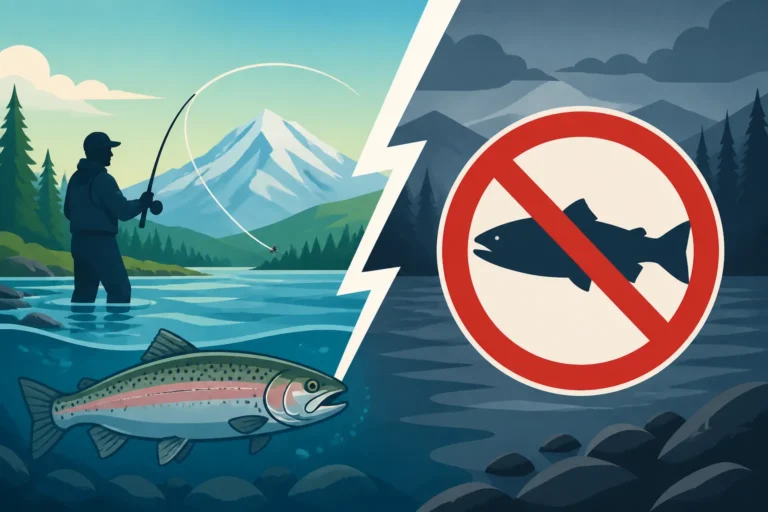
It’s happened to all of us. You’ve packed up your gear, driven for hours to your favorite fishing spot in Washington, full of anticipation for a great day on the water, only to arrive and see that dreaded little sign or notice: "Bait Ban in Effect." Suddenly, your carefully planned trip is thrown into disarray, your go-to techniques are off-limits, and you're left wondering what on earth you can actually use. This guide is here to unravel the mystery of bait bans in Washington, explaining precisely what they restrict, why they're put in place, and how you can still have a successful, compliant day of fishing.
Understanding the Scope of a Bait Ban in Washington Fishing
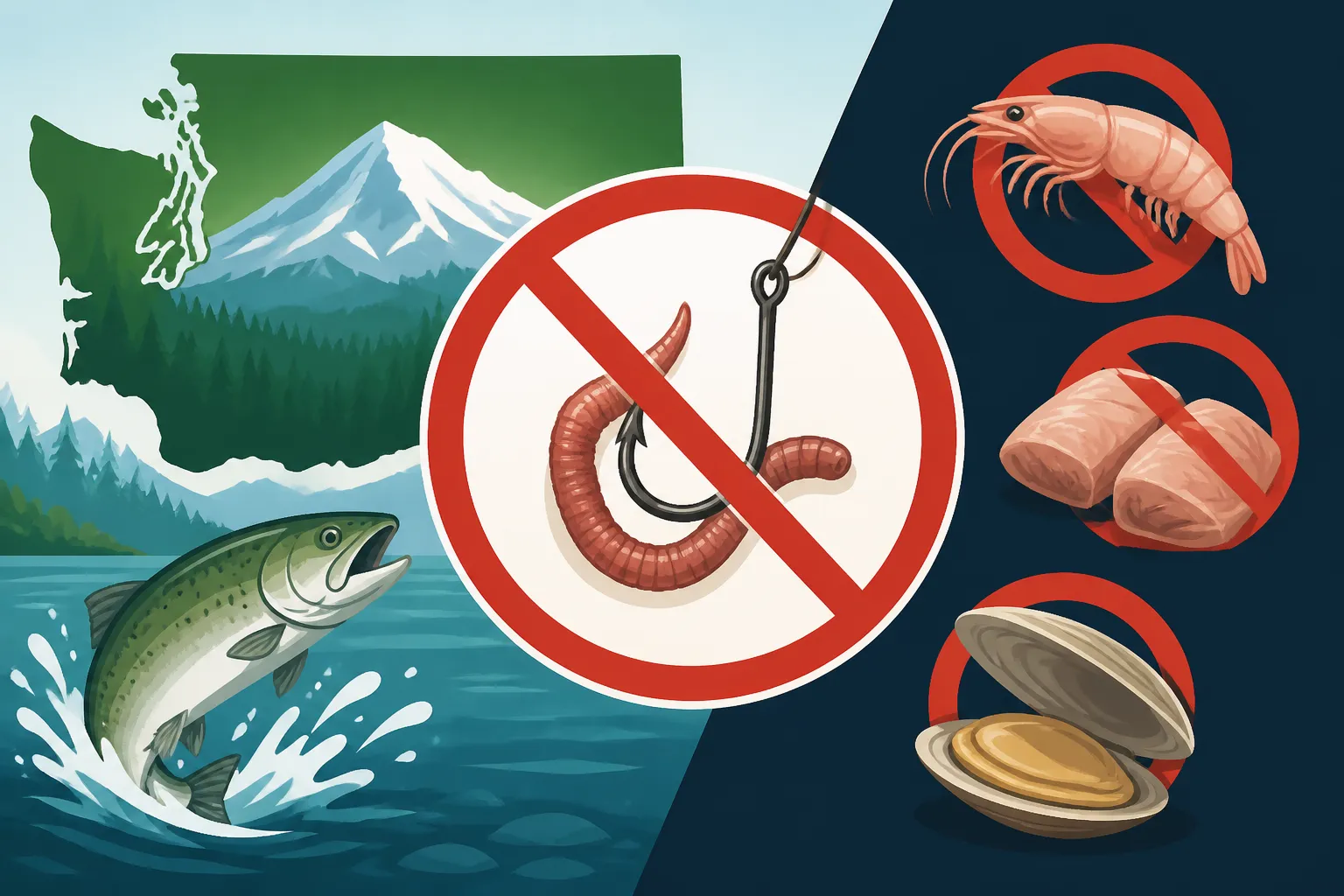
The term "bait ban" might sound straightforward, but its implications for anglers in Washington can be surprisingly complex. At its core, a bait ban restricts the use of any natural or artificial substance that imparts an odor or flavor designed to attract fish. This isn't just about worms or cured eggs; it's a broad definition that touches on many common fishing practices.
What "Bait" Truly Means to WDFW
When the Washington Department of Fish and Wildlife (WDFW) issues a bait ban, they're not just vaguely suggesting you avoid certain items. They have a very specific definition of what constitutes "bait." Generally, it refers to any substance, natural or artificial, that is intended to attract fish by means of scent or taste. This definition is crucial because it goes beyond the obvious. For example, a piece of cured roe (salmon eggs) is clearly bait. But what about a soft plastic worm infused with fish scent? Or a shrimp fly with a tiny dab of attractant gel? Yes, these would also fall under the bait ban. The key factor is the attraction by scent or taste. If it smells like food or tastes like food to a fish, it’s bait. This can be frustrating because many modern lures incorporate these elements, and anglers need to be diligent about checking the regulations for each specific area and season.
Immediate Impact on Your Fishing Strategy
Imagine you're targeting salmon on a river like the Cowlitz. Typically, you might be drift fishing with cured roe or even bobber dogging with a prawn. If a bait ban comes into effect, those tried-and-true methods are immediately off the table. This isn't just a minor inconvenience; it forces a complete pivot in your approach. Your tackle box, which might be filled with jars of Pautzke's or Pro-Cure, suddenly has a lot of unusable items for that specific fishery. It means you'll have to rely solely on visual attractants and presentation rather than scent trails. This shift can be challenging, especially for those accustomed to the effectiveness of natural baits. For those planning a trip, understanding these rules beforehand is paramount to avoiding disappointment and potential fines. Always consult the Washington Fishing Regulations Every Angler Should Know before heading out.
Why Washington Implements Bait Bans: Conservation and Selective Fishing
Bait bans aren't arbitrary rules designed to make your life harder; they are critical tools used by WDFW for fisheries management, primarily focused on conservation and promoting selective fishing practices. These rules are put in place to protect vulnerable fish populations, especially wild stocks, and to ensure the long-term health of Washington's diverse aquatic ecosystems.
Protecting Vulnerable Wild Fish Stocks
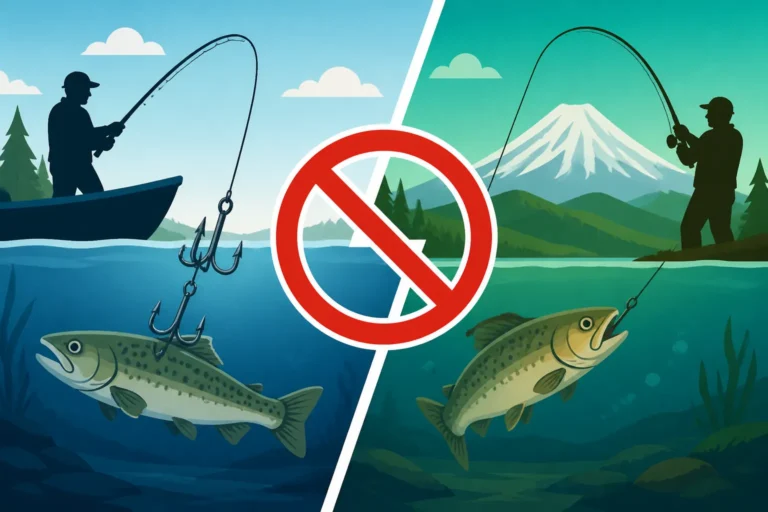
One of the primary reasons for imposing a bait ban is to protect wild fish, particularly threatened or endangered species like certain runs of wild steelhead or Chinook salmon. When fish are biting on bait, they tend to swallow the hook more deeply, leading to higher rates of "gut-hooking." This means the hook is lodged in the fish's esophagus or stomach, causing significant internal damage. If these fish are wild and need to be released (as is often the case with wild steelhead in Washington), the chances of them surviving after release are drastically reduced.
For instance, on rivers like the Sol Duc or the Hoh on the Olympic Peninsula, where wild steelhead populations are a major concern, bait bans are frequently in effect during steelhead seasons. The intention is that when anglers use artificial lures or flies, fish are more likely to be hooked in the jaw or mouth. This shallow hook-set significantly increases the survival rate of released fish, allowing these precious wild stocks to continue their spawning migration. It's a tough pill to swallow when you want to use your favorite bait, but it's a necessary measure for conservation. You can learn more about specific rules around release in the Catch-and-Release Rules During Wild Steelhead Closures guide.
Facilitating Selective Fisheries and Reducing Bycatch
Bait bans also play a crucial role in managing selective fisheries. A selective fishery is one designed to allow anglers to target certain fish while minimizing harm to others, even if those "others" are present in the same waters. For example, if a river has a healthy hatchery salmon run that can be kept, but a fragile wild steelhead run that must be released, a bait ban might be implemented. The idea is that artificial lures or flies are generally less attractive to a broad range of species or might encourage a more aggressive, less committed bite, making it easier for anglers to identify and release non-target species unharmed.
Think about situations where hatchery-marked salmon (those with a clipped adipose fin) can be retained, but wild salmon must be released. Bait often makes it harder to distinguish between a hatchery and a wild fish before it's too late, potentially leading to the unintentional mortality of protected fish. By restricting bait, WDFW aims to reduce this bycatch and increase the likelihood that only legal, retainable fish are kept. These regulations are often part of broader seasonal guidelines, which you can track via Washington Sport Fishing Seasons and Emergency Closures.
Navigating Your Tackle Box: What's Allowed When Bait is Banned?
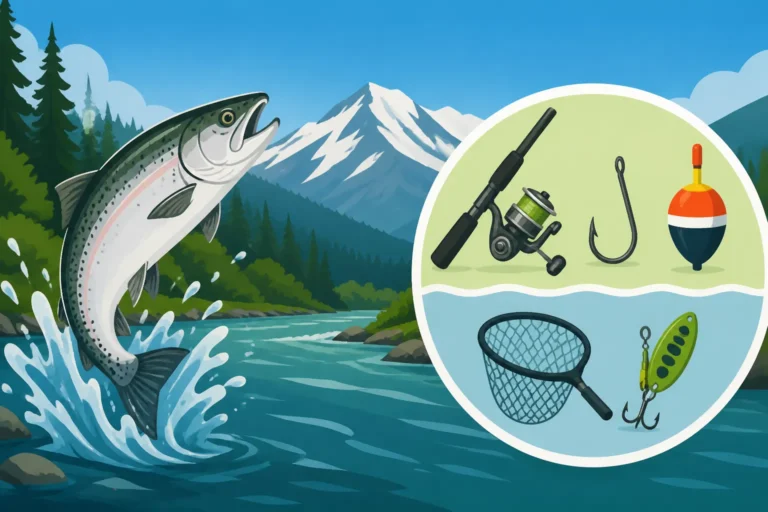
So, if bait is out, what can you use? This is where many anglers get confused, but the good news is that a bait ban doesn't mean you can't fish. It simply means you need to adapt your tackle and techniques to artificial presentations. The shift often requires more active fishing and a deeper understanding of fish behavior, as you're relying on action, flash, and color rather than scent.
Understanding "Artificial Lures"
When a bait ban is in effect, the focus shifts entirely to artificial lures. But what exactly qualifies as an "artificial lure"? Generally, this refers to man-made devices designed to imitate baitfish, insects, or other prey, and which do not contain or incorporate any scent, flavor, or organic material that would attract fish by taste or smell.
Common examples of artificial lures include:
- Spinners: These lures feature a rotating blade that creates flash and vibration in the water, mimicking a fleeing baitfish. Brands like Blue Fox, Mepps, or Rooster Tail are staples.
- Spoons: Metal lures that wobble and flash as they're retrieved, simulating an injured or struggling fish. They come in various shapes and sizes, from small trout spoons to larger ones for salmon.
- Jigs: Weighted hooks dressed with various materials like Marabou, bucktail, or soft plastics. They're designed to be worked with an erratic, vertical motion.
- Plugs: Hard-bodied lures that dive and wobble, often mimicking baitfish. Think Kwikfish or Flatfish, but remember, many plugs have scent chambers or can be wrapped with bait, which would be illegal during a ban. You must use them without any added scent or organic material.
- Soft Plastics (Unscented): This is a tricky one. Many soft plastic worms, grubs, or swimbaits come pre-scented. During a bait ban, you must use unscented versions. If it smells like garlic, Anise, or anything else, it's considered bait. Always check the packaging carefully. You can often find a wide variety of unscented soft plastics on platforms like Amazon if your local tackle shop has a limited selection.
The key distinction is the absence of scent or taste. If you're unsure, err on the side of caution. If it has a strong odor, even if it's "fish scent" designed for lures, it's likely prohibited.
The Art of Fly Fishing and "Fly Only" Regulations
In many sensitive fisheries, especially those focused on wild trout or steelhead, regulations might even go beyond a general bait ban to specify "fly fishing only" or "fly only" rules. These are the most restrictive forms of gear limitations.
Under "fly fishing only" rules:
- Flies are defined as artificial lures constructed of natural or synthetic materials tied on a single hook. The materials typically include feathers, fur, thread, or synthetic fibers.
- No weights or sinkers can be attached to the line itself, other than those incorporated into the fly line or leader construction.
- No bait or scent of any kind is allowed.
- Only a single, barbless hook is often permitted. This requirement (covered in more detail in Barbless Hook Requirements on Washington Rivers) further reduces harm to released fish.
This means spinning gear, baitcasters, and any lures other than bona fide flies are strictly prohibited. You'd typically use a fly rod, reel, and specific fly line for these regulations. Popular fly patterns that imitate insects (nymphs, dry flies), baitfish (streamers), or eggs (egg patterns, tied without any actual egg material) are your go-to options. For those interested, diving into Fly Fishing Techniques for Winter Steelhead in Washington can offer a wealth of knowledge on this method.
Table: Bait vs. Allowed Artificials During a Ban
To help clarify, here's a quick reference table comparing common baits with their allowed artificial counterparts during a typical Washington bait ban:
| Category | Prohibited (Bait) During a Ban | Permitted (Artificial) During a Ban |
|---|---|---|
| Natural Attractants | Cured salmon eggs (roe) | Artificial egg patterns (tied on a hook, no natural egg material) |
| Live or dead worms, maggots, grubs | Unscented soft plastic worms, grubs | |
| Live or dead minnows, herring, prawns, shrimp | Unscented soft plastic swimbaits, jerkbaits, jigs mimicking baitfish, metal spoons | |
| Any organic material (e.g., cheese, corn, salmon scraps) | N/A (no direct artificial counterpart) | |
| Scented Attractants | Scented soft plastics (e.g., Gulp!, PowerBait, scent-infused worms) | Unscented soft plastics |
| Lure wraps or plugs with added scent (e.g., Smelly Jelly, Pro-Cure) | Plugs used without scent or bait wraps, metal spoons, spinners | |
| Flies or jigs dressed with scented materials | Flies and jigs tied with synthetic or natural unscented materials |
Note: Always double-check current regulations for specific water bodies, as rules can vary.
Staying Compliant: How to Always Know Before You Go
The dynamic nature of fishing regulations in Washington means that what was legal yesterday might not be today, especially with the frequent Emergency Rule Changes: Why Washington's Rules Shift Mid-Season. It's not enough to just remember a rule from last year; you need to be proactive and informed before every trip.
Leveraging WDFW Resources
The Washington Department of Fish and Wildlife provides several excellent resources to keep anglers updated. These are your absolute best friends when planning a fishing trip:
- WDFW Fishing Regulations Pamphlet: This is the bedrock. You can pick up a physical copy at license vendors, or easily access the digital version on the WDFW website. It's a comprehensive document detailing general rules, seasons, limits, and specific regulations for different marine areas and freshwater bodies. Get familiar with Reading the Washington Sport Fishing Regulations Pamphlet – it's a skill every Washington angler needs.
- WDFW Emergency Rule Changes Page: This is the most critical resource for up-to-the-minute updates. Emergency rules can modify seasons, limits, and yes, gear restrictions like bait bans, often with very short notice. Before every trip, visit this page on the WDFW website. It's updated constantly, and a quick check can save you a lot of hassle and potential fines. This is where you'll find out if a planned river section suddenly goes "no bait" due to low wild steelhead returns.
- "Fish Washington" Mobile App: WDFW has developed a mobile app that consolidates a lot of this information. You can check regulations by location, species, and get notifications for emergency rule changes. It’s an incredibly convenient tool for on-the-go checks, and you can often show your license on it as well.
- Local Tackle Shops and Guides: Don't underestimate the power of local knowledge! Your neighborhood tackle shop in places like Edmonds, Olympia, or Vancouver is often staffed by passionate anglers who are intimately aware of current conditions and emergency rules. Fishing guides, like those operating on the Columbia or Olympic Peninsula rivers, are also excellent sources of current information, as their livelihood depends on staying compliant.
The Pre-Trip Checklist: Your Best Defense Against Violations
To avoid the frustration and legal trouble of a bait ban violation, adopt a rigorous pre-trip checklist. Make this a habit for every single fishing excursion, no matter how familiar you are with the area.
Here’s a simple but effective checklist:
- Check the WDFW Emergency Rules Page: Non-negotiable. Do this the night before, and even a quick check on your phone the morning of, if you're traveling a long distance. Remember, What an Emergency Rule Change Actually Modifies can vary widely, so don't assume.
- Consult the WDFW Regulations Pamphlet: Confirm the baseline rules for your specific water body, marine area, and target species. Pay close attention to the "Gear Restrictions" section for the area you plan to fish.
- Review Your Tackle: Based on the current rules, remove any prohibited baits or scented lures from your immediate tackle box that you might inadvertently grab. Put them away, out of temptation's reach.
- Pack Accordingly: If it's a bait ban, ensure you have a good selection of legal artificial lures. This might mean stocking up on various spoons, spinners, jigs, or unscented soft plastics. You can often find great deals on bulk artificials on Amazon if your local shop is limited, or for common items like a variety of Casting Spoons and Spinners for Washington Steelhead.
- Inform Others: If you're fishing with friends or family, make sure everyone in your party is aware of the current rules, especially if they're new to Washington fishing or less diligent about checking regulations.
Being prepared isn't just about catching fish; it's about being a responsible and legal angler. The rules are there to protect the resources we all love, ensuring that future generations can enjoy the incredible fishing opportunities Washington has to offer. By understanding what a bait ban restricts and staying informed, you can adapt your approach and still have a rewarding experience on the water.
Disclaimer
Please remember that fishing regulations, including bait bans, are subject to frequent change. This guide provides general information, but it is ultimately the angler's responsibility to check the most current Washington Department of Fish and Wildlife (WDFW) regulations before heading out on any fishing trip. Always consult the official WDFW website and the current fishing pamphlet for the latest and most accurate rules.