Walleye Identification and Where They Live in Washington
It's incredibly frustrating when you're out on the water, seeing fish activity, but you're not entirely sure what you're targeting – or if what you just caught is even legal to keep. Washington's diverse fisheries can sometimes feel like a puzzle, especially when it comes to species that might not be native to every corner of the state, like the walleye. This comprehensive guide is designed to cut through that confusion, helping you confidently identify walleye and pinpoint exactly where these prized fish thrive across Washington's vast and varied waterways.
Decoding the Washington Walleye: Identification Marks
When you pull a fish from the water, knowing exactly what you have in hand is crucial for adherence to regulations and for a successful fishing trip. Walleye have some very distinct features that, once you know them, make identification pretty straightforward. It's not just about bragging rights; it's about being a responsible angler in Washington.
Fin, Eye, and Body: The Key Visual Cues
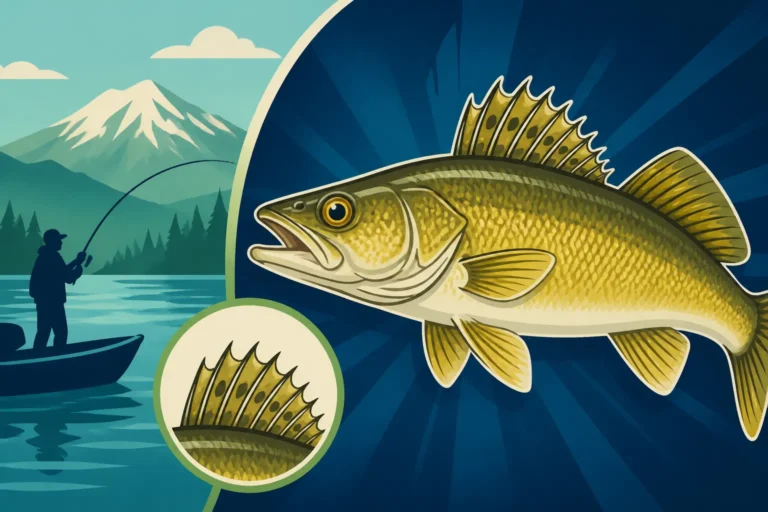
The easiest place to start with walleye identification is often their fins and eyes. Walleye possess two dorsal fins that are clearly separated. The first, or anterior, dorsal fin is spiny and often has a distinct dark blotch at its base, especially on the rearmost spines. The second, posterior dorsal fin is soft-rayed. Look closely at their eyes; they are famously large, round, and have a unique, milky or "glassy" appearance. This isn't a sign of ill health; it's due to a reflective layer called the tapetum lucidum, which helps them see in low light conditions, giving them a nocturnal hunting advantage. Their body color can vary from an olive-green to a golden-brown on their backs, fading to a lighter, often white, belly. They typically have subtle, dark vertical bars or blotches along their sides, but these can be quite faint depending on the fish and its habitat.
Beyond the fins and eyes, a walleye's overall body shape is quite elongated and cylindrical, almost torpedo-like, which is built for speed in open water. Pay attention to their mouths as well; walleye have prominent, sharp canine teeth on both their upper and lower jaws. These aren't tiny nubs; they're serious teeth designed for grasping prey. Finally, a hallmark feature that almost guarantees you have a walleye is the distinctive white tip on the lower lobe of their caudal (tail) fin. This white patch is almost always present and is a fantastic diagnostic feature that rarely fails.
Telling Walleye Apart: Common Lookalikes
In Washington waters, particularly in the eastern part of the state where walleye are prevalent, they can sometimes be confused with other fish, most notably smallmouth bass or even some larger trout species. However, once you know what to look for, the differences become obvious. Smallmouth bass, for instance, have a more compact, deeper body shape compared to the walleye's elongated profile. Their dorsal fins are typically joined, not clearly separated like a walleye's, and they lack that characteristic white tail fin tip. Smallmouth also don't have those prominent canine teeth; their teeth are smaller and more numerous.
Trout species like rainbow trout, while they can grow large in some of the same reservoirs, have very different fin structures, typically only one dorsal fin, and often have spots covering their bodies. Their eyes lack the walleye's reflective quality, and their overall body coloration and shape are distinctly different. When you’re trying to quickly identify a fish, keep that white tip on the tail fin and the glassy eyes firmly in your mind – they’re your best friends for confirming a walleye. This table outlines some key differences to keep in mind when you're trying to make a quick identification on the water:
| Feature | Walleye | Smallmouth Bass |
|---|---|---|
| Dorsal Fin | Spiny anterior dorsal fin with dark blotch at base, followed by soft-rayed posterior fin (separated). | Joined dorsal fins, generally smooth transition from spiny to soft. |
| Eyes | Large, opaque, "glassy" eyes due to light-sensitive tapetum lucidum. | Normal-sized, typically red or brown eyes. |
| Body Shape | Elongated, cylindrical body; generally more slender. | Stockier, deeper body; more compressed laterally. |
| Coloration | Olive-green to gold with darker mottling/bands; white belly. | Brown to bronze with dark vertical bars (sometimes faint). |
| Teeth | Prominent, sharp canine teeth on upper and lower jaws. | Small, numerous teeth; no large canines. |
| Tail Fin | White tip on the lower lobe of the tail fin. | No distinctive white tip on tail fin. |
Understanding Walleye Size and Age
Walleye in Washington can grow to impressive sizes, making them a highly sought-after sportfish. While averages vary by water body, it's not uncommon to encounter walleye in the 2-5 pound range. However, trophy-sized fish pushing into the double digits are regularly caught, particularly from the expansive waters of the Columbia River. A fish in the 8-12 pound range is considered a true monster by many walleye anglers. These larger fish are typically older, often well over 10 years old, highlighting their longevity in the right conditions.
The growth rate of walleye is influenced by a number of factors, including food availability, water temperature, and overall habitat quality. In rich environments like parts of the Columbia River, they can grow quite quickly. Learning about How Big Columbia River Walleye Get can provide a lot more detail on the impressive potential of these fish. Anglers often dream of landing the Washington State Record Walleye, which is a testament to the pursuit of these large predators. Keeping track of the sizes you're catching can also help you understand the health and dynamics of the walleye population in a specific fishery.
Washington's Walleye Strongholds: Where to Find Them
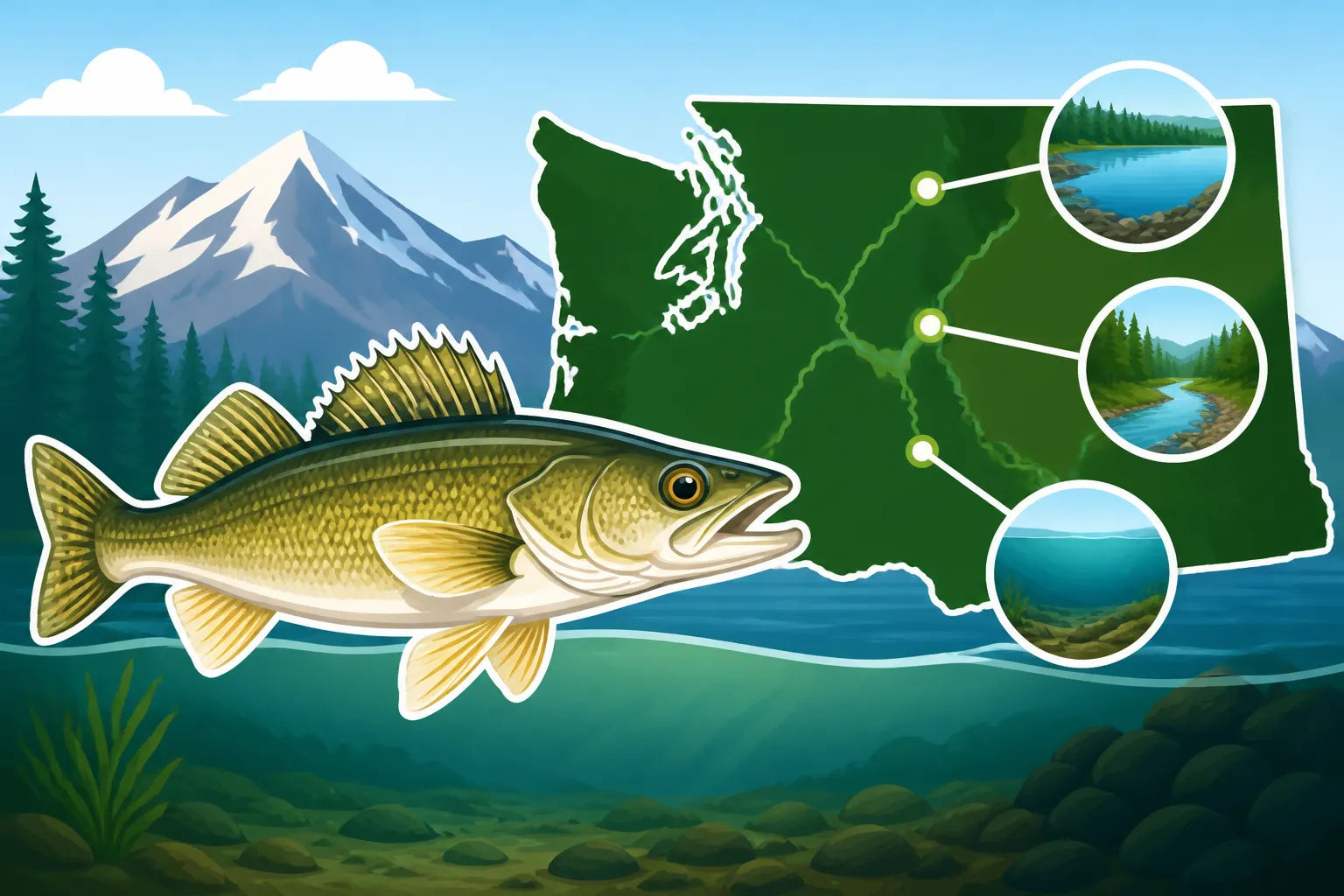
While walleye aren't spread throughout all of Washington like, say, rainbow trout, they certainly have established significant populations in key areas, primarily east of the Cascade Mountains. These specific water bodies offer the ideal conditions for walleye to thrive, providing ample forage, suitable spawning grounds, and the right habitat structure. If you're looking to target walleye in Washington, these are the places you absolutely need to explore.
The Dominant Columbia River Fishery
Without a doubt, the Columbia River is the undisputed king when it comes to walleye fishing in Washington. This massive river system, particularly the stretches east of the Tri-Cities, acts as a superhighway and a prime habitat for these fish. The Columbia's vastness, combined with its many impoundments (reservoirs created by dams), offers endless stretches of rocky bottom, current breaks, and submerged structures that walleye absolutely adore. Specific hot spots along the Columbia include the waters around the Tri-Cities (Richland, Pasco, Kennewick), The Dalles Pool, John Day Pool, and McNary Pool. These areas consistently produce both high numbers of fish and trophy-sized specimens. The sheer volume of water and the abundance of baitfish like shad and juvenile salmon provide a perfect environment for walleye to grow large and healthy.
Fishing the Columbia can be an intimidating prospect due to its size and power, but understanding the river's nuances is key. You'll often find walleye congregating around current breaks, submerged rock piles, humps, and the edges of channels. Many anglers will tell you that the best fishing often occurs in areas with depths ranging from 15 to 40 feet, though they can be found shallower or deeper depending on the time of year and day. For a more complete understanding of this incredible fishery, checking out Fishing the Columbia River in Washington: A Complete Overview is highly recommended, as it covers the vast opportunities this river offers. There are also specific guides like How to Fish for Walleye on the Columbia that can really help dial in your tactics for this massive water body.
Eastside Lake and Reservoir Hotspots
Beyond the main stem of the Columbia, several large lakes and reservoirs in Eastern Washington have become renowned walleye destinations. These impoundments often offer more stable water levels and diverse underwater topography, creating excellent year-round habitat. Lake Roosevelt in Washington for Kokanee and Walleye is a prime example. This massive reservoir, stretching over 150 miles behind Grand Coulee Dam, holds a thriving walleye population. Anglers often find success here drifting worm harnesses or jigging spoons in deeper sections, especially near submerged islands and old river channels.
Another fantastic option is Banks Lake in Washington for Walleye and Smallmouth Bass, located in Grant County. Banks Lake is famous for its productive walleye fishery, known for producing both good numbers of fish and some truly large ones. It's a popular spot for both boat and bank anglers, with diverse structure including rocky points, submerged humps, and weed lines. Similarly, Potholes Reservoir in Washington for Walleye and Crappie, also in Grant County, is another must-visit for walleye enthusiasts. Its unique "dunes" area, which consists of submerged islands and channels, provides exceptional habitat. Many anglers love to explore Eastern Washington's Best Fishing Lakes for a broader perspective on the region's diverse fishing opportunities, and walleye frequently feature prominently among them.
Lesser-Known Walleye Fisheries
While the Columbia and its major reservoirs are the undisputed champions, there are a few other, often smaller, water bodies in Eastern Washington that hold respectable walleye populations and can offer a quieter, less crowded experience. These "sleeper" spots might not produce the sheer numbers of the big rivers, but they can still deliver quality fish and a unique angling adventure. For instance, some sections of the Snake River, particularly where it connects with the Columbia, can also hold walleye. These spots often require a bit more local knowledge or exploration but can be incredibly rewarding.
Smaller lakes and irrigation canals in the Columbia Basin sometimes get stocked or have established populations, though these fisheries tend to be more inconsistent and might require more diligent research through local tackle shops or the Washington Department of Fish and Wildlife (WDFW) reports. The key to success in these lesser-known areas is often adaptability and a willingness to explore, as walleye are opportunistic predators that will establish themselves wherever suitable conditions and food sources allow. Remember, even in these smaller waters, understanding the fish's habits and structure preferences will be your best asset.
The Walleye's Year: Seasonal Behavior and Movement
Walleye are creatures of habit, and their behavior throughout the year is largely dictated by water temperature, spawning urges, and the availability of their preferred forage. Understanding these seasonal patterns is paramount to consistently locating and catching them in Washington. What works in spring might not work in summer, and completely change again in fall.
The Spring Spawning Frenzy
Spring, typically from late March through May, is a pivotal time for walleye in Washington as they move from their deeper winter haunts to shallower areas for spawning. Walleye are broadcast spawners, meaning they scatter their eggs over rocky bottoms in shallow water, often in areas with some current or wave action. On the Columbia River, this can mean main channel riprap, rocky points, and even some tributary mouths. In reservoirs like Lake Roosevelt or Banks Lake, they'll seek out rocky shorelines, reefs, and humps where the females can deposit their sticky eggs and males can fertilize them.
During this pre-spawn and spawn period, walleye are often highly concentrated and can be very aggressive, making it an exciting time for anglers. They are focused on reproduction and then recovering from the energy expenditure of spawning. Targeting rocky areas with shallow access to deeper water, often in depths of 5 to 15 feet, can be very productive. After spawning, the fish will often disperse slightly but remain relatively shallow as they begin to feed heavily to replenish their energy reserves. Understanding Best Time of Year for Washington's Columbia Walleye really dives into how these seasonal changes impact fishing success.
Summer Feeding and Habitat Shifts
As water temperatures rise in summer, walleye generally move to deeper, cooler water. Their light-sensitive eyes make them less comfortable in bright, shallow conditions, so they'll seek out thermal refuges. This often means congregating around submerged structures like humps, drop-offs, channel edges, and deep weed lines in lakes, or deeper current breaks and rocky shelves in the Columbia River. They become highly predatory during this time, actively feeding on abundant baitfish populations. Early mornings, evenings, and overcast days can see them move into shallower feeding flats, but during the bright midday sun, they'll retreat to the depths.
Summer fishing for walleye often involves trolling with bottom bouncers and worm harnesses or crankbaits to cover large areas of deep water. Jigging spoons or blade baits vertically over structure can also be deadly when you locate a school. Electronics become invaluable for pinpointing these deeper concentrations of fish and bait. Knowing the specific features of spots like Lake Roosevelt in Washington for Kokanee and Walleye and how walleye behave there during the warmer months can dramatically improve your summer success. The shift to deeper, cooler water is a critical behavioral change that anglers must adapt to.
Fall and Winter Patterns
As fall progresses and water temperatures begin to drop, walleye often experience another surge in feeding activity, similar to the pre-spawn. They are bulking up for the leaner winter months, and this can present some fantastic fishing opportunities. They may move back to shallower flats during low light conditions to chase baitfish, but will still often relate to structure and channel edges as they prepare for winter. On the Columbia, this might mean concentrating in specific pools or along the main channel in areas with good current and structure.
In winter, walleye typically settle into their deepest holding patterns. They become less active, conserving energy, and often school up in large groups in the deepest holes, channels, or basin areas of lakes and rivers. While their metabolism slows, they still feed, albeit less frequently. Ice fishing for walleye is a popular pursuit in some of Washington's eastern lakes when conditions allow, with anglers often targeting these deep, schooled fish with vertical jigs and tip-ups. In open water, fishing slow and deep with jigs, blade baits, or even slow-trolled presentations can entice a bite from these cold-water predators.
Essential Gear and Tactics for Washington Walleye Anglers
Successfully targeting walleye in Washington requires not just knowing where they are and how they behave, but also having the right tools for the job. From your rod and reel setup to the lures you tie on and the electronics you use, each piece plays a vital role in putting these tasty fish in your net. Don't underestimate the impact that proper gear can have on your catch rate.
Rods, Reels, and Line Choices
For walleye fishing, versatility is key, as you might employ several different techniques on a single outing. A good all-around rod for walleye in Washington is typically a medium to medium-heavy power spinning or baitcasting rod, ranging from 6'6" to 7'6" in length. Look for a rod with a fast action tip, which allows for sensitive bite detection, crucial for feeling those subtle walleye "thumps," while still providing enough backbone to set the hook firmly and fight a strong fish. You can find a wide variety of these rods on platforms like Amazon, offering options for every budget and preference.
Matching your rod with a quality reel is essential. A spinning reel in the 2500-3000 size range is excellent for jigging, casting, and even light trolling. If you prefer baitcasting for heavier applications or specific trolling setups, a low-profile baitcaster with a smooth drag system is a great choice. When it comes to line, many walleye anglers swear by braided line as their main line, usually in the 10-20 pound test range. Its lack of stretch provides superior sensitivity for detecting subtle bites and allows for powerful hooksets in deeper water. However, because walleye have excellent eyesight, it's almost always advisable to tie on a 6-10 pound fluorocarbon leader (3-6 feet long) to your braid. Fluorocarbon is nearly invisible underwater and is abrasion resistant, which is important around rocky walleye habitat.
Lure and Bait Strategies That Produce
Walleye are opportunistic predators, and a diverse tackle box will serve you well. One of the most consistently productive presentations for walleye in Washington is the bottom bouncer and worm harness combo. Bottom bouncers keep your bait just off the bottom while you troll or drift, and the worm harness (typically two snelled hooks with beads and a blade) presents a nightcrawler enticingly. This setup is particularly effective on the Columbia River and large reservoirs. You'll find a wide selection of these components on Amazon, making it easy to stock up.
Jigs are another walleye staple. Lead-head jigs, tipped with a plastic grub, minnow, or piece of nightcrawler, are incredibly versatile. You can cast them, vertically jig them, or drift them along the bottom. Jig weights from 1/4 to 1 ounce are common, depending on depth and current. Crankbaits and diving plugs are excellent for trolling or casting to cover water, especially when fish are actively chasing bait. Look for models that dive to the depths where walleye are holding. Lastly, blade baits and lipless crankbaits can be dynamite, particularly for vertically jigging over schools of fish. Fresh bait, especially lively nightcrawlers or minnows (where legal), can often seal the deal when artificials aren't cutting it. Ensure you're familiar with local bait regulations, as some areas have restrictions.
Technology to Boost Your Success
In modern walleye fishing, technology can give you a significant edge. A reliable fish finder/chartplotter is almost indispensable, especially when fishing vast waters like the Columbia River, Banks Lake in Washington for Walleye and Smallmouth Bass, or Potholes Reservoir in Washington for Walleye and Crappie. These units allow you to identify underwater structure, mark baitfish schools, and pinpoint the walleye themselves. Side imaging and down imaging technologies have revolutionized how anglers explore these habitats, revealing hidden rock piles, humps, and channel edges that hold fish.
A GPS unit (often integrated into your fish finder) is also crucial for marking waypoints of productive spots, navigating safely, and tracking your trolling passes. Many anglers also utilize an electric trolling motor with GPS spot-lock capabilities. This allows you to precisely hold your boat over a marked school of fish or slowly creep along a contour line, even in wind or current, without having to drop an anchor. This hands-free control lets you focus entirely on fishing. While not strictly "gear," having a good pair of polarized sunglasses is also invaluable for seeing into the water, cutting glare, and spotting subtle changes in structure or fish activity in shallower water.
Managing Washington's Walleye: Opportunities and Challenges
Walleye in Washington present an interesting case study in fisheries management. They are a highly popular sportfish, offering tremendous recreational opportunity, but they are also a non-native species with a significant predatory impact on the ecosystem. Balancing these factors is a complex task for state wildlife agencies.
The Non-Native Predator Role
Walleye were introduced to Washington waters, mainly the Columbia River system, decades ago. While they quickly established thriving populations and created a fantastic sport fishery, their presence as a non-native predator does come with ecological considerations. Walleye are highly efficient predators, preying on a variety of smaller fish, including juvenile salmon and steelhead. This can create competition for food resources and direct predation pressure on native fish populations, some of which are already struggling.
Fishery managers, like the Washington Department of Fish and Wildlife (WDFW), are constantly evaluating the balance between maintaining a robust walleye fishery for anglers and minimizing its potential negative impacts on native species. This often involves careful monitoring of population sizes, forage bases, and interactions with other fish. For anglers, this means understanding that while walleye are a blast to catch, they're not always viewed in the same conservation light as, say, wild steelhead.
Regulation and Conservation Efforts
Given their non-native status and predatory nature, walleye regulations in Washington are often designed to encourage harvest, especially of smaller fish, to help manage their population size. Unlike many native species where restrictive limits are common, walleye often have generous daily bag and possession limits, with little to no size restrictions in most areas. This approach aims to reduce the overall walleye population and thereby lessen their impact on juvenile salmonids. It's a pragmatic management strategy that leverages angler enthusiasm to achieve conservation goals.
However, even with these liberal regulations, WDFW still manages the fishery to ensure sustainability of the walleye population itself, balancing harvest opportunities with long-term fish health. This means monitoring catch rates and population trends to make sure the fishery remains strong for future generations of anglers. Keeping an eye on the Washington Fishing Regulations Every Angler Should Know is crucial, as rules can change. While there isn't a specific "walleye conservation" per se in the traditional sense of protecting an endangered native species, the management practices in place are a form of balancing the ecosystem and sport fishing interests. This dynamic approach ensures that anglers can continue to enjoy the thrill of catching these hard-fighting and delicious fish while managers work to maintain ecological health.
Disclaimer
This article is for general informational purposes only and does not constitute professional advice. Laws, prices and regulations vary by location and change over time. Consult a qualified professional for guidance on your specific situation.