Best Time of Year for Washington’s Columbia Walleye
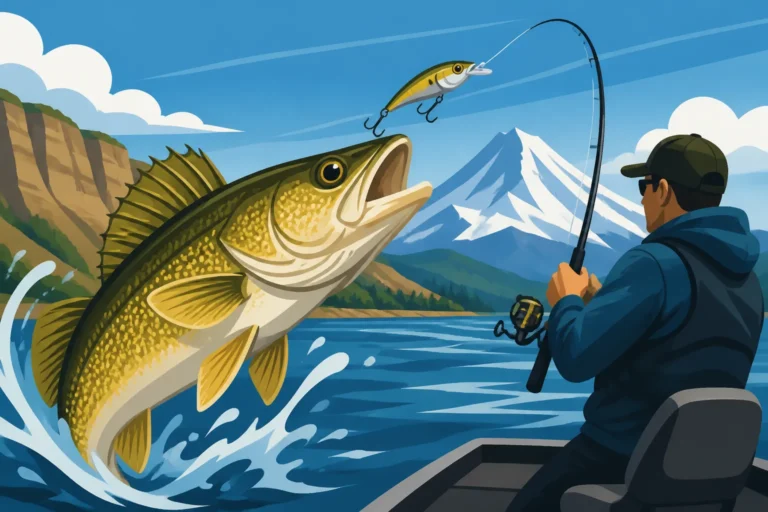
For many anglers, the mighty Columbia River is a daunting expanse, a vast, ever-changing waterway that can make finding your target species feel like searching for a needle in a haystack. This is especially true for walleye, a notoriously finicky fish whose patterns shift dramatically with the seasons. If you've ever felt frustrated by inconsistent bites or wondered why some days are feast and others famine, you're not alone. This comprehensive guide will unravel the seasonal mysteries of Columbia River walleye, helping you understand when and where to find them throughout the year for more consistent success.
Understanding Walleye Seasonal Movements on the Columbia
Fishing for walleye on the Columbia River isn't a static endeavor; it's a dynamic dance with nature, dictated by a complex interplay of environmental factors that push these fish from one end of their habitat to the other. Just like a seasoned farmer understands crop cycles, a successful walleye angler needs to grasp the annual rhythms that govern these elusive fish. Ignoring these patterns is often the reason anglers return to the boat ramp empty-handed, convinced the walleye just 'aren't biting' when, in reality, they're simply not where you're looking or responding to the tactics you're employing.
The Impact of Water Temperature and Spawning Cycles
The most significant drivers of walleye movement on the Columbia are water temperature and their annual spawning cycle. Walleye are cold-blooded creatures, meaning their metabolism and activity levels are directly tied to the water temperature around them. As the water warms in spring, their metabolism kicks into high gear, triggering intense feeding. Conversely, as temperatures drop in late fall and winter, their activity slows, and they seek out deeper, more stable environments. This fundamental biological need governs much of their behavior and dictates when and where they can be found.
Beyond temperature, the urge to reproduce is an undeniable force. Walleye typically spawn in early spring, often when water temperatures hit the mid-40s to low 50s Fahrenheit. During this period, they migrate to specific areas, usually shallower gravel beds, rocky shoals, or areas with current. These areas provide the necessary substrate for their sticky eggs to adhere. Understanding these spawning locations and the timing is key, because while you might not fish directly on spawning beds, knowing when they're done spawning gives you a huge advantage for the post-spawn feeding frenzy that follows. Keep an eye on local conditions and remember that Washington Sport Fishing Seasons and Emergency Closures can sometimes impact access or regulations around sensitive times.
How River Flows and Turbidity Affect Walleye Behavior
The Columbia River is a powerful, dammed waterway, meaning its flows and water clarity are constantly subject to change, often influenced by snowmelt, rain, and dam operations. These fluctuations have a profound impact on walleye. High, fast flows can push fish out of prime feeding lies and into slower current breaks, eddies, or deeper slack water where they can conserve energy. On the flip side, consistent, moderate flows can create predictable current seams and feeding lanes that walleye will patrol.
Turbidity, or water clarity, is another major factor. Walleye are visual predators, but they actually prefer somewhat stained or murky water. This gives them an advantage over their prey, especially in lower light conditions, as their superior eyesight in dim light allows them to hunt effectively. Extremely clear water can make them more skittish and prone to seeking deeper cover, while heavily muddied water can disperse them or make them harder to locate. Therefore, paying attention to river conditions reported by local resources or observing the water firsthand is critical for adjusting your approach. You can often find updated information and even How to Check for Emergency Rule Changes in Washington through the WDFW website.
Spring and Early Summer: The Prime Bite Window
When the gray days of winter finally begin to yield to the lengthening light of spring, a palpable shift occurs on the Columbia River. This transition ushers in what many walleye enthusiasts consider the absolute prime time for targeting these toothy predators. It's a period of intense activity, driven by post-spawn recovery and the insatiable need to refuel, offering some of the most consistent and aggressive bites of the entire year. If you're looking for your best shot at catching numbers or even a trophy, this is the window you simply can't miss.
Post-Spawn Feeding Frenzy
Immediately after spawning, which typically wraps up from late March through May depending on the specific section of the Columbia and local water temperatures, walleye are absolutely ravenous. They've expended an incredible amount of energy during the spawn, and their primary instinct becomes to regain that lost weight. This post-spawn period transforms them into aggressive eaters, making them much more receptive to a variety of baits and presentations. They'll often be found staging in areas adjacent to their spawning grounds, moving into shallower feeding flats, current breaks, and rocky points to ambush unsuspecting baitfish.
This is the time when jigs tipped with plastics or live bait, crankbaits, and even slow-trolled bottom bouncers with worms or spinner rigs can be incredibly effective. Consider trying different colors and sizes until you hit on what the fish are keying into. The key is to be present during this window, as it can offer some of the fastest action of the year. It's also a great time to experiment with new gear you might have picked up from online retailers like Amazon, seeing what works best in these prime conditions.
Targeting Walleye in Warmer Shallower Waters
As spring progresses into early summer, the sun climbs higher, and the water temperatures continue to rise. This warmth draws baitfish into shallower waters, and the walleye are sure to follow. During this period, you'll often find walleye congregating in depths of 10-30 feet, especially around structural elements that offer current breaks and ambush points. Think about submerged humps, rocky ledges, gravel bars, and the mouths of tributaries. These areas provide a buffet for hungry walleye, making them highly productive.
Trolling with crankbaits or pulling bottom bouncers with worm harnesses are tried-and-true methods for covering water and locating active fish in these warmer, shallower zones. The walleye are actively chasing prey, so presentations that mimic struggling baitfish can be incredibly effective. Keep an eye on your fish finder for schools of bait and any sudden changes in depth or bottom composition. Understanding How to Fish for Walleye on the Columbia effectively during this time can make all the difference between a good day and an epic one.
Summer and Fall: Deeper Waters and Consistent Patterns
As the scorching heat of mid-summer settles in, the dynamic of walleye fishing on the Columbia shifts once again. The fish generally move to deeper, more stable thermal zones, becoming a bit less frenzied but still offering fantastic fishing for those willing to adapt. Then, as fall paints the landscape with vibrant colors, the walleye embark on another important feeding period, preparing for the lean months of winter. Understanding these transitions is crucial for continued success beyond the spring rush.
Mid-Summer Stratification and Night Bites
During the peak of summer, especially in the larger, slower-moving reservoir sections of the Columbia, water temperatures can soar. While walleye are comfortable in warmer water than trout, they'll often seek out deeper, cooler thermal refuges, especially during the brightest parts of the day. This is when you might find them congregated in depths of 30-60 feet or even more, relating to main channel drop-offs, deep humps, or submerged timber. Their activity might slow during midday, but they remain catchable.
Interestingly, summer nights can be incredibly productive for walleye. As the sun sets, baitfish often move shallower, and walleye follow, becoming much more aggressive under the cover of darkness. Trolling crankbaits that dive to specific depths or casting jigs from shore or boat into shallow flats and rocky points can yield impressive results after dark. Make sure you're familiar with Is Bait Allowed on the Columbia River? for night fishing, as regulations can sometimes differ or be subject to emergency rule changes. A well-stocked tackle box, easily assembled from items found on Amazon, will give you options for both day and night strategies.
Fall Migration and Pre-Winter Feeding
As summer wanes and the crisp air of fall begins to settle, water temperatures in the Columbia start to drop, signaling another period of intense feeding for walleye. This pre-winter feeding binge is critical for them to build up fat reserves to sustain them through the colder months. Walleye will often migrate from their deep summer haunts into more accessible depths, frequently congregating in large schools. They'll actively chase down baitfish, making them quite receptive to various presentations.
Look for them around classic walleye structure: major points, submerged islands, channel bends, and transitions between different bottom types. Trolling crankbaits, jigging blade baits, or using bottom bouncers with substantial Sinker Weight for Drift Fishing to keep your bait near the bottom are all excellent tactics during this period. The fall bite can be incredibly consistent, sometimes rivaling the spring post-spawn action, and it's a fantastic time to target those bigger, fatter walleye that are packing on weight. Remember to always consult the Reading the Washington Sport Fishing Regulations Pamphlet for specific bag limits and open areas.
Winter: The Challenging but Rewarding Season
When winter's chill truly grips the Columbia River, many anglers hang up their rods, but dedicated walleye enthusiasts know that some of the biggest fish of the year can be caught during this cold, quiet season. It's a challenging time, no doubt, requiring patience, specialized techniques, and a willingness to brave the elements, but the rewards can be truly spectacular. The walleye are still there; they're just moving slower and acting a bit differently.
Slow Presentations in Deep Holes
During winter, walleye metabolism slows significantly, and they generally retreat to their deepest, most stable wintering grounds. Think deep holes, main channel troughs, and areas with slower current, often ranging from 40 to 80 feet or more. They'll school up tightly in these areas, conserving energy. The key to catching them in winter is to slow down your presentation dramatically. Fast-moving baits won't often trigger a strike from these lethargic fish.
Vertical jigging with heavy jigs tipped with minnows or soft plastics is a go-to tactic. Small, subtle movements are often more effective than aggressive jigging. Blade baits, spoons, and even deadsticking a minnow on a slip bobber in deep water can also work wonders. Your fish finder becomes an indispensable tool, helping you locate these tight schools of fish in the vastness of the river. Without pinpointing their exact location, you could fish for hours without a bite. A high-quality portable fish finder, easily ordered from Amazon, can be a game-changer for winter fishing.
Adapting to Winter Conditions and Safety
Winter fishing on the Columbia isn't just about changing your lure; it's about changing your mindset and prioritizing safety. Cold weather means dressing in layers, wearing appropriate waterproof outerwear, and having reliable safety gear on your boat. Shorter days mean less fishing time, and colder water temperatures mean a slip or capsize can quickly become a life-threatening emergency. Always let someone know where you're going and when you expect to return.
While the main stem of the Columbia rarely freezes over enough for safe ice fishing, some backwaters or adjacent reservoirs might offer opportunities. However, for the main river itself, focus on open water techniques. Patience is paramount, as bites can be few and far between, but the sheer size of the walleye caught in winter often makes the effort worthwhile. Remember, walleye on the Columbia can get to be How Big Columbia River Walleye Get, and winter is when you might just hook into a true monster.
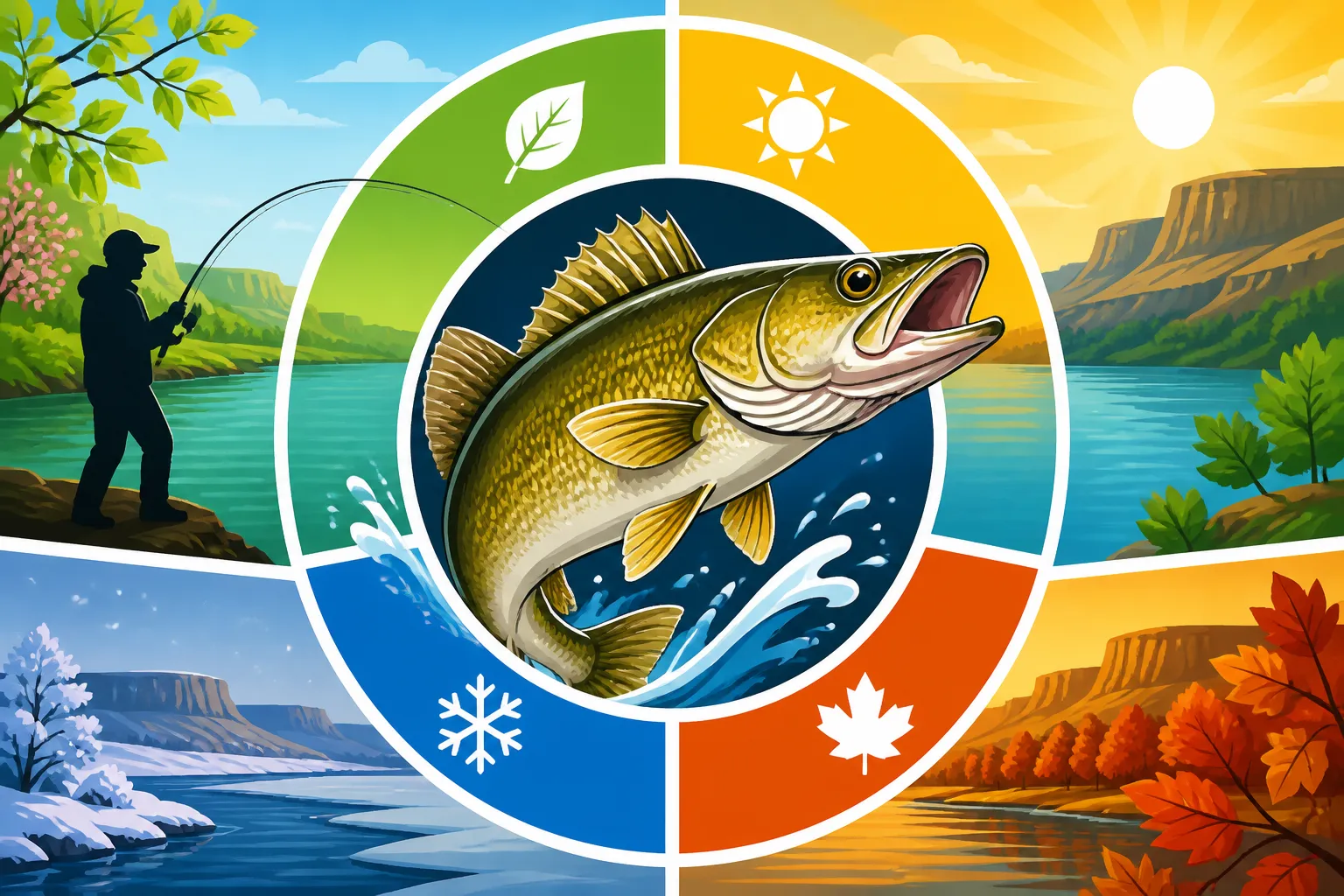
Seasonal Walleye Fishing on the Columbia River
Here's a quick overview of what to expect when targeting walleye on the Columbia River throughout the year:
| Season | Water Temperature (Approx.) | Walleye Behavior | Key Locations | Effective Techniques | Notes |
|---|---|---|---|---|---|
| Spring | 45-60°F | Post-spawn feeding frenzy, aggressive | Shallow flats, rocky points, current breaks near spawn | Jigs, crankbaits, bottom bouncers with worms | Prime time for high numbers and active fish. |
| Early Summer | 60-70°F | Active feeding, following baitfish | 10-30 ft depths, humps, ledges, tributary mouths | Trolling crankbaits, bottom bouncers with worm harnesses | Consistent bite, good for covering water. |
| Mid-Summer | 70°F+ | Seek deeper, cooler water; active at night | 30-60+ ft depths, main channel drop-offs | Deep trolling, jigs, night casting crankbaits/jigs | Daytime can be slower, excellent night bite potential. |
| Fall | 60-45°F | Pre-winter feeding binge, schooling | Main channel points, submerged islands, current seams | Trolling crankbaits, blade baits, jigging, bottom bouncers | Another fantastic period for big, fat walleye. |
| Winter | Below 45°F | Lethargic, tightly schooled, conserve energy | Deep holes, main channel troughs (40-80+ ft) | Slow vertical jigging (minnows/plastics), blade baits, spoons | Challenging but often yields trophy-sized fish; patience is key. |
When planning your trip, consider that Fishing the Columbia River in Washington: A Complete Overview provides a broader context for the diverse fishing opportunities available. While walleye are your target, you might also encounter How to Catch Smallmouth Bass in Eastern Washington using similar presentations, adding another fun species to your day. Remember to always carry your Can You Show Your License on Your Phone in Washington? or a printed copy and ensure you have any required endorsements.
Disclaimer
This article is for general informational purposes only and does not constitute professional advice. Laws, prices and regulations vary by location and change over time. Consult a qualified professional for guidance on your specific situation.