Why Do Hatcheries Stock Triploid Trout in Washington?
If you've ever cast a line into a Washington lake and pulled out a trout that felt a little bigger, a little stronger, or just a bit different from what you expected, you might be scratching your head about where it came from. Many anglers wonder why some hatchery-raised trout seem to grow so exceptionally large, and the answer often lies in a fascinating biological strategy employed by the Washington Department of Fish and Wildlife (WDFW): stocking triploid trout. This guide will dive deep into what these unique fish are, why hatcheries choose to raise them, and what it all means for your next fishing adventure.
Understanding Triploid Trout: What Are They Exactly?
It sounds like something out of a science fiction novel, doesn't it? "Triploid trout." But it's actually a very practical and well-understood approach in fisheries management that has significant benefits for both wild fish populations and recreational angling opportunities here in Washington. Let's break down the science in a way that makes sense to us everyday anglers.
The Science Behind Triploidy
At its core, triploidy refers to an organism having three complete sets of chromosomes in its cells, rather than the usual two (which is called diploidy). Think back to your high school biology class – chromosomes are the structures that hold all the genetic information of an organism. For most animals, including fish, having two sets is normal. However, through a clever, non-genetic modification process, hatcheries can induce a third set.
This isn't about splicing genes or anything unnatural in that sense. What happens is that shortly after trout eggs are fertilized, they undergo a natural process where the cells divide. By applying a very specific and controlled pressure or temperature shock during a critical window in egg development, hatcheries can prevent one set of chromosomes from being expelled. The result? A triploid fish. It's a precise technique that essentially tricks the egg into retaining an extra set of genetic material. The fish that hatches from that egg is, in every other way, a normal trout, just with this one key biological difference. Many anglers, myself included, have spent countless hours wondering about the mysteries of the deep, and sometimes those mysteries are closer to genetics than we think! You might find a book on fish biology on Amazon if you want to dive even deeper into the scientific specifics.
How They Differ from Diploid (Normal) Trout
The most significant and defining characteristic of triploid trout is their sterility. They are unable to reproduce. This is the lynchpin of why they are so valuable in certain stocking programs, and it's where their other notable differences stem from.
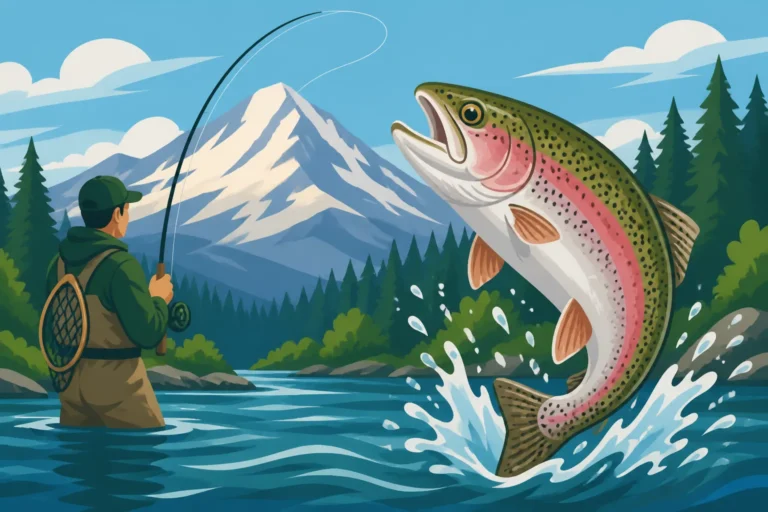
Because triploid trout don't develop reproductive organs or expend energy on spawning, all of that biological horsepower is redirected. Instead of developing roe or milt, their bodies focus on somatic growth – meaning they grow larger, often faster, and tend to live longer than their diploid counterparts. They might eat the same diet as other trout, but that energy doesn't get used for creating the next generation; it goes directly into getting bigger. This is why you'll often hear about "trophy trout" being stocked in certain lakes. These are frequently triploids, intentionally placed to give anglers a shot at catching a truly memorable fish. While they might look like any other rainbow trout, their sterile nature makes them a distinct tool in fisheries management. We covered more details in Triploid Rainbow Trout, Explained.
Why Washington Hatcheries Opt for Triploid Trout
The decision to stock triploid trout isn't arbitrary; it's a strategic move born from a deep understanding of fisheries science and the diverse needs of Washington's angling community and its precious wild fish populations.
Preventing Genetic Contamination of Wild Stocks
This is arguably the most critical reason for using triploid trout. Washington is home to incredible wild salmon and steelhead runs, as well as native trout populations, some of which are federally protected. Introducing hatchery-raised fish, even of the same species, into systems with wild populations can pose a serious risk: genetic contamination. When hatchery fish interbreed with wild fish, they can dilute the genetic fitness of the wild stocks. Wild fish have evolved over millennia to be perfectly adapted to their specific environment – to survive local predators, changes in water flow, specific food sources, and disease. Hatchery fish, bred for survival in a hatchery environment, often lack these finely tuned adaptations.
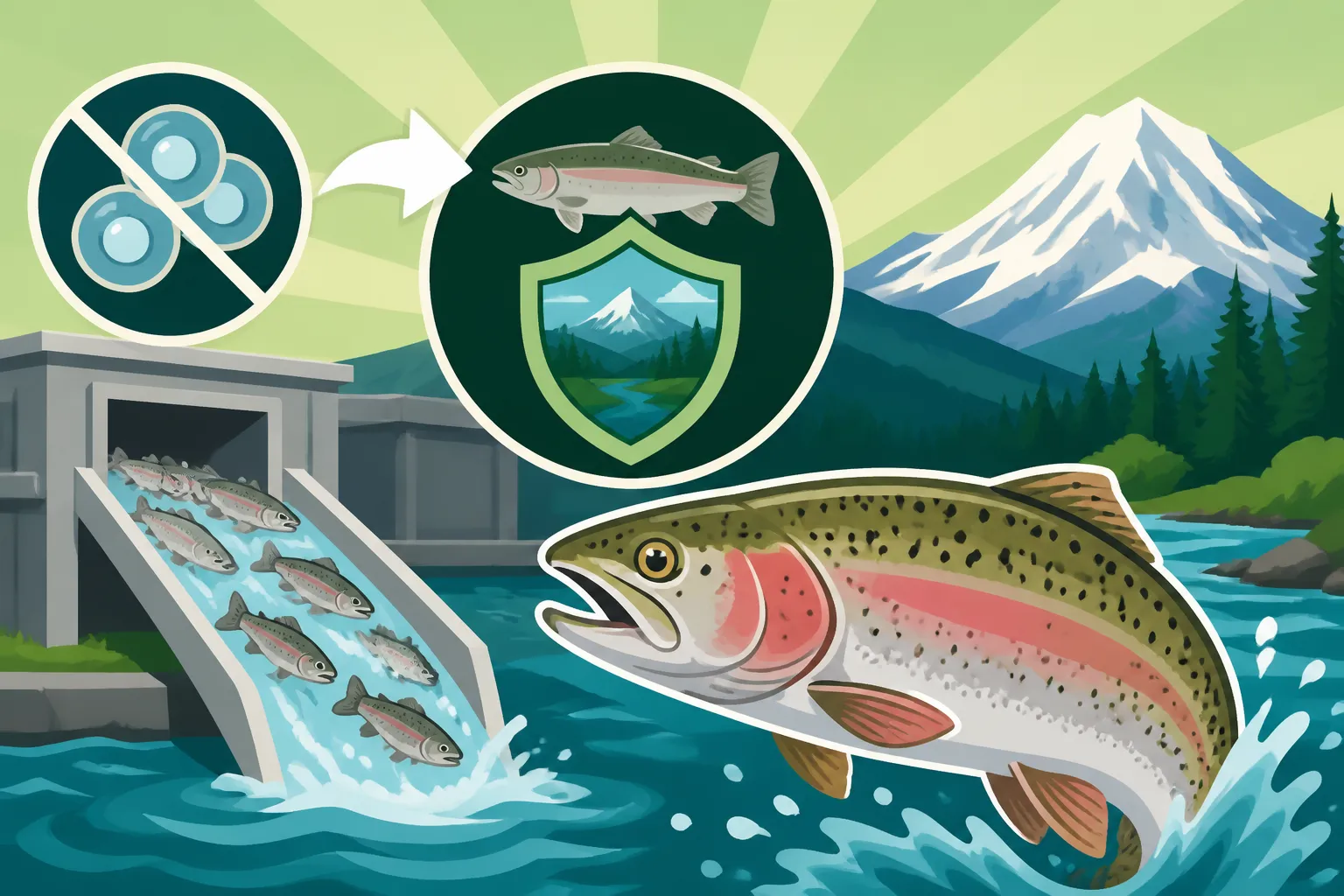
By stocking triploid trout, WDFW completely eliminates the risk of these hatchery fish reproducing with wild populations. Since the triploids are sterile, any interaction they might have with wild fish in a shared water body doesn't lead to interbreeding. This protects the genetic integrity and resilience of Washington's native trout and salmon, allowing them to maintain their natural adaptations. Imagine a pristine stream that feeds into a popular recreational lake. If that lake is stocked with diploid hatchery fish, there's always a chance some of those fish could swim upstream and spawn with the wild trout. With triploids, that concern vanishes, creating a safe way to provide fishing opportunities without jeopardizing the long-term health of our most vulnerable fish. Protecting our wild stocks is paramount, and you can learn more about specific efforts in Wild Steelhead Gene Bank Rivers, Explained.
Enhancing the Fishery for Anglers
Let's be honest, we all love catching a big fish. And triploid trout are fantastic for delivering on that promise. As mentioned, because they don't put energy into reproduction, they put it into growing. This means that lakes and ponds stocked with triploids can consistently offer larger, healthier fish. For many anglers, especially those just starting out or families looking for a fun day on the water, the chance to catch a chunky trout is a huge draw.
Triploid programs also allow WDFW to create "put-and-take" fisheries in specific locations. These are places where the primary goal is to provide immediate, high-quality angling opportunities. By stocking sterile fish, managers don't have to worry about the long-term ecological impact of a self-sustaining hatchery population. They are simply there to be caught, enjoyed, and perhaps taken home for dinner. This also helps alleviate pressure on wild fisheries, diverting anglers to designated stocked waters where the impact of harvest is a non-issue. It creates a win-win: happy anglers with fish on the line and protected wild populations. If you're looking for great places that often feature such opportunities, check out Best Washington Lakes for Trout Fishing.
Resource Management and Efficiency
From an operational standpoint, stocking triploid trout also offers benefits in resource management and efficiency for the hatcheries themselves. When a hatchery raises fish that will eventually reproduce, there's a whole host of biological considerations tied to their breeding cycles – maintaining broodstock, managing spawning, and handling the genetic diversity of future generations.
With triploids, these complexities are largely removed. The focus becomes purely on growing healthy, robust fish to a catchable size. This can streamline hatchery operations, potentially making the stocking process more efficient and predictable. It allows for a more consistent product for the specific type of fishery they are intended for, which is often a high-demand recreational angling spot. The ability to produce a reliable supply of larger, feistier fish ensures that popular fishing spots remain viable and attractive, year after year.
Common Questions and Concerns About Triploid Stocking
Whenever something sounds a bit "engineered," it's natural for people to have questions. Are these fish safe? Can I tell them apart? What about the bigger picture? These are all valid thoughts that cross the minds of many anglers.
Are Triploid Trout Safe to Eat?
This is one of the most frequently asked questions, and the answer is a resounding yes! Triploid trout are perfectly safe to eat. In fact, many anglers find them to be excellent table fare. Because their energy is diverted from reproduction to growth, their flesh can often be firmer and have a richer flavor profile. They are, after all, the same species of trout, just with an induced sterility. The process of creating them doesn't involve any chemicals or genetic modification that would make them unsafe. If you're a fan of fresh trout for dinner, a triploid is a delicious option. If you're curious about what makes trout so tasty, we delve into that in Best Washington Trout for the Table.
Identifying a Triploid Trout in the Wild
Now, here's where it gets a little tricky: visually identifying a triploid trout in the wild, especially if it's not significantly larger than average, can be incredibly difficult, if not impossible, without scientific testing. They look, swim, and act like any other rainbow trout.
However, there are subtle clues. In lakes that are known to be stocked with triploids, if you consistently catch trout that are unusually large for their age or significantly bigger than other trout in the same water body, there's a good chance they are triploids. But it's not a definitive identification method. As anglers, our responsibility is to know the regulations for the specific water body we're fishing, regardless of whether we think a fish is triploid or not. Don't rely on visual identification to determine legality or adherence to slot limits, for instance. Always check the WDFW regulations pamphlet for the specific body of water. For a more general understanding of trout identification, see How to Tell a Steelhead From a Rainbow Trout.
The Ethical Debate and Ecosystem Impact
Like any management strategy, the use of triploid trout isn't without its discussions, and sometimes, even a bit of an ethical debate among fishing purists. Some anglers prefer to fish exclusively for wild, naturally reproducing fish and might view any form of hatchery intervention with skepticism. They might argue that focusing on stocked fisheries distracts from the need to protect and restore natural habitats.
However, it's important to understand the balanced approach WDFW takes. Triploid trout are not typically stocked into pristine, wild river systems or sensitive wilderness lakes where native populations are abundant and robust. Instead, they are strategically placed in areas like urban lakes, community ponds, or high-pressure recreational fisheries where the goal is to provide maximum angling opportunity without compromising the ecological integrity of wild fish populations elsewhere. This allows for diverse angling experiences: dedicated wild fisheries for those who seek them, and abundant stocked fisheries for those who enjoy consistent action and the chance at a larger fish. It's a pragmatic solution to manage the demands of a growing angling population while prioritizing conservation where it matters most. For more on this topic, check out Why Do Some Washington Rivers Have No Hatchery Fish?.
Where You'll Find Triploid Trout Stocked in Washington
So, where are these special fish typically swimming? Knowing this can help you plan your next fishing trip to maximize your chances of encountering one of these robust hatchery trout.
Lakes and Ponds for Recreational Fishing
Triploid trout are primarily stocked in Washington's numerous lowland lakes and community fishing ponds. These are often water bodies with easy public access, high angler visitation, and sometimes limited natural spawning habitat for trout. The objective in these locations is almost always to create a thriving "put-and-take" fishery, meaning fish are stocked specifically to be caught.
These lakes are perfect for triploids because they can grow large in these often nutrient-rich environments, providing exciting angling without the risk of impacting any wild fish populations that might be present or migrate through. They offer consistent fishing opportunities for families, beginners, and seasoned anglers alike who are looking for a reliable bite. These lakes are regularly monitored and stocked by WDFW, ensuring a sustained supply of healthy fish throughout the fishing season. This is where you'll find those bigger, feistier rainbows that make for great photos and even better memories. You can always check the WDFW website for specific stocking reports for lakes in your area. For a more detailed list of places that receive these stockings, see Lakes That Stock Triploid Rainbow Trout in Washington.
Considerations for Different Water Bodies
It's crucial to understand that WDFW doesn't just indiscriminately stock triploids everywhere. The decision to introduce them is part of a carefully considered fisheries management plan for each individual water body.
You generally won't find triploid trout stocked in rivers that support wild steelhead or salmon runs, or in remote alpine lakes that are managed primarily for native cutthroat or other wild trout species. In those environments, the priority is to protect and enhance the natural ecosystem and genetic purity of the wild fish. The presence of triploids in these sensitive areas would be counterproductive to conservation goals. Instead, triploids are reserved for waters where they can provide maximum recreational benefit with minimal ecological risk. This means waters that are either isolated from wild fish populations, or where the habitat is primarily managed for a stocked fishery. It’s about balance, giving anglers fantastic opportunities while keeping our wild resources safe and thriving. When you're gearing up for a trip, maybe even ordering some new lures from Amazon, always double-check the local regulations specific to your chosen fishing spot!
| Feature | Triploid Trout | Diploid (Normal) Hatchery Trout | Wild Trout |
|---|---|---|---|
| Reproduction | Sterile (cannot reproduce) | Can reproduce with wild fish | Reproduce naturally |
| Growth Potential | Often larger, faster-growing due to sterility | Moderate growth, expends energy on reproduction | Variable, optimized for natural environment |
| Longevity | Can live longer, as no energy spent on spawning | Shorter lifespan in some stocked environments | Variable, adapted to specific ecosystem |
| Genetic Impact | No genetic impact on wild populations | Potential for genetic dilution of wild stocks | Maintain native genetic diversity |
| Angler Experience | Often provide larger, more sustained catch | Good catch rates, but potentially smaller size | Can be challenging, but highly prized for purity |
| Primary Use | "Put-and-take" fisheries, trophy programs | General stocking for sustained harvest | Conservation, ecosystem balance |
So, the next time you're out fishing in Washington and land a surprisingly robust rainbow, you'll know the fascinating story behind that triploid trout. It's a testament to thoughtful fisheries management, balancing the thrill of the catch with the vital responsibility of protecting our precious wild fish. Make sure you've got your Washington fishing license handy, perhaps in a waterproof pouch you picked up on Amazon, because you never know when one of these beauties will hit your line!
Disclaimer
This article is for general informational purposes only and does not constitute professional advice. Laws, prices and regulations vary by location and change over time. Consult a qualified professional for guidance on your specific situation.