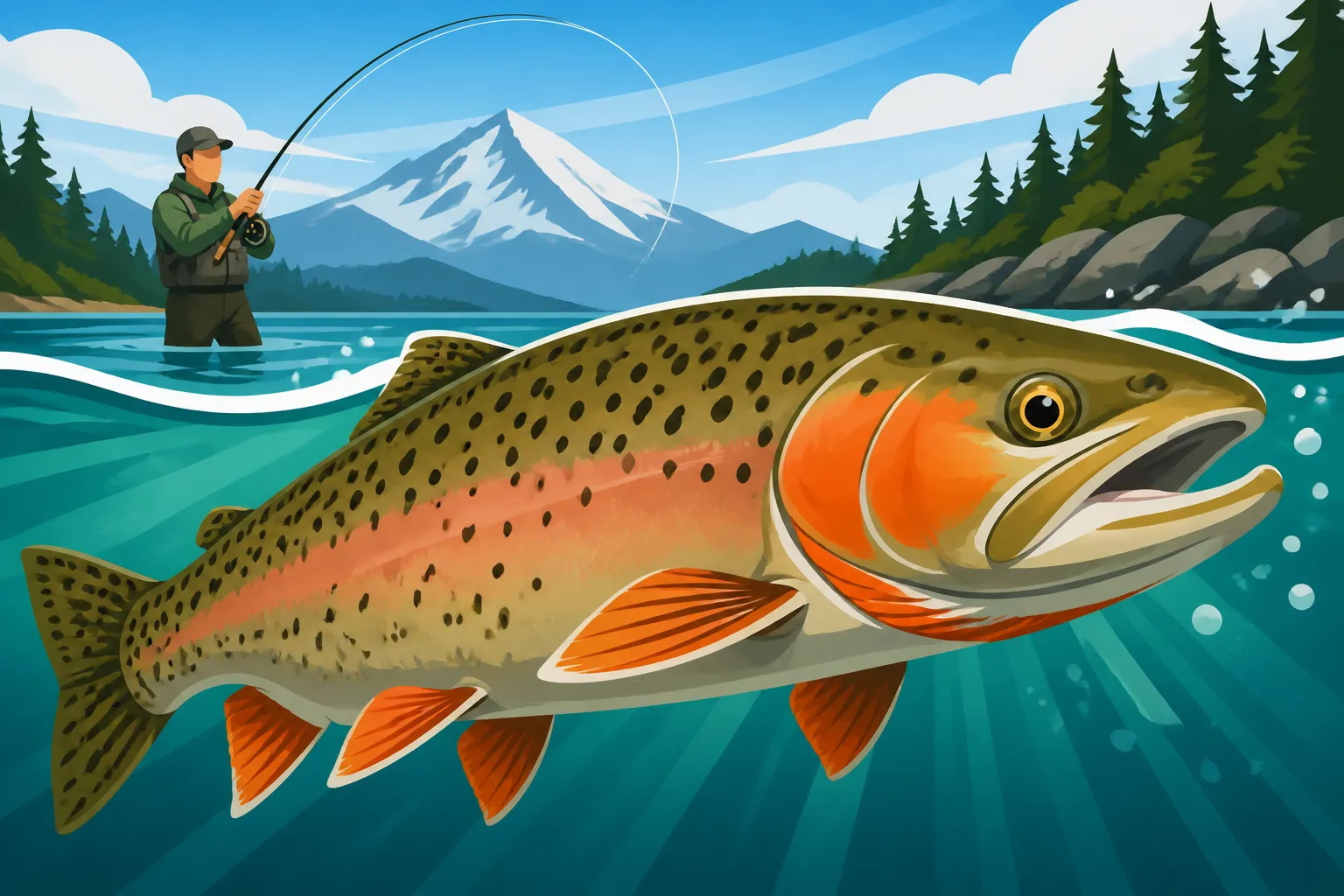
How Big Sea-Run Cutthroat Get
If you're an angler in Washington, especially one who loves exploring our diverse waters, you've likely heard whispers and tales of elusive sea-run cutthroat trout. These migratory beauties hold a special place in the hearts of many, but figuring out how big they actually get, and what constitutes a "trophy," can sometimes feel like chasing a phantom. This guide is here to shed some light on the typical sizes you can expect from Washington's sea-run cutthroat, what influences their growth, and what realistic expectations you should set when pursuing these unique fish.
Understanding the Sea-Run Cutthroat Life Cycle in Washington
Before we dive into the numbers, it's crucial to understand what makes a sea-run cutthroat tick. Unlike their resident counterparts that spend their entire lives in freshwater lakes and rivers, sea-run cutthroat embark on a fascinating journey, migrating between freshwater and saltwater. This anadromous behavior is what contributes significantly to their growth potential and distinct characteristics.
The Journey from Freshwater to Salt
Imagine a small cutthroat trout, perhaps just a few inches long, hatching in the gravel of a clear Puget Sound tributary or a coastal river. For their first year or two, these young fish will grow in the relative safety of their natal stream, feeding on aquatic insects and gradually increasing in size. As they mature, typically in spring or early summer, an innate urge calls them towards the larger, more abundant food sources of the estuary and open saltwater. This migration is a crucial phase, exposing them to a different diet and environment that influences their growth rate dramatically.
During their time in saltwater, often ranging from a few months to a year, these cutthroat become opportunistic predators, feasting on baitfish like herring, sand lance, and juvenile salmon, as well as shrimp and other crustaceans. This protein-rich diet, unavailable in most freshwater systems, allows them to pack on weight and length much faster than their resident cousins. They'll venture into Puget Sound's vast marine areas, cruising tidal flats, kelp beds, and river mouths, before returning to freshwater, often to spawn.
Why Their Size Varies So Much
The size of a sea-run cutthroat isn't a fixed number; it's a dynamic range influenced by a multitude of factors, much like any other wild creature. One key aspect is their "iteroparity," meaning they don't die after spawning like Pacific salmon. A sea-run cutthroat can return to freshwater, spawn, and then head back to saltwater multiple times throughout its life. Each successful return to the ocean provides another opportunity for growth, potentially adding inches and pounds to its frame.
However, each migration is also fraught with peril from predators, fishing pressure, and environmental challenges. Not every fish makes it back to spawn repeatedly. This means you'll encounter a wide spectrum of sizes, from smaller, younger fish just beginning their marine migrations to older, larger individuals that have survived several cycles of freshwater and saltwater life. The health and abundance of their foraging grounds in both systems also play a significant role.
Typical Sizes You Can Expect from Washington Sea-Run Cutthroat
When you're out on a Puget Sound beach or a coastal river estuary, what's a realistic expectation for the size of a sea-run cutthroat you might encounter? While the internet is full of "fish stories," understanding the average size helps manage expectations and appreciate every catch.
The Average Angler's Catch
For most anglers in Washington, a "typical" sea-run cutthroat will fall into the 12 to 18-inch range. These are robust, vibrant fish, often with a silvery sheen from their recent saltwater foray, adorned with their characteristic red "slashes" under the jaw. They're strong fighters, especially on light tackle, and provide an exhilarating experience for both seasoned and novice anglers. Many of these fish are likely on their first or second saltwater migration, having found success in the abundant forage of the Puget Sound or coastal bays.
It's common to catch multiple fish within this size bracket during a good day of fishing. While they might not be headline-making monsters, these average-sized cutthroat are healthy indicators of a thriving ecosystem and are the backbone of the fishery. Understanding their behavior and preferred habitats, like those discussed in Sea-Run Cutthroat in Washington's Puget Sound, can greatly improve your success rate in targeting these fish.
The "Good" Fish: Beyond the Average
Beyond the typical, you'll start to encounter what many consider "good" or "above-average" sea-run cutthroat, which generally measure between 18 and 22 inches. These are definitely impressive fish, often thicker-bodied and showing signs of multiple migrations. Landing a fish in this range is a significant achievement and often the result of persistence, skill, and a bit of luck. These larger individuals have navigated several seasons, avoided predators, and capitalized on rich feeding opportunities.
They are often more powerful fighters, capable of long runs and aerial displays. Catching one of these can certainly make your day, providing a memorable experience that keeps you coming back for more. They are often found in the same areas as smaller fish but might be more wary or hold in slightly different ambush points.
Factors That Influence a Sea-Run Cutthroat's Size
The size of a sea-run cutthroat isn't random; it's a complex interplay of environmental conditions, genetics, and age. Understanding these factors can not only deepen your appreciation for these fish but also help you target areas where larger specimens are more likely to thrive.
Habitat Health and Food Abundance
The health of both their freshwater and saltwater habitats is paramount to a cutthroat's growth. In freshwater, clean, cold, oxygenated water with ample insect life and good spawning gravel is essential for healthy juvenile development. However, it's their time in saltwater that truly fuels their growth spurt. Rich estuaries and productive nearshore marine environments, bursting with baitfish like herring and sand lance, are vital. Areas with healthy eelgrass beds, rocky reefs, and consistent tidal flows create ideal foraging grounds where cutthroat can fatten up.
If these critical habitats are degraded, or if forage fish populations decline, it directly impacts the growth rate and overall health of the cutthroat. A cutthroat that can consistently find abundant, nutrient-dense food sources will grow faster and larger than one struggling in a less productive environment. This is why maintaining healthy Puget Sound and coastal ecosystems is so crucial for the future of these magnificent trout.
Age, Spawning, and Lifespan
As mentioned earlier, sea-run cutthroat are repeat spawners, and this ability is a major determinant of their potential size. A cutthroat that survives multiple spawning migrations to freshwater and successfully returns to the nutrient-rich saltwater for several feeding seasons will naturally grow larger. Each year in the ocean adds inches and pounds. However, life is tough for a sea-run cutthroat. They face predators like seals, seabirds, and larger fish, as well as the gauntlet of fishing pressure.
Most sea-run cutthroat in Washington probably live for 3 to 6 years, with a few exceptional individuals making it to 7 or even 8 years. A fish reaching the upper end of that age spectrum, having completed multiple successful spawning and feeding cycles, is often the one that turns into a "trophy." The older they get, the larger they grow, provided they can continue to find food and evade danger.
Genetic Potential and Stock Differences
Just like humans, fish populations have genetic variations that can influence their maximum size. Some populations of cutthroat might simply be genetically predisposed to grow larger than others, even under similar environmental conditions. This genetic component is often tied to the specific river systems they originate from and the unique pressures and opportunities those systems present.
While it's difficult for an angler to pinpoint specific "big fish" genetics in the field, it's an underlying factor that contributes to the overall size structure of different cutthroat populations throughout Washington. The diversity of habitats from the Olympic Peninsula rivers to the various drainages feeding Puget Sound can lead to subtle but noticeable differences in the average size and maximum potential of the sea-run cutthroat found there.
Chasing Trophy Cutthroat: What's Realistic for Washington Anglers
The quest for a "trophy" sea-run cutthroat is a strong motivator for many anglers. But what does a trophy actually look like in Washington, and how realistic is it to catch one?
Defining a "Trophy" Sea-Run Cutthroat
For most Washington anglers, a "trophy" sea-run cutthroat is generally considered to be anything over 20 inches, with fish in the 22 to 24-inch range being truly exceptional. While tales of 25-inch-plus cutthroat certainly exist, these are extremely rare, once-in-a-lifetime catches that often become the stuff of legend. The Washington State record, if you were to check the official WDFW records, would illustrate just how infrequently those truly giant fish are encountered.
These larger fish are typically older, having survived many years and numerous migrations. They've likely developed patterns of feeding and evasion that make them incredibly challenging to catch. Landing one of these magnificent specimens is a testament to an angler's skill, patience, and often, their willingness to put in countless hours on the water.
The Realities of Big Fish Hunting
While the dream of a giant cutthroat is captivating, the reality is that they are few and far between. You might fish for years, catching hundreds of respectable 12-18 inch fish, before encountering one that truly pushes the 20-inch mark. This is not to discourage you, but rather to set realistic expectations. Every fish, regardless of size, offers a chance to connect with nature and refine your angling skills. When pursuing these larger fish, it's common to adopt a Catch-and-Release Rules During Wild Steelhead Closures mentality, as these older, larger fish are vital to the health of the population's gene pool.
To increase your chances, focus on areas known for good forage and healthy habitat. Fishing during cooler months, when cutthroat are often more aggressive and concentrated, can also be beneficial. Pay close attention to tides, water clarity, and baitfish presence. Sometimes, a subtle change in fly pattern or lure can make all the difference, for example, using some of the proven flies mentioned in Flies That Work for Sea-Run Cutthroat in Puget Sound.
Gear and Technique for Larger Cutthroat
While smaller sea-run cutthroat can be caught on a variety of gear, targeting larger ones often benefits from specialized approaches. Fly anglers might opt for slightly heavier rods (5-7 weight) to better cast larger streamers that imitate baitfish, while spinning anglers might use medium-light rods with lures like spoons, jigs, or twitching jigs. Leader strength is also a consideration; while you might use lighter tippets for typical trout, larger cutthroat might warrant a bit more backbone, especially if you're fishing around structure.
Having the right gear is key, and it doesn't always mean breaking the bank. You can find excellent quality rods, reels, and lines on platforms like Amazon that are perfectly suited for targeting these aggressive predators. Don't forget essentials like a good net, preferably rubberized to protect the fish, and a pair of forceps for easy, safe hook removal – especially when practicing catch and release. Many anglers also find a reliable wading jacket to be indispensable, whether you purchase one from a local tackle shop or through an online retailer like Amazon.
Here's a quick overview of typical versus trophy sizes for Washington Sea-Run Cutthroat:
| Characteristic | Typical Catch (Average) | Above Average | Trophy (Rare) |
|---|---|---|---|
| Length | 12-18 inches | 18-22 inches | 22+ inches |
| Weight | 0.5 – 2 pounds | 2-4 pounds | 4+ pounds |
| Age | 2-4 years | 4-6 years | 6-8+ years |
| Migrations | 1-2 saltwater trips | 2-4 saltwater trips | 4+ saltwater trips |
| Commonality | Very Common | Less Common | Extremely Rare |
Responsible Angling for Sustainable Fisheries
Catching any sea-run cutthroat is a privilege, and practicing responsible angling is crucial to ensure these incredible fish continue to thrive for future generations. This is especially true when it comes to the larger, older fish that are so important for spawning.
Prioritizing Catch and Release
For larger sea-run cutthroat, particularly those pushing or exceeding 20 inches, catch and release is highly recommended. These older, more experienced fish are critical for maintaining a healthy and genetically diverse population. They've proven their resilience and ability to survive, passing on those strong genes. When you do catch a larger fish, minimize its time out of the water. Handle it gently with wet hands, support its weight horizontally, and release it quickly. The quicker it gets back into the water, the higher its chances of survival.
Understanding how to properly handle fish is a skill every angler should cultivate. This includes knowing What a Sea-Run Cutthroat Looks Like so you can quickly identify it, and having the right tools like a good net and de-hooker to ensure a smooth release. Even when regulations allow for retention, choosing to release these bigger fish contributes directly to the long-term health of the fishery.
Knowing the Regulations and Seasons
Even with the best intentions, you still need to be fully aware of current Washington fishing regulations. Rules regarding retention, gear, and specific areas can change seasonally, and sometimes even with emergency closures. Always check the latest WDFW regulations before heading out. Sometimes there are specific rules for different bodies of water, or even restrictions based on whether you're fishing from a boat or bank, like those outlined in Fishing From Boats vs Banks: Different Rules.
The Washington Department of Fish and Wildlife (WDFW) regularly updates their fishing pamphlet and emergency rules online. It's your responsibility to know what's open, what's closed, and what the bag limits are, even if you plan to release everything. Staying informed helps protect the resource and avoids potential penalties, which can be significant, as covered in Fines and Penalties for Common Fishing Violations.
The Value of Every Fish
Ultimately, whether you land a modest 14-inch sea-run cutthroat or that elusive 22-inch behemoth, every fish offers a unique experience. The thrill of the chase, the beauty of the Washington landscape, and the challenge of outsmarting these wild trout are what truly make sea-run cutthroat fishing so rewarding. Don't get too hung up on size; instead, cherish the moments on the water and the opportunity to connect with one of Washington's most iconic and resilient fish species. Remember that even the smaller fish are growing into those larger specimens you hope to catch someday. It's a continuous cycle that we, as anglers, play a vital role in protecting.
Disclaimer
This article is for general informational purposes only and does not constitute professional advice. Laws, prices and regulations vary by location and change over time. Consult a qualified professional for guidance on your specific situation.