Sea-Run Cutthroat in Washington’s Puget Sound
It's a common dream for many Washington anglers: standing on a Puget Sound beach, or quietly working an estuary, with the hope of hooking into a truly wild, native fish that offers a spirited fight and a flash of silver. But let's be honest, the vastness of Puget Sound can be overwhelming, and knowing where to even begin targeting elusive sea-run cutthroat trout can feel like searching for a needle in a haystack. This guide is here to cut through the confusion, offering a comprehensive look at how you can successfully pursue these incredible fish right here in Washington's beautiful Puget Sound, making your angling dreams a reality.
Understanding Sea-Run Cutthroat Trout in Puget Sound
Let's dive right into what makes these fish so captivating. Sea-run cutthroat trout aren't just any trout; they are a truly unique and special part of Washington's natural heritage, exhibiting a fascinating life cycle that sets them apart from their purely freshwater cousins. Understanding their habits, their appearance, and their place in the ecosystem is the first step to becoming a successful angler. They're resilient, cunning, and perfectly adapted to the dynamic environment of Puget Sound.
What Makes Them So Special and Elusive!
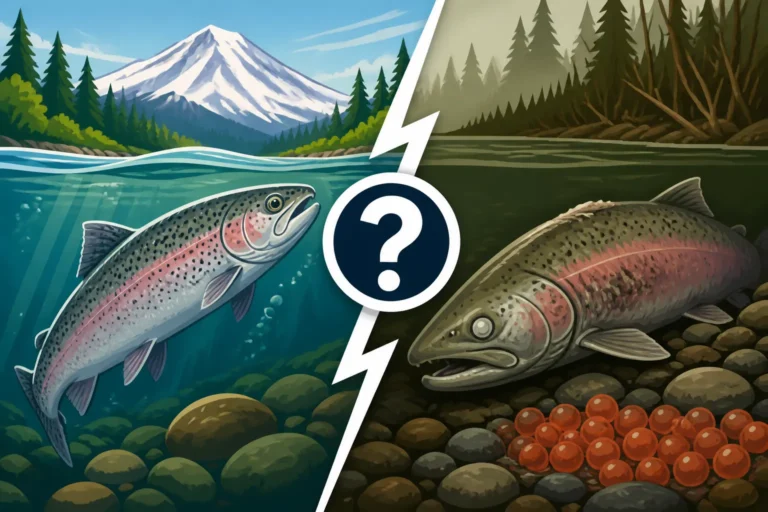
What makes a sea-run cutthroat so much more than just a trout? For starters, they're anadromous, meaning they spend part of their lives in freshwater and part in saltwater. They hatch in freshwater streams and rivers, migrate to the marine environment of Puget Sound to feed and grow, and then return to freshwater to spawn. Unlike salmon, which typically die after spawning, cutthroat can and often do return to spawn multiple times throughout their lives, making them incredibly hardy and valuable fish to the ecosystem. This back-and-forth movement is what gives them their "sea-run" designation and contributes to their elusive nature.
Their elusiveness isn't just about their migratory habits, though. Sea-run cutthroat are apex predators in their small world, constantly on the move, hunting for baitfish, shrimp, and insects. They are ambush predators, often holding in structure or current seams, waiting for an unsuspecting meal to drift by. This means they can be here one minute and gone the next, following schools of bait or retreating with the tide. They're also known to be quite selective, especially in clear water, and can be picky about what they'll strike. This combination of movement, predatory instinct, and wariness makes them a rewarding challenge for any angler, demanding both patience and skill. The thrill of tricking one of these wild, silver bullets into biting is truly unmatched.
Identifying Your Catch: Sea-Run Cutthroat vs. Others
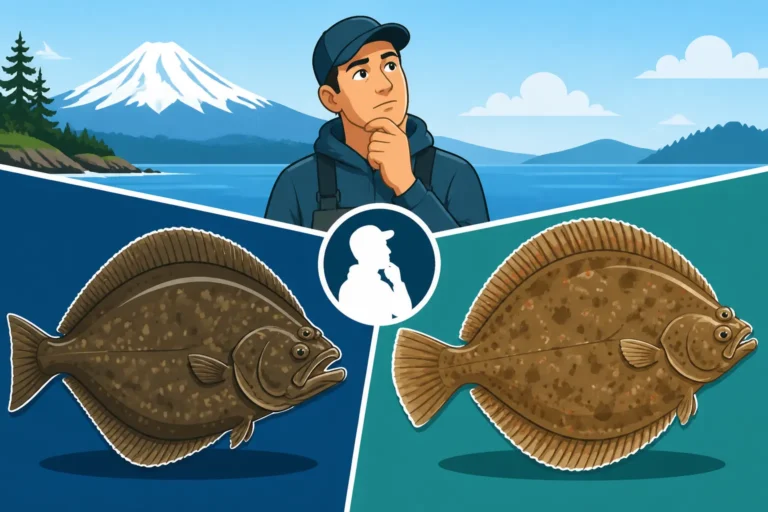
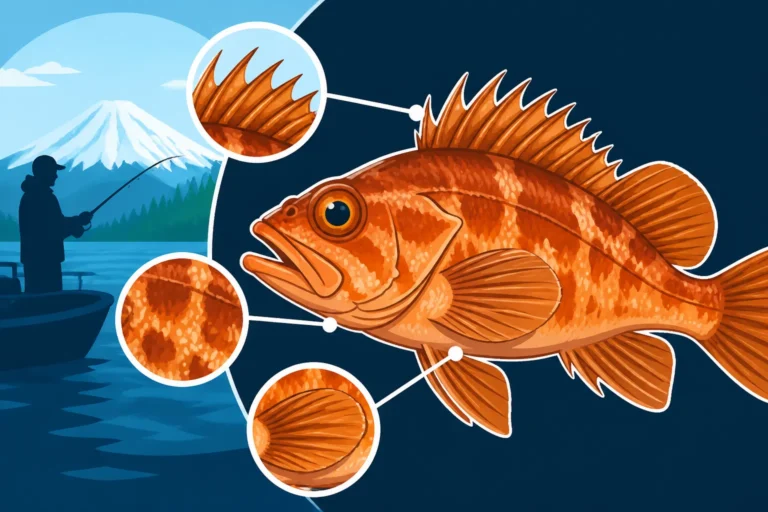
Proper identification is paramount when you're fishing in Washington, not just for the satisfaction of knowing what you've caught, but also for adhering to regulations. A sea-run cutthroat trout has some distinctive features that, once you know them, make them easier to pick out from other fish you might encounter in Puget Sound. The most prominent feature, and the one that gives them their name, is the presence of red or orange slashes on the underside of their jaw, in the folds of the gill plate. These can vary in intensity but are almost always visible.
Beyond the "cutthroat" slash, look for smaller, irregular spots that tend to be more concentrated towards the tail, rather than evenly distributed over the entire body like some rainbow trout. Their overall coloration can range from a chrome-bright silver when they've recently been in saltwater to a more olive-green or bronze hue when they've spent time in freshwater. They typically have a larger mouth compared to some other trout species, extending back to at least the middle of the eye. It's important to differentiate them from juvenile salmon, which might have similar body shapes but lack the distinct jaw slashes and often have vertical parr marks along their sides. Understanding the difference between a Cutthroat Trout vs Rainbow Trout in Washington and even knowing How to Tell a Steelhead From a Rainbow Trout will be invaluable on the water.
To help you keep track, here's a quick comparison of key identification features for common species you might encounter in Puget Sound:
| Feature | Sea-Run Cutthroat Trout | Juvenile Salmon (e.g., Chinook, Coho) | Resident Rainbow Trout (no ocean phase) |
|---|---|---|---|
| Jaw Markings | Red/orange slash on underside of jaw (distinctive) | No distinct red/orange jaw slash | No distinct red/orange jaw slash |
| Spots | Small, irregular spots, often concentrated near tail | Often have distinct oval-shaped parr marks (vertical) | More evenly distributed, smaller spots over body |
| Tail Fin | Slightly forked to square, often spotted | More deeply forked, less spotted | Slightly forked to square, often unspotted or lightly |
| Body Color | Silver (saltwater) to olive/bronze (freshwater) | Silvery, often with iridescent hues | Varied, typically silvery-pink or olive with a red band |
| Mouth Size | Mouth often extends to or beyond the middle of the eye | Varies by species, but generally smaller than cutthroat | Mouth usually does not extend beyond the eye |
Where to Find Sea-Run Cutthroat in Puget Sound
Now that you know what you're looking for, the next big question is: where do these amazing fish actually hang out? Puget Sound is vast, but sea-run cutthroat aren't just swimming around aimlessly. They favor specific habitats that offer food, shelter, and easy access to both fresh and saltwater. Understanding these key locations and how tides influence them will dramatically improve your chances of success.
Key Habitats: Estuaries, Beaches, and River Mouths
Sea-run cutthroat trout are creatures of transition, thriving in the dynamic zones where fresh water meets salt water. This makes estuaries prime real estate for these fish. Estuaries are incredibly rich environments, teeming with baitfish, shrimp, and other invertebrates that form the bulk of a cutthroat's diet. Look for areas with tidal flats, eelgrass beds, and submerged structure like fallen trees or rocky points within these estuaries. These spots offer both cover for ambush and a buffet of food. The protected waters of places like Hood Canal, for example, have numerous small estuaries and creeks that can hold concentrations of these fish. You might even find cutthroat in similar areas where you would consider Where to Fish Hood Canal for Shrimp and Salmon, indicating the richness of these ecosystems.
Beyond the sheltered estuaries, sea-run cutthroat are also frequently found cruising Puget Sound's many beaches. Not just any beach, mind you, but particularly those with rocky outcrops, gravelly stretches, or areas where current eddies form around points and structure. These are the places where baitfish like sandlance (candlefish) and juvenile herring tend to congregate, and where cutthroat will patrol, ambushing their prey. Think about beaches on Whidbey Island or even stretches along the Kitsap Peninsula where fresh water drains into the Sound. River mouths are perhaps the most obvious congregation points, serving as highways for cutthroat as they move between their freshwater spawning grounds and the saltwater feeding grounds. Anywhere a stream, creek, or river empties into Puget Sound, especially smaller, lesser-known ones, can be a hotspot. These locations are also key access points, so understanding things like Puget Sound Salmon Closures: What Washington Anglers Need to Know for salmon will often give you clues about broader fishing activity in the area, even if your target is cutthroat.
Tidal Influences and Why They Matter
If there's one factor that dictates the success of sea-run cutthroat fishing in Puget Sound, it's the tide. These fish are incredibly sensitive to tidal movements, using the shifting water to their advantage for hunting and migration. Ignoring the tide chart is like trying to drive a boat with no fuel – you're just not going to get anywhere. The incoming tide often pushes baitfish and other forage closer to shore, concentrating them in shallower areas where cutthroat can easily ambush them. As the tide floods, it can also bring in warmer or cooler water, influencing where baitfish prefer to hold, and consequently, where the cutthroat will be.
Conversely, the outgoing tide can also be productive. As water recedes from tidal flats and shallower areas, it can funnel baitfish through specific channels or over rocky ledges, creating another excellent opportunity for cutthroat to feed. Many experienced anglers find the hour or two before and after a high or low slack tide to be particularly fruitful, as the slowing currents offer a prime feeding window before the water starts ripping again. Observing current breaks, eddy lines behind points, and even subtle rips can reveal where baitfish are being concentrated by the moving water, and where the cutthroat will likely be waiting. Paying close attention to the tidal charts and understanding Best Tide for Puget Sound Salmon Fishing in Washington principles will serve you well when pursuing cutthroat.
Gear and Tackle Essentials for Puget Sound Cutthroat
You wouldn't try to change a tire with a butter knife, and you shouldn't try to catch sea-run cutthroat with the wrong gear. These fish, while not massive, are strong, fast, and often require a delicate touch and precise presentation. Having the right tools for the job not only makes the experience more enjoyable but significantly increases your chances of success. It's about matching your setup to the specific challenges of fishing Puget Sound's diverse shorelines and estuaries.
Rods, Reels, and Lines: The Right Setup
For most Puget Sound sea-run cutthroat scenarios, you'll want a lightweight, sensitive setup that allows for long casts and subtle presentations. If you're going the spinning route, a rod in the 7 to 9-foot range with a light to medium-light action is ideal. This length gives you the casting distance needed to cover water from shore and the sensitivity to detect those light cutthroat bites. Pair this with a matching spinning reel, typically a 2000 to 3000 size, spooled with 4 to 8-pound monofilament or braided line. If you opt for braid, which offers excellent sensitivity and casting distance, be sure to tie on a fluorocarbon leader (4 to 8-pound test) of about 3 to 6 feet. Fluorocarbon is nearly invisible underwater and adds abrasion resistance, which is crucial around rocky areas.
For fly anglers, a 5 to 7-weight fly rod is generally perfect. A 9-foot rod is standard and offers excellent versatility for casting various fly sizes. You'll want a matching reel with a smooth drag, as a strong cutthroat can still put a bend in your rod and pull some line. Most fly fishing for sea-runs involves a floating fly line with a long leader (9-12 feet, tapered down to 6-10 lb test). However, an intermediate sinking line can be incredibly effective for getting your flies down just a bit deeper, especially when the fish are holding in slightly deeper water or when fishing in strong currents. The key is balance – a rod, reel, and line that feel good together, allowing you to cast effortlessly and feel every subtle twitch. Many of these items are readily available, and you can often find great deals on specialized gear on Amazon to help you build your ideal setup. Just as when considering Rod and Reel You Need for Washington Puget Sound Salmon, versatility and sensitivity are paramount for cutthroat.
Lures and Flies: Matching the Hatch (or Baitfish)
Sea-run cutthroat are opportunistic feeders, but they can also be surprisingly selective. Your choice of lure or fly should primarily imitate the natural forage available in Puget Sound: small baitfish, shrimp, and aquatic insects. For spin anglers, small, compact spoons are incredibly effective. Think about classics like a 1/8 to 1/4 ounce Kastmaster or Little Cleo in silver, blue, or chartreuse. Small spinners, such as a Rooster Tail or Blue Fox Vibrax in similar colors, also work wonders, especially in moving water or around river mouths. Small twitching jigs (1/8 to 1/4 ounce) dressed with soft plastics resembling shrimp or small baitfish can also be deadly when fished with an erratic retrieve.
Fly anglers have a similar goal: imitate the food. Clouser Minnows and Deceivers are staple patterns, representing baitfish, and can be tied in various sizes and colors like olive, white, grey, or blue over white. Surf Candies are fantastic imitations of sandlance, a favorite food source for cutthroat. Shrimp patterns, especially those with some flash, can be very effective in estuaries and tidal channels. And don't forget the general attractor patterns like a Woolly Bugger in black or olive, especially when you're unsure what they're keying on. The key is to have a selection of sizes and colors to adapt to different light conditions and forage. Before you head out, checking online retailers like Amazon for a good selection of these essential lures and flies can save you time and ensure you're well-equipped for your next outing.
Here's a table of some popular and effective lures and flies for Puget Sound sea-run cutthroat:
| Type | Name / Description | Ideal Conditions / Notes |
|---|---|---|
| Spoon | Kastmaster (1/8 – 1/4 oz), Little Cleo | Versatile; excellent for casting distance. Silver, blue, chartreuse. |
| Spinner | Rooster Tail, Blue Fox Vibrax (size 2-4) | Great in moving water or river mouths. Silver blade, bright body. |
| Jig | Small Twitching Jigs (1/8 – 1/4 oz) | Paired with soft plastics (grubs, swimbaits). Erratic retrieve. |
| Baitfish Fly | Clouser Minnow, Deceiver, Surf Candy | Imitates sandlance, herring, or juvenile salmon. White, olive, blue. |
| Shrimp Fly | Puget Sound Shrimp, Crazy Charlie | Effective in estuaries and around eelgrass beds. Tan, pink, clear. |
| Attractor Fly | Woolly Bugger (black, olive, brown) | Good all-around pattern when fish aren't selective. |
Effective Techniques for Catching Sea-Run Cutthroat
Now that you're geared up and know where to look, it's time to talk strategy. Catching sea-run cutthroat isn't always about brute force; it's often a game of finesse, observation, and understanding the nuances of how these fish hunt. Mastering your cast and retrieve, along with knowing how to adapt to environmental factors, will put you leaps and bounds ahead of other anglers.
Casting and Retrieving: Mastering the Presentation
When fishing for sea-run cutthroat from shore or a boat, covering water effectively is crucial. Don't just cast to the same spot repeatedly. Instead, use a "fan casting" approach, casting to your left, then gradually moving your casts across to your right, covering a wide swath of water. Pay close attention to any visible structure – rocks, logs, current seams, or even subtle changes in depth – as these are prime ambush points for cutthroat. Often, casting parallel to the shoreline, especially along a rocky bank or eelgrass bed, can be incredibly productive, as you're presenting your lure or fly directly along their suspected patrol route.
The retrieve is just as, if not more, important than the cast. Sea-run cutthroat often respond best to an erratic retrieve that mimics a wounded baitfish or a darting shrimp. For spinning tackle, experiment with a steady retrieve interspersed with quick twitches of the rod tip, short pauses, or sudden bursts of speed. For fly fishing, the "strip-strip-pause" retrieve is a classic for a reason: two quick strips of the fly line followed by a brief pause often entices a strike from a following fish. When fishing around currents, try casting slightly upstream and allowing your lure or fly to drift naturally with the current, then begin your retrieve as it swings downstream. Remember, stealth is your friend; approaching your fishing spot quietly, especially on clear days, and making casts without spooking the fish, can make all the difference. Learning How to Fish a Buzz Bomb for Salmon might offer transferable skills for casting and retrieving similar lures for cutthroat, though with a typically lighter touch.
Tides, Weather, and Time of Day
As we discussed, tides are paramount, but they're not the only environmental factor influencing sea-run cutthroat. The time of day and prevailing weather conditions also play a significant role. Generally, dawn and dusk are often the most productive times to fish for cutthroat, especially when these align with a favorable tide. The low light conditions give them a sense of security and often correspond with increased baitfish activity. Overcast days can extend these productive low-light windows throughout the day, making midday fishing more viable than on bright, sunny days.
A light chop on the water surface is often considered ideal. It breaks up the water's surface, making it harder for the fish to see you on shore, and can also help stir up baitfish. Conversely, bright, calm, flat-water conditions tend to make cutthroat very spooky and hard to approach. They become far more aware of their surroundings, and any sudden movement or unnatural presentation can send them darting away. While rain might seem like a deterrent, a gentle rain can sometimes improve fishing, especially if it washes insects and other food into the rivers and estuaries, stimulating feeding activity. However, heavy rains that blow out rivers can sometimes make fishing difficult due to excessive turbidity. Understanding Best Time of Day to Fish for Salmon in Washington and how Does Weather Affect Washington Salmon Fishing? can help you plan your cutthroat trips more effectively, as many of these principles are transferable. When the conditions align, the fishing can be nothing short of magical.
Conservation and Ethical Angling for Sea-Run Cutthroat
Angling for sea-run cutthroat in Puget Sound is more than just catching fish; it's about connecting with a unique natural resource and being a good steward of that resource. These fish are wild, resilient, but also susceptible to pressure. Practicing responsible catch-and-release and adhering to all regulations are critical for ensuring healthy populations for future generations of anglers.
Catch-and-Release Practices: Protecting the Future
Many anglers who target sea-run cutthroat do so purely for the sport and joy of the catch, releasing their fish unharmed. This approach is vital for maintaining healthy populations, especially given that cutthroat can spawn multiple times throughout their lives. To ensure the highest survival rates for released fish, practice good catch-and-release techniques. First, try to minimize the time the fish spends out of the water. Handle the fish with wet hands, never dry, as dry hands can remove the protective slime coat, making the fish vulnerable to disease.
Use a rubberized landing net if possible; these are much gentler on a fish's fins and slime coat than traditional nylon nets. If you can unhook the fish while it's still in the water, even better. Consider crimping down the barbs on your hooks or using barbless hooks, which make release quicker and cause less damage to the fish's mouth. This is a common practice and in some areas, Barbless Hook Requirements on Washington Rivers are mandatory. Gently cradle the fish, supporting its belly, and allow it to revive itself in the water, facing into the current, until it swims away strongly on its own. It's a small effort that makes a huge difference. You can easily find barbless hooks and rubberized landing nets on Amazon, which are crucial tools for ethical catch-and-release.
Regulations You Must Know
Navigating fishing regulations in Washington can sometimes feel like trying to solve a puzzle, but it's an absolutely non-negotiable part of responsible angling. The Washington Department of Fish and Wildlife (WDFW) sets specific rules for sea-run cutthroat trout, and these can vary significantly depending on the particular marine area, estuary, or river system you're fishing. It's crucial to consult the most current WDFW regulations pamphlet or their website before every single trip.
Regulations typically cover aspects like open seasons, legal size limits (minimum and/or maximum), daily bag limits, and specific gear restrictions (e.g., fly-fishing only, bait restrictions, or mandatory barbless hooks). Some areas might even be designated as catch-and-release only for sea-run cutthroat. Remember, a valid Washington fishing license is always required, and depending on what else you're targeting or where you're fishing, additional endorsements might be necessary. Keep in mind that The Washington Catch Record Card and What It Requires also applies to certain species, so ensure you understand if cutthroat need to be recorded in your specific area. Don't rely on old information or hearsay; take the time to read Washington Fishing Regulations Every Angler Should Know and understand how to navigate Reading the Washington Sport Fishing Regulations Pamphlet to avoid any costly mistakes. If you're visiting from out of state, be sure to check the Washington Fishing License Guide for Nonresidents and remember that Can You Buy a Washington Fishing License Online? for convenience. Ignorance of the law is never an excuse, and wardens regularly patrol popular fishing spots.
Disclaimer
This article is for general informational purposes only and does not constitute professional advice. Laws, prices and regulations vary by location and change over time. Consult a qualified professional for guidance on your specific situation.