How Big Washington Kokanee Get
It's always exciting to wonder about the potential size of the fish you're chasing, and when it comes to kokanee salmon in Washington, there's a real range. Many anglers head out hoping for those perfect pan-sized kokanee, while others are truly on the hunt for a hefty "koke" that pushes the limits. This guide will dive deep into what determines their size, what you can typically expect to catch, and where you might find those legendary big ones in our beautiful state.
Understanding Washington's Kokanee Salmon
Kokanee are a truly unique and beloved fish species in Washington. They bring a specific kind of joy to anglers, whether you're trolling across a vast lake or jigging from a quiet boat. But to understand how big they get, we first need to understand what makes them tick.
What Exactly is a Kokanee?
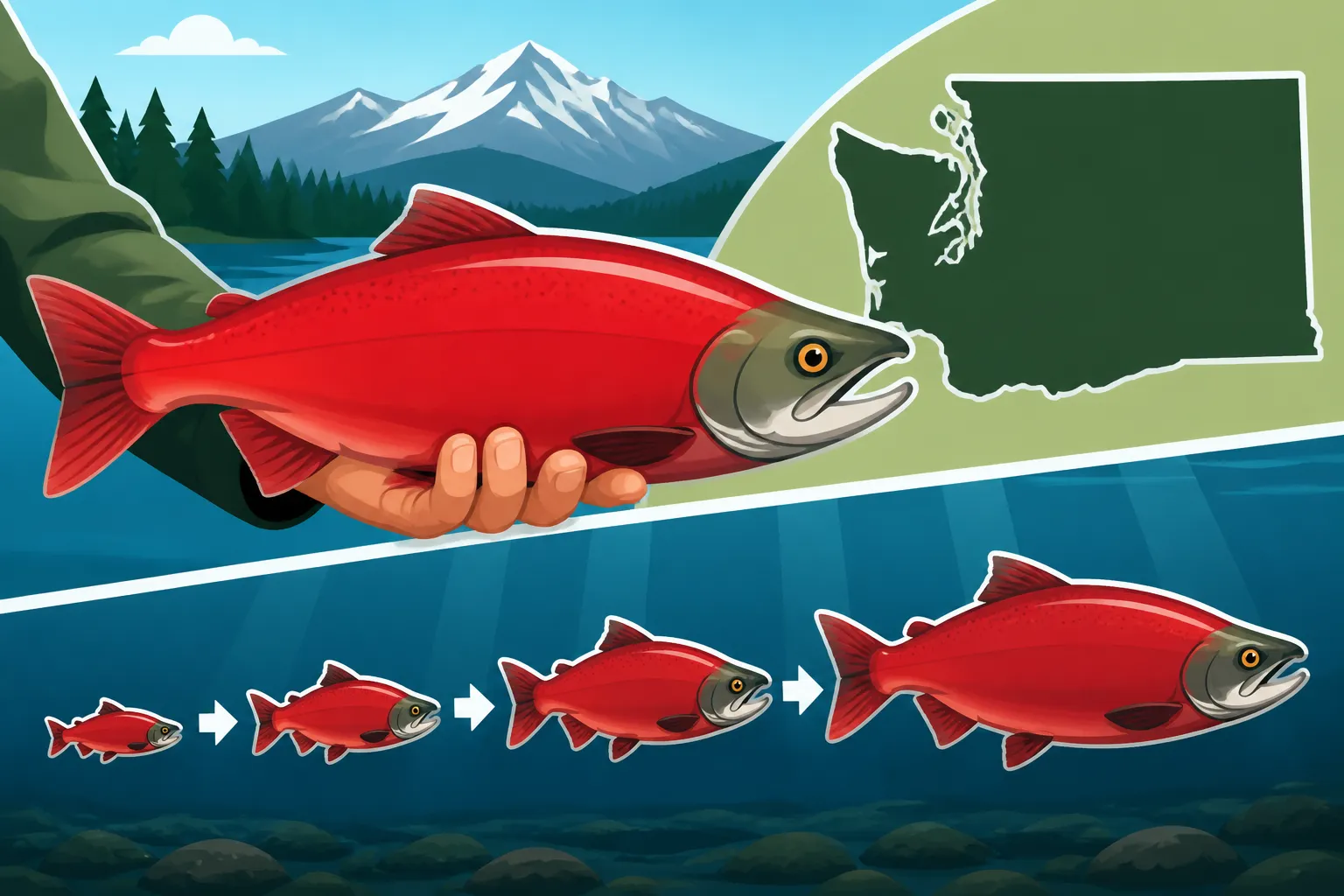
Think of kokanee as sockeye salmon that decided to stay home. They're technically a landlocked, freshwater form of sockeye, which means they complete their entire life cycle in lakes without ever venturing out to the ocean. This distinction is crucial because it means their growth is entirely dependent on the specific conditions of the lake they inhabit, unlike their ocean-going cousins who feast in the vast Pacific. They still retain that beautiful sockeye fight and their vibrant red spawning colors, making them a stunning catch. For a deeper dive into their origins, check out Kokanee vs Sockeye: What's the Difference.
They are typically found in deeper, colder lakes, often in large schools that move throughout the water column. Unlike other salmon that might eat a variety of things, kokanee are primarily plankton eaters. They have fine gill rakers designed to filter tiny zooplankton from the water, which means the abundance and quality of this microscopic food source directly impacts their health and growth. This specialized diet is one of the key factors in why their size can fluctuate so dramatically from one lake to another.
Catching kokanee is a distinct experience, often involving specialized gear and techniques. Their tendency to school up means that if you find one, you're likely to find many more, leading to fast-paced action. However, finding that initial school, and especially finding one that holds larger fish, is often the true challenge and what keeps anglers coming back for more.
Why Size Varies So Much
It's a common frustration among kokanee anglers: you hear tales of giants from one lake, only to visit another and find fish that are barely legal length. This isn't just random luck; there are very tangible ecological reasons behind these size discrepancies. It can be disheartening to spend a day on the water and only land small fish when you've heard whispers of much larger ones from the same region. This variation is part of the challenge and allure of kokanee fishing, but it's important to understand the underlying causes to manage your expectations and improve your success.
Many factors, from the size and depth of the lake to the specific genetics of the fish stocked, play a role. A lake with a perfect balance of abundant food, suitable water temperatures, and a healthy population density will almost always produce bigger kokanee than one lacking in these areas. It's a delicate ecosystem, and a change in any one of these elements can significantly impact the average size of the fish you'll encounter. Understanding these dynamics can help you choose where and when to fish for the best chance at a trophy.
Typical Sizes and Record-Breaking Kokanee in Washington
When you head out fishing for kokanee in Washington, what kind of size should you actually anticipate? While we all dream of catching a monster, it's good to have a realistic picture of what's common and what truly falls into the "trophy" category.
Average Kokanee Sizes You Can Expect
For most anglers in Washington, a typical kokanee will fall into the "pan-sized" category. This usually means fish ranging from about 10 to 14 inches. These are perfect for the dinner plate—delicious, easy to clean, and usually plentiful once you find a school. You'll often hear reports of anglers catching limits of these smaller, but highly prized, kokanee, especially in lakes that see heavy stocking.
However, don't be surprised if you occasionally encounter smaller fish, especially in lakes with very high population densities or limited food resources. On the flip side, some of our state's more productive lakes consistently produce fish in the 14- to 18-inch range, which are considered excellent catches. These larger "averages" are what often draw dedicated kokanee enthusiasts to specific bodies of water. The fight from an 18-inch kokanee is significantly more thrilling than a 10-inch one, adding to the angling experience.
Here's a quick look at how typical kokanee sizes stack up:
| Category | Typical Length (Inches) | Typical Weight (Pounds) | Notes |
|---|---|---|---|
| Small/Abundant | 8-12 | 0.25 – 0.75 | Common in high-density lakes; excellent table fare. |
| Average | 12-16 | 0.75 – 1.5 | What most anglers hope for; strong fight for their size. |
| Good/Larger | 16-18 | 1.5 – 2.5 | Sought-after, found in productive lakes. |
| Trophy Potential | 18+ | 2.5+ | Rare, but possible in specific lakes with ideal conditions. |
What Makes a "Trophy" Kokanee in Washington?
For many kokanee aficionados, a "trophy" kokanee starts around the 18-inch mark and goes up from there. A fish hitting or exceeding 20 inches in Washington is truly a remarkable catch and something most anglers will remember for a lifetime. These larger fish often come with a significantly thicker girth, indicating a healthy, well-fed specimen that has had ample time and resources to grow.
The excitement of landing a trophy kokanee isn't just about the size; it's about the challenge. These larger fish are often more elusive, requiring specific techniques, deeper trolling depths, or targeting in particular lakes known for producing giants. The vibrant colors they display, especially as they near spawning, combined with their strong fighting spirit, make them a truly rewarding prize. Many anglers dedicate entire seasons to chasing these bigger fish, refining their methods and exploring new waters.
Washington State Record and Near-Record Catches
Washington State has a proud history of producing some truly impressive kokanee. While specific weights and lengths of current records should always be verified directly through the Washington Department of Fish and Wildlife (WDFW) website, it's known that our state has yielded kokanee well over 5 pounds. These are absolute giants in the kokanee world, representing fish that have grown under nearly perfect conditions over several years.
Chasing a state record is a long shot, of course, but knowing that such fish exist fuels the passion of many anglers. Even if you're not breaking records, catching a kokanee that approaches the 3 to 4-pound mark is an exceptional achievement and places you in a select group of successful kokanee anglers. These near-record fish often come from specific, highly productive lakes that are carefully managed for quality kokanee fisheries. The thrill isn't just in the catch, but in the knowledge that you've outsmarted a truly magnificent specimen.
Factors Influencing Kokanee Growth and Size
It's not just luck that determines the size of a kokanee you pull from the water. There's a complex interplay of environmental and biological factors at play, much like how different soils affect crop yields. Understanding these elements can help you predict where bigger fish might be found and even inform your fishing strategy.
Lake Productivity and Food Availability
The most critical factor in kokanee size is the productivity of their lake environment. Since kokanee are primarily zooplankton feeders, the abundance and quality of this tiny food source directly translates to how much they can eat and how fast they can grow. Lakes that are nutrient-rich and support a thriving population of zooplankton often produce larger, healthier kokanee. Think of it like a buffet: if the buffet is constantly replenished with delicious, nutritious food, the patrons will be well-fed.
Conversely, lakes with low productivity or limited zooplankton will typically yield smaller kokanee, even if other conditions are ideal. This is often seen in oligotrophic lakes, which are typically deep, clear, and cold with low nutrient levels. While these lakes are beautiful, their biological productivity is often limited. Anglers targeting these less productive waters often manage their expectations for size, focusing instead on the solitude and the challenge of fishing in such pristine environments.
Population Density and Competition
Imagine a small plate of cookies for a large group of hungry kids. That's essentially what happens in a lake with a high population density of kokanee. When there are too many fish competing for a limited food supply, individual fish often experience stunted growth. They simply can't get enough to eat to reach their full genetic potential, resulting in a lake full of smaller, leaner kokanee. This is a common scenario in many heavily stocked lakes where the goal is to provide a high volume of catchable fish rather than trophy specimens.
Fishery managers often walk a fine line trying to balance population density with growth potential. Sometimes, a high-density fishery is desirable for providing consistent action for anglers, even if the fish are smaller. Other times, management aims for lower densities to allow individual fish to grow larger. If you find yourself in a lake where the kokanee seem consistently small despite good food, overpopulation might be the culprit.
Genetics and Stocking Programs
Just like people, different strains of kokanee have different genetic potentials for growth. Some strains are naturally predisposed to grow larger and faster, while others are geared towards higher survival rates or earlier maturity at a smaller size. Washington's WDFW, through its stocking programs, plays a significant role in influencing the genetic makeup of kokanee in many lakes.
When kokanee are stocked, the source of those fish (e.g., specific hatchery broodstock) can have a long-term impact on the fishery. Some stocking programs might prioritize quantity to ensure consistent angling opportunities, leading to smaller average sizes. Others might focus on strains known for their growth potential, hoping to produce trophy-sized fish in specific waters. It's a complex science, and the decisions made by fishery managers directly influence the size of the kokanee you eventually catch.
Water Temperature and Season Length
Kokanee are cold-water fish, but they still need warmer temperatures during certain periods to grow efficiently. A longer growing season, characterized by extended periods of optimal water temperatures (not too cold, not too warm), allows kokanee more time to feed and pack on weight. Lakes that warm up earlier in the spring and stay productive later into the fall often yield larger fish because the kokanee have more months of active feeding and growth.
Conversely, high-elevation lakes or those that remain very cold year-round might have shorter growing seasons, leading to smaller kokanee. While the fish might live longer in these cold environments, their metabolic rate is slower, and thus their growth is also slower. This is why you often see larger kokanee coming from expansive, deep lakes at lower elevations compared to smaller, colder mountain tarns.
Where to Find Washington's Largest Kokanee
If you're dreaming of a truly impressive kokanee, you need to know where to go. While there's no guarantee, certain lakes in Washington consistently produce larger-than-average kokanee due to their unique characteristics and management.
Top Lakes Known for Big Kokanee
Washington is blessed with numerous lakes that hold kokanee, but a few stand out for their ability to grow these landlocked salmon to impressive sizes. These aren't just random hotspots; they are typically deep, productive bodies of water that provide the ideal conditions for kokanee to thrive.
One of the undeniable kings of big kokanee is Lake Chelan. This massive, glacier-fed lake is incredibly deep and offers vast expanses of prime kokanee habitat. Its sheer size and productive waters allow fish to grow to exceptional sizes, with many anglers reporting fish in the 18-inch class and larger. Targeting these fish often involves specialized deep-water trolling techniques with downriggers. For more on this majestic lake, check out Lake Chelan, Washington for Mackinaw and Kokanee.
Another phenomenal fishery is Lake Roosevelt, the reservoir behind Grand Coulee Dam. This enormous body of water, formed by the Columbia River, boasts an incredibly productive ecosystem. The combination of abundant food, a vast water volume, and specific stocking programs has allowed Lake Roosevelt kokanee to reach impressive sizes. It's not uncommon to hear of anglers landing kokanee here that are pushing or exceeding the two-pound mark. If you're planning a trip to this area, you might find more helpful information in Lake Roosevelt in Washington for Kokanee and Walleye.
While not always producing the absolute largest fish, lakes like Merwin and Cushman on the west side of the state can also provide excellent opportunities for good-sized kokanee, often in the 14-16 inch range, which are still fantastic catches. Each of these lakes has its own unique character and fishing challenges, but they share the common trait of providing the resources necessary for kokanee to grow.
How to Target Bigger Kokanee
Catching a trophy kokanee often requires a different approach than simply filling a limit of smaller fish. It's less about quantity and more about precision and persistence. Firstly, timing is key. Larger kokanee are often deeper and more scattered, especially during the warmer months. Mastering techniques like downrigging becomes almost essential. These devices allow you to precisely control the depth of your lure, getting it right into the strike zone where bigger fish are feeding. If you're serious about deep-water trolling, having a quality downrigger and understanding how to use it will be a game changer. You can find a great selection of reliable downriggers on Amazon.
Lure selection also plays a significant role. While smaller dodgers and wedding rings will catch plenty of average kokanee, bigger fish sometimes respond better to larger hoochies, spoons, or even small plugs. Experiment with colors and sizes, paying attention to what the fish are keying in on that day. Fish finders are invaluable tools for locating schools of kokanee, especially those holding at specific depths. Being able to mark fish and then present your lure directly to them dramatically increases your odds. For more on specific techniques, consider exploring Jigging for Kokanee in Washington Lakes and Downrigging for Deep Kokanee in Summer, which cover methods often effective for larger specimens. If you're unsure if a fish finder is right for you, check out Can a Fish Finder Help You Locate Kokanee?.
Seasonal Considerations for Size
The size and even the appearance of kokanee can vary throughout the year, largely due to their life cycle. Early in the season, after the spawn of the previous year's fish, the remaining kokanee often have a leaner profile as they recover. However, as spring turns to summer, and feeding opportunities are abundant, they will pack on weight rapidly. Late summer and early fall are often when kokanee are at their heaviest, having spent months gorging on zooplankton. This is a prime time to target them for their maximum size and excellent table quality.
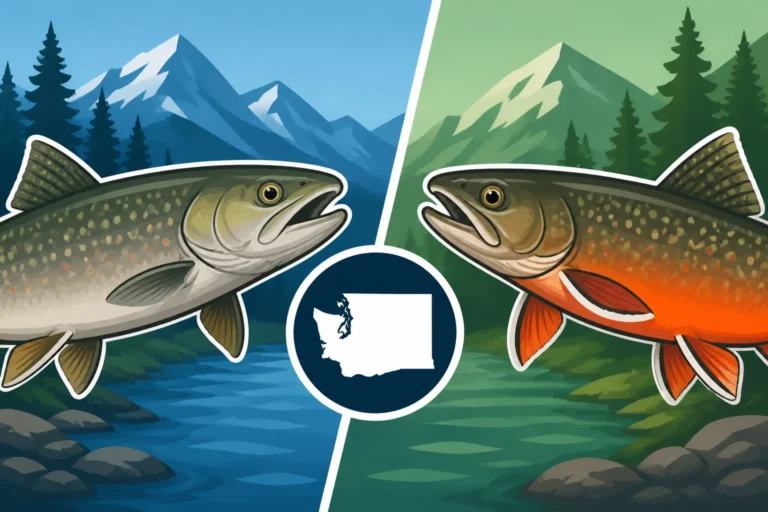
As kokanee approach their spawning run in late fall, their focus shifts from feeding to reproduction. Their bodies undergo dramatic changes, including developing the characteristic red coloration and hooked jaws for the males. While they might appear larger due to these physical transformations, their flesh quality can diminish as they expend all their energy on spawning. Therefore, for both size and culinary reasons, many anglers prefer to target kokanee from late spring through late summer.
Managing Expectations and Enjoying the Catch
While the allure of a trophy kokanee is strong, it's really important to keep perspective. Most fishing trips, especially for kokanee, are about the overall experience, not just landing a state record.
Most Kokanee are Pan-Sized, and That's Okay!
Let's be realistic: the vast majority of kokanee you'll catch in Washington will be in that delightful 10 to 16-inch range. And you know what? That's absolutely perfect! These pan-sized fish are incredibly delicious and provide a fantastic meal. There's a certain satisfaction that comes from catching a good number of these feisty, brightly colored fish. The action can be fast and furious, leading to an exciting day on the water, especially for families or newer anglers.
Don't let the pursuit of a giant overshadow the joy of the common catch. A stringer full of perfectly proportioned kokanee, ready for the smoker or the pan, is a testament to a successful day. They are truly one of the best-eating freshwater fish available, offering delicate, orange flesh. For more on how they stack up against other species, read Best-Eating Fish in Washington Waters. Plus, the tackle required for these smaller fish is often less complex, making it an accessible fishery for many.
The Thrill of the Chase for a Giant
Of course, there's always that underlying thrill of knowing a true monster kokanee could be out there. It's the reason we invest in better electronics, experiment with different lures, and spend hours studying lake contours. That possibility of hooking into a three-pound-plus kokanee—a fish that feels like a brick on the end of your line—is a powerful motivator. This challenge adds another layer of excitement to kokanee fishing, elevating it beyond a simple numbers game.
Whether you're content with a limit of pan-sized beauties or you're dedicating your efforts to finding that elusive lunker, kokanee fishing in Washington offers something for everyone. Remember to always check current regulations, as bag limits and other rules can change, which you can always find in Washington Fishing Regulations Every Angler Should Know. The most important thing is to get out on the water, enjoy the process, and appreciate every fish, big or small.
Disclaimer
This article is for general informational purposes only and does not constitute professional advice. Laws, prices and regulations vary by location and change over time. Consult a qualified professional for guidance on your specific situation.