Downrigging for Deep Kokanee in Summer
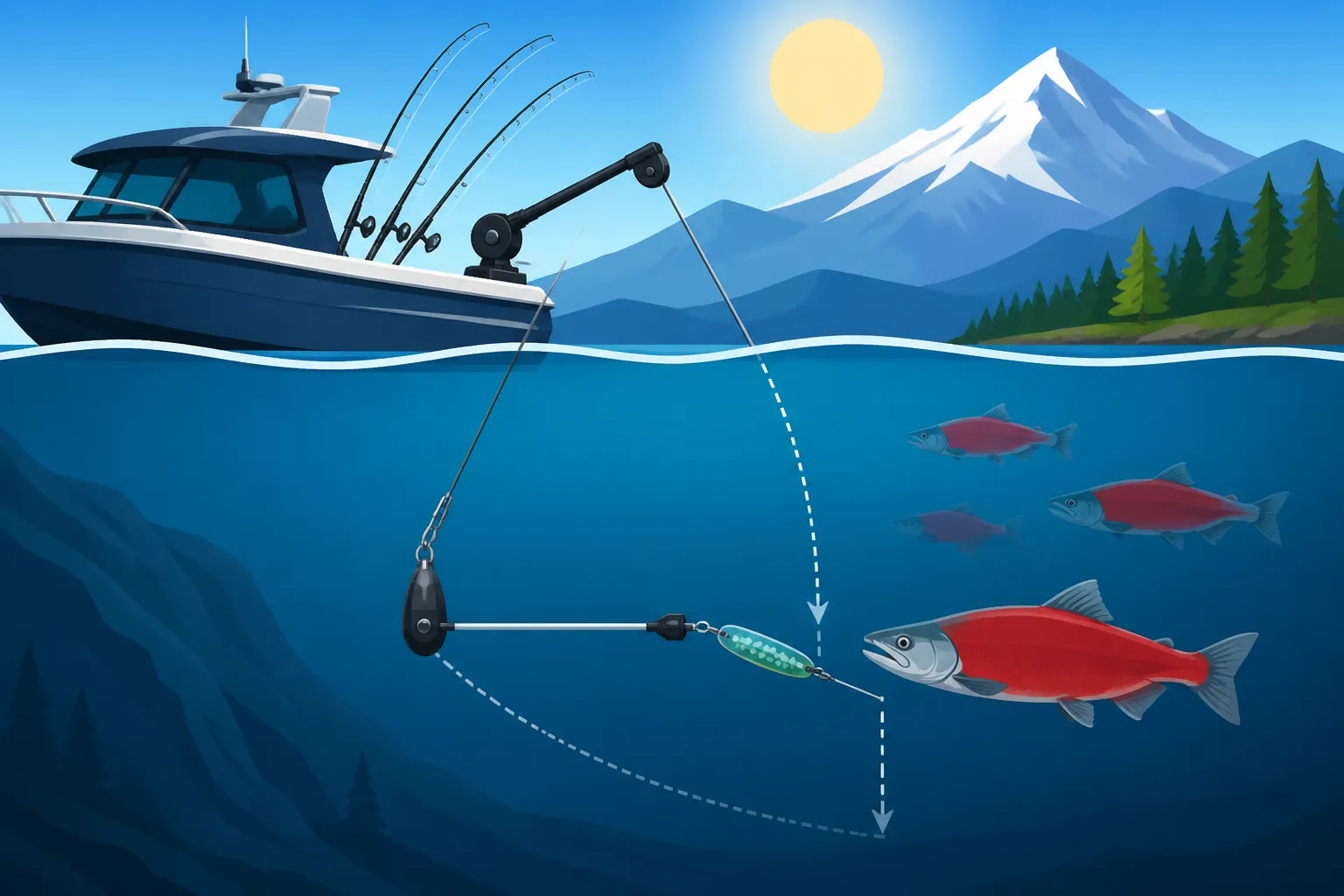
Summer in Washington brings incredible beauty, but if you're a Kokanee angler, it also brings a common frustration: those feisty landlocked sockeye salmon seem to disappear! They don't vanish entirely, of course, but they certainly move, often sinking to the cooler, darker depths. This comprehensive guide is here to unravel the mysteries of summer Kokanee behavior and equip you with the essential downrigging techniques to find and catch them when they've gone deep.
Why Kokanee Go Deep in Summer
It’s easy to feel defeated when your usual spring Kokanee spots dry up as the sun beats down. You might be trolling the same lures, at the same depths, with no luck, and start wondering if the fish just packed up and left. The truth is, Kokanee are creatures of comfort, and their comfort zone changes dramatically with the seasons. Understanding why they go deep is the first step to successfully catching them.
Understanding Kokanee Biology and Behavior
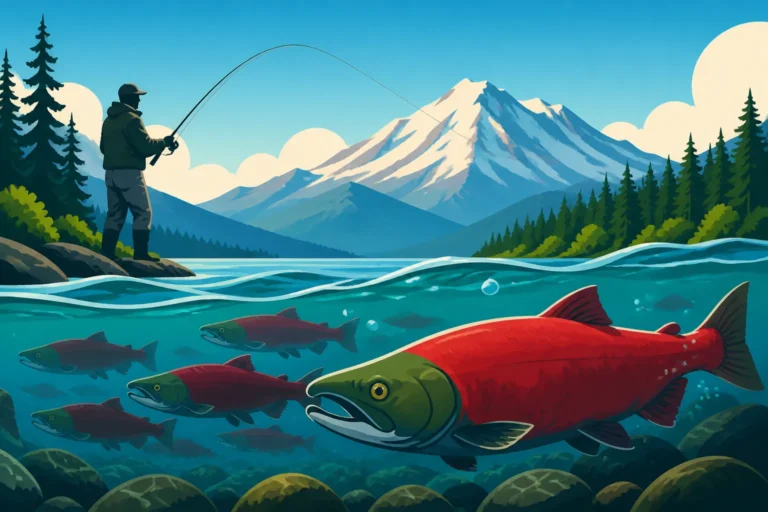
Kokanee salmon are a unique species in Washington's freshwater systems, being the non-migratory, landlocked form of sockeye salmon. Unlike their anadromous relatives that migrate to the ocean, Kokanee spend their entire lives in freshwater lakes, making them a fantastic target for freshwater anglers. They are plankton eaters, sifting microscopic organisms from the water column, which means their movements are heavily dictated by the availability of this food source, as well as their preferred environmental conditions. As summer progresses, the top layers of lakes become warmer and less hospitable, prompting a significant shift in their behavior. This isn't just a slight adjustment; it's a full-blown migration to the coolest, most oxygenated water available.
Think of it like us seeking refuge from a heatwave – we head for air conditioning or a cool pool. Kokanee do the same, but their "air conditioning" is found much deeper in the lake. They are also schooling fish, which means if you find one, there's a good chance you've found a whole bunch. This schooling behavior can make them seem to disappear entirely from shallower water, only to be found in dense pockets once you hit the right depth. Knowing this helps alleviate the frustration of empty nets and encourages you to adjust your approach rather than give up.
The Impact of Water Temperature and Oxygen Levels
The primary drivers for Kokanee's summer depth migration are water temperature and oxygen levels. As surface waters warm up significantly in July and August, reaching temperatures well into the 70s or even 80s Fahrenheit in some Washington lakes, Kokanee find these conditions intolerable. They thrive in cooler water, ideally between 45 and 55 degrees Fahrenheit. This preferred temperature range is usually found much deeper in the lake, below the thermocline – the layer where water temperature changes rapidly with depth.
Simultaneously, the biological processes in the warmer surface waters can deplete oxygen levels. Decomposition of organic matter and increased metabolic rates of organisms in warmer water consume dissolved oxygen, creating areas that are less habitable. Kokanee, like most fish, need sufficient oxygen to survive, and they will actively seek out "oxygen refugia" – deeper layers where cold, oxygen-rich water persists. This combination of thermal preference and oxygen demand pushes them into the depths, sometimes 50, 80, or even over 100 feet down, depending on the lake's stratification. Understanding these environmental factors is crucial for successful downrigging, as it helps you target the specific depths where Kokanee are most likely to be holding.
Essential Downrigging Gear for Kokanee
Okay, so we know they're deep. Now, how do we get our lures down there effectively? This is where downrigging comes into its own. It might seem like a lot of specialized gear at first glance, but once you understand the components, it’s quite straightforward and opens up a whole new world of deep-water fishing opportunities. Getting the right setup is paramount for consistent success.
Rods, Reels, and Line for Downrigging
When it comes to downrigging for Kokanee, you'll want a setup that can handle the unique stresses of the technique while still being sensitive enough to detect the often subtle bite of these fish. Start with rods that are typically 7 to 8.5 feet long with a moderate or medium-light action. Fiberglass or composite rods are popular because they offer a good balance of sensitivity and forgiveness, absorbing the shock of a hooked fish and the initial strike after the line releases from the downrigger clip. The moderate action is key for loading up nicely when a fish hits, helping to keep it pinned.
For reels, a good quality baitcasting or small level-wind reel is often preferred over spinning reels for downrigging. Look for something with a smooth drag system and a line counter. The line counter is invaluable because it allows you to precisely know how much line is out, which directly correlates to the distance your lure is behind the boat after it releases from the downrigger. A reel with a capacity for at least 150-200 yards of line is usually sufficient. As for line, 10-15 pound monofilament is a popular choice due to its stretch, which acts as a shock absorber. However, many anglers are switching to braided line (20-30 lb test) for its no-stretch sensitivity, allowing them to feel even the lightest taps. If you go with braid, consider a monofilament or fluorocarbon leader (6-10 lb test, 10-20 feet long) to maintain some stealth and shock absorption near the lure.
The rod and reel combination should feel balanced in your hands, allowing for comfortable deployment and retrieval over extended periods. Remember, you'll be holding onto these setups, sometimes for hours, as you troll. Investing in decent quality gear will pay dividends in comfort and performance.
Downriggers: Manual vs. Electric and Their Components
The heart of deep-water trolling is the downrigger itself. These devices allow you to precisely control the depth of your lure. You essentially have two main types: manual and electric. Manual downriggers are cranked up and down by hand. They are more affordable and perfectly functional for smaller boats or those on a budget. However, repeatedly cranking a heavy cannonball weight up from 80 feet can get tiresome, especially if you're checking your lure often or have multiple fish on.
Electric downriggers are the luxury option. They retrieve and deploy weights at the push of a button, often with features like auto-stop at the surface, adjustable retrieve speeds, and even bottom-tracking capabilities on higher-end models. Brands like Scotty and Cannon are popular choices, and you can find a wide array of options on platforms like Amazon. For serious Kokanee anglers, especially those running multiple downriggers or fishing large, deep lakes like Chelan regularly, electric units are a game-changer for convenience and efficiency. Both types consist of several key components: the boom (the arm that extends from the boat), the line (strong cable or braid that holds the cannonball), the cannonball (a lead weight, typically 6-12 pounds for Kokanee), and the most crucial part for fishing, the release clip. This clip holds your fishing line securely but releases it when a fish strikes, allowing you to fight the fish directly on your rod and reel.
Proper installation of your downriggers is critical. They need to be mounted securely to your boat, often on specialized bases that allow them to swivel. Placement should allow for easy access and minimize tangles with other lines or boat operations.
Terminal Tackle: Lures, Baits, and Scent
Once your lines are at the right depth, it's what's at the end of them that actually entices the Kokanee. Terminal tackle for these fish is specialized and highly effective. Lures for Kokanee are generally small, bright, and designed to mimic the tiny plankton they feed on, or to trigger an aggressive strike. Popular choices include mini hootchies, small spinner hoochies, wedding rings, and tiny spoons (like Kokanee Killer or Arnies). Colors are critical, with fluorescent pink, orange, green, and chartreuse often being top producers, especially in deeper, darker water. Kokanee have excellent eyesight, so vibrant colors that stand out are key.
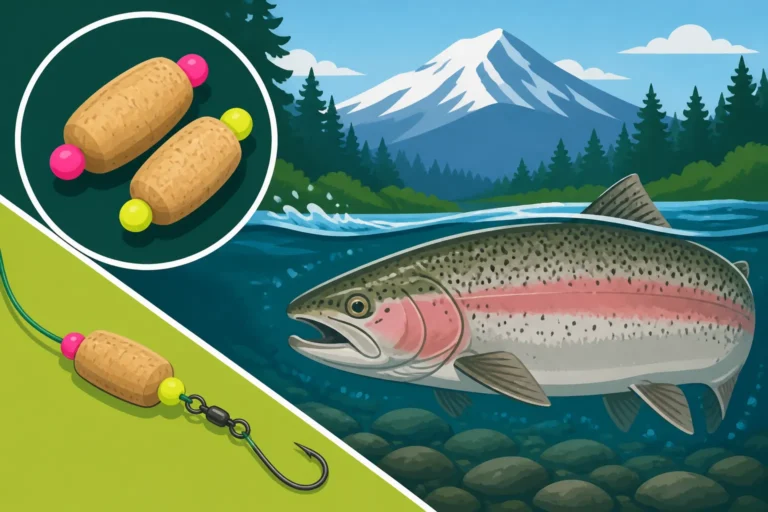
The "magic" ingredient for many successful Kokanee anglers is bait and scent. Kokanee are notoriously finicky, and a little extra enticement goes a long way. Common baits include Shoepeg corn (dyed in various colors, often soaked in scent), and sometimes small pieces of worm or shrimp. The trick is less about the bait itself and more about the scent it carries. Commercial Kokanee scents are wildly popular, available from brands like Pro-Cure and Pautzke, and often come in flavors like Anise, Krill, Garlic, or a combination. The corn or bait acts as a carrier for the scent, creating a scent trail that draws Kokanee in. Many anglers will also add a small piece of bait directly to their hootchies or wedding rings.
Often, flashers or dodgers are rigged in front of the lure. These are not lures themselves but attractants designed to create vibration, flash, and erratic movement, mimicking a struggling baitfish or a school of feeding activity, and drawing Kokanee from a distance. Flashers rotate or undulate, while dodgers have a more side-to-side, erratic kick. They come in various sizes and colors, typically paired to match the size and color of your main lure. Experimentation with different combinations of lures, baits, scents, and attractors is half the fun of Kokanee fishing, and often the key to unlocking a hot bite on any given day.
Mastering Downrigger Setup and Deployment
You've got your gear ready. Now let's talk about putting it all together and getting your lines into the strike zone. This isn't just about dropping a weight; it's a careful dance of precision and timing that can make or break your Kokanee trip. Mastering this deployment is where consistency comes from.
Rigging Your Downrigger for Success
The actual rigging process of your downrigger system is critical for efficiency and preventing frustrating tangles. First, ensure your main downrigger line (the cable or heavy braid) is spooled correctly and runs smoothly through the pulleys and tensioner on the downrigger arm. Next, attach your cannonball weight firmly to the end of this line. For Kokanee, a 6 to 10-pound cannonball is typical. Lighter weights might blow back too much in current or at faster troll speeds, while heavier ones are harder to retrieve, especially on manual downriggers.
Now, for your fishing line, you'll want to connect your leader, usually 10-20 feet of 6-10 lb fluorocarbon or monofilament, to your main line using a strong knot or swivel. To the end of the leader, attach your flasher or dodger. The distance between your flasher/dodger and your lure (known as the "leader length") is crucial. For Kokanee, this typically ranges from 8 to 24 inches. Too short, and the lure's action can be hampered by the attractor; too long, and the fish might just hit the attractor and miss the lure. Once your lure, often a small hootchie or wedding ring tipped with a kernel of scented corn, is tied on, you’re ready to connect to the downrigger. Open your downrigger's release clip, insert your fishing line into it so it holds firmly but will release with a strike, and ensure it's positioned correctly on the downrigger line just above the cannonball. Give your reel a few cranks to put some tension on the line, creating a slight bend in your rod tip – this "loading" of the rod tip is your visual indicator that your lure is tracking correctly behind the downrigger.
Setting Depth and Speed for Kokanee
Precisely setting your depth and maintaining the right trolling speed are arguably the two most critical factors for catching Kokanee in summer. Remember, these fish are often concentrated in a very specific thermal and oxygen band. Your fish finder is your best friend here. Look for dense schools of baitfish, temperature breaks, or arcs that indicate Kokanee. Once you identify a promising depth, deploy your downrigger to that exact mark. If you see fish at 70 feet, set your downrigger to 70 feet. If they're at 85 feet, adjust accordingly. Don't be afraid to experiment with slightly different depths among multiple rods, perhaps running one at 65 feet, another at 70, and a third at 75 feet, until you find the most productive zone.
Trolling speed is equally vital. Kokanee typically prefer slower speeds, generally between 0.8 and 1.8 miles per hour. This slower speed allows their plankton-based lures to present naturally and gives the fish ample time to inspect and strike. However, the exact optimal speed can vary day by day, and even hour by hour, depending on the fish's mood and the action of your specific lures and dodgers. Watch your rod tips: a properly functioning flasher or dodger will impart a distinct wiggle or pulse to the rod tip. If your lure isn't dancing correctly, adjust your speed. Keep a keen eye on your boat's speed indicator, or better yet, use a GPS-based speed reading for accuracy. If one particular speed starts producing fish, stick with it until the bite slows, and then consider subtle adjustments up or down by 0.1 or 0.2 mph.
Reading Your Electronics: Fish Finders and Downriggers
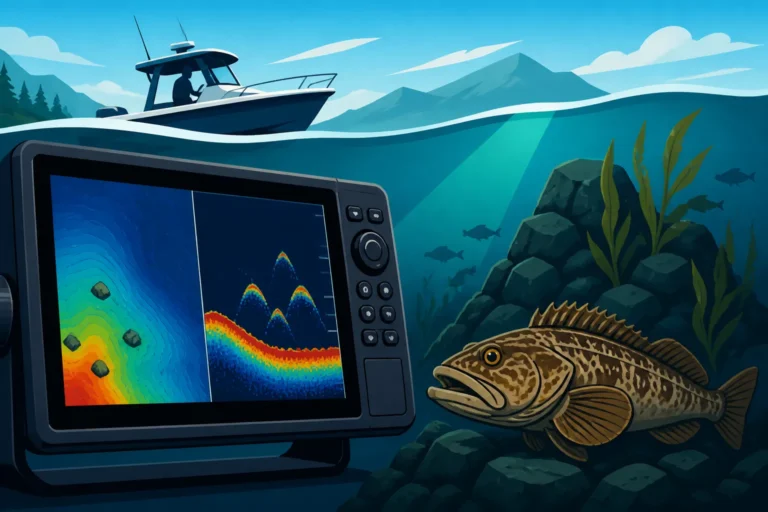
In the deep, dark world where Kokanee dwell in summer, your boat's electronics become your eyes. A reliable fish finder is not just an accessory; it's a necessity. Modern fish finders, especially those with CHIRP sonar, provide incredible detail, allowing you to clearly distinguish schools of Kokanee, baitfish, and even the thermocline layer where they often congregate. Look for dense, cigar-shaped schools or individual arches concentrated at specific depths. Pay attention to the bottom contour as well, as Kokanee often relate to underwater structures, humps, or drop-offs. When you mark fish, note the depth immediately and deploy your downriggers to that exact zone.
Beyond finding fish, some advanced fish finders can also integrate with electric downriggers, allowing for automated depth control. However, even with basic units, the visual information is invaluable. Additionally, understanding the display on your downrigger itself (if it's an electric model with a screen) can provide real-time feedback on depth, line out, and even sometimes water temperature at the ball. Remember that water temperature can be a significant factor, as we discussed in The Impact of Water Temperature and Oxygen Levels. Regularly checking the temperature at various depths with a separate probe or integrated sensor can help you confirm the ideal thermal band for Kokanee. Being proficient at interpreting what your electronics are telling you will drastically increase your success rate, turning a random troll into a targeted hunt.
Key Techniques for Summer Kokanee Success
Once you have your gear and understand the depths, it’s all about the finesse. Kokanee can be finicky, and small adjustments to your technique can be the difference between a full cooler and a quiet ride home. These specific strategies are proven to entice those deep-dwelling summer Kokanee.
Trolling Patterns and Speeds
Successful downrigging for Kokanee isn't just about driving in a straight line; it involves strategic trolling patterns that allow your lures to cover more water and mimic natural movement. One of the most effective patterns is the "S-turn" or "Z-turn." As your boat turns, the lures on the inside of the turn will slow down and drop slightly, while the lures on the outside will speed up and rise. This creates an irresistible "hunting" action for your lures, making them appear more alive and often triggering strikes from following fish. A slight change in speed or depth can often be the trigger needed, and the S-turn provides this naturally.
Varying your trolling speed slightly throughout your pattern is also beneficial. Instead of a constant 1.2 mph, try accelerating to 1.5 mph for a minute, then slowing to 1.0 mph. These subtle changes can make your dodgers and lures flutter and dance in a way that perfectly imitates fleeing baitfish or a burst of energy, drawing strikes from otherwise hesitant Kokanee. Pay attention to your fish finder during these maneuvers; you might notice a correlation between specific speed changes and increased fish activity or strikes. Remember, understanding How Deep to Troll for Summer Kokanee is key to applying these patterns effectively.
Using Flashers and Dodgers Effectively
Flashers and dodgers are not just visual attractors; they play a crucial role in creating the right action for your lures. The choice between a flasher and a dodger often comes down to personal preference, the desired lure action, and what the fish are responding to on a given day. Flashers, like the popular Sling Blade or Pro-Troll brand, typically have a more aggressive, rotating action that creates significant vibration and flash. They're great for attracting fish from a distance and imparting a strong, erratic kick to short-leadered hootchies.
Dodgers, on the other hand, have a more rhythmic, side-to-side wobble. This creates a broader, slower oscillation for your lure, often favored when Kokanee are more lethargic or shy. Common dodgers include the Les Davis Killer Fish or Arrow Flash. The size of your attractor should generally match the size of the lake and the clarity of the water – larger attractors for bigger lakes and murkier water, smaller ones for clearer conditions. The distance between your flasher/dodger and your lure is critical, usually 8 to 24 inches for Kokanee. Experimentation is key; a slight change in leader length can dramatically alter the lure's action and trigger bites. Keep a variety of sizes and colors on hand, perhaps a few in fluorescent pink, chartreuse, and sometimes even silver or white, to adapt to changing light conditions and fish preferences.
Adjusting to Fish Behavior and Conditions
Kokanee fishing, especially in summer, is rarely a "set it and forget it" affair. The most successful anglers are those who are constantly observing, experimenting, and adjusting. If the bite slows, don't just keep doing the same thing. Start by re-evaluating your depth. Did the thermocline shift? Did the fish move up or down a few feet? Check your fish finder for new concentrations. Next, consider your speed. Increase or decrease it by a fraction of a mile per hour and observe any changes in rod tip action or strikes.
Then, cycle through your lure and bait combinations. Change colors, try a different scent on your corn, or switch from a hootchie to a wedding ring. Sometimes, even adding a small piece of bait from a different brand or simply re-scenting your corn can make all the difference. Lighting conditions also play a role; on overcast days, brighter, more aggressive colors might work, while on sunny days, more subtle, natural presentations might be better. Wind and current can also affect your presentation, requiring adjustments to your cannonball weight or trolling speed to maintain depth and lure action. Learning to read these subtle cues and respond proactively is a skill developed over many trips, but it's what truly separates the consistent producers from those who struggle.
Top Washington Lakes for Summer Downrigging
Washington State is blessed with an abundance of fantastic Kokanee fisheries. When the summer heat drives these fish deep, certain lakes truly shine for downrigging success. Knowing where to go and what to expect from each body of water can save you a lot of guesswork and help you zero in on the best opportunities.
Lake Chelan's Deep-Water Bounty
Lake Chelan, often referred to as Washington's "Lake Tahoe," is legendary for its deep, clear waters and robust Kokanee population. When the summer sun bakes the surface, these fish plunge into the depths, making Chelan an absolute prime destination for downrigging. The lake is incredibly long and boasts depths exceeding 1,500 feet in places, so the Kokanee have ample room to retreat. Anglers here often target depths from 60 to 120 feet, sometimes even deeper in the hottest parts of August. The sheer volume of water means fish can be spread out, but once you find a school, the action can be furious.
Popular spots to start downrigging on Lake Chelan include areas around Mack Bar, near Manson, and along the infamous "Chelan Dumps." Focus your efforts near any distinct underwater structure, such as ledges or humps, especially where there are sharp drop-offs. The clear water of Chelan means stealth is often key; consider running longer leaders of fluorocarbon and using more subtle lure actions initially, though brightly colored lures in pink, orange, and chartreuse still dominate. Many successful anglers here also use specialized gear to monitor water temperature and oxygen profiles to pinpoint the exact thermal bands where the Kokanee are most active. For deep-water Mackinaw as well as Kokanee, Lake Chelan, Washington for Mackinaw and Kokanee offers further insights.
Lake Roosevelt's Abundant Kokanee
Moving east, Lake Roosevelt, the massive reservoir behind Grand Coulee Dam, offers another incredible summer Kokanee experience. While perhaps not as famous for Kokanee as Chelan, Roosevelt's vast expanse and fluctuating water levels create a dynamic environment where Kokanee thrive. These fish grow to impressive sizes here, often surpassing 15 inches, making them a real treat to catch. In summer, like their Chelan cousins, Roosevelt's Kokanee head for cooler waters, typically residing in the 40 to 80-foot range, though this can vary depending on inflow and specific sections of the lake.
The sheer size of Lake Roosevelt means covering water is essential. Focus on the main channel, especially where it narrows or features significant bends, as these areas often concentrate current and baitfish. Productive areas can be found from the Hawk Creek arm all the way up to the Kettle Falls area. Anglers often employ similar downrigging tactics as on Chelan, with small hootchies, wedding rings, and scented corn being the go-to baits. However, due to the often murkier water in some sections, bolder colors and stronger flashers might sometimes be more effective at drawing attention. For more information on this massive fishery, you can dive into Lake Roosevelt in Washington for Kokanee and Walleye.
Other Productive Kokanee Waters in Washington
Beyond the giants like Chelan and Roosevelt, Washington boasts several other lakes that offer fantastic summer downrigging for Kokanee. These smaller, often more accessible lakes can be fantastic options, particularly for those looking for a shorter drive or a less intimidating body of water.
- Lake Wenatchee: Located in the Cascade Mountains, Lake Wenatchee is a beautiful spot known for its consistent Kokanee fishery. In summer, these fish go deep but are often found in very concentrated schools. Depths of 40-70 feet are typical. The clear, cold mountain water often means the fish are aggressive, and bright colors work well.
- Merwin Lake (Lake Merwin): While primarily known for its landlocked Chinook, Merwin also holds a healthy population of Kokanee. These fish are often found deeper, mirroring the Chinook's movements. This lake is easily accessible from Southwest Washington.
- Riffe Lake (Lake Swofford): Another Southwest Washington gem, Riffe Lake offers good Kokanee opportunities, especially in its deeper sections during summer. The fish here can be found at varying depths depending on the year and water levels, so a good fish finder is crucial.
- Clearwater Pond/Lake: For those on the Olympic Peninsula, Clearwater can offer some Kokanee action, though it's typically a smaller fishery than the larger lakes.
Regardless of the lake, the principles of summer downrigging remain the same: find the cool, oxygenated water, present your lure at the right depth and speed, and be ready to adjust. For any of these locations, always check the current Washington Sport Fishing Seasons and Emergency Closures before heading out, as regulations can change frequently.
| Lake Name | Typical Summer Downrigging Depth | Key Features for Kokanee | Prime Lures/Baits |
|---|---|---|---|
| Lake Chelan | 60-120 feet (or deeper) | Extremely deep, clear | Pink/Orange/Chartreuse Hoochies, Wedding Rings, Scented Corn |
| Lake Roosevelt | 40-80 feet | Large reservoir, diverse | Pink/Orange Spinners, Hoochies, Scented Corn, Small Spoons |
| Lake Wenatchee | 40-70 feet | Mountain lake, clear | Brightly colored Hoochies, Small Spinners, Scented Corn |
| Merwin Lake | 50-100 feet | Deep, fed by Cowlitz R. | Similar to Chinook setups, but smaller |
| Riffe Lake | 40-90 feet | Large reservoir | Assorted bright lures, Scented Corn |
Troubleshooting Common Downrigging Challenges
Even with the best gear and knowledge, things can go sideways on the water. Downrigging presents its own set of unique challenges, but most of them have practical solutions. Don't let a snag or a slow bite ruin your day – a good angler learns to adapt and overcome.
Dealing with Snags and Tangled Lines
Snags are an inevitable part of deep-water fishing. Whether it's an underwater tree, a rock pile, or some forgotten debris, your cannonball will eventually find something to get caught on. The first rule when you snag your downrigger ball is: don't panic. Immediately stop the boat and try to back up slowly over the snagged spot. Often, this change in angle can free the cannonball. If not, try jigging the downrigger line up and down firmly. If it's still stuck, you might have to sacrifice the cannonball. It's frustrating, but it's part of the game, and why many anglers carry spare weights.
Tangled lines are another common headache, especially when running multiple downriggers or if your boat has a tendency to wander. The primary culprits are usually improper leader lengths, incorrect spacing between rods, or sharp turns. Ensure your dodger/flasher leaders are set correctly for the desired action (usually shorter for flashers, longer for dodgers). Space your downrigger rods far enough apart, and consider using planer boards or outside rods to spread your presentation. If you're turning, be mindful of which lines are slowing down (inside turn) and which are speeding up (outside turn), as these actions can cause lines to cross. Sometimes, a lazy fish hitting a line without releasing the clip can cause a tangle, too. Prevention is the best medicine here: meticulous rigging, steady trolling, and clear communication with anyone else fishing in the boat.
When the Bite is Slow: What to Adjust
A slow bite can be incredibly disheartening, especially when you know Kokanee are in the lake. But a slow bite is merely an invitation to become a better detective. Don't just keep doing the same thing. The first adjustment should always be depth. Even a 5-foot change can be monumental. If your fish finder shows fish at 70 feet, try running one rod at 65 feet and another at 75 feet. The precise thermal or oxygen band can be very narrow.
Next, focus on speed. Increase or decrease your troll speed by tiny increments (0.1 to 0.2 mph) until you find a speed that makes your lures dance enticingly. Sometimes, a faster speed triggers aggressive strikes, while other times, a very slow presentation is needed for lethargic fish. Don't forget lure/bait/scent. Change colors, switch from a hootchie to a wedding ring, or re-apply a fresh, strong scent to your corn. Sometimes, fish get "conditioned" to a certain look or smell, and a subtle change can trigger them. Finally, consider the time of day or light conditions. Early morning and late evening often yield better results, but if the sun is high, fish might hold even deeper or be less active. Remember Does Weather Affect Washington Salmon Fishing? can give you additional insight into conditions.
Safety Considerations While Downrigging
Safety should always be your top priority on the water, and downrigging adds a few specific considerations to your routine. First and foremost, be acutely aware of your surroundings, especially when deploying or retrieving heavy downrigger weights. These weights can swing and cause injury if not handled carefully. Always keep your hands clear of the downrigger cable and pulleys. If you're using electric downriggers, ensure all wiring is properly insulated and connected to prevent electrical hazards, especially in a wet environment.
When trolling, maintain a constant lookout for other boats, swimmers, and hazards in the water. Downrigger cables, though usually strong, can pose a danger to divers or propellors if they break or are released improperly. Always operate your boat at safe speeds and be mindful of your wake, particularly near shorelines or other vessels. If you're fishing in rough water or strong currents, be aware that your downrigger weights might not track as accurately, and the added stress on your gear can increase the risk of equipment failure. Finally, always wear a life jacket, especially if you're fishing alone or in remote areas. A simple misstep while tending to a downrigger could lead to an unexpected dip in chilly water. Being prepared and vigilant ensures a safe and enjoyable day on the water.
Disclaimer
Please remember that fishing regulations, seasons, and emergency rule changes can occur frequently in Washington State. Always consult the latest Washington Department of Fish and Wildlife (WDFW) regulations pamphlet or their official website before heading out on any fishing trip. The information provided here is for general guidance and educational purposes only.