Washington Lakes With the Best Bass Fishing
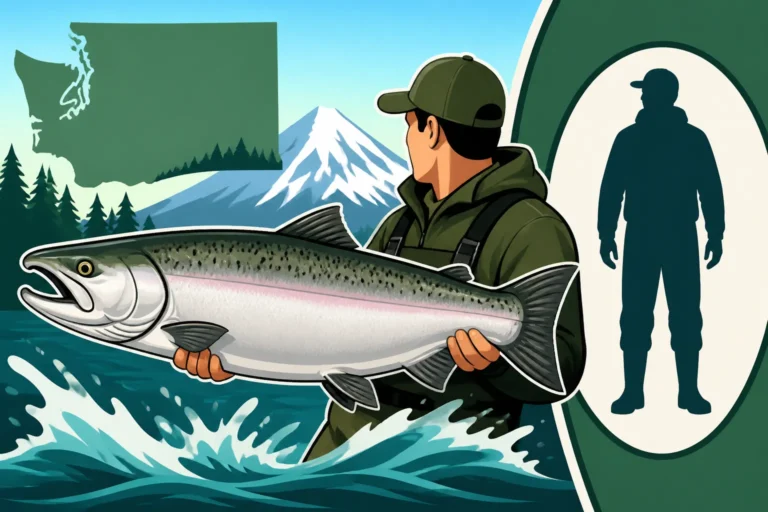
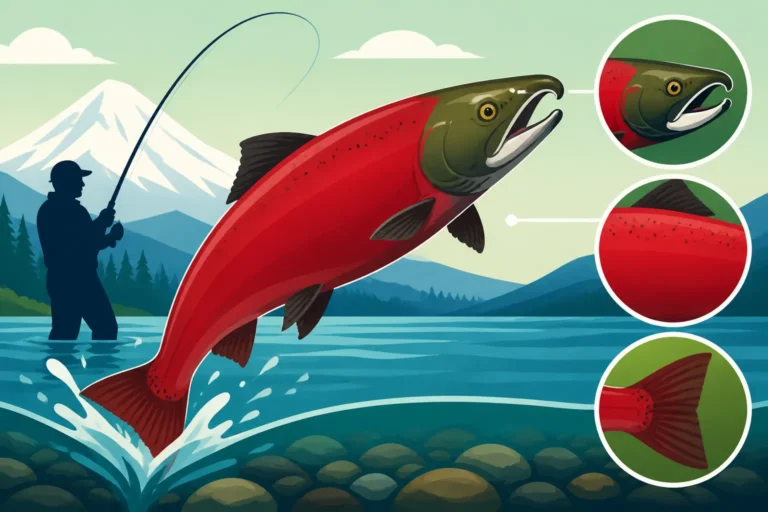
Many anglers visiting or living in Washington immediately think of salmon and steelhead, maybe trout, when they imagine fishing here. But for those of us who truly love the explosive strikes and tenacious fights of bass, finding truly great bass fishing can feel like searching for a hidden gem among all the silver and red. This guide is here to unveil some of Washington's best lakes for targeting both largemouth and smallmouth bass, helping you plan your next exciting freshwater adventure where the thump of a jig or the splash of a topwater lure is the sound of pure possibility.
Why Washington's Bass Fishing is a Hidden Gem
It's easy to overlook bass fishing in Washington State. With our legendary salmon runs, world-class steelhead rivers, and abundant trout lakes, bass often take a backseat in the angler's mind. But let me tell you, that's a mistake! Washington offers a diverse range of freshwater environments, from the sprawling, deep reservoirs of Eastern Washington to the glacially carved lakes of the Puget Sound lowlands, many of which are absolutely brimming with healthy populations of both largemouth and smallmouth bass. The perception that Washington is only a salmon state sometimes means less fishing pressure on these bass fisheries, which can be a huge advantage for those in the know.
The challenge, of course, is knowing where to go. Not every lake has a thriving bass population, and even fewer have the kind of trophy potential that gets serious bass anglers excited. Factors like water temperature, forage base, and habitat diversity play huge roles. Our climate can also be a bit of a mixed bag; while Western Washington has milder winters, it often lacks the sustained warm temperatures that really get bass fired up year-round. Eastern Washington, on the other hand, boasts hotter summers and colder winters, creating distinct seasonal patterns that bass anglers learn to exploit. You'll find that understanding these regional differences is key to consistent success.
Understanding Washington's Bass Species
Before we dive into specific locations, it’s helpful to understand the two main players you'll be chasing: largemouth and smallmouth bass. While both offer fantastic sport, their preferences and habitats can differ quite a bit, influencing where and how you target them. You might be surprised to learn just how robust some of these populations are.
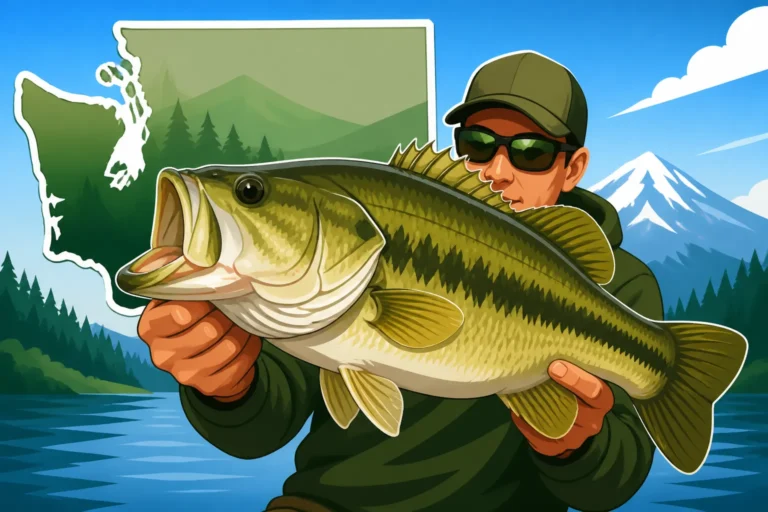
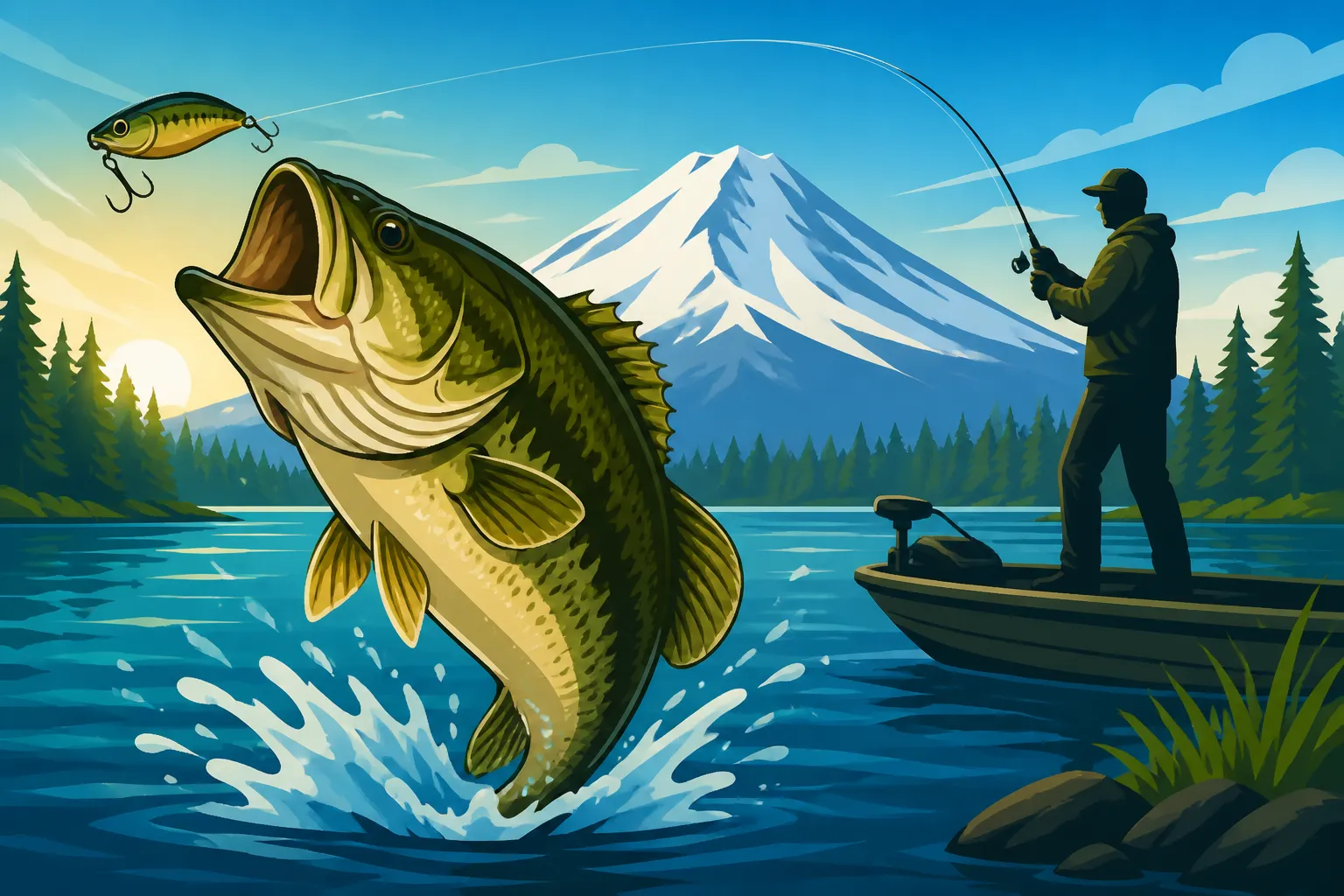
Largemouth bass, often referred to as "bucketmouths," are classic ambush predators. They love heavy cover: lily pads, submerged timber, thick aquatic vegetation, and docks. If you’re fishing in a shallow, weedy bay with lots of structure, you’re probably in largemouth territory. They are typically found in the warmer, shallower sections of lakes and ponds. Their fights are characterized by powerful, head-shaking jumps and a tendency to dig into cover. Anglers often target them with a variety of lures, from topwater frogs and spinnerbaits to Texas-rigged plastics and jigs, all designed to penetrate or mimic prey in dense cover. For more on what these fish are like, check out Largemouth Bass in Western Washington Lakes.
Smallmouth bass, sometimes called "bronze-backs," are built for chasing. They prefer cooler, clearer water with rocky bottoms, gravel flats, and current. You'll often find them around points, ledges, humps, and submerged rock piles. Their fights are legendary for their stamina, strong runs, and acrobatic leaps. While they can be found in lakes, they truly thrive in rivers and large reservoirs with ample rock structure. Techniques like drop-shotting, Carolina-rigging, crankbaits, and tube jigs are often effective for smallmouth. The Columbia River, in particular, is a phenomenal smallmouth fishery, offering excellent opportunities for anglers seeking these feisty fish. You can learn more about these powerful fish by reading Smallmouth Bass on Washington's Columbia and Snake Rivers.
Top Bass Lakes in Western Washington
Western Washington, with its lush landscapes and proximity to major population centers like Seattle and Tacoma, offers some fantastic bass fishing opportunities, especially for largemouth. While the lakes here might not boast the sheer acreage of their Eastern Washington counterparts, they often make up for it with abundant cover and strong resident populations.
Lake Washington and Lake Sammamish
These two large, urban lakes are jewels of the Puget Sound region, offering surprisingly good bass fishing despite their heavy recreational use. Lake Washington for Trout and Bass is a massive lake, and while many associate it with trout and even kokanee, its numerous docks, submerged structures, and shallow bays hold impressive largemouth bass. The key here is to target the docks and brush piles, especially in the northern and southern ends of the lake, and around Mercer Island. Early mornings or late evenings are often best to avoid boat traffic. You’ll find some incredible structure in its depths, and fishing electronics can really help pinpoint those submerged sweet spots.
Lake Sammamish, a slightly smaller cousin to Lake Washington, is another excellent choice. It also boasts a healthy largemouth population, particularly in its shallower bays and around its abundant docks. Both lakes benefit from relatively stable water temperatures, especially in summer, which keeps the bass active. Don't be afraid to experiment with different techniques – jigging plastics around structure, working spinnerbaits through weed lines, or even throwing topwater lures at dawn can be incredibly effective. Before you head out, make sure you know what to check, as regulations can change. A quick look at What to Check Before Every Washington Fishing Trip is always a good idea.
Other Western Washington Bass Havens
Beyond the big two, several smaller lakes in Western Washington offer excellent bass fishing. Riffe Lake, located on the Cowlitz River system, is known for its smallmouth bass. Its fluctuating water levels can be a challenge, but when the conditions are right, it can produce some big fish. The rocky points and submerged channels are prime targets.
Additionally, lakes like Lake Tapps (near Sumner) and Spanaway Lake (near Tacoma) are popular choices, especially for largemouth. Lake Tapps, with its intricate shoreline and many coves, provides ample cover. Spanaway Lake, though shallower, has extensive weed beds and submerged timber that largemouth absolutely adore. These lakes often benefit from easy access, with boat launches and shore fishing opportunities, making them ideal for a quick trip. For those looking for general information on what kind of license you'll need, understanding the difference between options like Freshwater vs Saltwater vs Combination Licenses in Washington is a good place to start.
Premier Bass Destinations in Eastern Washington
Eastern Washington's bass fishing scene is a completely different beast, characterized by vast, sprawling reservoirs and warmer summer temperatures that can really get bass feeding aggressively. If you're looking for consistent action and potential trophy smallmouth, this is often where you'll find it.
Banks Lake and Potholes Reservoir
Banks Lake, a massive reservoir that forms part of the Columbia Basin Project, is a smallmouth bass powerhouse. Its rocky shoreline, numerous islands, and deep, clear water create an ideal smallmouth habitat. Anglers here often find success targeting rocky points, submerged humps, and drop-offs. The smallmouth here are known for their strong fighting ability. This is one of those places where a good depth finder and GPS can be invaluable for locating structure. Fishing the cooler months, especially spring and fall, can lead to some incredible days, though summer can be productive too if you focus on deeper breaks. You’ll find that the smallmouth here are exceptionally robust.
Potholes Reservoir, also part of the Columbia Basin, is another jewel, renowned for its incredible largemouth bass fishery. The "dunes" area, with its hundreds of submerged sand dunes and channels, creates a maze of habitat where largemouth thrive. It's a truly unique fishing experience, almost like fishing in a flooded desert landscape. The key to Potholes is navigating these dunes and understanding how the bass relate to the contours and scattered vegetation. Spinnerbaits, swim jigs, and Texas-rigged plastics are highly effective here. The sheer abundance of cover and structure means there's always a new spot to explore. Before hitting the water, consider reviewing Washington Fishing Regulations Every Angler Should Know to ensure you're compliant.
The Columbia River System
While not a lake, the Columbia River itself, and its numerous reservoirs like Lake Roosevelt and Rufus Woods Lake, offer phenomenal smallmouth bass fishing. The river's vastness and constant flow create a perfect environment for smallmouth, with endless rocky banks, current breaks, and submerged ledges. Fishing the mainstem Columbia means encountering some truly hard-fighting smallmouth that grow large feeding on the abundant forage.
Lake Roosevelt, a massive impoundment behind Grand Coulee Dam, is known for its kokanee and walleye, but it also holds a significant population of smallmouth bass. Targeting the vast rocky banks and tributary mouths can yield excellent results. Similarly, Rufus Woods Lake, while famous for its huge rainbow trout, also has smallmouth that feed actively around its rocky points. These riverine systems are fantastic for anglers who love to cover water and fish current. To learn specific techniques for these areas, diving into How to Catch Smallmouth Bass in Eastern Washington would be a wise move.
Gear and Tactics for Washington Bass Anglers
Successfully targeting bass in Washington often comes down to matching your gear and techniques to the specific environment and species. While there's a huge array of bass fishing tackle out there, a few key considerations will set you up for success here. Many anglers, myself included, will often check out options on platforms like Amazon for the latest gear or to read reviews on new lures.
Essential Gear for Both Species
For largemouth bass, especially in the weedy, cover-rich waters of Western Washington or the dunes of Potholes, you'll want a medium-heavy to heavy power rod with a fast action, paired with a baitcasting reel spooled with 15-20 lb fluorocarbon or braided line. This setup gives you the power to pull big fish out of thick cover. Topwater lures, spinnerbaits, jigs, and soft plastics (like senkos or creature baits) are bread-and-butter offerings. I always make sure to have a variety of colors in my tackle box, often picking up new additions on Amazon to see what's trending.
For smallmouth bass, particularly in the clearer, rockier waters of Eastern Washington reservoirs and the Columbia, a slightly lighter setup can be effective. A medium to medium-heavy spinning rod or a versatile baitcasting rod, paired with 8-12 lb fluorocarbon or monofilament, gives you the sensitivity needed for subtle bites. Crankbaits, tube jigs, drop-shot rigs, and small swimbaits are incredibly effective. Smallmouth love to hit lures that mimic crayfish or baitfish darting around rocky structure. Sometimes, a simple curly-tail grub on a light jig head can be the most effective thing in your tackle box.
Seasonal Tactics for Washington Bass
Bass fishing in Washington is highly seasonal.
- Spring: As water temperatures rise into the 50s and 60s, bass move to shallower spawning areas. This is a fantastic time for aggressive prespawn bites. Spinnerbaits, jigs, and jerkbaits can be deadly. Post-spawn, the fish might be a bit lethargic but will start feeding heavily again to recover.
- Summer: This is prime time for active bass, especially in Eastern Washington. Early mornings and late evenings are great for topwater action. During the day, bass will retreat to deeper cover or shade, making jigs, Texas rigs, and deep-diving crankbaits effective. Always check local regulations, as Washington Sport Fishing Seasons and Emergency Closures can impact access or techniques.
- Fall: As water temperatures cool, bass go on a feeding frenzy, bulking up for winter. This can be one of the best times for big fish. Crankbaits, swimbaits, and even larger spinnerbaits can entice aggressive strikes.
- Winter: Bass fishing slows down significantly in winter as fish become lethargic and hold in deep water. This is a tougher time, but deep jigging or slow-rolling swimbaits can still coax bites, especially on milder days.
Lure Selection: What Works Best
While bass are known for hitting a huge variety of lures, having a few staples tailored to Washington conditions will serve you well. For largemouth, soft plastics are king. Whether it's a wacky-rigged Senko, a Texas-rigged creature bait, or a finesse worm on a drop-shot, these can imitate everything from worms to baitfish. Spinnerbaits and chatterbaits are excellent for covering water and triggering reaction strikes, especially around weed lines. Topwater frogs and poppers are exhilarating choices for low-light conditions or heavy cover.
For smallmouth, hard baits often shine. Small crankbaits that dive to different depths can be incredibly effective when retrieved over rocky bottoms. Jerkbaits are fantastic for suspended fish or when bass are finicky. Tube jigs and grub-style plastics, rigged on jig heads, are perfect for imitating crayfish, a favorite smallmouth meal. For a detailed dive into what lures to pack, you might want to read Best Lures for Washington Smallmouth Bass. Many anglers swear by specific brands and colors, which can often be found by browsing fishing forums and then purchased conveniently on Amazon.
Washington's Top Bass Lakes at a Glance
To help you visualize your next bass fishing adventure, here’s a quick overview of some of the lakes we’ve discussed:
| Lake Name | Region | Primary Bass Species | Key Features | Best Time to Fish | Access Considerations |
|---|---|---|---|---|---|
| Lake Washington | Western (Seattle) | Largemouth | Docks, submerged structure, urban environment | Spring, Summer (early/late) | Public launches, high boat traffic |
| Lake Sammamish | Western (Issaquah) | Largemouth | Docks, shallow bays, aquatic vegetation | Spring, Summer (early/late) | Public launches, residential areas |
| Riffe Lake | Western (Morton) | Smallmouth | Rocky points, fluctuating water levels | Spring, Fall | Public launches, remote feel |
| Lake Tapps | Western (Sumner) | Largemouth | Numerous coves, intricate shoreline | Spring, Summer | Public launches, popular for recreation |
| Spanaway Lake | Western (Tacoma) | Largemouth | Weed beds, submerged timber | Spring, Summer | Public launches, park access |
| Banks Lake | Eastern (Coulee City) | Smallmouth | Rocky shoreline, islands, deep clear water | Spring, Fall | Public launches, can be windy |
| Potholes Reservoir | Eastern (Moses Lake) | Largemouth | Sand dunes, channels, abundant cover | Spring, Summer | Public launches, unique navigation challenges |
| Lake Roosevelt | Eastern (Grand Coulee) | Smallmouth | Vast rocky banks, tributary mouths, immense size | Spring, Summer, Fall | Numerous launches, very large body of water |
This table provides a quick reference, but remember that conditions on any given day can vary wildly. Always do your homework before you go!
Final Thoughts on Washington Bass Fishing
Washington's bass fishing is truly an angler's secret weapon. While the masses might be chasing salmon and steelhead, those who turn their attention to largemouth and smallmouth bass will find vibrant fisheries, challenging conditions, and immensely rewarding experiences. From the bustling shores of Lake Washington to the serene, dune-filled waters of Potholes Reservoir, there's a bass adventure waiting for every type of angler.
Don't let the reputation of Washington as a "salmon state" deter you. Embrace the opportunity to explore these freshwater gems, pack your favorite bass gear (and maybe grab a few new lures from Amazon), and get ready to feel that satisfying tug on the end of your line. With a little research and the right approach, you'll discover why Washington's lakes and rivers are quietly becoming a phenomenal destination for bass anglers.
Disclaimer
This article is for general informational purposes only and does not constitute professional advice. Laws, prices and regulations vary by location and change over time. Consult a qualified professional for guidance on your specific situation.