Brook Trout in Washington’s Mountain Lakes
There's a special kind of magic that draws anglers into Washington's rugged backcountry: the promise of solitude and the vibrant flash of a brook trout. For many, the trek to a remote mountain lake is about more than just fishing; it's an escape, a test of endurance, and a chance to connect with untouched wilderness. However, these beautiful, often feisty fish come with their own set of nuances, from identification challenges to specific fishing techniques and environmental considerations. This comprehensive guide will navigate you through everything you need to know about pursuing brook trout in Washington's stunning mountain lakes.
The Allure of Brook Trout in Washington's High Country
There's something uniquely rewarding about catching a fish in a place you had to work hard to reach. Washington's mountain lakes, often nestled in granite cirques high above the tree line or tucked away in dense evergreen forests, offer just such an experience. While some might lament their non-native status, brook trout have undeniably carved out a niche in these pristine environments, providing exciting angling opportunities for those willing to venture off the beaten path.
A Brief History of Brook Trout in Washington
Brook trout ( Salvelinus fontinalis) are not native to Washington State. Their presence in our high-elevation lakes is a direct result of stocking efforts that began over a century ago. Early fisheries managers, often with good intentions but limited ecological understanding, introduced these fish, along with several other non-native species, to provide recreational fishing where none existed naturally or to supplement sparse native populations. The idea was to create more fishing opportunities in accessible areas and to populate remote alpine lakes that were considered "barren" of fish.
These initial stocking programs, which sometimes involved carrying fingerlings in milk cans on horseback, have had a lasting impact. Brook trout, being incredibly adaptable and prolific spawners, quickly established self-sustaining populations in many lakes and streams, particularly in the colder, nutrient-poor waters characteristic of our mountain environments. This history is important because it informs current management strategies, which often involve balancing recreational fishing with the protection of native species. Understanding this past helps us appreciate the complexity of managing these fisheries today. If you're curious about how stocking programs impact other species, you might be interested in reading about Rainbow Trout Fishing in Washington.
Why Mountain Lakes Are a Perfect Home
Washington's mountain lakes, with their crystal-clear, cold waters and often complex rocky bottoms, provide an ideal habitat for brook trout. These fish thrive in water temperatures ranging from the low 50s to low 60s Fahrenheit, making the alpine environment perfect, even in the height of summer when lower elevation waters become too warm. The limited food sources in many of these lakes, often consisting of aquatic insects, zooplankton, and smaller invertebrates, suit the brook trout's opportunistic feeding habits. They're not picky eaters, which contributes to their success.
Furthermore, the remote nature of these lakes means less fishing pressure compared to more accessible waters. This relative solitude allows brook trout populations to flourish, often leading to high densities. While many of these fish might not reach trophy sizes due to food limitations, they are abundant, strikingly beautiful, and offer consistent action. The stunning scenery that surrounds these lakes, from towering peaks to lush subalpine meadows, only adds to the magic of the experience, making every catch feel like a prize in its own right. It's a truly immersive experience that grounds you in nature.
Identifying Washington's Brook Trout: A Colorful Intruder
When you pull a brook trout from the cold, clear waters of a high mountain lake, its vibrant colors are often the first thing that strikes you. They are truly stunning fish, but knowing how to properly identify them is crucial, not just for appreciation, but also for adhering to regulations and understanding their role in the ecosystem.
Distinguishing Features and Coloration
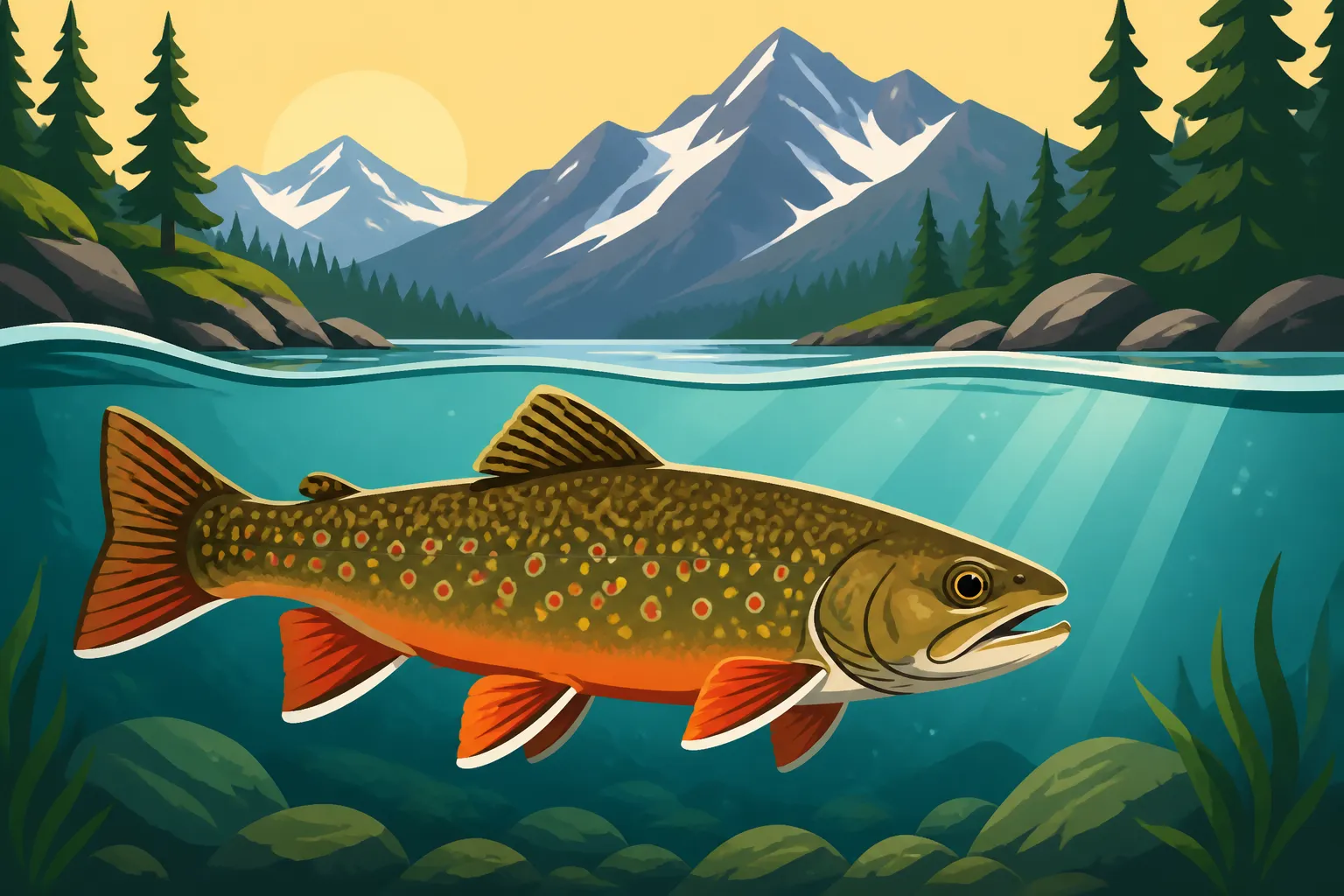
Brook trout are easily one of the most beautiful freshwater fish you'll encounter in Washington. Their appearance is distinct, making them fairly easy to identify once you know what to look for. They typically have a dark, olive-green back that transitions to lighter sides, often displaying a mesmerizing pattern of worm-like markings, known as vermiculation, along their back and dorsal fin. This intricate pattern provides excellent camouflage in the broken light of shallow, rocky lake beds.
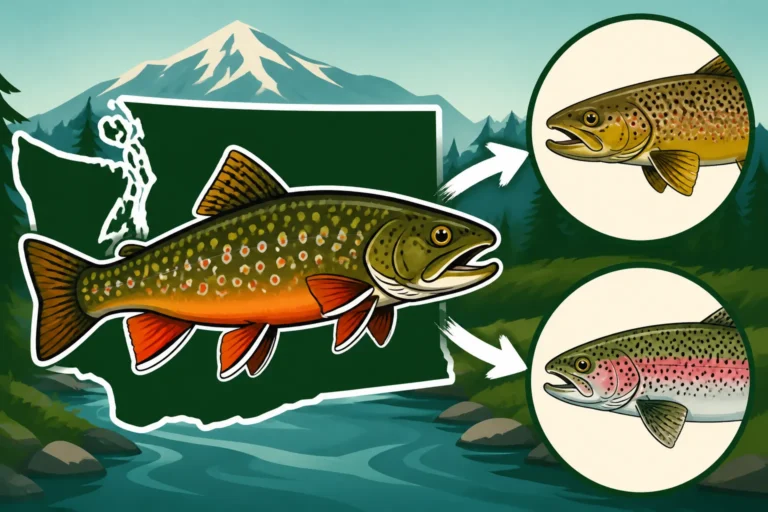
Their flanks are adorned with bright, often electric blue halos surrounding small red spots, scattered irregularly. This feature is particularly striking and rarely seen on other trout species in Washington. The lower fins – pelvic, anal, and pectoral – are typically orange or reddish, edged with a crisp white band, followed by a thin black line. This white leading edge is a key identifying characteristic that sets them apart from most other trout. Their belly can range from white to a deep orange or even reddish hue, especially during spawning season. While they share the "trout" name, they are technically part of the char family, distinct from true trout like rainbows or cutthroat.
Brook Trout vs. Native Trout and Char
It's important to differentiate brook trout from native species you might encounter, especially because regulations can vary. The most common look-alikes or co-inhabitants are often rainbow trout and cutthroat trout, and occasionally bull trout (also a char).
Let's break down the key differences:
- Rainbow Trout: Rainbows (and steelhead, their anadromous form) typically have a more uniform silvery body, a distinct pink or red stripe along their lateral line, and small, dark spots all over their body and fins. They lack the vermiculation on the back, the blue halos around red spots, and the white leading edge on their lower fins that brook trout possess.
- Cutthroat Trout: Cutthroats get their name from the distinctive red or orange slash marks found under their lower jaw. They generally have more irregular dark spots compared to rainbows, but still lack the brook trout's vermiculation and vibrant blue-haloed spots. Their fins do not have the white leading edge.
- Bull Trout: Bull trout are another char species native to Washington, but they are federally protected and fishing for them is often prohibited or highly restricted. They have light spots on a darker background (the opposite of rainbow/cutthroat), but their spots are typically pale yellow or olive, not the bright red with blue halos of a brook trout. They also lack the white fin edges. Bull trout tend to be larger and have a more torpedo-shaped body. If you’re ever in doubt about a char species, especially a larger one, it’s best to err on the side of caution and release it quickly and gently. For more details on species identification, you might check out Cutthroat Trout vs Rainbow Trout in Washington.
Understanding these distinctions not only helps you follow the rules, but also deepens your appreciation for the diversity of fish in Washington's waters.
Where to Find Brook Trout: Washington's Alpine Sanctuaries
Finding brook trout means setting your sights high, often literally. They thrive in the colder, less nutrient-rich environments that many native species struggle in, making them a common catch in Washington's stunning alpine and subalpine lakes. The journey to these locations is often as much a part of the experience as the fishing itself.
Key Mountain Ranges and Wilderness Areas
Washington is blessed with incredible mountain ranges, and many of these are prime brook trout territory. The Cascade Range, stretching north to south through the state, is perhaps the most iconic. Within the vast wilderness areas like the Alpine Lakes Wilderness, Henry M. Jackson Wilderness, and Pasayten Wilderness, you'll find countless cirque lakes, tarns, and high-country ponds teeming with brook trout. These areas require significant hiking, often involving steep ascents and multi-day backpacking trips, but the reward of solitude and eager fish is immense.
The Olympic Mountains on the Olympic Peninsula also host a number of high-elevation lakes, particularly within Olympic National Park, where brook trout populations exist. While often overshadowed by the peninsula's famous steelhead rivers, these serene lakes offer a different kind of angling experience. Eastern Washington's mountains, such as the Selkirk Mountains in the northeast, also contain smaller, less-frequented lakes where brook trout can be found. Always double-check specific regulations for any wilderness area or national park, as rules can vary and often change. For broader understanding of specific high-altitude conditions, you can learn more about Elevation Brook Trout Live at in Washington.
Planning Your High-Lake Adventure
Venturing into Washington's high country requires careful planning and preparation. These are not typically drive-up fisheries; many require significant hiking, often covering miles with substantial elevation gain. Here's what to consider:
- Trail Research: Utilize resources like the Washington Trails Association (WTA) website or Green Trails Maps to find trailheads, assess difficulty, and estimate hiking times. Look for lakes with historical stocking records or recent angler reports mentioning brook trout.
- Seasonality: High mountain lakes are typically only accessible for fishing from late spring (once snow melts enough) through early fall, usually July to October. Even in August, lingering snow patches are common at higher elevations. Check trail conditions before you go.
- Gear for the Trek: Lightweight backpacking gear is essential. This includes a comfortable pack, sturdy hiking boots, navigation tools (map, compass, GPS device or app), and layers of clothing suitable for rapidly changing mountain weather. A water filter or purification tablets are non-negotiable. Don't forget bear spray and know how to use it, as you're in prime wildlife habitat.
- Fishing Tackle: Pack light! A compact, telescoping spinning rod or a multi-piece fly rod is ideal. For gear, a small selection of lures, flies, and basic terminal tackle should suffice. We'll dive into specific tackle next.
- Permits and Regulations: Always check with the relevant land management agency (WDFW, Forest Service, National Park Service) for any required permits for camping or accessing specific wilderness areas. And, of course, ensure your fishing license is up to date and that you understand the specific regulations for the waters you plan to fish. A good starting point for understanding overall rules is Washington Fishing Regulations Every Angler Should Know or Reading the Washington Sport Fishing Regulations Pamphlet. If you're looking to stock up on lightweight, durable hiking poles or a high-quality water filter for your trip, Amazon is a great place to start comparing brands and features.
The reward of a stunning view and a lively brook trout on the end of your line after a challenging hike is an experience that truly defines Washington mountain fishing.
Tactics for Tempting Brook Trout in Mountain Lakes
Brook trout, while often abundant, can still be a fun challenge to catch. Their opportunistic nature means they'll hit a variety of presentations, but understanding their feeding habits and the unique environment of mountain lakes can significantly improve your success.
Simple and Effective Spinning Gear
For many anglers venturing into the high country, especially those balancing fishing with backpacking, simplicity is key. A lightweight spinning setup is incredibly effective for brook trout.
- Rod and Reel: A light to ultralight spinning rod, around 5 to 6 feet in length, paired with a small spinning reel spooled with 4-6 pound monofilament or fluorocarbon line, is perfect. Many anglers opt for multi-piece travel rods or even telescoping rods that pack down small.
- Lures: Brook trout are aggressive and often respond well to small, flashy lures. Classic choices include:
- Spinners: Panther Martin, Mepps, or Rooster Tail spinners in sizes #0 to #2, in silver, gold, or black/yellow combinations. Cast them out and retrieve steadily, varying speed until you find what triggers a strike.
- Small Spoons: Kastmaster or Little Cleo spoons in 1/16 to 1/8 oz, again in silver or gold, are excellent. Their erratic wobble mimics small baitfish or injured insects.
- Tiny Jigs: Small marabou jigs or plastic grub tails on 1/32 to 1/16 oz jig heads can be deadly, especially in deeper water. Let them sink and retrieve with a jigging motion.
- Bait: In waters where it's legal (always check regulations!), a small worm or grub under a bobber can be irresistible. PowerBait or similar scented dough baits are also often effective when still fishing from shore.
- Technique: When casting lures, focus on rocky points, submerged logs, or areas where small feeder streams enter the lake. Brook trout often congregate in these areas, especially at dawn and dusk. Keep your presentations subtle; these clear waters mean fish can be easily spooked. If you need a compact, ultralight spinning reel that won't add much weight to your pack, you'll find a wide selection of top brands on Amazon.
Fly Fishing: A Delicacy in the Alpine
Fly fishing for brook trout in mountain lakes offers a unique elegance and challenge, perfectly matching the serene surroundings. It's often the most productive method, especially when fish are actively feeding on insects near the surface.
- Rod and Line: A 3- to 5-weight fly rod, 7.5 to 9 feet long, is ideal. Pair it with a floating line and a 7.5 to 9-foot leader tapering to 4x or 5x tippet. Again, a multi-piece travel rod is highly recommended for backpackers.
- Fly Selection: Brook trout are rarely super selective, but matching the general size and type of insects present can be key.
- Dries: When fish are rising, patterns like Parachute Adams, Royal Wulff, Elk Hair Caddis, or small Stimulators in sizes #12-18 are excellent choices. Terrestrial patterns like beetle imitations or ant patterns can also be very effective, especially on breezy days when insects are blown onto the water.
- Nymphs: When fish aren't rising, nymphs fished under an indicator or with a slow retrieve can be deadly. Hare's Ear, Pheasant Tail, Prince Nymph, or small Copper Johns in sizes #14-20 are consistent producers.
- Streamers: Small woolly buggers (black, olive, or brown) in sizes #10-14 can imitate leeches or baitfish, and are great for probing deeper water or when fishing aggressively.
- Presentation: Focus on casting to areas where you see rises, or around structure like rocks, logs, and drop-offs. A quiet approach is paramount in these clear, still waters. A drift that mimics a natural insect is crucial. In some cases, a small dropper rig with a dry fly on top and a nymph below can be incredibly effective, covering multiple feeding zones. You can explore more about this technique in How to Fish a Dropper Rig for Trout.
- Timing: Early mornings and late evenings often offer the best dry fly action, as insects hatch and fish become more active near the surface. Overcast days can also provide good fishing throughout the day. If you're looking for specific patterns or tying materials for your high-lake fly box, Amazon offers a vast selection, often with helpful customer reviews.
Reading the Water for Success
Regardless of your chosen method, learning to "read the water" is vital in mountain lakes. Look for:
- Inflows and Outflows: Where streams enter or leave the lake, the current can concentrate food and provide cooler, oxygenated water, drawing fish.
- Structure: Submerged rocks, fallen trees, weed beds, and even simply changes in bottom composition offer cover and ambush points for brook trout.
- Drop-offs: Areas where the shallow water suddenly deepens are prime locations, as fish can quickly move between feeding in the shallows and retreating to deeper, safer water.
- Surface Activity: Obviously, rising fish indicate an active surface bite. If you don't see rises, look for swirling water or subtle disturbances that might betray a cruising fish.
By observing these signs and adapting your presentation, you'll significantly increase your chances of a successful and memorable brook trout outing.
Regulations and Conservation: Fishing Brook Trout Responsibly
While brook trout offer fantastic fishing opportunities, their presence as a non-native species in Washington's delicate mountain ecosystems brings a unique set of management challenges and regulations. Responsible angling means understanding and adhering to these rules, which often differ from those for native fish.
Understanding Brook Trout Regulations
Washington's Department of Fish and Wildlife (WDFW) manages brook trout populations with a goal of both providing recreational opportunities and protecting native species. Because brook trout are non-native and can sometimes outcompete or hybridize with native fish, regulations for them are often liberal in many mountain lakes.
Key points to remember:
- No Minimum Size Limit: In many brook trout lakes, there is no minimum size limit, allowing anglers to keep even small fish. This is often a deliberate management strategy to reduce competition with native species or simply control overpopulation.
- Generous Bag Limits: Catch limits for brook trout can be quite high, sometimes as many as 10 or 15 fish per day, and in some waters, there are even "no limit" rules. This encourages anglers to harvest them, which can help manage their populations, especially where they threaten native species like cutthroat or bull trout. This contrasts sharply with the often restrictive limits on native species. You can find more information on general catch limits in Washington's Lake Trout Limit (which includes information on other trout and char limits) and Understanding Washington's Daily Bag Limits by Species.
- Gear Restrictions: While often allowed, always check for specific gear restrictions, such as "artificial lures only" or "single barbless hook" rules, even in lakes with liberal brook trout limits, as these might be in place to protect native species that share the same water.
- Check the Pamphlet: The single most important rule is always to consult the current Washington Sport Fishing Regulations pamphlet for the specific lake or drainage you plan to fish. Regulations are highly localized and can change year to year, or even mid-season. Never assume.
The Ecological Impact of Non-Native Species
It's important to acknowledge that the introduction of brook trout, while providing angling opportunities, has not been without ecological consequence. As a prolific and aggressive species, brook trout can sometimes outcompete native trout and char for food and habitat, particularly in small, isolated mountain lakes.
In some cases, brook trout have been observed to hybridize with native bull trout, leading to a loss of genetic purity for the protected bull trout species. These impacts have led to changes in management strategies over the years, with WDFW sometimes implementing targeted removal programs or stocking native species in an effort to restore ecological balance. This is why liberal bag limits for brook trout are common in many areas – anglers are encouraged to harvest them as part of a broader conservation effort.
Being a responsible angler means understanding these complexities. While we enjoy the fishing, we also play a role in the health of the ecosystem. Practicing catch-and-release with native species and adhering to generous harvest limits for non-native brook trout, where encouraged, is part of that responsibility. You can learn more about the complexities of native vs. non-native species by reading Are Brook Trout Native to Washington?.
| Feature | Brook Trout | Rainbow Trout | Cutthroat Trout |
|---|---|---|---|
| Origin | Non-native (Eastern US) | Native to Pacific Northwest | Native to Pacific Northwest |
| Back Pattern | Worm-like (vermiculation) | Fine black spots | Irregular dark spots |
| Spotting | Red spots with blue halos | Small, uniform dark spots all over | Dark spots, heavier towards tail |
| Fin Edges | White leading edge on lower fins | None | None |
| Jaw Mark | None | None | Red/orange slash under lower jaw |
| Habitat | Cold, clear mountain lakes & streams | Diverse, from large rivers to lakes | Rivers, lakes, often coastal estuaries (sea-run) |
| Typical Size | Small (6-12 inches in high lakes) | Variable, up to several pounds | Variable, up to several pounds |
| Regulations | Often liberal (high limits, no size limit) | Variable, often restrictive for wild fish | Variable, often restrictive for wild fish |
Embracing the Brook Trout Experience: Beyond the Catch
Fishing for brook trout in Washington's mountain lakes is about so much more than just the fish you catch. It's an immersive experience that combines the challenge of the hike, the beauty of the scenery, and the quiet satisfaction of self-reliance. It truly fosters a deeper connection with the wild.
The Backcountry Ethic
When you venture into the high country, especially designated wilderness areas, embracing a "Leave No Trace" ethic is paramount. The pristine nature of these lakes is what makes them so special, and it's our collective responsibility to keep them that way. This means:
- Pack It In, Pack It Out: Everything you carry in, including all trash (even organic waste like orange peels or apple cores, which take a long time to decompose and attract wildlife), must be carried out.
- Stay on Trails: Minimize your impact by sticking to established trails and campsites.
- Proper Waste Disposal: Learn and practice proper human waste disposal techniques, digging catholes well away from water sources and trails.
- Respect Wildlife: Observe wildlife from a distance, never feed animals, and store food properly to prevent attracting bears and other critters. A bear canister or proper bear bag hang might be required or strongly recommended in many areas.
- Minimize Campfire Impact: Check for fire bans. If fires are allowed, use existing fire rings and keep fires small. Better yet, consider a small backpacking stove for cooking and enjoy the stars without a fire.
- Protect Water Sources: Use biodegradable soaps away from lakes and streams, and never contaminate water with chemicals or human waste. These practices help preserve the delicate ecosystem for both the fish and future generations of adventurers. It’s important to research these guidelines before you head out, and a quick search on Amazon can help you find compact, wilderness-approved camping gear to minimize your footprint.
Cooking Your Catch in the Wild
One of the great joys of catching brook trout, especially with those liberal limits, is enjoying them fresh from the lake. There’s something incredibly satisfying about cooking a fish you caught yourself, miles from civilization. Brook trout have delicate, flaky white meat with a mild, sweet flavor.
- Simple Prep: Clean your fish immediately after catching them. A simple fillet knife (check Amazon for lightweight, sharp options!) and a cutting board can be handy. If you’re not filleting, simply gut them, leaving the head and tail on. Rinse them thoroughly in the lake water.
- Frying Pan Delight: A lightweight frying pan and a small amount of oil (olive oil or butter) are all you really need. Get the pan hot over your camp stove, add oil, and cook the fish until the skin is crispy and the flesh flakes easily with a fork. Season simply with salt and pepper. Lemon pepper is also a fantastic addition if you’ve packed it along.
- Foil Packet Perfection: Another easy method is to wrap the fish in aluminum foil with a pat of butter, some herbs (if you're feeling fancy), and a slice of lemon. Place the packet directly on hot coals or over a grill grate on your stove until cooked through. This method keeps the fish incredibly moist and delicious.
Remember to only keep fish you intend to eat and to respect all bag limits. There’s no need to over-harvest, even with liberal limits. Take what you need for a meal or two and leave the rest for others.
A Rewarding Pursuit
The pursuit of brook trout in Washington’s mountain lakes is more than just fishing; it’s an integrated wilderness experience. From the physical challenge of the hike to the awe-inspiring views, the quiet contemplation of nature, and the satisfaction of a freshly cooked meal, every element combines to create unforgettable memories. These fish, though introduced, have found a place in our hearts and our high-country adventures, reminding us of the wild beauty that Washington has to offer. So, pack your bags, lace up your boots, and prepare for an adventure that promises not just fish, but a profound connection with nature.
Disclaimer
This article is for general informational purposes only and does not constitute professional advice. Laws, prices and regulations vary by location and change over time. Consult a qualified professional for guidance on your specific situation.