How Big Hood Canal Spot Shrimp Get
Oh, the Hood Canal spot shrimp! There's nothing quite like dropping your pots in those deep, clear waters and dreaming of what treasures you might pull up. But if you're like most anglers, you've probably wondered, "Just how big do these beauties get, really?" It's a common question, because while a small shrimp is still a tasty shrimp, we all secretly hope for those jumbo prawns. This guide is going to peel back the layers (pun intended!) on the actual size expectations for Hood Canal spot shrimp, what makes them grow, and how you can maximize your chances of catching some truly impressive specimens.
Understanding Hood Canal Spot Shrimp
Hood Canal is a unique and cherished waterway, and its spot shrimp population is a big reason why anglers flock to it. These aren't just any shrimp; they're prized for their sweet, succulent meat and impressive size compared to other shrimp species. It's a truly special fishery, and understanding a bit about these creatures will help you appreciate every one you pull from the depths.
What Makes Spot Shrimp So Special?
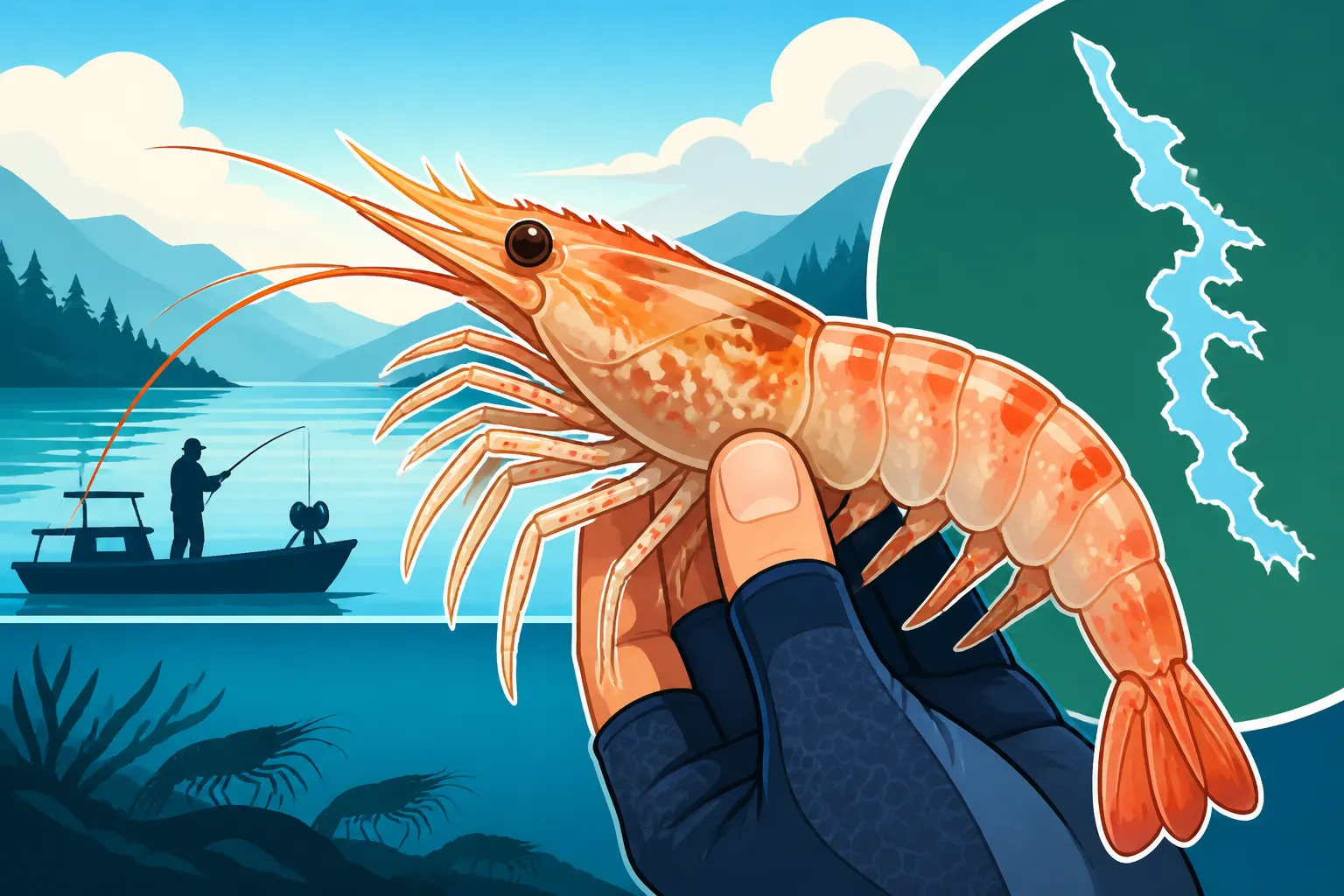
Unlike the tiny shrimp you often see pre-peeled in the grocery store, spot shrimp are in a league of their own. They're robust, vibrant, and when cooked, they offer a firm, sweet texture that makes them a top choice for seafood lovers. Their distinct white spots on the tail, along with their characteristic red and white banding, make them easily identifiable. In Hood Canal, the deep, nutrient-rich waters provide an ideal habitat for these crustaceans to thrive, allowing them to reach sizes that many other shrimp species can only dream of. The anticipation of pulling up a pot full of these beauties is a core part of the Spot Shrimp in Hood Canal experience.
The Life Cycle of a Spot Shrimp
Spot shrimp have a fascinating life cycle that directly influences their size throughout the year. They typically live for about 3-4 years, growing through a series of molts. During a molt, the shrimp sheds its old, hard exoskeleton and absorbs water to expand its body before a new, larger shell hardens. This process is how they grow in size, and it's heavily influenced by factors like water temperature, food availability, and even how crowded their environment is. Generally, they start as males and transition to females later in life, often reaching their largest sizes during their female phase. This constant growth cycle means that while there's a typical size range, older, larger individuals are definitely out there, waiting for your pot.
The Truth About Hood Canal Spot Shrimp Size
Let's get down to the nitty-gritty: how big can you realistically expect those Hood Canal spot shrimp to be? The truth is, while there are outliers, most of what you catch will fall within a desirable range, and knowing what to look for will help you gauge a successful trip.
Typical Length and Weight Expectations
When you're pulling your pots, the majority of the spot shrimp you encounter in Hood Canal will typically measure between 6 to 9 inches from the tip of their rostrum (the pointy bit on their head) to the end of their tail. In terms of weight, a truly "jumbo" spot shrimp might weigh in at around 1.5 to 2 ounces individually. To put that into perspective, you might get anywhere from 8 to 12 of these beauties per pound, though some days you'll hit a patch of smaller ones, and other days you'll feel like you're hauling up miniature lobsters. The ideal spot shrimp for a meal is often considered to be in that 7 to 8-inch range – big enough to be meaty, but not so large that they become tough. These are the ones that make all the effort worthwhile.
Here's a quick look at general size expectations:
| Size Category | Length (Rostrum to Tail) | Typical Weight (Each) | Notes |
|---|---|---|---|
| Small | 5-6 inches | 0.5-0.8 ounces | Often younger shrimp, still delicious. |
| Average | 6-8 inches | 0.8-1.5 ounces | Most common catch, excellent for eating. |
| Large | 8-9 inches | 1.5-2 ounces | Highly sought-after, impressive specimens. |
| Exceptional | 9+ inches | 2+ ounces | Rare "trophy" shrimp, a special treat! |
Factors Influencing Shrimp Size
Why do some shrimp get bigger than others, even in the same body of water? It's a complex interplay of several environmental factors:
- Water Temperature: Generally, warmer water can accelerate growth rates up to a point, but extremely warm water can also stress shrimp. Hood Canal's relatively stable, cooler temperatures are often ideal.
- Food Availability: A consistent and abundant food supply, like plankton and small invertebrates, means shrimp have the energy and nutrients to grow larger. Areas with rich marine biodiversity tend to produce bigger shrimp.
- Depth: Larger shrimp often prefer deeper, cooler waters, which is why many shrimpers target depths of 150-300 feet (and sometimes even deeper) in Hood Canal. These deep pockets offer more stable conditions and potentially less predation.
- Age: As mentioned, older shrimp are naturally larger, having had more time to molt and grow. While you can't control a shrimp's age, targeting areas known for established populations might increase your odds of finding older, larger individuals.
- Population Density: If an area is overcrowded, competition for food can lead to slower growth rates and smaller overall shrimp size. Healthy management and reasonable harvest limits, as outlined in Washington Fishing Regulations Every Angler Should Know, help prevent this.
Record-Breaking or Exceptional Sizes
While a 9-inch spot shrimp is considered a fantastic catch, every now and then, an angler will pull up a true monster. These exceptional shrimp can push past the 10-inch mark, sometimes even approaching a foot in length! Imagine seeing one of those coming out of the pot! These are definitely not the norm, but they are a testament to the potential of Hood Canal's waters. Local fishing forums and tackle shops often have tales of these legendary catches, inspiring us all to keep dropping those pots, hoping to be the next one to tell such a story. It's these possibilities that keep the thrill alive, even when most of your catch is perfectly average.
Identifying and Measuring Your Catch
Once you've hauled your pots to the surface, the excitement of seeing those vibrant spot shrimp is unmatched. But knowing how to properly identify and, more importantly, measure your catch is crucial for a responsible and successful shrimping trip.
The Importance of Accurate Measurement
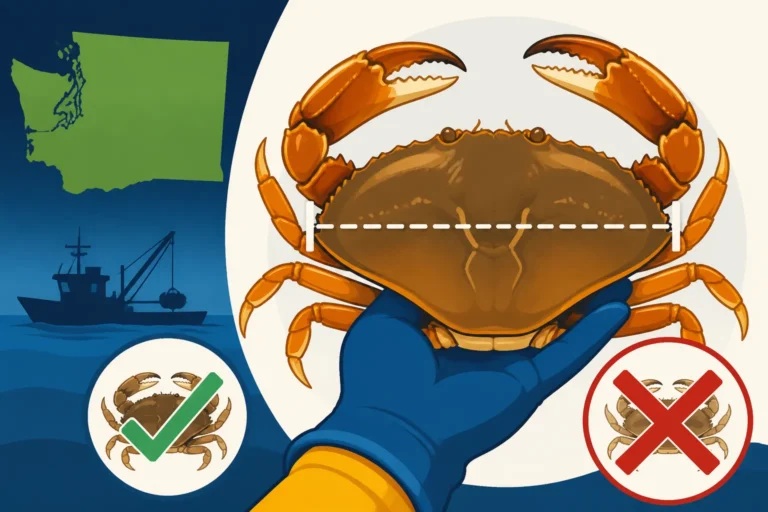
For spot shrimp in Washington, the regulations focus on daily limits and gear restrictions, not a minimum size limit like you might find for species such as Dungeness Crab Identification and Legal Size. This means you don't have to measure every shrimp to ensure it's legal. However, understanding the typical sizes, and how to measure, is still incredibly valuable. It helps you assess your harvest, share accurate bragging rights, and understand the health of the fishery. Plus, knowing how to measure correctly ensures you can participate in any local derbies or just accurately describe the jumbo prawns you caught! While you're primarily counting for your daily limit, the quality and size of your catch are what make the effort truly rewarding.
Practical Tips for Measuring Shrimp
Measuring a live, squirming shrimp can be a bit tricky, but with a simple ruler or even a flexible measuring tape, you can do it accurately. The standard way to measure a spot shrimp is from the tip of its rostrum (the sharp, pointed projection on its head) to the tip of its telson (the central segment of its tail fan). Make sure the shrimp is laid out straight, not curled, for the most accurate reading. Many anglers keep a small, waterproof ruler or a specialized shrimp measuring tool in their boat or tackle box. You can even find handy, retractable measuring tapes on Amazon that are perfect for marine environments, ensuring you always have a tool ready for those prize catches.
Maximizing Your Chances for Larger Shrimp
Everyone wants to pull up bigger shrimp, right? While there's no magic bullet, there are definitely strategies and techniques that can tip the odds in your favor when shrimping in Hood Canal. It's about understanding their habits and setting yourself up for success.
Best Depths and Locations in Hood Canal
Spot shrimp in Hood Canal are known to congregate in specific areas, often influenced by depth, current, and bottom structure. Generally, you'll find bigger shrimp in deeper water, typically ranging from 150 to 300 feet, sometimes even deeper, especially as the season progresses. Look for areas with a soft, muddy, or silty bottom, as these provide ideal habitat for the shrimp and their food sources. Steep drop-offs, underwater canyons, and areas near submerged structures can also be prime spots. Many experienced shrimpers use their boat's sonar or fish finder to locate these deeper channels and promising bottom contours before deploying their pots. Exploring different spots, rather than just sticking to one, can significantly improve your chances of finding where the larger shrimp are holding. Understanding Spot Shrimp and Where They Live can be a game-changer.
Optimal Bait and Pot Setup
Your choice of bait and the way you set up your pot are critical for attracting those hungry spot shrimp. Spot shrimp are scavengers and are drawn to strong scents.
- Bait Selection: The classic bait for spot shrimp is fish byproducts – think oily fish like salmon or tuna carcasses, or even cheap canned cat food (the oilier, the better!) punctured with holes. Many anglers swear by a mixture, using a "bait jar" filled with potent attractants like salmon heads or commercial shrimp bait pellets, and then adding a more dispersible bait like cat food or shrimp pellets in a mesh bag. The goal is a consistent, strong scent trail. For convenience, you can find a variety of bait cages and pre-packaged shrimp attractants on Amazon.
- Pot Design: Use well-constructed shrimp pots that are heavy enough to stay put in the current and have appropriate mesh size to allow smaller, less desirable bycatch to escape. Ensure your bait container is secure so the bait doesn't wash out too quickly. Having ample escape cord on your pots can also help smaller critters exit, leaving more room for the big ones.
- Soak Time: While it might be tempting to check your pots frequently, a longer soak time can sometimes yield better results, especially in deeper water. However, this depends on current and bait longevity. Learning about How Long to Soak a Crab Pot in Puget Sound can give you an idea of typical soak times for similar crustaceans, even if shrimp specifics vary. Experiment to find what works best for your chosen spot. For more detailed advice, check out Best Bait for Spot Shrimp and Shrimping Techniques in Hood Canal.
Timing Your Shrimp Trips
Timing is everything in fishing, and shrimping is no exception. Spot shrimp seasons in Hood Canal are typically short and highly anticipated, often opening in the spring and sometimes with additional fall dates, governed by the Washington Department of Fish and Wildlife (WDFW) to ensure sustainability.
- Seasonality: The best time to catch large shrimp often coincides with the initial openings of the season. At this time, the shrimp haven't been heavily fished, and there's a higher chance of encountering older, larger individuals. Later in the season, you might find more competition and potentially smaller shrimp as the population is harvested. Keeping an eye on the official WDFW announcements for Shrimping Season in Hood Canal is essential.
- Tides and Currents: While not as critical as for some other fisheries, understanding tidal currents can still play a role. Strong currents can move your pots or wash out your bait quickly. Many shrimpers prefer to drop their pots during slack tide, or when currents are weaker, to ensure their pots settle properly and remain in place, maximizing the effectiveness of their bait. The specific current patterns in different parts of Hood Canal will also influence where you choose to set your gear.
Responsible Shrimping and Conservation
The vibrant spot shrimp fishery in Hood Canal is a precious resource, and responsible angling is key to ensuring its health and abundance for generations to come. It’s not just about catching the biggest shrimp, but about contributing to a sustainable future for this amazing fishery.
Understanding Catch Limits
Washington's spot shrimp fishery is carefully managed, and daily catch limits are put in place for a very good reason: to prevent overfishing and protect the shrimp population. These limits, usually measured in pounds or quarts, are strictly enforced, and it's your responsibility as an angler to know and adhere to them. Exceeding the daily limit can lead to hefty fines and impact the long-term health of the fishery. Always check the current regulations before you head out, as they can change annually or even in-season based on stock assessments. When you're busy counting your catch, it's easy to get carried away, but staying mindful of the How to Catch Shrimp in Hood Canal rules will ensure this incredible opportunity remains for everyone.
Minimizing Bycatch and Handling Your Catch
While spot shrimp are the target, your pots might inadvertently catch other marine life, known as bycatch. Minimizing this and handling all your catch with care is a crucial part of responsible shrimping.
- Sorting Quickly: As you retrieve your pots, sort through your catch efficiently. Identify your spot shrimp and quickly release any bycatch or undersized (though no minimum size for spot shrimp) or unwanted shrimp back into the water with minimal handling. The less time they spend out of their environment, the better their chances of survival.
- Proper Handling: Handle spot shrimp gently to avoid damaging them. They are delicate creatures, and rough handling can injure them. If you're going to keep them, transfer them quickly into a cooler filled with ice or a brine solution to maintain their freshness. The quicker they are chilled, the better the quality of the meat. This practice ensures that every shrimp you keep is of the highest quality, and those you release have the best chance of thriving.
The pursuit of the jumbo Hood Canal spot shrimp is a journey filled with anticipation, skill, and the pure joy of being out on the water. While those truly colossal shrimp are rare, the consistent catch of beautiful, meaty specimens is what makes this fishery so beloved. By understanding their habits, optimizing your gear, timing your trips, and always practicing responsible shrimping, you'll not only increase your chances of a bountiful harvest but also help preserve this incredible resource for years to come. Tight lines, or should I say, tight ropes!
Disclaimer
This article is for general informational purposes only and does not constitute professional advice. Laws, prices and regulations vary by location and change over time. Consult a qualified professional for guidance on your specific situation.