Bull Trout and Why It’s Protected
There's a specific kind of heart-stopping moment many Washington anglers have experienced: you reel in a beautiful fish, spotted and vibrant, and for a split second, you think you've landed a trophy trout. Then, a wave of recognition—or maybe confusion—washes over you. Is this a Bull Trout? And the next thought is immediate and critical: I know I can't keep these. This guide is here to clear up that vital distinction, delve into why these magnificent fish are so stringently protected in our waters, and empower you with the knowledge to be a responsible conservationist every time you cast a line.
The Enigma of the Bull Trout in Washington's Waters
The Bull Trout is truly one of Washington's most fascinating and, frankly, mysterious native fish. They don't quite fit the typical "trout" mold that many of us picture, and understanding their unique biology and preferred environments is key to appreciating why they need our vigilant protection.
What is a Bull Trout, Anyway?
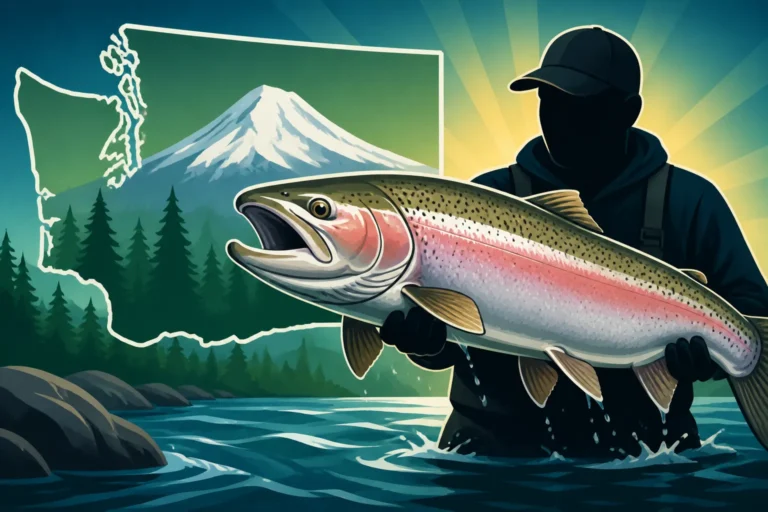
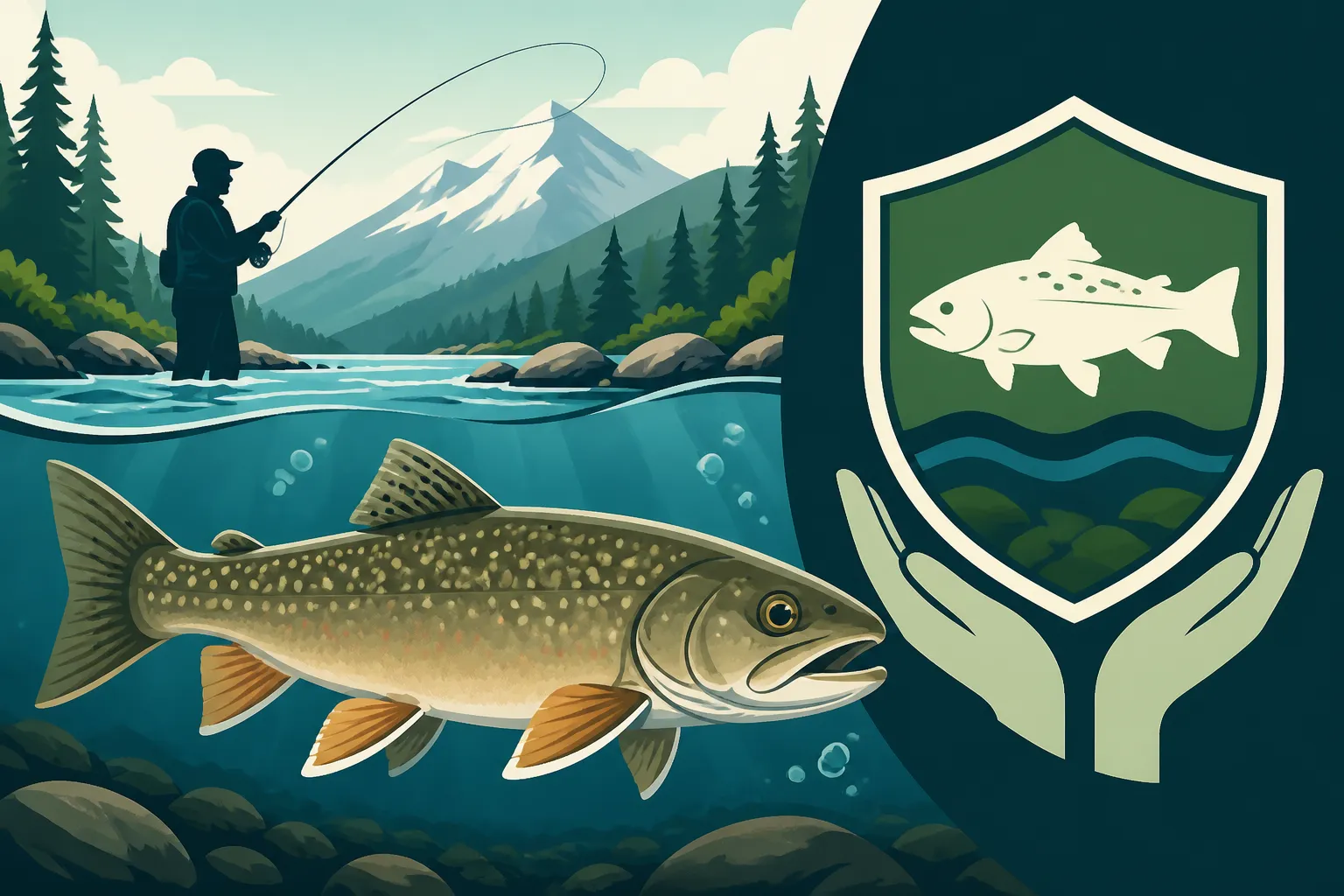
First things first, let's clear up a common misconception: Bull Trout ( Salvelinus confluentus ) aren't actually "true" trout. They're a species of char, closely related to Dolly Varden and Brook Trout, but distinct in their own right. If you look closely, you'll see the tell-tale signs: light spots on a dark background (usually olive green, brown, or gray on the back, fading to white or yellow on the belly), rather than dark spots on a light background like a rainbow or cutthroat trout. Their spots are often pale yellow, orange, or even red, especially closer to spawning season. Their heads are notably large and broad, with a powerful, somewhat "bulldog-like" jaw that extends well past their eye. This distinctive head is where they get their intimidating name, and it’s a good visual cue once you know what to look for.
These are native fish, meaning they've been a part of Washington's ecosystems for millennia, perfectly adapted to the cold, clear waters they call home. Unlike many hatchery-stocked species, Bull Trout are wild, self-sustaining populations, and their health is a direct indicator of the health of their aquatic environment. They can grow surprisingly large, sometimes exceeding 20 pounds in prime conditions, making them a truly impressive catch—if only for a fleeting moment before release.
Where You Might Encounter Bull Trout
Bull Trout are particular about where they live. They absolutely demand cold, clean water, making them an important indicator species for water quality and habitat health. You'll typically find them in unpolluted rivers, streams, and lakes, especially those fed by glaciers or snowmelt, where water temperatures rarely creep above 59 degrees Fahrenheit (15 Celsius). They thrive in complex habitats with deep pools, abundant woody debris, undercut banks, and clean, gravelly streambeds for spawning.
In Washington, their native range historically covered much of the state, but today they are primarily found in specific strongholds. You might encounter them in the upper reaches of some Columbia River tributaries, certain rivers flowing out of the eastern Cascades, and in a few select drainages on the Olympic Peninsula. They're not evenly distributed, and finding them often means venturing into more remote, pristine areas. What's more, Bull Trout are migratory. Some spend their entire lives in small streams (resident form), while others migrate long distances between lakes and rivers (adfluvial form) or even between larger rivers and their tributaries (fluvial form) to spawn. This means they need healthy, connected waterways to complete their life cycles, free from impassable dams or degraded stream sections. Knowing their preferred habitat can help you understand why certain areas have strict regulations—they're trying to protect these fragile havens for Bull Trout survival.
The Critical Status: Why Bull Trout Are Protected
It’s easy to get frustrated by strict fishing rules, especially when you hook into a beautiful fish that you can’t keep. But with Bull Trout, these regulations aren't just arbitrary; they are absolutely essential for the survival of the species. Understanding the "why" behind their protected status really helps put things into perspective.
Declining Populations and Habitat Loss
The story of the Bull Trout is, unfortunately, a classic tale of environmental decline. Historically, they were much more widespread, but over the last century or so, their numbers have plummeted dramatically. This isn't due to one single factor, but rather a combination of human impacts that have systematically eroded their ability to thrive. Overfishing in the past certainly played a role before their protected status, but habitat degradation has been the biggest culprit. Dams, for example, block their migratory routes, fragmenting populations and preventing them from reaching critical spawning and rearing grounds. They also alter water temperatures and flow regimes, creating conditions too warm or unstable for Bull Trout.
Logging practices, mining, and agricultural runoff have contributed to increased sedimentation in rivers, burying the clean gravels that Bull Trout need to lay their eggs. These activities can also strip away vital shade cover along riverbanks, leading to warmer water temperatures that are lethal to these cold-water specialists. Essentially, their homes have been shrunk, damaged, and made less hospitable. Couple this with the growing threat of climate change, which promises even warmer water temperatures and altered precipitation patterns, and you can see why every single Bull Trout is considered precious.
Endangered Species Act Listing
Due to these severe declines, the Bull Trout was officially listed as a threatened species under the federal Endangered Species Act (ESA) in 1999 across its entire range, including here in Washington. This designation is a huge deal. It's not just a suggestion; it means that the species is at risk of becoming endangered (facing extinction) in the foreseeable future, and it triggers a suite of legal protections. Under the ESA, it becomes illegal to "take" (harass, harm, pursue, hunt, shoot, wound, kill, trap, capture, or collect) a Bull Trout. This is why you absolutely cannot keep one if you catch it.
The ESA listing also mandates the development of recovery plans, which outline specific actions needed to bring the species back to a healthy population level. It requires federal agencies to ensure their actions don't jeopardize the continued existence of the Bull Trout or adversely modify its critical habitat—the specific areas essential for its conservation. For anglers, this means extremely strict catch-and-release rules in any water where Bull Trout might be present, even if you’re targeting other species. Understanding the gravity of this federal protection should make it clear why adhering to these rules is non-negotiable. If you're unsure about the local regulations, always check the current WDFW pamphlet, and remember that Washington Fishing Regulations Every Angler Should Know are your first line of defense against accidental violations.
Competition and Hybridization with Non-Native Species
Beyond habitat woes, Bull Trout face a significant threat from introduced species, particularly the non-native Brook Trout (Salvelinus fontinalis). Brook Trout were widely stocked throughout the West, including Washington, a long time ago for recreational fishing. The problem is, Brook Trout compete with native Bull Trout for food and habitat. Even more critically, they can hybridize with Bull Trout. When a Bull Trout and a Brook Trout breed, they produce infertile offspring, which is a dead-end for the Bull Trout's reproductive efforts. This genetic "swamping" dilutes the native Bull Trout gene pool and further reduces their ability to recover.
Imagine a small, struggling population of Bull Trout trying to reproduce, only to have many of their mating attempts result in offspring that can't continue the line. It's a devastating blow to their population dynamics. This is why in some areas, regulations even encourage anglers to remove Brook Trout, especially from lakes and streams where they coexist with Bull Trout. Other non-native predators or competitors, like Brown Trout or Lake Trout (Mackinaw) in some waters, can also put pressure on Bull Trout, preying on their young or outcompeting them for food resources. It's a complex ecological challenge, and anglers are an important part of the solution by being informed and following regulations.
Angler's Role in Bull Trout Conservation
As anglers, we're often the first line of defense for our fish and waterways. When it comes to Bull Trout, our actions on the water are absolutely paramount. Every decision we make, from identifying our catch to how we release it, directly impacts their fragile recovery.
Catch-and-Release Only and Identification
The golden rule for Bull Trout in Washington is simple: catch-and-release only. There are no exceptions. This means that if you hook one, you must release it alive and unharmed. The challenge, of course, comes with accurate identification. Many anglers, especially those new to Washington's diverse fish populations, can easily confuse a Bull Trout with a Dolly Varden or even a colorful Rainbow Trout at first glance. It's a common struggle, but one we need to overcome for the fish's sake.
When you bring in a char, immediately look for those key identifying features: light spots on a dark background (rather than dark spots on light), the large, broad head, and the lack of black spots on the dorsal fin. If there’s any doubt, err on the side of caution and release the fish gently. Proper catch-and-release techniques are critical:
- Minimize handling: Keep the fish in the water as much as possible.
- Wet hands: Always wet your hands before touching the fish to protect its delicate slime coat.
- Barbless hooks: Using barbless hooks makes removal much easier and quicker. Barbless Hook Requirements on Washington Rivers are already in place in many areas for species like steelhead, and extending that practice for char is just good stewardship.
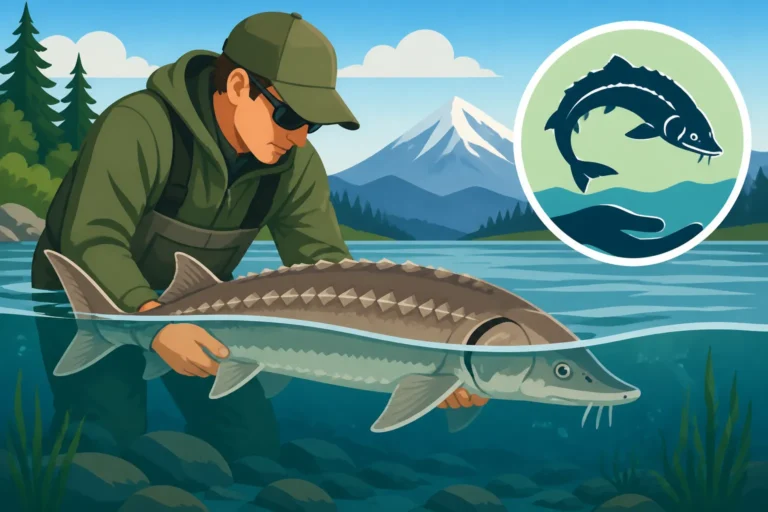
- Quick release: Unhook the fish carefully and release it gently, facing upstream in current if possible, allowing it to recover before swimming off.
- Avoid nets if possible: If you must use a net, ensure it's a knotless, rubberized landing net to minimize scale and slime damage.
Remember, the goal is to get that fish back into the water with the best possible chance of survival. For more detailed help, our article on How to Tell a Bull Trout From a Dolly Varden can really help solidify your identification skills.
Reporting Encounters and Violations
Being a responsible angler also means being an active participant in conservation. If you catch a Bull Trout, it's not strictly required to report it to WDFW unless specifically asked to in certain research areas, but being aware of where you caught it and letting biologists know if you see something unusual (like unusually high numbers in a new area, or signs of disease) can be helpful. What is absolutely critical, however, is reporting suspected violations. If you witness someone illegally keeping a Bull Trout, or engaging in any activity that harms their habitat, it's your duty to report it to the WDFW enforcement office.
Violations against protected species like Bull Trout carry serious legal consequences. Fines and Penalties for Common Fishing Violations can be substantial, including heavy monetary fines, forfeiture of gear, and even loss of fishing privileges. By reporting, you're not just being a "tattletale"; you're actively protecting a federally threatened species from harm, ensuring its survival for future generations of fish and anglers. Your vigilance on the water plays a vital role in upholding these protections.
Supporting Conservation Efforts
Beyond individual actions on the water, anglers can contribute to Bull Trout conservation through broader efforts. Supporting organizations dedicated to cold-water fish conservation and habitat restoration can make a huge difference. These groups often work on projects like removing barriers to fish migration, restoring riparian vegetation along streambanks, and advocating for policies that protect critical habitat.
Even smaller, everyday actions contribute:
- Leave no trace: Pack out everything you pack in, and avoid disturbing streambeds or riparian areas.
- Educate others: Share your knowledge about Bull Trout protection with fellow anglers and help them understand the importance of catch-and-release.
- Advocate for clean water: Support initiatives that protect water quality and cold-water sources, which are essential not just for Bull Trout, but for all native fish.
Ultimately, protecting Bull Trout isn't just about saving one species; it's about preserving the pristine, wild ecosystems that define much of Washington's natural beauty and provide us with incredible angling opportunities for all kinds of fish.
Distinguishing Bull Trout from Similar Species
Given the strict protection of Bull Trout, being able to confidently tell them apart from other species, especially Dolly Varden and Brook Trout, is paramount. Misidentification can lead to accidental violations or, just as bad, the unnecessary release of a legal catch.
Bull Trout vs. Dolly Varden
This is perhaps the most common and historically significant confusion. For many years, Bull Trout and Dolly Varden were considered the same species, often referred to collectively as "Dolly Varden" or sometimes "native char." Scientists have since determined they are distinct species, though they share many physical characteristics and overlap in range. In Washington, true Dolly Varden are generally found only in saltwater and coastal drainages west of the Cascade Mountains, while Bull Trout are found in inland waters and east of the Cascades, as well as some coastal rivers. However, there are some areas, particularly in Puget Sound drainages, where their ranges can overlap, making identification trickier.
Here are some key distinctions to help you tell them apart:
| Feature | Bull Trout | Dolly Varden |
|---|---|---|
| Head Shape | Longer, flatter, more "bulldog-like" snout | Shorter, more rounded |
| Mouth | Upper jaw extends well past the eye | Upper jaw typically extends to or slightly past the eye |
| Spotting | Fewer, larger, irregular spots on flanks | More numerous, smaller, more even spots on flanks |
| Coloration | Often olive green to brown on back, lighter flanks | More varied, can be darker green to blue-gray |
| Caudal Fin | More deeply forked | Less deeply forked |
| Body Shape | More elongated and slender | Slightly more robust, deeper body |
| Native Range in WA | East of Cascades, some Puget Sound drainages, Olympic Peninsula | West of Cascades, coastal drainages, Puget Sound |
The easiest rule of thumb, when in doubt, is still to treat any char that might be a Bull Trout as such, especially in areas known to host Bull Trout. Remember, even in areas with Dolly Varden, catch limits can be restrictive, so always check the specific regulations for the water body you are fishing. How to Tell a Bull Trout From a Dolly Varden provides even more in-depth visual cues and habitat information to help you get it right.
Bull Trout vs. Brook Trout
The distinction between Bull Trout and Brook Trout is perhaps even more critical from a conservation standpoint, primarily because Brook Trout are non-native invaders that can hybridize with Bull Trout. While Brook Trout are pretty fish, often having intricate worm-like (vermiculated) patterns on their backs and a distinctive white leading edge on their fins, they are a significant threat to native Bull Trout populations.
Here’s how to tell them apart:
- Spotting: Bull Trout have light spots (yellow, orange, red) on a dark background. Brook Trout have light spots (yellow, red with blue halos) on a dark background, BUT they also have distinctive worm-like squiggles (vermiculations) on their backs and dorsal fin, which Bull Trout lack.
- Pectoral, Pelvic, Anal Fins: Brook Trout famously have a bright white leading edge on their pectoral, pelvic, and anal fins, followed by a black stripe, then the reddish or orange fin color. Bull Trout do not have this distinct white leading edge.
- Mouth: Bull Trout have a significantly larger mouth that extends well behind the eye. Brook Trout's mouth is smaller, typically not extending past the back of the eye.
- Tail: Bull Trout have a more deeply forked tail. Brook Trout have a squarer, less forked tail.
Knowing these differences is not just about avoiding a fine; it's about actively participating in the health of our native fish populations. In many cases, where Brook Trout are found alongside Bull Trout, anglers are encouraged or even required to remove all Brook Trout they catch, as this helps reduce competition and hybridization pressure on the native species. Always check specific regulations for the body of water you're fishing to understand the rules for both Bull Trout and Brook Trout. Our article What Eastern Brook Trout Are Often Confused With can give you even more context on this important distinction. Being a knowledgeable angler means being a protector of these magnificent, federally protected fish.
Disclaimer
This article is for general informational purposes only and does not constitute professional advice. Laws, prices and regulations vary by location and change over time. Consult a qualified professional for guidance on your specific situation.