What Happens If Weather Cancels a Washington Charter?
It's incredibly frustrating when you've planned out a fantastic fishing trip, bought your licenses, maybe even booked a hotel, only to have the weather throw a wrench in your plans. Washington State is renowned for its incredible fisheries, from the open ocean for halibut and tuna to the bustling Puget Sound for salmon, and our serene rivers for steelhead and trout. But just as diverse as our fishing opportunities are our weather patterns, and sometimes, Mother Nature simply doesn't cooperate. This guide is here to walk you through what happens when adverse weather forces a charter cancellation, helping you understand policies, manage expectations, and plan for those unexpected changes so you're never left completely in the lurch.
The Inevitable Reality of Washington Weather and Fishing
Fishing in Washington is a beautiful endeavor, but it’s always at the mercy of the elements. Whether you're heading out to the Strait of Juan de Fuca or planning a river trip on the Cowlitz, the weather can change on a dime, turning a dream day into a safety concern. This unpredictability is just part of the angling experience here, and understanding it is key to managing your expectations.
Why Weather Plays Such a Big Role
Washington State experiences a huge variety of weather, often all within a single day. On the coast and in Puget Sound, high winds can whip up dangerous swells and chop, making navigation treacherous and fishing nearly impossible. Imagine trying to precisely drop a jig for lingcod in 6-foot seas, or troll for Chinook when your boat is being tossed around like a cork. Even seemingly minor conditions like dense fog can make navigating busy shipping lanes or intricate island passages extremely risky, especially for charters operating at speed.
River fishing, while often more sheltered, isn't immune. Heavy rainfall can blow out rivers, turning clear, fishable water into a muddy, fast-moving torrent that's both dangerous and unproductive. High water can make wading unsafe, and debris carried downstream can foul lines and damage gear. Conversely, extremely low, clear water, often associated with prolonged dry spells, can make fish exceptionally spooky and unwilling to bite, sometimes leading captains to cancel if they know the chances of success are minimal, ensuring clients get the best experience possible.
It's completely understandable to feel a pang of disappointment when the forecast turns sour after you've spent weeks, or even months, looking forward to your trip. You've envisioned the tug on the line, the fresh air, the camaraderie. To have that snatched away by something so out of your control can be incredibly frustrating, especially if you're traveling a long distance for the experience.
Who Makes the Call: Captain's Discretion
When it comes to the decision to cancel a charter due to weather, there's one person whose word is final: the captain. This isn't just a matter of preference; it's a fundamental responsibility. A licensed captain's primary duty is the safety of their passengers and crew, as well as the integrity of their vessel. They are highly experienced in reading marine forecasts, understanding local conditions, and knowing the capabilities and limitations of their boat.
The captain will consider a multitude of factors, far beyond just sunshine or rain. They'll look at wind speeds and direction, wave height (both significant wave height and swell period), tidal currents, visibility (fog can be a major issue), and even projected changes throughout the day. They also weigh the comfort of their passengers; even if technically safe, a day spent fighting seasickness isn't a fun or memorable fishing trip. They want you to have a good time and catch fish, and if the conditions make that unlikely, they'll make the responsible choice to cancel.
This decision, while sometimes tough to hear, is ultimately in your best interest. No reputable captain will put their clients, their crew, or their boat at undue risk just to get out on the water. Trust that when a captain cancels, it's because they genuinely believe the conditions are not suitable for a safe and enjoyable trip. It's a professional judgment made with years of experience, not a casual choice.
Understanding Charter Cancellation Policies
Knowing what to expect if your trip gets rained out or blown off the water is crucial for peace of mind. Every charter operation will have a cancellation policy, and understanding it upfront can save you a lot of headache and heartache if the weather decides not to cooperate. It’s not just about getting your money back; it’s about understanding your options.
Standard Industry Practices for Weather Cancellations
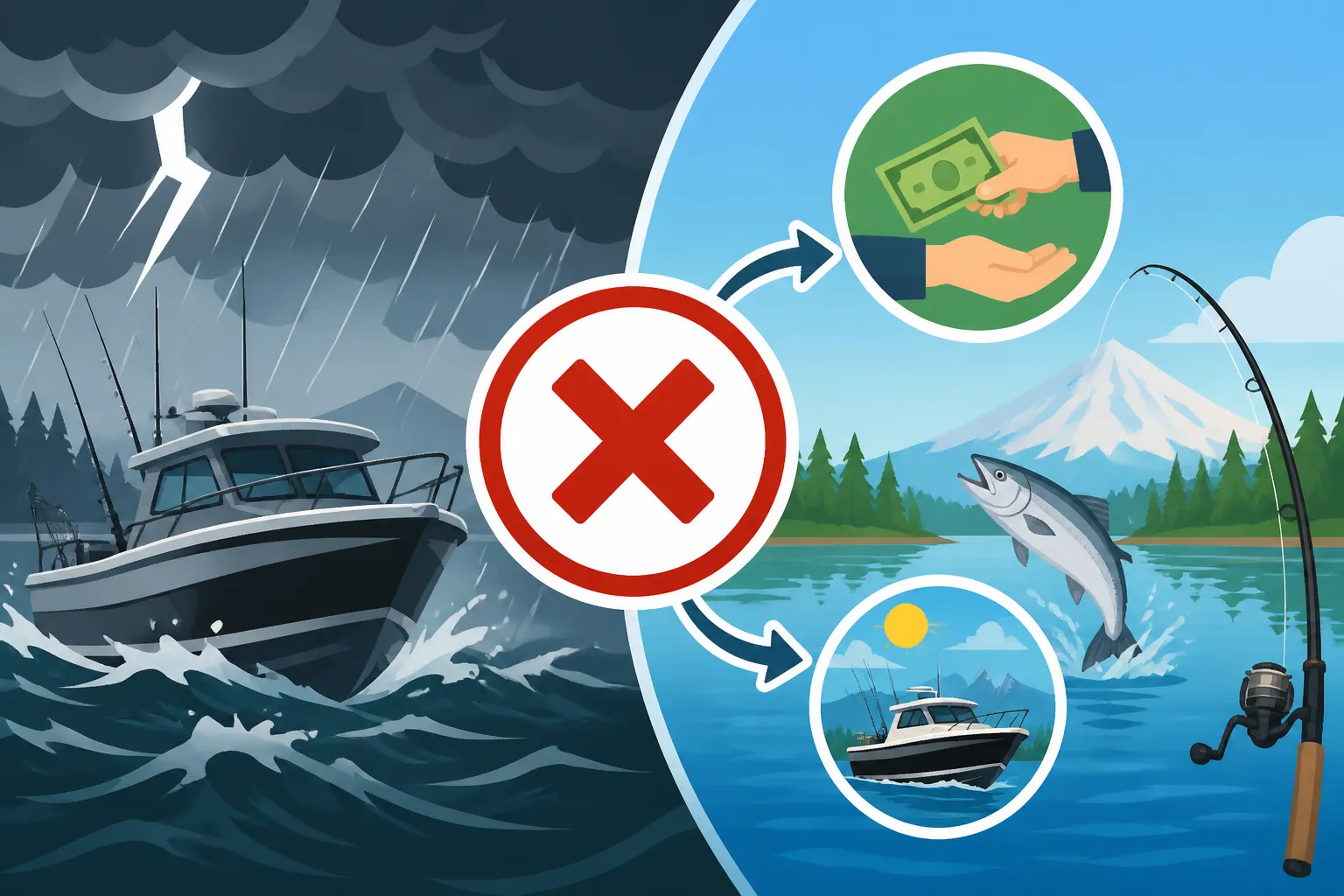
Generally speaking, a weather cancellation initiated by the charter captain is distinct from a cancellation made by the client for other reasons. When the captain determines conditions are unsafe or unfishable, their policy will almost always offer either a full refund or the option to reschedule your trip. This is standard across the industry because the cancellation is beyond your control and the captain's control, driven by safety.
It’s absolutely vital to review the charter's specific cancellation policy before you put down a deposit or pay in full. You can usually find this information on their website, in your booking confirmation email, or you can simply ask them directly when you call to book. Reputable booking platforms, such as FishingBooker, make these policies transparent during the booking process, ensuring you're aware of the terms from the outset. Pay close attention to clauses regarding weather and the captain's discretion, as well as any deadlines for notification or rescheduling.
Be aware that if you decide to cancel because the forecast looks a little gloomy, but the captain still plans to run the trip, that typically falls under a client cancellation and you may forfeit your deposit or full payment. The captain makes the final call on what constitutes "unfishable" or "unsafe" conditions, not the client. This distinction is crucial and often where misunderstandings arise.
Refund vs. Reschedule Options
When a charter is canceled due to weather, you'll typically be presented with two main options: a full refund or rescheduling your trip for another available date. Both have their advantages and disadvantages depending on your situation. A full refund gives you your money back, allowing you to use it for other activities or to book a different trip entirely at a later date. This is often the preferred option for those who traveled a long distance and can't easily rearrange their schedule.
Rescheduling, on the other hand, keeps your dream trip alive. If you have flexibility in your travel plans or live locally, this can be a great way to ensure you still get out on the water with a captain you trust. However, be mindful of availability. Popular charters, especially during peak season for species like Chinook Salmon: Washington's King of Fish or Pacific Halibut Fishing on the Washington Coast, can book up months in advance. You might need to be flexible with your dates or even consider an off-peak season to find an opening.
In rare cases, a charter might offer a partial refund or a credit for a future trip if the cancellation is complex, such as starting the trip but having to return early due to unforeseen rapid weather deterioration. Always clarify these possibilities when discussing the cancellation with your captain or booking agent. The goal for both parties is a fair resolution, and clear communication is the best way to achieve that.
Navigating the Notification Process and Communication
One of the most anxiety-inducing parts of a questionable weather forecast is wondering when, or if, your trip will be called off. Understanding how and when charters typically notify clients can help you stay informed and prepared. It also highlights the importance of keeping lines of communication open with your charter operator.
How and When You'll Be Notified
Most reputable Washington fishing charters will have a clear process for weather-related cancellations. The most common methods of notification include a direct phone call, a text message, or an email. It’s absolutely vital to ensure the charter has your current and preferred contact information when you book, especially a phone number you’ll be monitoring leading up to your trip. You don't want to be halfway to the marina only to discover an unread email about a cancellation!
As for when you’ll be notified, it varies. For forecasts that are confidently bad several days out, a captain might call you 24-48 hours in advance. This gives you time to adjust your plans, cancel hotel reservations, or arrange alternative activities. However, weather in Washington can be notoriously fickle, especially along the coast or in the Strait of Juan de Fuca. Sometimes, conditions can change rapidly, or a patchy forecast might leave a decision hanging until the last possible moment, perhaps just a few hours before your scheduled departure. In these situations, captains often wait until they have the most accurate, up-to-date information before making a final call, even if it means a very early morning phone call.
The captain wants to make the right decision, not just for safety but also to give you the best chance to fish. They're often watching multiple weather models and local observations, sometimes right up to the hour. Patience and understanding are key here. They're not trying to keep you in suspense; they're trying to make an informed decision for everyone's benefit.
Proactive Communication with Your Charter
While the captain will certainly reach out if a cancellation is necessary, there's nothing wrong with being proactive, especially if you're seeing concerning weather predictions on your own. If you're looking at a forecast that shows high winds, heavy rain, or significant swells a day or two before your trip, it's perfectly acceptable to send a polite text or make a quick phone call to your charter. A simple message like, "Hey Captain [Name], I saw the forecast for tomorrow looks a bit rough. Just checking in to see if you're still planning to run the trip or if there are any updates," is usually welcome.
This proactive approach shows you're engaged and allows the captain to either confirm the trip, reassure you about conditions, or let you know they're still monitoring and will update you soon. It also gives you a chance to ask specific questions about the Cancellation Policies for Washington Charters if you’re unclear about any terms. However, be respectful of their time. Captains are often busy preparing for trips, maintaining equipment, or even out on the water. A quick check-in is fine, but avoid multiple calls or demanding immediate answers, especially if they’ve already indicated they’ll notify you as soon as a decision is made.
Remember, clear communication is a two-way street. By being understanding and reaching out politely when you have concerns, you foster a better relationship with your charter operator, which can be beneficial if you need to reschedule or book with them again in the future.
Financial and Logistical Implications of a Canceled Trip
When a fishing charter gets canceled due to weather, the immediate concern for most people is getting their money back for the trip itself. However, for many anglers, especially those traveling from out of town, the financial impact can extend far beyond the charter fee. It’s important to consider all the potential costs and how to mitigate them.
Beyond the Charter Fee: Other Costs to Consider
A canceled fishing charter can unfortunately lead to a cascade of other non-refundable expenses. If you've booked flights to Washington specifically for your fishing adventure, those tickets are often non-refundable or come with hefty change fees. The same goes for hotel or Airbnb accommodations, particularly if they have strict cancellation policies. Imagine flying into Seattle, staying overnight, and then finding out your Washington's Puget Sound Salmon Charters: What to Expect is off for the day. That's a wasted flight and lodging expense.
Beyond travel and lodging, there are other logistical costs. You might have rented a car, paid for gas to get to the marina, or even taken a specific day off work, forfeiting wages. If you bought special tackle or gear for the trip, you might not get to use it as intended, though at least you'll have it for a future adventure! The sum of these ancillary expenses can sometimes far outweigh the actual charter fee, turning an exciting trip into a financial setback.
This is why, especially for those planning a destination fishing trip, travel insurance can be an absolute lifesaver. Many policies offer coverage for trip cancellations due to unforeseen events, including severe weather. Always read the fine print to ensure that "weather impacting travel" or "charter cancellation due to unsafe conditions" is covered. While it's an added upfront cost, it provides immense peace of mind and can protect your investment against the unpredictable nature of Washington's weather.
Planning for the "What If": Backup Plans
No one wants to think about their dream fishing trip being canceled, but having a "Plan B" can significantly reduce stress and disappointment if it happens. If your primary reason for visiting Washington is a specific fishing trip, try to build some flexibility into your itinerary. Can you book lodging with a lenient cancellation policy? Are your travel dates somewhat flexible, allowing for a reschedule if needed? These considerations upfront can make a huge difference.
Furthermore, think about alternative activities in the area you're visiting. If your Westport, Washington Halibut and Tuna Charters trip gets called off, what else does Westport or the surrounding coast offer? Perhaps a visit to a local museum, a scenic drive along the coast, or exploring some of the charming coastal towns. If you're on a river trip and it blows out, maybe you can pivot to visiting a nearby waterfall, a winery, or even a local tackle shop to chat with the pros and learn more about the area's fishing.
Even something as simple as researching local restaurants or attractions can turn a potentially disappointing day into an enjoyable discovery. The key is to avoid putting all your eggs in one basket. By having a few backup ideas, you can shift your focus from the frustration of a canceled trip to the opportunity to experience something new and still make the most of your time in beautiful Washington State.
Making the Best of a Canceled Fishing Day
A canceled fishing charter is never ideal, but it doesn't have to ruin your entire day or trip. With a bit of a positive attitude and some local insight, you can still have a memorable experience in Washington, even if it's not the one you originally planned. Flexibility and embracing the moment are your best allies.
Embracing Flexibility and Local Alternatives
When your charter calls it off, it's easy to feel defeated. But Washington is brimming with other things to see and do, and sometimes, a forced change of plans leads to unexpected discoveries. If you were planning a deep-sea trip, perhaps a more sheltered body of water, like a local lake or a different section of Puget Sound, might still be fishable from shore or a rental boat, provided you have your Washington Fishing License Guide for Nonresidents or resident license in hand. It’s worth checking Where to Find Current Washington Fishing Rules for any immediate, local opportunities.
Consider visiting a local tackle shop. These places are treasure troves of information and local color. Chat with the staff; they can offer insights into alternative fishing spots that might be less affected by the weather, or suggest land-based activities. You could also explore a state park, hike a nearby trail, or simply enjoy a delicious meal at a waterfront restaurant. Many coastal towns, like those near Fishing Westport and the Washington Coast or Sekiu and Neah Bay, Washington for Salmon and Halibut, have charming shops, historical sites, or even lighthouses to visit.
Sometimes, embracing the change means trying a completely different activity. If you're near a major city like Seattle, a rainy day might be perfect for visiting Pike Place Market, the Museum of Pop Culture, or the Seattle Aquarium. The idea is to pivot from your initial disappointment and actively seek out a new way to enjoy the beauty and culture of Washington.
Rescheduling Your Washington Fishing Adventure
One of the most common and often preferred outcomes of a weather cancellation is rescheduling your trip. Many anglers have a specific captain or charter in mind, and rescheduling allows them to eventually experience that trip. When you get the notification that your trip is off, express your interest in rescheduling promptly. The captain will appreciate your continued business.
Be as flexible as possible with your dates when rescheduling. If you initially booked during a prime weekend in peak season, those dates might be hard to come back by. Consider mid-week options, or even look at a slightly different time of year. For instance, if your early season salmon trip was canceled, perhaps there's an opportunity later in the summer or fall for a different run of fish. You might even find that booking slightly off-peak can lead to a less crowded experience on the water.
Maintain a good rapport with your charter captain. A positive attitude, even in the face of disappointment, goes a long way. They genuinely want to get you out fishing and will often do their best to accommodate your reschedule. Building this relationship can benefit you in the long run, perhaps even leading to tips on optimal fishing times or early booking opportunities for future seasons.
Essential Questions to Ask Before Booking Your Charter
Booking a fishing charter is an exciting prospect, but it’s also a significant investment of time and money. To ensure you’re prepared for any eventuality, especially the unpredictable Washington weather, there are a few key questions you should absolutely ask before you commit. These inquiries can save you from future headaches and ensure a smoother experience.
Key Policy Inquiries
The first and most crucial set of questions revolves around the charter's cancellation policies. Don't assume anything; ask for clarity on every point. Start with the most direct: "What is your specific policy regarding cancellations due to unsafe weather conditions?" Then, drill down into the details. Ask, "If the captain cancels due to weather, will I receive a full refund, or is it a credit for a future trip?" It’s important to know the exact terms, especially if you're traveling from out of state and a credit isn't a practical option.
Next, inquire about the rescheduling process: "If we reschedule, how far out is your availability, especially during peak seasons?" This helps you gauge your flexibility. Also, clarify the notification timeline: "How and when will I be notified if a weather cancellation occurs?" Understanding if they typically call 24 hours out or closer to departure time is incredibly helpful for planning. Some booking platforms, like FishingBooker, will often outline these policies clearly, but a direct conversation with the captain or booking agent can provide even more personalized insight.
Finally, confirm who makes the ultimate decision on weather. While it's generally the captain, explicitly asking "Who makes the final call on weather-related cancellations?" reinforces your understanding of their authority and prevents any misunderstandings about client-initiated cancellations versus captain-initiated ones.
Understanding Different Weather Scenarios
It’s one thing to ask about a general weather cancellation policy, but it's another to understand how a captain interprets various conditions. Don’t hesitate to ask about specific scenarios that concern you. For example, "What if it's just heavy rain, but the seas are calm – would that typically lead to a cancellation for a Washington's Puget Sound Salmon Charters: What to Expect trip?" Or, if you're targeting Steelhead: Washington's Ocean-Run Rainbow Trout on a river, "How do high river flows or muddy water from heavy rain affect your decision to run a trip?"
Different charters and different types of fishing trips have varying thresholds for what constitutes "unfishable." A large, ocean-going vessel might handle rougher seas than a smaller river drift boat. A light rain might be perfectly fine for a salmon trip, but persistent heavy rain with poor visibility could lead to a cancellation. Understanding these nuances helps you appreciate the captain's decision-making process and manage your own expectations.
Asking these types of detailed questions shows that you are a thoughtful and prepared client. It helps the captain understand your concerns and allows them to provide comprehensive answers, ensuring both parties are on the same page. This proactive communication builds trust and contributes to a smoother experience, whether your trip goes off without a hitch or you find yourself navigating a weather-related cancellation.
Here's a quick comparison of common weather scenarios and their likely impact on different Washington fishing charters:
| Weather Scenario | Ocean Charter (Halibut/Salmon) | Puget Sound Charter (Salmon/Lingcod) | River Charter (Steelhead/Trout) | Typical Outcome |
|---|---|---|---|---|
| High Winds (20+ mph) | Very high likelihood of cancellation due to dangerous swells. | High likelihood of cancellation due to rough chop and discomfort. | Moderate likelihood of cancellation if exposed sections or heavy rain. | Cancellation (Safety/Comfort) |
| Heavy Rain Only | Low likelihood of cancellation if seas are calm (just uncomfortable). | Low likelihood of cancellation if seas are calm (just uncomfortable). | High likelihood of cancellation due to rising/muddy water. | Run Trip (Ocean/Sound), Cancellation (River) |
| Dense Fog | Moderate to high likelihood of cancellation due to navigation risk. | Moderate to high likelihood of cancellation due to navigation risk. | Low likelihood of cancellation (unless extremely thick impacting driving to launch). | Cancellation (Safety/Visibility) |
| Moderate Swells (3-5 ft) | Moderate likelihood of cancellation, especially for comfort. | Low likelihood of cancellation, might be bumpy but fishable. | N/A | Run Trip or Cancellation (Comfort) |
| Sudden Cold Snap | Low likelihood of cancellation, might affect fish bite. | Low likelihood of cancellation, might affect fish bite. | Low likelihood of cancellation, might affect fish bite. | Run Trip (Fishery may be slower) |
Disclaimer
This article is for general informational purposes only and does not constitute professional advice. Laws, prices and regulations vary by location and change over time. Consult a qualified professional for guidance on your specific situation.