Finding a Guide for Sea-Run Cutthroat
The elusive sea-run cutthroat trout holds a special place in the hearts of Washington anglers, but let's be honest, finding these beautiful fish can feel like trying to catch a ghost. They move with the tides, hide in the estuaries, and challenge even seasoned local anglers. This guide is here to walk you through the ins and outs of finding and hiring a knowledgeable guide who can unlock the secrets of Washington's sea-run cutthroat fishery, making your pursuit far more rewarding.
The Unique Challenge of Sea-Run Cutthroat Fishing in Washington
Fishing for sea-run cutthroat trout in Washington isn't like targeting a lake full of hatchery rainbows. These fish are wild, migratory, and incredibly attuned to their environment. Their movements are dictated by a complex interplay of tides, weather, baitfish presence, and river flows, making them a true puzzle to solve. This inherent challenge is exactly why many anglers, even those with years of experience, seek out the specialized knowledge of a local guide.
Understanding Sea-Run Cutthroat Behavior
Sea-run cutthroat trout spend part of their lives in saltwater, growing fat on marine baitfish before returning to freshwater rivers and estuaries to spawn or seek refuge. This unique life cycle means they can be found in a variety of habitats, from the vast expanse of Puget Sound shorelines to the small, brushy creeks that feed into it. They're opportunistic feeders, keying in on everything from juvenile salmon to aquatic insects, often making their presence felt with a subtle splash or a quick chase of bait near the surface.
Their migratory patterns are less defined than salmon or steelhead, often involving multiple trips between fresh and saltwater within a season. This "in and out" behavior, combined with their tendency to roam widely, means that what worked yesterday in one spot might be completely dead tomorrow. A guide who intimately understands these subtle shifts is invaluable. They've spent countless hours observing, exploring, and adapting, deciphering the patterns that indicate where these moody trout might be holding or feeding.
Why a Guide is Worth the Investment
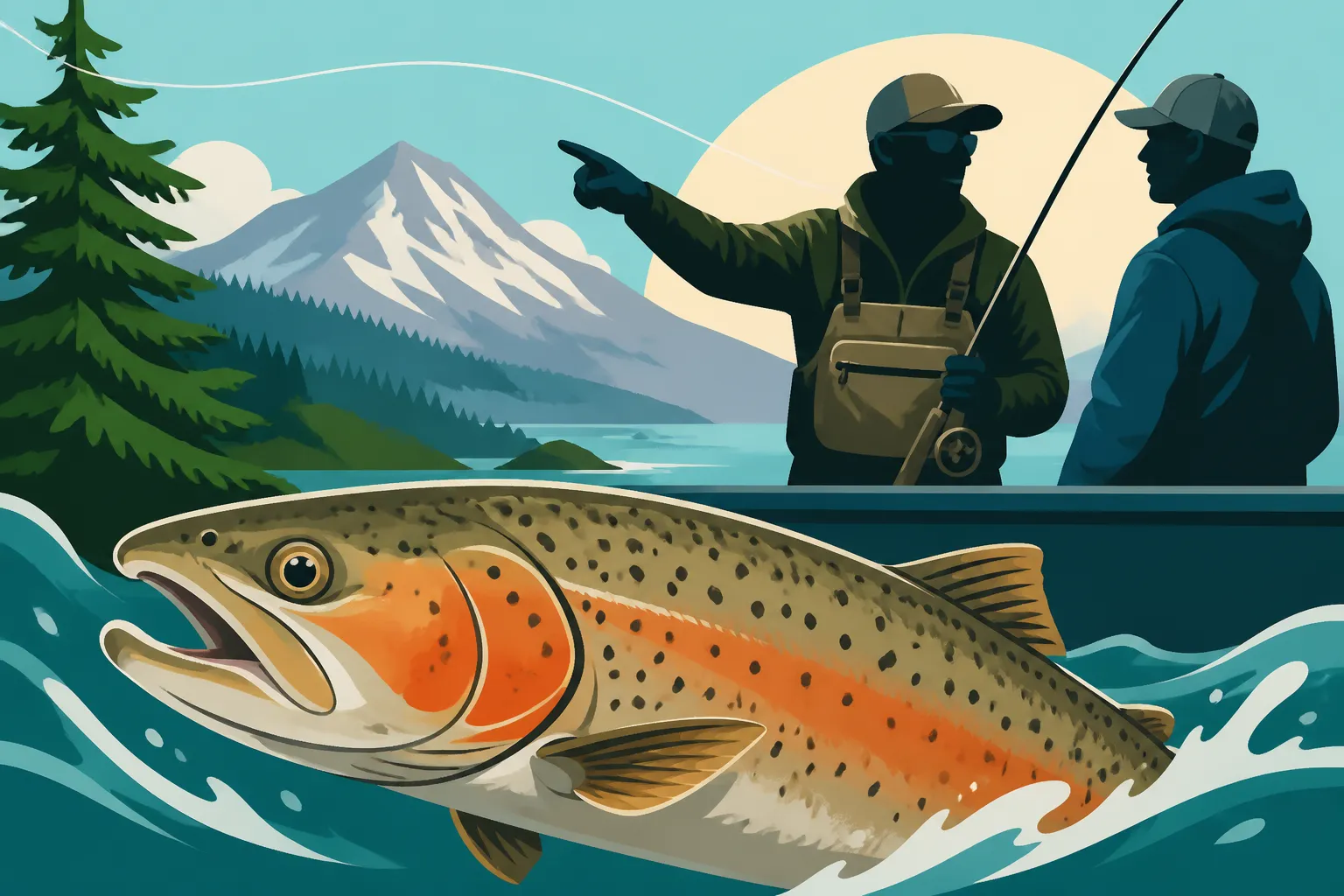
For many, fishing is a solitary pursuit, a chance to escape and figure things out on their own. But when it comes to a specific, challenging fishery like sea-run cutthroat, a guide offers more than just a ride in a boat or a pointing finger. They provide a masterclass in reading water, understanding tides, and selecting the right fly or lure for the conditions. Think of it as an accelerated learning curve. Instead of spending days or weeks flailing around, a good guide will put you on fish and explain why you're there and how to approach them.
Furthermore, local guides often have access to private lands or know of less-pressured public access points that would take years for an outsider to discover. They're also fully up-to-date on Washington Fishing Regulations Every Angler Should Know, including specific closures or gear restrictions that change frequently. For anglers looking to truly connect with this unique fish, or simply maximize a limited window of fishing time, the investment in a guide can transform a frustrating trip into a memorable success. It's not just about catching fish; it's about learning the subtle art of pursuing these incredible trout in their diverse Washington habitats.
What to Look For in a Sea-Run Cutthroat Guide
Choosing the right guide for your sea-run cutthroat adventure is crucial. It's not just about finding someone with a boat; it's about finding an educator, an expert, and someone who fits your fishing style. There are specific qualities and areas of expertise that truly set a great cutthroat guide apart from the rest.
Specialization in Sea-Run Cutthroat
The world of fishing guides is vast, covering everything from offshore tuna to high-mountain trout. While many guides are versatile, it's wise to seek out someone who genuinely specializes in sea-run cutthroat. This means they spend a significant portion of their guiding season dedicated to these specific fish. A guide who primarily targets salmon or steelhead might have some general knowledge, but a true cutthroat specialist will understand the nuances of the fishery – the subtle movements, preferred feeding lanes, and unique presentations required.
Ask about their experience specifically with sea-run cutthroat. How many years have they been guiding for them? What rivers, estuaries, and saltwater beaches do they frequent for cutthroat? You want someone who lives and breathes these fish, who can tell you not just where to cast, but why that particular spot is holding fish at that exact tide and time of year. Their depth of knowledge about Sea-Run Cutthroat in Washington's Puget Sound or specific river systems will be evident in their answers.
Experience and Local Knowledge
Experience isn't just about years on the water; it's about the breadth of conditions a guide has fished and the lessons they've learned from countless trips. A guide who has navigated everything from calm, sunny days to choppy, rainy weather will be better equipped to adapt and find fish, regardless of what Mother Nature throws at you. Local knowledge is paramount for sea-run cutthroat, as their habits can vary significantly even within a few miles of coastline or riverbank.
A guide with deep local knowledge will know the intricacies of tides and currents in specific bays, the subtle depressions on a beach where cutthroat ambush baitfish, or the log jams in an estuary that provide perfect ambush points. They understand how a dropping barometer or a spike in river flow might affect the bite. This kind of nuanced understanding comes only from dedicated time and observation, year after year. They'll also be aware of the smaller, often overlooked feeder creeks and tidewaters that can produce incredible fishing when larger areas are slow.
Teaching Style and Communication
Beyond putting you on fish, a great guide is an excellent teacher. They should be able to clearly explain why they're doing what they're doing, from reading the water to choosing a specific fly or lure. Whether you're a beginner learning the basics of casting or an experienced angler looking to refine your presentation, the guide should adapt their teaching style to your needs and skill level. Good communication is key, both before, during, and after the trip.
They should be open to answering your questions, patient with mistakes, and encouraging throughout the day. It's frustrating to hire a guide who just puts you in a boat and tells you where to cast without any explanation. A true professional will ensure you leave not just with memories of fish, but with a deeper understanding of the fishery and improved skills. If you're a fly angler, for example, they should be adept at teaching various casts and presentation techniques relevant to Flies That Work for Sea-Run Cutthroat in Puget Sound. Their goal should be to make you a better, more self-sufficient angler, not just a passenger.
Where Sea-Run Cutthroat Guides Operate in Washington
Washington is a big state with diverse water types, and sea-run cutthroat can be found in many corners. However, certain regions and water bodies are particularly renowned for this fishery, and consequently, where you'll find the most specialized guides. Knowing these hotspots can help you narrow down your search.
Puget Sound Estuaries and Beaches
The vast expanse of Puget Sound and its countless feeder rivers, estuaries, and miles of beach shoreline are the heartland of Washington's sea-run cutthroat fishery. Guides operating here often utilize shallow-draft boats or drift boats to access productive tidewaters and river mouths, or they specialize in walking and wading the saltwater beaches. The variety of water here means guides need to be versatile, moving between different locations based on tides and fish movements.
You'll find guides working out of towns like Olympia, Tacoma, Seattle, Everett, and up through the San Juan Islands region. They'll know the specific gravel beaches where cutthroat cruise, the oyster beds that hold bait, and the structure of log jams in estuary channels. Many guides here focus on fly fishing, using techniques like stripping baitfish imitations or swinging soft hackles, but gear fishing with small spinners or spoons is also very effective. The challenge and reward of fishing these complex tidal waters make a local expert indispensable.
Olympic Peninsula Rivers and Coastal Tributaries
While the Olympic Peninsula is more famous for its anadromous runs of steelhead and salmon, many of its smaller coastal rivers and streams, as well as their associated estuaries, host robust populations of sea-run cutthroat. Guides in this region often blend their knowledge of river fishing with an understanding of tidal influences, as these fish frequently move between the lower river sections and the brackish estuarine environments.
Towns like Forks, Port Angeles, and various smaller coastal communities serve as bases for guides focusing on these waters. The fishing here can be quite different from the wider Puget Sound, often involving more precise casting in tighter quarters or targeting specific holding lies in river bends. These guides are experts at navigating smaller, sometimes brushy, rivers and understanding how rain events or drought conditions impact cutthroat distribution. They are masters of both the freshwater and saltwater aspects of the cutthroat's journey, recognizing What a Sea-Run Cutthroat Looks Like as it transitions between environments.
The Role of Tides and Seasons
Regardless of the specific location, any good sea-run cutthroat guide in Washington will emphasize the critical role of tides and seasons. These aren't static fisheries; they ebb and flow with the lunar cycle and the calendar. During the warmer months, cutthroat are more active in saltwater, chasing baitfish in the shallower areas. As fall approaches and temperatures drop, more fish begin to stage in estuaries and enter rivers for spawning.
A guide knows how to read tide charts and predict which incoming or outgoing tide will activate the fish in a particular spot. They'll schedule your trip around these optimal windows, maximizing your chances of success. They also understand the seasonal nuances – for example, when the juvenile salmon smolts are migrating, offering a prime food source, or when to switch from saltwater baitfish patterns to more freshwater-oriented insect imitations. Their entire operation revolves around these environmental rhythms, which is a key reason why their expertise is so valuable.
Vetting and Booking Your Guide
Once you've identified potential guides or regions, the next step is to vet them thoroughly and secure your booking. This involves asking the right questions, checking references, and understanding the logistics. Don't rush this process; a little due diligence can make a huge difference in your trip's outcome.
Questions to Ask a Potential Guide
Before you commit, arm yourself with a list of questions. This isn't just about getting information; it's also about gauging the guide's professionalism, communication style, and enthusiasm. Here’s a quick table of essential inquiries:
| Category | Key Questions to Ask | What You're Looking For in the Answer |
|---|---|---|
| Experience | How long have you been guiding specifically for sea-run cutthroat? | Demonstrates specialization and understanding of this unique fishery. |
| What areas (rivers, beaches, estuaries) do you typically fish? | Ensures they operate in waters you're interested in and have diverse options. | |
| Trip Details | What's included in the trip price (gear, flies, snacks, etc.)? | Clear understanding of costs and what you need to bring. |
| What is your typical trip duration? | Helps manage expectations and schedule. | |
| Logistics | What kind of boat or access do you use? | Confirms suitability for cutthroat fishing (e.g., drift boat for rivers, skiff for shallow estuaries). |
| What's your cancellation policy for weather or other issues? | Essential for planning and avoiding surprises. | |
| Approach | What's your teaching philosophy? How hands-on are you? | Ensures their style aligns with your learning preference. |
| What species are we primarily targeting, and what's the backup plan? | Confirms focus on cutthroat but shows flexibility if conditions are tough. | |
| Licensing | Are you fully licensed and insured? | Crucial for safety and legal operation. (Most states require specific guide licenses, and reputable guides carry liability insurance.) |
In addition to these, ask if they have photos of recent catches (often a good indicator of their success and ethical handling practices). Don't be afraid to delve into specifics about tackle, such as recommended fly patterns or lure types, as this can give you insight into their depth of knowledge. This conversation is your chance to really Questions to Ask a Washington Guide Before Booking to ensure a good fit.
Researching and Reading Reviews
In today's digital age, researching guides is easier than ever. Start by looking at their website or social media presence. Do they regularly post about sea-run cutthroat? Do their photos reflect healthy fish being handled responsibly? Look for consistency in their brand and messaging. Then, dive into online reviews. Platforms like Google Reviews, Facebook, and specialized fishing forums can offer invaluable insights from past clients.
Pay attention to recurring themes in reviews. Are people praising their patience, their teaching ability, or their knack for finding fish? Conversely, are there consistent complaints about punctuality, equipment, or attitude? Remember that even the best guides might have an occasional off day or a client with unreasonable expectations, so look for patterns rather than isolated incidents. Services like FishingBooker can be particularly helpful here, as they aggregate reviews from verified customers, providing a centralized place to compare guides and see their track record. When you see a guide consistently getting positive feedback, it builds confidence.
Booking and Deposit Policies
Once you've settled on a guide, it's time to book. Most reputable guides require a deposit to secure your date, often a percentage of the total trip cost. This is standard practice and protects both parties. Clarify the payment methods they accept for both the deposit and the final balance. Understand their cancellation policy thoroughly, especially regarding weather. What happens if the river is blown out or the sound is too rough to fish safely? Will they reschedule, offer a credit, or issue a refund?
Many guides have a clear policy: if they cancel due to unsafe conditions, you get your money back or a chance to rebook. If you cancel within a certain window, you might forfeit your deposit. Make sure these terms are in writing, or at least clearly communicated via email, to avoid any misunderstandings. Also, ask about the best time to book. Popular guides, especially during peak seasons for When Chinook Salmon Run in Washington's Puget Sound or When Washington's Halibut Season Opens, can be booked months in advance, so plan accordingly, especially if you have specific dates in mind.
Preparing for Your Guided Sea-Run Cutthroat Trip
You've booked your guide, the date is set – now it's time to get ready! Proper preparation ensures you get the most out of your day on the water and helps your guide focus on putting you on fish, rather than scrambling for forgotten gear.
Essential Gear and Clothing
Even though your guide will provide the rods, reels, and specialized tackle, there are still some essentials you'll need to bring. First and foremost, check the weather forecast for your trip dates. Washington weather can be famously unpredictable, especially near the water. Layers are always the answer! Think moisture-wicking base layers, a warm fleece or puffy jacket, and crucially, waterproof outerwear. A good rain jacket and rain pants are non-negotiable, even if the forecast looks clear. You'd be surprised how quickly a rogue shower or sea spray can leave you soaked.
Footwear is also important. If you're fishing from a boat, non-marking, waterproof boots or shoes are ideal. If there's any wading involved, your guide will specify if waders are needed (and if so, what kind – chest waders vs. hip waders). Don't forget polarized sunglasses; they cut glare, making it easier to spot fish and protect your eyes. A hat provides sun protection and helps keep flies or lures away from your face. Finally, a small backpack or dry bag for your personal items (phone, wallet, camera, extra layers) is always a good idea. Your guide might offer specifics about What to Bring on a Washington Fishing Charter, but these are universal truths.
Food, Drinks, and Personal Items
While some guides might offer snacks or beverages, it's always best to bring your own supply of food and drinks. A good cooler with ice can keep your lunch fresh and your drinks cold throughout the day. Pack plenty of water, as staying hydrated is key, even on cooler days. Non-messy snacks like granola bars, sandwiches, or fruit are perfect for quick bites between casts. Avoid anything that requires extensive preparation or creates a lot of waste.
Beyond sustenance, remember personal items like sunscreen (even on cloudy days, UV rays can be strong), any necessary medications, and a small towel. If you're prone to seasickness, take preventative measures before you get on the boat; once you're feeling ill, it's often too late. A camera is a great idea to capture memories, but make sure it's secure or waterproof. Again, ask your guide if they have any specific recommendations or restrictions regarding food and drink.
Licenses and Endorsements
This is perhaps the most critical item on your checklist: your valid Washington fishing license. No guide, no matter how good, can help you if you don't have the proper licensing. Before your trip, ensure you have purchased and printed (or downloaded to the MyWDFW app) the correct license for the waters you'll be fishing. For sea-run cutthroat, this typically means a freshwater or saltwater license, or more commonly, a combination license, depending on where your guide plans to take you.
If you're unsure, ask your guide exactly what type of license you'll need. Don't assume. Resident and nonresident licenses have different costs and requirements, so be sure you've purchased the appropriate one. Do You Need a License Before a Washington Charter Trip? The answer is almost universally yes, as guides are legally prohibited from providing licenses. Having your license readily available (either physically or on your phone) for inspection by a Fish and Wildlife enforcement officer is mandatory. Take the time to confirm your license is current and correct well in advance of your trip to avoid any last-minute stress or, worse, a violation.
Post-Trip Considerations and Etiquette
Your guided sea-run cutthroat trip might be over, but your responsibilities aren't quite done. A few post-trip considerations ensure a positive experience for everyone and foster good relationships with guides and the fishing community.
Tipping Your Guide
Tipping is customary and greatly appreciated in the guiding industry, much like in hospitality. A good rule of thumb for a fishing guide is to tip 15-20% of the total trip cost, assuming you received good service. This tip reflects their hard work, expertise, and dedication throughout the day, whether you landed a trophy or learned a ton but the fish weren't biting. Guides put in long hours, often working before dawn and after dusk to prepare and maintain gear, scout locations, and clean up.
If you had an exceptional experience, feel free to tip more. If you felt the service was subpar, it's okay to adjust the tip accordingly, but consider providing constructive feedback to the guide directly so they can improve. It's often best to give the tip directly to the guide at the end of the trip, in cash if possible, as it avoids any processing fees. For more details on this, check out Tipping Etiquette for Washington Fishing Guides.
Catch Reporting and Conservation
Washington State has specific requirements for reporting certain catches, especially salmon and steelhead, often via a Catch Record Card. While sea-run cutthroat typically don't require recording on a Catch Record Card unless they are specifically listed for a particular area or regulation, it's always wise to confirm this with your guide. They will be up-to-date on all current reporting requirements.
Beyond legal obligations, practicing good conservation is paramount. Most sea-run cutthroat fishing is catch-and-release, especially for wild fish. Handle fish gently, keep them in the water as much as possible, and use barbless hooks to minimize harm. Your guide will demonstrate proper fish handling techniques. Even if you're allowed to keep a fish, consider releasing it to ensure healthy populations for future generations. Guides are often passionate advocates for conservation and can teach you best practices for preserving these amazing fish and their habitats.
Providing Feedback and Future Bookings
After your trip, consider providing feedback to your guide. A quick email or a review on their preferred platform (like FishingBooker) can be incredibly helpful for them. Positive reviews help them attract new clients, and constructive feedback can help them refine their service. Share what you enjoyed most, what you learned, and any suggestions you might have.
If you had a fantastic experience, don't hesitate to tell your guide you'll be back! Building a relationship with a trusted guide can lead to even better trips in the future, as they'll get to know your preferences and skill level. They might even reach out to you directly when a specific run of fish is hot or conditions are ideal. Cultivating these connections is part of the joy of fishing and ensures you have a reliable expert to turn to for your next Washington fishing adventure.
Disclaimer
This article is for general informational purposes only and does not constitute professional advice. Laws, prices and regulations vary by location and change over time. Consult a qualified professional for guidance on your specific situation.