Columbia River Guided Trip Cost
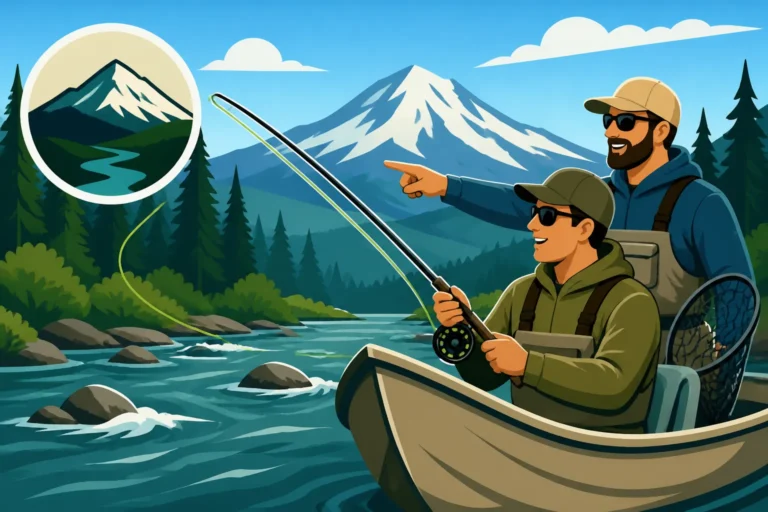
Thinking about booking a guided fishing trip on the mighty Columbia River can bring a mix of excitement and a touch of trepidation, especially when it comes to the cost. It’s easy to feel overwhelmed wondering what's included, what's not, and if you're truly getting a fair deal. This comprehensive guide is here to demystify the expenses associated with a guided Columbia River fishing adventure, helping you budget wisely and embark on your trip with confidence.
Understanding the Core Costs of a Columbia River Guided Trip
When you first start researching a guided fishing trip on the Columbia River, the initial price tag might seem like a significant investment. And honestly, it is! You're not just paying for a few hours of fishing; you're investing in the guide's expertise, their equipment, their time scouting, and their deep knowledge of the river's ever-changing conditions. It's a professional service, much like any other, and the costs reflect that.
What's Typically Included in the Base Price
Most reputable Columbia River fishing guides operate on a standard model where a good portion of your day's necessities are covered in the initial fee. This typically includes the guide's professional services, which is invaluable for navigating the vast and often challenging waters of the Columbia. They bring years, if not decades, of experience reading the water, understanding fish behavior, and knowing exactly where to go for the best chances of success. Beyond their knowledge, you'll almost always have access to a fully equipped boat – think comfortable, safe vessels specifically designed for river fishing, often with powerful engines and advanced electronics like fish finders. Fuel for the day's adventure is also usually part of the package, and considering the distances a guide might cover, that's no small detail. High-quality fishing rods, reels, and general terminal tackle (hooks, weights, leaders) are also provided, eliminating the need for you to lug your own gear. Sometimes, even the bait, like herring, anchovies, or cured eggs, is included, especially for popular target species like salmon and steelhead.
What's Usually Not Included
While guides provide a lot, it's crucial to understand what often falls outside the base price. The most important thing you'll need to secure on your own is your Washington Fishing License Guide for Nonresidents (or resident license) and any necessary endorsements, such as the Washington's Columbia River Salmon and Steelhead Endorsement, Explained. These are legal requirements, and no guide can provide them for you. You'll also typically be responsible for your own food and drinks throughout the day. A long day on the water can build up an appetite, so packing a lunch, snacks, and plenty of water or other beverages is always a good idea. Gratuities for your guide are another separate, yet customary, expense we'll discuss in more detail shortly. Some guides might offer to clean or fillet your fish at the end of the day, but specialized processing like vacuum sealing, freezing, or shipping your catch home usually comes with an additional charge.
Factors That Influence Your Columbia River Trip's Price Tag
The "cost" of a Columbia River guided trip isn't a single, fixed number. It's a dynamic figure that fluctuates based on several key elements. Understanding these factors will help you anticipate the investment and choose a trip that aligns with both your fishing aspirations and your budget.
The Species You're Targeting
The type of fish you hope to catch plays a significant role in the trip's cost. The Columbia River is renowned for its incredible runs of salmon and steelhead, but it also offers opportunities for sturgeon, walleye, and even smallmouth bass. Targeting highly sought-after species like Chinook salmon, often called "Kings," or powerful Columbia River steelhead can sometimes command a higher price point. This is because these fisheries often require more specialized gear, longer travel times to specific honey holes, or more intensive scouting efforts from the guide. For instance, a spring Chinook trip might be different from a fall coho trip in terms of the guide's investment of time and resources. Consider whether you're after the thrill of a Chinook Salmon: Washington's King of Fish or the acrobatic fight of a Steelhead: Washington's Ocean-Run Rainbow Trout.
Trip Duration: Half-Day vs. Full-Day
Just like many other recreational activities, fishing trips come in various lengths, with half-day and full-day options being the most common. A half-day trip, typically around 4-6 hours, will naturally be less expensive than a full-day excursion, which usually runs for 8-10 hours. While a half-day can be a great option for beginners, families with younger children, or those on a tighter schedule, a full-day trip offers a more comprehensive experience. You'll have more time to explore different fishing spots, adapt to changing conditions, and ultimately maximize your chances of success. Many anglers find the extra time on a full-day trip to be well worth the additional cost, allowing for a more relaxed pace and deeper immersion into the fishing experience. You can read more about this in Half-Day vs Full-Day Salmon Charters.
Number of Anglers and Trip Type
The total cost can also be influenced by how many people are in your fishing party and whether you opt for a shared or private trip.
Typically, guides offer pricing based on a minimum number of anglers, often two, and then a per-person rate for additional guests up to the boat's capacity (which is usually six for most charter boats, but smaller drift boats or jet sleds may take fewer).
- Shared Trips: If you're a solo angler or a smaller group, joining a "shared" or "open" trip can be a more budget-friendly option. In this scenario, you pay a per-person rate and share the boat with other anglers you might not know. This spreads the overall cost of the guide and boat among more people, making it significantly less expensive per individual. However, you'll also share the guide's attention and the fishing spots with others.
- Private Trips: A private trip, where you book the entire boat for your group, offers a more exclusive and personalized experience. You have the guide's undivided attention, more flexibility with timing and fishing locations, and the camaraderie of fishing solely with your friends or family. This luxury comes at a higher overall cost for the group, but the per-person cost might drop if you fill the boat. Exploring Shared vs Private Fishing Charters in Washington can help you decide which is best for your group.
Guide's Experience, Reputation, and Peak Season
Like any specialized service, the guide's reputation and experience can influence their pricing. Highly sought-after guides with a long history of successful trips, rave reviews, and a deep understanding of the Columbia River's nuances often command premium rates. They've invested years in honing their skills, acquiring top-tier equipment, and building a network of knowledge that helps them put clients on fish consistently. While their rates might be higher, many anglers find the peace of mind and increased success rate well worth the investment.
Furthermore, fishing during peak seasons will almost always be more expensive due to demand. For the Columbia River, this means prime salmon and steelhead runs, such as the famous Buoy 10 fishery at the river mouth or the robust spring Chinook runs further upstream. During these high-demand periods, guides often have their calendars booked months in advance. Booking your trip far in advance, especially for popular windows, is not only crucial for securing a spot but also to potentially avoid any last-minute premium pricing. If you're planning a trip during the famed Buoy 10 season, for instance, you'll definitely want to check out How Far in Advance to Book Buoy 10.
Getting the Best Value and Booking Your Trip
Finding the right guide for your Columbia River adventure involves more than just looking at the price tag. It's about finding the sweet spot between cost, experience, and what's included. A little homework goes a long way here.
Comparing Guides and Understanding Packages
It's always a smart move to shop around and get quotes from several different Columbia River guides. Don't just settle for the first one you find. Many guides will have their rates published on their websites, but sometimes a quick phone call can clarify specific offerings or even reveal a package deal not widely advertised. When comparing, make sure you're looking at apples to apples. Does one guide include bait when another charges extra? Does one offer a longer trip duration for a similar price?
This is where platforms like FishingBooker can be incredibly helpful. They consolidate numerous guide listings, allowing you to compare pricing, read reviews from past clients, and see what's included in different packages all in one place. It makes the research process much more streamlined and gives you a broader overview of the market. Always ask detailed questions about what is explicitly covered and what is not to avoid any surprises on the day of your trip. Don't be shy about asking if there are any "hidden" fees for fuel surcharges, boat launches, or tackle replacements if something gets lost or broken.
When and How to Book for Optimal Pricing
Timing your booking can significantly impact the price and availability of your Columbia River guided trip.
- Book in Advance for Peak Seasons: As mentioned, peak fishing seasons (like prime salmon runs in the spring or fall) are highly sought after. Guides' calendars fill up incredibly fast, sometimes a year or more in advance. Booking early not only ensures you get a spot but often allows you to lock in rates before potential increases due to demand.
- Consider Off-Peak or Mid-Week: If your schedule allows, booking during a less popular time, such as mid-week instead of a weekend, or during a slightly slower shoulder season, might result in slightly lower prices or more flexibility in scheduling. Weekday trips can also mean less crowded waters, offering a more serene fishing experience.
- Last-Minute Openings: While not reliable, sometimes guides have last-minute cancellations. If you're flexible and live close to the river, keeping an eye out for these can occasionally lead to a deal, but it's not a strategy to count on for a planned vacation.
Here's a table to help visualize typical Columbia River trip cost considerations:
| Feature | Lower Cost (Often) | Higher Cost (Often) |
|---|---|---|
| Trip Duration | Half-day (4-6 hours) | Full-day (8-10 hours) |
| Anglers | Shared trip (per person, max boat capacity) | Private trip (booking entire boat) |
| Species Targeted | Walleye, bass, less popular salmon runs | Prime Chinook salmon, B-run steelhead, trophy sturgeon |
| Guide Experience | Newer guides, building clientele | Highly experienced, well-known, high demand |
| Season | Off-peak, shoulder seasons, non-derby dates | Peak salmon runs (e.g., Buoy 10, spring Chinook) |
| Inclusions | Basic gear, boat, guide, some bait | Premium tackle, hot lunch, specialized services |
| Additional Costs | Bring own food/drinks, basic fish cleaning | Professional fish processing, specific gear rentals |
What to Expect Beyond the Sticker Price
The total investment for your Columbia River fishing trip often extends beyond the guide's quoted fee. Being prepared for these additional costs will prevent any financial surprises and allow you to fully enjoy your experience without a looming bill in the back of your mind.
Your Washington Fishing License and Endorsements
This is perhaps the most important pre-trip expense that many first-timers overlook. Before you even step foot in the boat, you must have a valid Washington State fishing license and any specific endorsements required for the species and waters you'll be fishing. For anyone targeting salmon or steelhead on the Columbia River, the Washington's Columbia River Salmon and Steelhead Endorsement, Explained is almost always a necessity in addition to your basic freshwater or combination license. The cost of these licenses varies depending on whether you're a resident or nonresident, and if you opt for annual or short-term options. You can often purchase these online or at local sporting goods stores. Remember, your guide cannot sell you a license, and fishing without one will lead to a hefty fine, ruining your trip.
Gratuities for Your Guide
Tipping your fishing guide is standard practice and a significant part of their income, much like tipping in the service industry. Guides work incredibly hard – often putting in long hours before and after your trip scouting, preparing tackle, cleaning boats, and maintaining equipment, not to mention the actual time on the water. A customary tip typically falls within a range, depending on your satisfaction with the trip. While there's no hard and fast rule, generally, a tip is a percentage of the total trip cost. Think of it as a way to acknowledge their expertise, effort, and dedication to ensuring you have a memorable experience. You can find more detailed guidance on this in Tipping Etiquette for Washington Fishing Guides.
Food, Drinks, and Personal Gear
As mentioned earlier, your guide typically won't provide your meals or drinks, so plan to bring your own. Pack a cooler with lunch, snacks, and beverages to stay hydrated and energized throughout your day on the water. Beyond food, consider what personal gear you might need. While guides provide fishing tackle, you'll want to ensure you have appropriate clothing for Washington's often unpredictable weather. This includes layers, rain gear, waterproof footwear, a hat, sunglasses, and sunscreen. Some guides might have extra rain gear if you forget, but it's always best to be prepared. If you're unsure about what to pack, checking out What to Bring on a Washington Fishing Charter is a great idea.
Fish Processing and Shipping
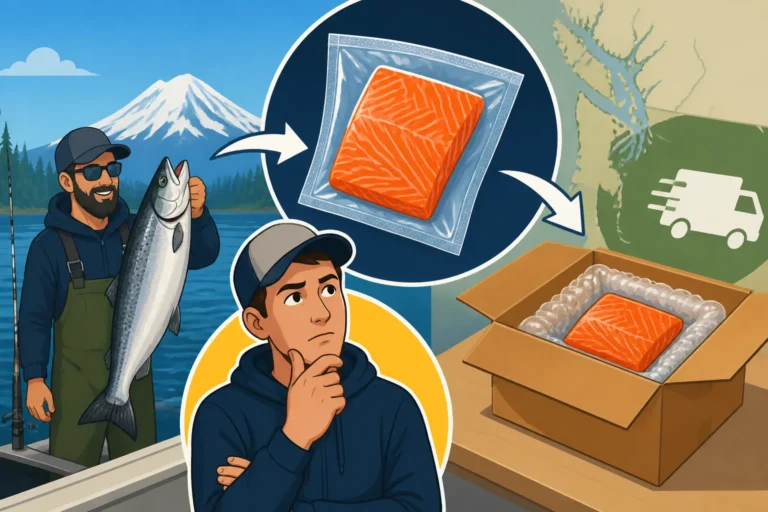
The moment of triumph! You've caught your limit, and now you have some beautiful fish to take home. Most guides will happily clean and fillet your fish for you at the end of the day, often included in the trip cost, but sometimes for a small additional fee. However, if you want your catch vacuum-sealed, frozen, smoked, or shipped home, those are almost always separate services with their own costs. Many coastal towns or river communities have local processors that can handle this, and your guide can often point you in the right direction. If you're flying home, understanding the rules and costs for transporting your catch is essential, which you can learn more about in How to Ship Fish Home From Washington. This can add a notable amount to your overall trip expense, especially for larger quantities of fish or specialized processing.
Travel and Accommodation
Finally, don't forget to factor in the costs of getting to and from the Columbia River, as well as any overnight stays. The Columbia River is vast, stretching across the state, so your starting point will vary. Whether you're driving your own vehicle, renting a car, or flying into a nearby airport, these travel expenses will add to your overall trip budget. If your trip involves an early start or late finish, or if you're coming from out of the area, you'll likely need to budget for hotel stays or other accommodations near your guide's launch point. These often unseen costs can sometimes be as substantial as the fishing trip itself, so planning for them in advance is crucial.
Disclaimer
This article is for general informational purposes only and does not constitute professional advice. Laws, prices and regulations vary by location and change over time. Consult a qualified professional for guidance on your specific situation.