Freshwater vs Saltwater vs Combination Licenses in Washington
Figuring out which fishing license you need in Washington State can feel like trying to untangle a bird's nest of fishing line before your first cast. It's a common frustration, especially when you’re just trying to enjoy a peaceful day on the water, but the Washington Department of Fish and Wildlife (WDFW) has a few different options that can definitely cause some head-scratching. This guide is here to unravel that knot for you, breaking down the specific differences between freshwater, saltwater, and combination fishing licenses, so you can confidently choose the right one for your next angling adventure.
The Core Differences: Freshwater, Saltwater, and Combination Licenses
Washington State offers a beautiful, diverse landscape for anglers, from the high mountain lakes and sprawling river systems to the vast Puget Sound and Pacific Ocean coastline. But with this incredible variety comes the need for different licensing structures to manage these distinct ecosystems. Understanding these core categories is your first step to legal and enjoyable fishing.
Understanding the Freshwater Option
A Washington freshwater fishing license is your ticket to casting lines in a massive array of inland waters. Think about all the rivers, lakes, ponds, and streams that aren't influenced by the ocean's tides – that's your freshwater domain. This license covers you for popular species like rainbow trout, brown trout, eastern brook trout, bass (both largemouth and smallmouth), walleye, perch, and many other non-salmonid species. If your dream day involves fly fishing the Yakima River for wild trout, or perhaps taking the family to a stocked lake for some panfish, this is the primary license you'll need.
It's important to remember that while this license generally covers non-anadromous species (those that don't migrate to the sea), there are nuances. Some rivers, depending on the season and specific regulations, might allow you to keep certain salmon or steelhead with just a freshwater license, but only if you also have the necessary endorsements and comply with very specific rules. This is where things can get a little tricky, and it’s why checking the current regulations pamphlet, available digitally or often found on Amazon if you prefer a physical copy, is absolutely crucial before every trip. Without the proper license, a pleasant day of fishing can quickly turn into a costly encounter with a WDFW enforcement officer.
Navigating the Saltwater Realm
For those drawn to the vast expanse of the Puget Sound, the dramatic Washington coast, or any of the state's beautiful tidal bays and estuaries, a saltwater fishing license is essential. This license specifically authorizes you to harvest all marine fish species, which includes highly sought-after catches like Chinook salmon, Coho salmon, halibut, lingcod, various rockfish species, and flounder. Beyond finfish, it also covers you for shellfish, meaning you can drop crab pots, dig for razor clams on the coast, or gather oysters, provided you adhere to specific seasons, limits, and areas.
The saltwater environment presents its own set of unique regulations, often influenced by federal and tribal co-management agreements, as well as ecological factors. Fishing in Marine Area 9 for salmon, for example, will have different rules than fishing for halibut off Westport. Anglers who frequently head out on charter boats for deep-sea adventures or enjoy crabbing from their own vessel in Hood Canal will find the saltwater license their primary requirement. Keep in mind that for specific species like halibut, there are often very limited seasons and daily limits, making precise planning critical.
The Convenience of a Combination License
For the angler who refuses to be pigeonholed into just one type of fishing, the combination license is often the most sensible and cost-effective choice. As the name suggests, this license combines the privileges of both a freshwater and a saltwater license into a single, comprehensive package. It allows you to fish in any legal freshwater body for trout or bass one weekend, and then turn around the next weekend and chase salmon in Puget Sound or drop crab pots in a coastal bay.
This versatility makes the combination license incredibly popular among Washington residents and non-residents alike, especially if you plan on multiple fishing trips throughout the year that span different water types. While the initial cost is higher than either a standalone freshwater or saltwater license, it almost always works out to be a better value if you intend to explore both environments. Think of it as your all-access pass to Washington's incredibly diverse fisheries. It simplifies your planning, as you don't have to worry about buying separate licenses for different outings, allowing you to focus more on the fishing itself and less on bureaucratic hurdles. Many anglers find the convenience invaluable, ensuring they're covered no matter where the fish are biting.
Who Needs What: Matching Your Fishing Style to Your License
Choosing the right license isn't just about understanding the definitions; it's about aligning it with your personal fishing ambitions. Your preferred species, location, and frequency of fishing will dictate which license is the best fit for you.
The Dedicated River and Lake Angler
If your tackle box is filled with spinners for trout, jigs for walleye, or fly patterns for steelhead, and your vehicle often points toward the state’s interior rivers and lakes, then the freshwater license is probably your go-to. This category includes anyone who primarily enjoys fishing for resident trout in small streams, targeting bass in Lake Washington, or pursuing kokanee in deep reservoirs like Lake Chelan. You're focused on the fish that spend their entire lives in freshwater.
However, a crucial point of confusion often arises with anadromous species like salmon and steelhead when they enter freshwater rivers. While these fish migrate from the ocean into rivers to spawn, you often still need a freshwater license to pursue them once they've crossed into freshwater territory. More importantly, you'll almost certainly need additional endorsements, such as the Columbia River Salmon and Steelhead Endorsement, if you’re fishing those specific runs. Without it, you could be fishing for salmon on the Cowlitz River with a valid freshwater license, but still be in violation if you haven't added the endorsement. This distinction is vital for avoiding fines and ensuring compliance with the law. Always double-check the specific regulations for the river and species you plan to target, as they can vary greatly by location and season.
The Coastal and Puget Sound Explorer
For those who feel the pull of the saltwater, whether it's the thrill of hooking a powerful Chinook salmon in Puget Sound or the deep-water challenge of landing a Pacific halibut off the coast, the saltwater license is your clear choice. This license is tailored for anglers who spend their time in marine areas, from the calm inlets of the San Juan Islands to the open Pacific waters accessible from Westport or Ilwaco. This also includes recreational crabbers and clam diggers who pursue shellfish in tidal areas.
When you're out on the big water, whether it's your own boat or a charter, you'll be specifically targeting marine species. These fisheries are often highly managed with specific open and closed seasons, daily bag limits, and even size restrictions to protect vulnerable populations. For instance, the rockfish bag limit in Puget Sound is very restrictive, and some species must be released entirely. If you're planning a trip to a marine area, whether it's an offshore tuna adventure or simply dropping some pots for Dungeness crab, your saltwater license will be the foundation of your legal angling. Many anglers find themselves regularly checking the WDFW website for Puget Sound Salmon Closures: What Washington Anglers Need to Know or 2026 Halibut Season Dates in Washington to ensure they have the most up-to-date information before heading out.
The Versatile Angler's Choice
If you're the kind of angler who loves to keep all your options open, perhaps chasing winter steelhead on the Olympic Peninsula rivers one month and then trolling for salmon in the Strait of Juan de Fuca the next, the combination license is undeniably your best bet. It provides maximum flexibility, allowing you to seamlessly transition between different fishing environments without worrying about whether you have the correct basic license.
This is particularly valuable for those who live in areas with easy access to both fresh and saltwater fisheries, such as Seattle or Tacoma. You might decide on a whim to head to Lake Sammamish for some kokanee one morning, and then, if the weather turns favorable, decide to launch your boat into Puget Sound for some evening salmon trolling. A combination license ensures you're covered for both scenarios. While the upfront cost is higher, the peace of mind and the freedom to fish wherever and whenever the opportunity arises often make it the most economical choice over time for active, diverse anglers. It's often bundled with a shellfish harvest card automatically, making it even more comprehensive for those who enjoy gathering clams, crabs, and shrimp.
Diving Deeper: Endorsements and Essential Add-ons
Just when you think you've got the basic license types figured out, Washington fishing introduces another layer of complexity: endorsements. These aren't full licenses themselves, but rather additions to your base freshwater or combination license that grant you specific privileges or are required for certain species or locations. Missing an endorsement can be just as serious a violation as fishing without a license, so pay close attention!
The Columbia River Salmon and Steelhead Endorsement
This endorsement is one of the most critical add-ons for many Washington anglers, and it causes a fair bit of confusion. If you plan to fish for salmon or steelhead in the mainstem Columbia River, or in any of its tributaries where anadromous salmon or steelhead are present, this endorsement is mandatory. This includes iconic rivers like the Cowlitz, Kalama, Lewis, and Drano Lake, among many others. The key here is that it’s not just for the Columbia itself, but for many of its feeder rivers too, which can surprise anglers who think they only need a freshwater license for a tributary.
The WDFW requires this endorsement to help fund the management and recovery efforts for these vital fish populations in the Columbia River Basin. It’s a separate fee on top of your base license. So, if you bought a freshwater license and plan to fish the Cowlitz River for spring Chinook, you’ll need that freshwater license plus the Columbia River Salmon and Steelhead Endorsement. The cost can vary, and you might find more details on its specific requirements and associated fees by looking up information on the Washington's Columbia River Salmon and Steelhead Endorsement, Explained article. It's one of those "better safe than sorry" situations; always assume you need it if you're targeting salmon or steelhead in a Columbia system river.
The Two-Pole Endorsement
Who doesn't love the idea of doubling their chances of catching a fish? The two-pole endorsement allows you to do just that in specific waters. This endorsement, which you purchase in addition to your freshwater or combination license, permits you to fish with two lines in most freshwater lakes, ponds, and reservoirs. It's a fantastic option for targeting kokanee with two different setups, or perhaps one rod for bass and another for trout in a popular lake.
However, there are very important restrictions. The two-pole endorsement is not valid in rivers, streams, or marine waters. You cannot use two poles for salmon or steelhead fishing in rivers, regardless of your license type. The primary intent is to enhance fishing opportunities in lakes where fish populations are often stocked and abundant, like many of the lakes in Eastern Washington. Before you rig up that second rod, always confirm that the specific lake you're fishing allows for two poles and that you have the proper endorsement. Many new anglers miss this detail, leading to potential violations.
Don't Forget Your Catch Record Card
While not strictly a "license" or "endorsement," the Washington Catch Record Card (CRC) is an absolutely essential component for anyone fishing for salmon, steelhead, halibut, or Puget Sound Dungeness crab. This card is usually issued automatically when you purchase a license that includes these species (like a combination or saltwater license, or a freshwater license if you're fishing salmon/steelhead in a river). It's your responsibility to physically possess it and accurately record your catches immediately upon retaining one of these species.
The data collected from these cards is incredibly important for WDFW biologists to manage fish populations, set seasons, and understand angler effort. Failing to correctly fill out your Catch Record Card, or not returning it by the deadline, can result in penalties, including fines and possibly even being unable to purchase a license the following year. It’s critical for effective conservation and future fishing opportunities. You can learn more about its requirements in The Washington Catch Record Card and What It Requires article, and many anglers even use the Electronic Catch Record Cards and the Fish Washington App for convenient digital recording. Keep it clean, keep it accurate, and always turn it in!
Common Confusions and Clarifications
The world of fishing regulations often comes with its fair share of myths and misunderstandings. Let’s tackle some of the most common questions and clarify who needs what when it comes to Washington fishing licenses.
Kids and Seniors: Do They Need a License?
This is a question that comes up all the time, particularly for families planning a fishing trip or older anglers who remember different rules from years past. In Washington State, the good news is that most kids under a certain age do not need a fishing license. Specifically, if a child is under 15 years old, they are exempt from needing a basic fishing license, whether it's freshwater, saltwater, or combination. This is a wonderful initiative to encourage youth participation in outdoor recreation. However, even if they don't need a license, they will still need a Catch Record Card if they are fishing for salmon, steelhead, or halibut, and they must adhere to all bag limits and regulations for the species they target. You can delve deeper into this topic by reading Do Kids Need a Fishing License in Washington?.
For senior anglers, the rules are a bit different than in some other states. Washington residents who are 70 years of age or older actually do still need a fishing license. However, they are eligible for a reduced-fee senior license, which makes it more affordable to continue enjoying the sport. This senior license functions just like a regular combination license, granting access to both fresh and saltwater fisheries. Just like younger anglers, seniors will also need any necessary endorsements (like the Columbia River endorsement) and a Catch Record Card if targeting regulated species. It’s always best to consult the Do Seniors Need a License to Fish in Washington? article for the most up-to-date details on age and residency requirements for senior licenses.
Pier Fishing and Catch-and-Release: Misconceptions
Another widespread misconception is that you don't need a license if you're only fishing from a public pier or if you intend to release all your fish. Unfortunately, both of these are generally untrue in Washington State and can lead to citations. If you are actively fishing, whether from a public pier, dock, or any other public access point, you are typically required to possess the appropriate fishing license for the waters you are fishing (freshwater or saltwater). The location of your feet (on a pier versus a boat) doesn't change the requirement to be licensed.
The same principle applies to catch-and-release fishing. While your intention might be to immediately release every fish you catch, the act of attempting to catch fish in Washington requires a license, unless you fall under one of the specific exemptions (like being under 15). The state regulations don't differentiate between harvesting and releasing; if you're engaging in the activity of fishing, you need to be properly licensed. This ensures that everyone participating contributes to the conservation efforts and management of fisheries through license fees. Ignoring these rules can result in penalties for Fine for Fishing Without a License in Washington. It’s a common trap for new or casual anglers, so be aware!
Resident vs. Non-Resident Rules
Washington State, like all states, has different licensing structures and costs for residents versus non-residents. Generally, non-resident licenses are significantly more expensive than resident licenses. This is because resident anglers contribute to the state's economy and tax base year-round, while non-residents are typically visiting for a shorter period. Defining what counts as a "resident" for licensing purposes can sometimes be a point of confusion.
To qualify as a Washington resident for fishing license purposes, you generally need to have maintained a permanent abode in the state for at least 90 consecutive days immediately prior to applying for a license, and you must hold a valid Washington State driver's license or ID card. There are specific criteria that determine residency, and simply owning property or visiting frequently might not be enough. If you've recently moved to Washington or are considering a move, it's worth checking the detailed requirements in the What Counts as a Washington Resident for Licensing article. For out-of-state visitors, a non-resident license is your only option, but Washington offers various short-term non-resident licenses, which can be a cost-effective choice for a weekend trip or a longer vacation, such as the Washington Fishing License Guide for Nonresidents.
Choosing Your Best Fit: Annual, Short-Term, or Combination?
Beyond deciding between freshwater, saltwater, or a combo, you also have choices regarding the duration of your license. Washington offers annual licenses for the committed angler, as well as shorter-term options for those just passing through or planning a quick trip. Making the right choice here can save you money and hassle.
The Annual Advantage
For most Washington residents and any dedicated angler who plans to fish more than a handful of times in a year, an annual license is almost always the most economical and convenient option. An annual license is valid for a full 365 days from the date of purchase (or until December 31st of the calendar year, depending on the type and purchase date; always clarify its validity period when buying). It covers you for a wide range of fishing opportunities and removes the stress of needing to buy a new license for every outing.
Consider the cost breakdown: a single-day or three-day license can add up quickly. If you fish just a few weekends, an annual license often pays for itself. Moreover, the annual combination license is the most popular choice for anglers who like to dabble in both freshwater and saltwater, giving them the freedom to pursue salmon one weekend and trout the next. The peace of mind alone is worth it, knowing you're always covered when the urge to hit the water strikes. Many people buy their annual licenses in advance, often adding them to their online cart alongside new fishing gear from Amazon.
Short-Term Options: The Weekend Warrior's Friend
Not everyone lives in Washington, or even fishes frequently enough to justify an annual license. For these anglers, Washington State offers convenient short-term license options. These typically include one-day or three-day licenses, available for both residents and non-residents, and can be purchased for freshwater, saltwater, or as a combination.
These short-term licenses are perfect for:
- Out-of-state visitors: If you're coming to Washington for a quick vacation and want to try your hand at fishing, a three-day non-resident combination license might be ideal.
- Casual anglers: Maybe you only fish once or twice a year with friends, or you're taking your kids to a local lake for a special occasion. A one-day freshwater license could be all you need.
- Trying a new fishery: Perhaps you're primarily a freshwater angler but want to try saltwater salmon fishing for a single day with a charter. A one-day saltwater license would cover that specific trip without committing to a full year.
While these licenses are great for flexibility, they can become more expensive than an annual license if you end up buying several throughout the year. Always do a quick calculation based on your anticipated fishing frequency. You can find detailed breakdowns of these options in Washington's Annual, Short-Term and Combination License Options.
Weighing the Costs and Benefits
The decision between an annual and a short-term license often comes down to simple math and your personal fishing habits. If you fish four or more times a year, an annual license is usually the better financial investment. If you fish less frequently, or only plan one specific trip, a short-term license will likely save you money.
Let’s look at a hypothetical: a Washington resident wanting to fish for trout and salmon. A one-day freshwater license might cost around $11-12, and a one-day saltwater license similarly. If you combine them for a specific day, it could be around $20. A full annual combination license for a resident might be in the $55-60 range. If you fish more than three or four times in a year, that annual combo quickly pays for itself. Add in a two-pole endorsement for freshwater (around $8-10) or the Columbia River endorsement (around $9-10), and the annual becomes even more compelling. Non-resident costs are higher, but the same principle applies – frequent fishing warrants an annual license.
The key is to honestly assess how often you really think you'll hit the water. Don't overspend for an annual if you know you'll only go once, but don't nickel-and-dime yourself with multiple short-term licenses if you're a dedicated angler. It's about finding that sweet spot for your angling lifestyle and budget.
Where to Secure Your License and What to Keep in Mind
Once you’ve decided on the right license type for your Washington fishing adventures, the next step is actually purchasing it. Thankfully, WDFW has made this process quite accessible through several channels, ensuring you can get licensed with minimal fuss.
Online, In-Person, or Via App: Convenience is Key
The most convenient way for many anglers to purchase their Washington fishing license is online. The WDFW website offers a straightforward portal where you can select your license type, add any necessary endorsements, and complete the purchase from the comfort of your home. This is particularly helpful for planning ahead, or if you realize you need a license late at night before an early morning trip. Online purchases are usually immediate, with a temporary license available to print or display digitally. You can often find a step-by-step guide on Can You Buy a Washington Fishing License Online? if you're unsure.
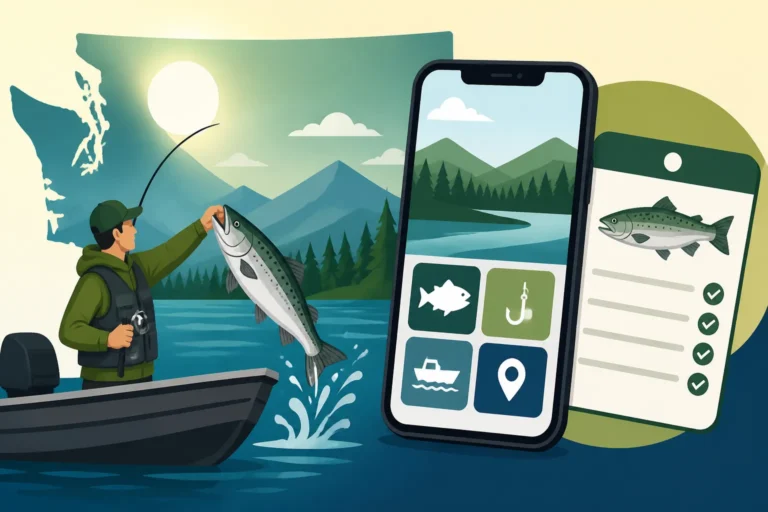
For those who prefer a more traditional approach, or who need to ask questions in person, licenses are widely available at numerous licensed dealers across the state. This includes many sporting goods stores like Cabela's or locally owned bait and tackle shops, as well as some grocery stores and department stores. These locations often have knowledgeable staff who can help clarify regulations or suggest local fishing spots. Lastly, Washington has also embraced technology with the MyWDFW app. This mobile application allows you to purchase and store your license digitally on your smartphone, and in some cases, even manage your Catch Record Card electronically. You can find more details on Does Washington Have a Mobile Fishing License App? and What the MyWDFW App Is Used For. This is a fantastic option for modern anglers who always have their phone handy.
Essential Information for Purchase
When you go to purchase your fishing license, whether online, in person, or via the app, you'll need to provide some essential information. For residents, this typically includes your name, date of birth, current address, and a valid Washington State driver's license or state ID card. This helps verify your residency status and ensures accurate record-keeping. If you're a non-resident, you'll similarly need your identification from your home state.
For specific situations, like purchasing a senior license or a disabled veteran license, you might need to provide additional documentation to prove eligibility. Always ensure the information you provide is accurate. False information can lead to invalidation of your license and potential penalties. Having your ID ready and knowing your correct address will streamline the purchasing process and get you on the water faster. More on the specific identification needed for residents can be found in ID You Need to Buy a Washington Resident License.
Keeping Your License Handy: Digital vs. Physical
Once you've made your purchase, the next step is ensuring you have proof of your license while fishing. WDFW regulations typically require you to have your license and any necessary endorsements in your immediate possession while fishing. This can be in a few different formats, offering flexibility to anglers.
Many anglers still prefer to print a physical copy of their license, especially if they're concerned about phone battery life or getting their device wet. A laminated copy stored in your tackle box or wallet is a foolproof method. However, displaying your license on your smartphone or another electronic device via the MyWDFW app or a downloaded PDF is also perfectly acceptable. This means you don't necessarily have to print it out, which is a great convenience for many. Just ensure your device is charged and protected from the elements. Whichever method you choose, the most important thing is that you can quickly and easily present your license to a WDFW officer if requested. You can learn more about these options in Carrying Your Washington Fishing License: Paper, Phone or the MyWDFW App.
Disclaimer
Please remember that fishing regulations, seasons, and licensing requirements in Washington State can change frequently, sometimes even mid-season, due to emergency rule changes. While this guide provides comprehensive information, it is your responsibility as an angler to always consult the most current Washington Sport Fishing Regulations pamphlet and check for emergency rule changes through the official WDFW website or their emergency rule hotline before heading out on any fishing trip. The information provided here is for general guidance only and should not be considered legal advice.