Annual Limits and How Washington’s Catch Reporting Works
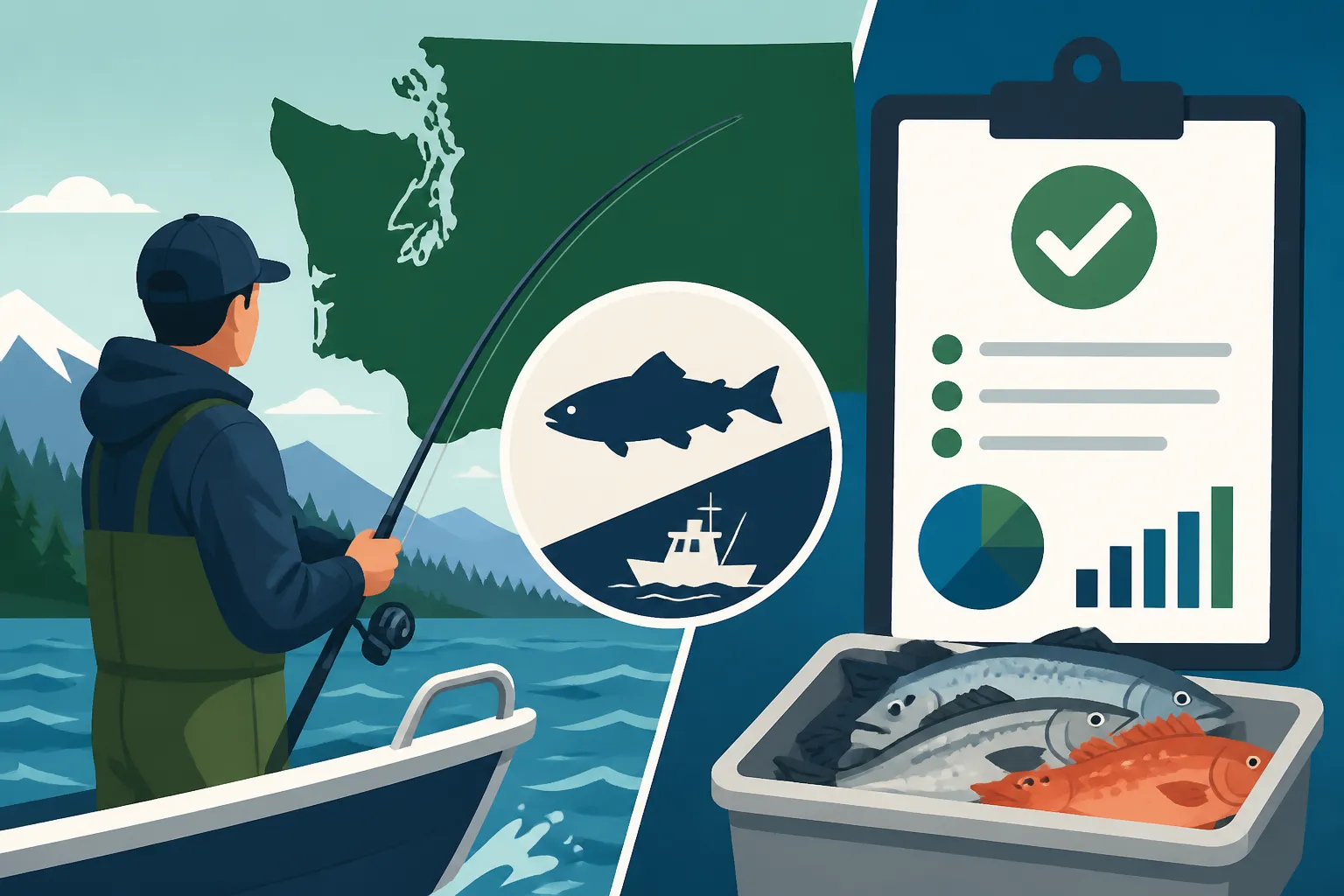
Oh, the joys of Washington fishing regulations! It can feel like you need a law degree just to understand if you’re fishing legally, especially when it comes to tracking your catch. Many anglers get genuinely confused about how many fish they can keep not just in a day, or on their person, but over an entire year, and then there's the added layer of reporting it all. This guide is here to untangle the complexities of Washington’s annual fishing limits and walk you through the ins and outs of the catch reporting system, helping you stay compliant and informed.
The Foundation of Annual Limits and Why They Matter
It’s easy to get caught up in the thrill of the bite, but understanding the nuanced differences between daily, possession, and annual limits is absolutely critical for any angler in Washington. These regulations aren't just arbitrary rules designed to make your life harder; they are the bedrock of sustainable fisheries management, ensuring that future generations can enjoy the same incredible fishing opportunities we have today. Without these limits, specific fish populations could quickly become overfished, leading to long-term declines that would be devastating for both the ecosystem and our beloved sport.
Daily, Possession, and Annual Limits: What's the Difference?
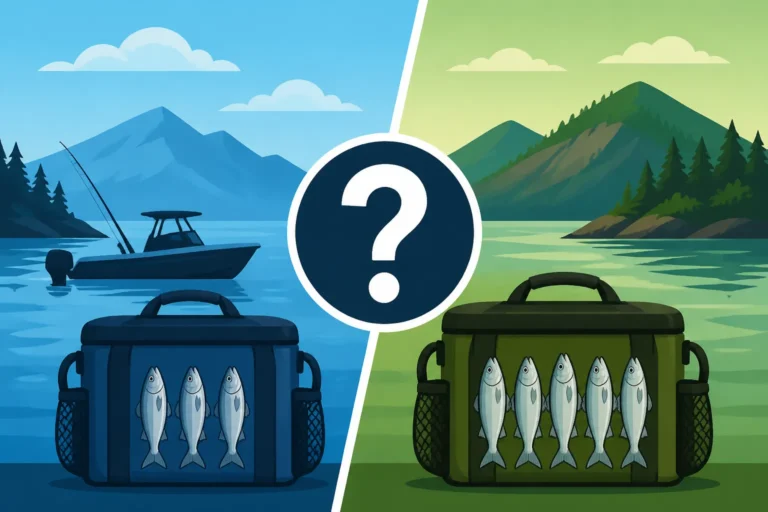
Let’s clear up some common confusion right off the bat, because these terms often get mixed up. The daily limit is usually the easiest one to grasp: it's the maximum number of a specific species you can keep in a single fishing day, from 12:01 AM to midnight. If you catch your limit of, say, two hatchery steelhead, you must stop fishing for that species for the rest of that calendar day. Simple enough, right?
Then there's the possession limit, which is where things start to get a little trickier for some folks. This limit refers to the total number of fish of a particular species you can have in your possession at any given time, whether they're fresh, frozen, canned, or smoked. It includes the fish you caught today, plus any fish from previous trips that are still under your control. For many species in Washington, the possession limit is simply one or two daily limits. So, if you're out for a weekend trip and you catch your daily limit on Saturday, you can typically catch another daily limit on Sunday, but you then must be careful not to exceed your total possession limit of two daily limits as you head home. Knowing How Bag and Possession Limits Work in Washington is a fundamental aspect of responsible angling.
Finally, we arrive at the annual limit. This is the cumulative number of fish of a specific species you can harvest within a license year (typically April 1st to March 31st). Unlike daily or possession limits, which you can easily track by counting the fish in your cooler, annual limits require a formal reporting mechanism. For certain species in Washington, primarily salmon, steelhead, sturgeon, and halibut, the Washington Department of Fish and Wildlife (WDFW) uses a Catch Record Card system to monitor these yearly totals. You might not encounter an explicit "annual limit" for every single fish you pursue, but for those species designated as requiring a Catch Record Card, the act of recording each kept fish directly contributes to the WDFW's ability to track total harvest and, by extension, manage what becomes your personal annual limit for that species. It's a critical piece of the puzzle for understanding Washington Fishing Regulations Every Angler Should Know.
The Conservation Imperative Behind Annual Limits
The primary reason for having annual limits, especially for sensitive or highly sought-after species, is pure and simple: conservation. Fish populations, particularly those that are anadromous like salmon and steelhead that migrate between freshwater and saltwater, face a multitude of challenges. Habitat loss, fluctuating ocean conditions, predation, and harvest pressure all play a role in their survival. Annual limits provide a crucial mechanism for WDFW to cap the total number of fish removed from a run over the course of a year.
By requiring anglers to report their kept fish, the WDFW collects vital data on total recreational harvest. This data, combined with information from commercial fisheries, tribal fisheries, and test fisheries, helps biologists assess the health of a run, predict future returns, and make informed decisions about seasons and regulations. For instance, if a particular salmon run is struggling, an annual limit might be imposed or tightened to ensure enough fish make it back to spawn. Without accurate catch reporting, the WDFW would be operating in the dark, making it incredibly difficult to implement effective management strategies. Your participation in catch reporting is more than just a bureaucratic checkbox; it's a direct contribution to the sustainability of Washington's fisheries and the future of our sport.
Your Essential Tool: The Washington Catch Record Card
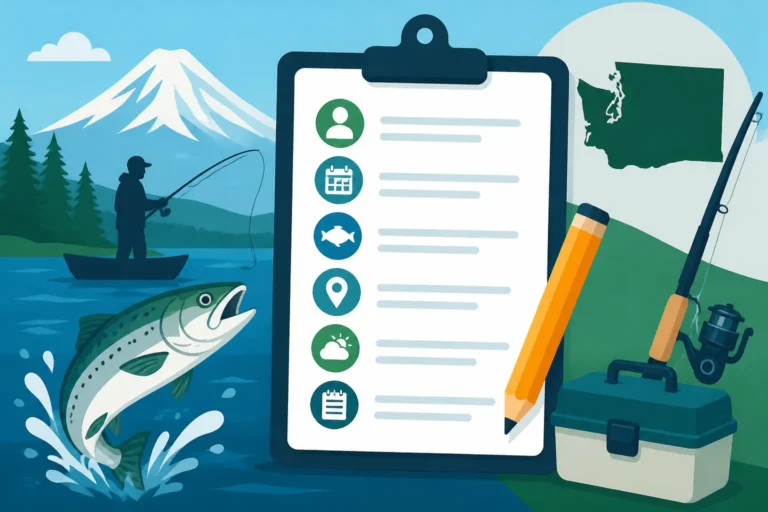
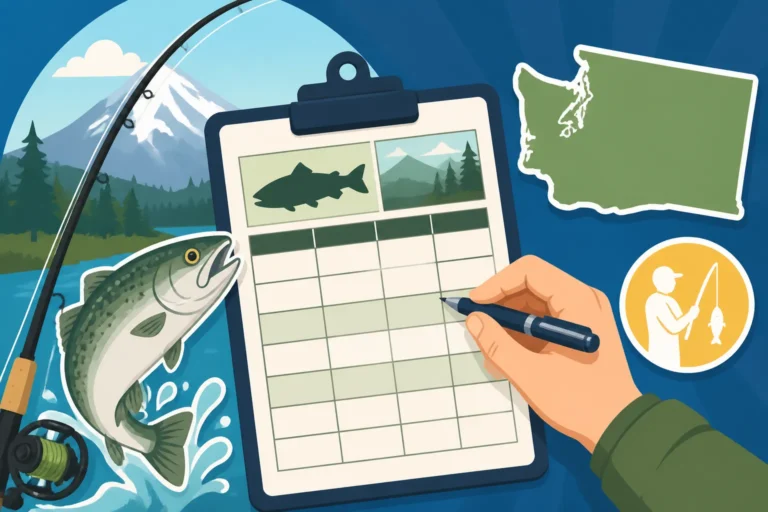
For many of Washington's most prized fish, your basic fishing license isn't enough on its own. You'll also need a Washington Catch Record Card. Think of it as your personal logbook, your declaration to the state that you're actively participating in the management and conservation of these valuable resources. It's not just a piece of paper; it's a legally binding document that tracks your harvest, which is essential for managing annual limits and ensuring sustainable fishing for everyone.
Species Requiring a Catch Record Card
It's a common misconception that you need a Catch Record Card for every fish you catch. Thankfully, that's not the case. In Washington, Catch Record Cards are specifically required for certain species, namely: salmon, steelhead, halibut, and sturgeon. If you plan to fish for any of these incredible species, regardless of whether you intend to keep them or just release them, you absolutely must possess a valid Catch Record Card. This requirement applies even if you're fishing catch-and-release, as the card still needs to be on your person and certain entries might be necessary, though typically reporting is only for retained fish.
The WDFW utilizes these cards to meticulously track harvest data for these specific species because they are either highly migratory, face significant fishing pressure, or are of particular conservation concern. For instance, the data collected from salmon and steelhead cards helps WDFW manage specific runs by monitoring how many fish are being taken. It's a vital part of protecting these iconic Northwest fish. Remember that When a Catch Record Card Is Required in Washington is not always intuitive, so always double-check the current regulations before heading out.
How to Properly Fill Out Your Catch Record Card
Receiving your Catch Record Card can feel a bit like getting a test you didn't study for, with all its tiny boxes and codes. But don't fret; filling it out correctly is straightforward once you know the ropes. First and foremost, you need to write legibly with an indelible ink pen – something like a fine-point Sharpie or a good quality waterproof pen you might find on Amazon. A smudged or illegible entry is as bad as no entry at all and can lead to problems if a WDFW enforcement officer checks your card.
For each salmon, steelhead, halibut, or sturgeon you retain, you must immediately (before you resume fishing) fill in the date, species code, and location code on the card. For salmon and steelhead, you also need to mark whether it was a "hatchery" or "wild" fish (distinguished by an adipose fin clip). Many cards will have a unique column for the month, day, and catch area (often a Marine Area or River Code). Make sure you understand Information Required on a Washington Catch Record Card to avoid mistakes. If you’re fishing for salmon in Puget Sound, you'll need to know which Marine Area you're in, like Marine Area 9 for Central Puget Sound, or for rivers like the Cowlitz, you'll use the specific river code. It's also critical to always cross out the circle corresponding to the fish you kept immediately after retaining it. This prevents you from accidentally over-limiting or giving the impression you're attempting to. Don't wait until you're back at the dock!
Keeping Your Catch Record Card Safe and Accessible
Imagine hooking into a beautiful Chinook, getting it into the net, only to realize your Catch Record Card is soaking wet, or worse, completely lost! Talk about a moment of panic. These cards are legal documents, and just like your fishing license, they must be in your immediate possession while fishing for requiring species. A physical card needs to be protected from the elements. Many savvy anglers will carry theirs in a waterproof case or a small, clear Ziploc bag tucked securely into a fishing vest or tackle box. You can even find small, durable waterproof wallets on Amazon specifically designed to hold fishing licenses and cards.
It's not just about protecting it; it's about accessibility. If a WDFW officer approaches you for a compliance check, you need to be able to present your card promptly. Fumbling around or not being able to locate it can lead to unnecessary delays or even citations. Having a pristine, properly filled-out card that's easy to access demonstrates your respect for the regulations and your commitment to responsible angling. Remember, Do You Need to Print Your Washington Fishing License? and your catch card often have similar requirements for physical possession, even if you utilize digital options.
Navigating Washington's Catch Reporting Requirements
Once you've had a successful fishing trip and meticulously filled out your Catch Record Card, your responsibility doesn't end there. The next crucial step is reporting your catch to the WDFW. This reporting process is how the department collects the vital data needed for managing fish populations and setting future seasons. Skipping this step, even if you caught nothing, can lead to penalties and undermines the entire conservation effort.
Understanding Reporting Deadlines and Methods
The WDFW has strict deadlines for submitting your Catch Record Cards, and these are absolutely non-negotiable. For salmon and steelhead, all cards must be returned or reported online by April 30th of the year following the end of the license year printed on the card. So, if your card is for the 2024-2025 license year (which runs from April 1, 2024, to March 31, 2025), you need to report it by April 30, 2025.
For halibut and sturgeon, the deadlines are even more immediate to allow for quicker management responses to these often more sensitive fisheries. Halibut cards typically have a reporting deadline of the first Monday in October of the year the card was issued. Sturgeon cards generally follow the same deadline as salmon and steelhead. It’s crucial to check your specific card for the exact due date.
You have a couple of options for reporting your catch:
- Mail-in: The simplest method for many. You just drop the completed card in the mail, postage-paid, to the WDFW address printed on the card.
- Online Reporting: This is increasingly popular and often preferred. You can submit your catch information electronically through the WDFW's licensing system. This is a convenient way to ensure your report is received on time and you get a confirmation. You can learn more about Electronic Catch Record Cards and the Fish Washington App for details.
The MyWDFW App and Electronic Reporting
In our increasingly digital world, Washington is making it easier than ever for anglers to manage their licenses and report their catch through the MyWDFW mobile app and the associated online system. This isn't just about convenience; it's a step towards more efficient data collection and real-time updates for anglers. The MyWDFW app, available for both Apple and Android devices, allows you to carry your license and, for many, even your catch record card directly on your smartphone.
While the app provides access to your license and general information, the actual electronic reporting of your catch typically happens through the WDFW's online licensing platform, accessible via a web browser. From there, you can enter the details from your physical Catch Record Card, ensuring that your harvest data is submitted accurately and on time. It's an excellent way to keep tabs on your own catch and avoid missing deadlines. For more on the capabilities, you can explore What the MyWDFW App Is Used For. However, a word of caution: always double-check current regulations to confirm if electronic catch record cards (as in, not just the reporting, but the card itself being digital) are fully accepted for all species and areas. While the app is fantastic for displaying your license, a physical card is often still required to be filled out by hand for retained fish before you can then submit those details electronically.
What Happens If You Don't Report Your Catch?
This is where things can get serious, and it's a common area of frustration for anglers who simply forget or don't realize the importance. Failing to report your Catch Record Card by the deadline, even if you caught absolutely nothing, is a violation of Washington state fishing regulations. Yes, that's right – even a "no catch" card needs to be reported. The WDFW relies on all cards being returned to get an accurate picture of fishing effort, not just successful trips.
The most common consequence for failing to report is a monetary penalty. WDFW can impose a fine for each unreturned card. This isn't just a minor slap on the wrist; these fines can add up, and they are designed to encourage compliance. Beyond the immediate financial hit, repeated or egregious failures to comply with reporting requirements can potentially lead to more severe penalties, including the suspension of your fishing privileges. Nobody wants to be in that situation. It's a key part of understanding Fines and Penalties for Common Fishing Violations. So, even if you had a slow season, take the few minutes to report your blank card – it’s far less painful than dealing with a fine later.
Common Questions and Troubleshooting Your Catch Report
Even the most seasoned angler can run into a snag when it comes to managing their Catch Record Cards and reporting. Life happens, things get lost, mistakes are made. But don't let these potential hurdles deter you. Knowing how to troubleshoot common issues can save you a lot of headache and ensure you remain in good standing with the WDFW. It’s all about being proactive and knowing where to turn for help.
Lost or Damaged Catch Record Cards
It’s a nightmare scenario: you reach for your Catch Record Card and it's gone. Or maybe it took an accidental dip in the river and is now an illegible, pulpy mess. What do you do? First, don't panic. If your card is lost or severely damaged beyond recognition, you generally need to contact the WDFW licensing division as soon as possible. They can guide you on the process for obtaining a replacement. In many cases, you may be able to purchase a duplicate online or at a licensed dealer, though there might be a small fee involved.
It’s absolutely crucial that you do not continue fishing for species requiring a Catch Record Card without a valid, legible card in your possession. Fishing without one is a violation, and you risk a citation. If you happen to be on a multi-day trip and lose your card on the first day, you will need to cease fishing for those species until you can secure a replacement. Always try to keep your card secure and make sure you’ve backed up any important information you’ve already recorded if possible, perhaps by taking a photo (though a photo is not a legal substitute for the physical card itself while fishing). This also highlights why carrying a backup pen and keeping your card in a sturdy, waterproof holder (like those you can find on Amazon for outdoor gear) is such a good idea.
Correcting Errors in Your Catch Report
Mistakes happen. Maybe you accidentally wrote the wrong date, or misidentified a salmon species when filling out your card riverside. When it comes to your physical Catch Record Card, the best practice is to make any necessary corrections neatly on the card itself. For instance, if you wrote the wrong date, you can typically cross out the incorrect date with a single line, write the correct date clearly next to it, and initial the change. Avoid scribbling, using correction fluid, or tearing up the card. The goal is to keep the card as clear and unaltered as possible while still making the necessary correction visible.
If you discover an error after you've already submitted your report online, or if the error is significant, it's best to contact the WDFW licensing or customer service department directly. They can advise you on the proper procedure for amending a submitted report. Attempting to submit a new, conflicting report without guidance can create more confusion. Being transparent about any errors and seeking WDFW's assistance demonstrates good faith and ensures your records are accurate for conservation purposes.
Tracking Your Annual Harvest Self-Monitoring
While the WDFW's Catch Record Card system is designed to track overall harvest, it's a fantastic tool for your own self-monitoring of annual limits as well. For species like salmon, steelhead, halibut, and sturgeon, the entries on your card are your personal record of annual harvest. By diligently filling out your card each time you keep a fish, you create a clear, documented history of your annual take. This helps you ensure you don't inadvertently exceed any explicit annual limits that might be in place for certain species or areas.
Imagine a specific scenario where you’re fishing for Columbia River spring Chinook, and there’s a highly restrictive annual limit for that particular run. Your Catch Record Card is the only way you can personally track your progress against that annual limit. Regularly reviewing your card, especially if you fish frequently, allows you to stay informed about your remaining allowance. This is particularly important when considering species with very low annual limits, where every fish counts. For instance, the regulations around Washington's Columbia River Salmon and Steelhead Endorsement, Explained often involve strict limits, making diligent card tracking absolutely essential. This self-monitoring not only keeps you compliant but also fosters a deeper appreciation for the fish populations you're pursuing.
Disclaimer
The information provided in this guide is intended for general informational purposes only and does not constitute legal advice. Fishing regulations in Washington State are complex and subject to change frequently due to emergency rule changes, in-season adjustments, and seasonal variations. Always consult the official Washington Department of Fish and Wildlife (WDFW) regulations pamphlet, emergency rule changes, and the WDFW website before engaging in any fishing activity. It is the individual angler's responsibility to know and abide by all current regulations.