Washington Bait Bans and When They Apply
There are few things more frustrating for an angler than arriving at your favorite Washington fishing spot, all geared up and ready to cast, only to discover a confusing sign or a new regulation pamphlet announcing a bait ban you knew nothing about. It feels like a real gut punch, right? You've spent time preparing, maybe even investing in specific bait, and now you're left scrambling or, worse, risking a violation. This comprehensive guide will walk you through the intricacies of Washington's bait bans, explaining why they exist, where and when they typically apply, and how you can always stay informed to avoid those unwelcome surprises.
The Fundamentals of Washington's Bait Regulations
Washington State's diverse fisheries, from its vast saltwater Puget Sound to its winding steelhead rivers and serene trout lakes, are managed with an equally diverse set of rules. Bait regulations are a critical component of these rules, designed to protect fish populations and ensure sustainable angling opportunities for generations to come. It’s not just about what you catch, but how you catch it.
Why Bait Bans Exist
At their core, bait bans in Washington are put in place for several very important reasons, often revolving around conservation and the specific lifecycle of certain fish species. One primary driver is the protection of wild fish stocks, especially sensitive species like wild steelhead or certain salmon runs. Natural baits, with their strong scents and flavors, are incredibly effective attractants. While this is great for catching fish, it can also lead to a higher catch rate of non-target species or undersized fish, and more importantly, can increase the mortality rate of fish that are intended to be released. When a fish swallows a bait deeply, the chances of it surviving after release are significantly reduced, even with careful handling.
Another common reason is to reduce incidental catch, particularly in areas where specific species are closed to retention or are highly vulnerable. For instance, during a sensitive period for a struggling wild salmon run, a bait ban might be implemented to minimize the number of those wild fish that are hooked, even if anglers are strictly practicing catch-and-release. This proactive approach helps protect vulnerable populations by reducing stress and injury. Furthermore, bait can sometimes inadvertently introduce non-native species or diseases into waterways if not properly sourced or disposed of. These bans are not meant to make fishing harder, but to ensure there’s fishing to be had in the future.
General Principles of Bait Use in Washington
Generally speaking, if a regulation doesn't explicitly state "bait prohibited," "artificial lures only," or "fly fishing only," then bait is usually allowed. However, this is where the devil is in the details. Washington's fishing regulations can be incredibly nuanced, with rules changing not just by body of water, but by specific sections of a river, by month, by day of the week, or even by species targeted. This complexity often leads to confusion, so it's always best to assume a ban might be in place until you've confirmed otherwise.
The overarching principle is often related to the concept of "selective gear rules." These rules are designed to be more protective of fish, typically requiring barbless hooks and restricting the use of certain gear types, including natural bait. Understanding when and where these rules apply is absolutely essential. For instance, in many freshwater rivers and streams, particularly those with wild steelhead populations, you’ll often find restrictions aimed at reducing harm to these iconic fish. These restrictions apply to everything from hook type to the use of bait. It’s a good habit to always check the specific rules for the area you plan to fish, as outlined in the official WDFW publications. This diligence is part of being a responsible angler in Washington.
Common Scenarios for Bait Bans
Bait bans in Washington aren't random; they're strategically applied based on biological needs, conservation goals, and specific fishery management plans. Recognizing the common scenarios where these bans pop up can help you anticipate them and prepare accordingly.
Hatchery vs. Wild Fish Protections
One of the most frequent reasons for bait bans, especially in Washington's rivers, revolves around the distinction between hatchery-origin and wild-origin fish. Hatchery fish, identified by a missing adipose fin (a small fleshy fin on their back), are generally raised for harvest, while wild fish are protected to maintain natural spawning populations. Many bait bans are put in place to specifically protect these wild stocks.
For example, on many rivers known for their wild steelhead runs, you'll often encounter "artificial lures only" or "fly fishing only" rules. The reasoning here is that wild steelhead are particularly vulnerable to deep hooking when natural bait is used, significantly reducing their survival rate if they are caught and released. If you're fishing a river that has both hatchery and wild steelhead returning, a bait ban allows anglers to still target and harvest hatchery fish (if open), but with gear that minimizes harm to any wild steelhead that might be incidentally caught and must be released. It's a tricky balance, but one that wildlife managers constantly strive to achieve. You'll find specific details on how to identify these fish and the rules around them in guides like Wild Steelhead vs Hatchery Steelhead in Washington.
Seasonal and Species-Specific Restrictions
Bait bans are also frequently tied to specific seasons or target species. Salmon fishing, for example, can see dramatic shifts in bait allowances throughout the year, even within the same body of water. Early in a salmon run, when fish are more sensitive or when certain runs are struggling, bait might be prohibited to limit harvest or protect weaker stocks. Later in the season, as a hatchery run peaks and harvest is encouraged, bait might be allowed.
Consider the complexity of Washington Sport Fishing Seasons and Emergency Closures. A section of Puget Sound might be open to salmon fishing with bait in August, but then transition to an "artificial lures only" rule in September to protect a different, more sensitive salmon stock. Or, a river might have a bait ban for steelhead during the winter months, but allow bait for resident trout during the summer. Even saltwater fisheries can have species-specific bait rules; for instance, certain rockfish species might have different bait restrictions than lingcod in the same marine area. These changes are rarely arbitrary and are usually based on extensive biological monitoring and run forecasts.
River-Specific Bait Bans
While general rules apply statewide, many of the most impactful bait bans are specific to individual rivers or even sections of rivers. The dynamic nature of fish runs means that what's allowed on the Cowlitz River might be entirely different from the Skykomish River, or even a few miles upriver on the same waterway. These hyper-local regulations are designed to respond to the unique ecological conditions and fish populations of each specific fishery.
For instance, certain stretches of Olympic Peninsula rivers like the Sol Duc or Hoh, renowned for their wild steelhead, are frequently designated as "fly fishing only" or "artificial lures only" to protect these iconic fish. You’ll want to be intimately familiar with Fishing Washington's Olympic Peninsula Rivers before you head out there. Conversely, large rivers with significant hatchery plants, such as parts of the Columbia River tributaries, might be more permissive with bait use during open seasons for hatchery returns. These differences mean that simply knowing the general statewide rules isn't enough; you must consult the specific regulations for your chosen fishing spot before every outing. It’s not uncommon to see "bait prohibited" signs at popular access points on certain rivers as well, serving as a stark reminder to anglers.
Understanding "Artificial Lures Only" and "Fly Fishing Only" Rules
When natural bait is off the table, anglers often encounter regulations specifying either "artificial lures only" or "fly fishing only." While these terms might seem straightforward, there are subtle but crucial differences that every Washington angler needs to understand to comply with the rules.
Defining Artificial Lures
The term "artificial lures only" means you can't use anything that was once alive or derived from an animal or plant, even if it's processed. This includes popular natural baits like worms, roe, shrimp, herring, crayfish, or even scent-enhanced biodegradable baits that are designed to mimic real food items. Instead, you're restricted to man-made offerings like spinners, spoons, jigs, plugs, soft plastic swimbaits, and even some types of scent-infused soft plastics, as long as they are not biodegradable and are designed solely for mimicking prey, not as a food source in themselves.
A common point of confusion arises with soft plastic baits. If a soft plastic is infused with scent but is entirely synthetic and not biodegradable (meaning it won't break down into a food source), it generally falls under "artificial lures." However, if it's designed to be eaten or biodegrade, it might be considered bait. It’s a fine line, and if in doubt, it’s always best to err on the side of caution. Many anglers turn to online retailers like Amazon to find a vast array of WDFW-compliant artificial lures, ensuring they have the right tackle for "artificial lures only" waters. Remember, these rules are often paired with Barbless Hook Requirements on Washington Rivers to further reduce harm to released fish.
What Constitutes Fly Fishing Only
"Fly fishing only" is an even more restrictive category. When this rule is in effect, it means you can only use a fly rod, fly reel, fly line, and an artificial fly. No spinning gear, no baitcasters, and definitely no traditional lures like spinners or plugs. The artificial fly itself must be constructed of materials like natural or synthetic hair, feathers, or tinsel, and must be tied to a single, barbless hook. Weights can only be incorporated into the fly line or leader, not attached separately to the line, unless specified.
This restriction is typically found on highly sensitive waters, often pristine trout streams or specific sections of rivers known for their delicate wild steelhead populations, such as some parts of the Olympic Peninsula. The philosophy behind "fly fishing only" is to minimize the impact on fish and the environment, requiring a more precise and often slower fishing method that generally results in less injury to fish that are caught and released. It's considered a more "sporting" or "pure" form of angling by many, and it certainly requires a different skill set and specialized gear. If you're venturing into fly-fishing-only waters, make sure your entire setup, from rod to fly, adheres strictly to these definitions.
The Grey Areas and Common Misconceptions
Despite clear definitions in the regulation pamphlet, "grey areas" and common misconceptions persist. One frequent misunderstanding is the use of scent on artificial lures. While many artificial lures come pre-scented or can have external scents applied, the key factor is typically whether the lure itself is entirely synthetic and non-biodegradable. If you're adding a natural scent, like cured salmon eggs or shrimp paste, to an otherwise artificial lure, you're likely violating an "artificial lures only" rule, as you've introduced natural bait.
Another misconception is about what counts as "fly fishing." Simply using a fly on a spinning rod does not constitute fly fishing. The entire system—rod, reel, line, and fly—must be consistent with fly fishing methodology. Additionally, some anglers mistakenly believe that if they are strictly practicing catch-and-release, the bait rules don't apply. This is absolutely incorrect. Bait bans are about the method of fishing and the potential harm to fish, regardless of your intent to keep or release. Violating a bait ban, even if you release every fish, is still a serious offense that can lead to fines and penalties for common fishing violations. When in doubt, consult the Reading the Washington Sport Fishing Regulations Pamphlet and seek clarification from WDFW before you cast.
How to Stay Up-to-Date on Bait Bans (and Avoid Violations)
Given the dynamic nature of Washington's fishing regulations, staying informed is paramount. Ignorance of the rules is never an acceptable defense, and a simple mistake can lead to significant penalties. Fortunately, WDFW provides several resources to help anglers stay on the right side of the law.
Deciphering the WDFW Regulation Pamphlet
The official Washington Sport Fishing Regulations pamphlet is your bible for understanding current rules. This physical booklet, available for free at most tackle shops and WDFW offices, contains all the detailed regulations for every marine area, river, and lake in the state. It's broken down by region, water body, species, and season, often with specific sections dedicated to gear restrictions, including bait bans.
Learning to read this pamphlet effectively is a skill in itself. Pay close attention to the legends, maps, and footnotes, as these often contain critical details that override general rules. Look for phrases like "bait prohibited," "artificial lures only," "fly fishing only," or specific notes about what gear is allowed or disallowed for particular species during certain times. It might seem daunting at first, with all the tables and exceptions, but taking the time to thoroughly review the sections relevant to your planned trip is absolutely essential. Many seasoned anglers highlight or annotate their pamphlets to quickly reference rules. Consider carrying your Washington Fishing License on Your Phone via MyWDFW App which also provides digital access to the regulations.
Utilizing Online Resources and Emergency Rules
While the printed pamphlet is comprehensive, it’s only updated annually. Washington's fisheries are incredibly dynamic, and emergency rule changes can and do happen frequently throughout the season. These changes, often driven by fluctuating fish returns, environmental conditions, or conservation needs, can modify bait allowances (among other things) with little notice.
To stay current, you must regularly check the WDFW website, specifically their "Emergency Rules" page. This page is updated in real-time and will override any conflicting information in the printed pamphlet. Many anglers subscribe to WDFW's email alerts or follow their social media channels to get instant notifications of these changes. Websites like "Where to Find Current Washington Fishing Rules" are invaluable for real-time updates. Imagine planning a trip to the Columbia River for salmon, only to find out via an emergency rule change that bait is now prohibited for a specific species or section due to lower-than-expected returns. Without checking online, you could be in violation. This constant vigilance is part of fishing in Washington, and understanding Emergency Rule Changes: Why Washington's Rules Shift Mid-Season is vital for every angler.
The Importance of Local Knowledge
Beyond official regulations, tapping into local knowledge can provide invaluable insights. Talk to tackle shop owners, guides, and experienced local anglers in the area you plan to fish. They often have firsthand experience with how rules are interpreted, common enforcement practices, and subtle nuances not always explicitly written in the pamphlet. A good tackle shop will often have printed emergency rules posted near their counter and can tell you about specific localized concerns or recent changes.
However, always remember to cross-reference local advice with official WDFW sources. While local anglers are a great resource, their understanding might be based on past rules or personal interpretations that aren't strictly accurate. Relying solely on anecdotal information could inadvertently lead to a violation. Use local knowledge as a guide to help you pinpoint areas to research further in the official regulations, ensuring you're fully prepared and compliant before your line hits the water.
Specific Examples of Washington Bait Bans in Action
To really drive home how these bait bans work, let's look at a few common scenarios across Washington's diverse fishing landscapes. These examples highlight the varied reasons and impacts of such regulations.
Puget Sound Salmon Seasons and Bait
Fishing for salmon in Washington's Puget Sound is a prime example of how dynamic bait regulations can be. Depending on the marine area, time of year, and even the specific salmon species targeted, bait rules can change weekly or even daily during peak seasons. For instance, early summer Chinook (King salmon) fisheries in certain Marine Areas might start with "artificial lures only" restrictions to protect wild Chinook stocks that are intermingling with hatchery fish. As the season progresses and hatchery returns become more prevalent, the rules might relax, allowing the use of bait like herring or anchovies, often trolled behind a flasher.
Later in the year, particularly during coho (silver salmon) runs, bait is often widely permitted, as these fisheries are usually managed for higher harvest rates of abundant hatchery coho. However, even then, specific sub-areas might implement bait bans if local wild coho stocks are a concern, or if there's an overlapping run of a more sensitive species. These fluctuations can be dizzying, but they are crucial for managing the fishery sustainably. Always check the specific Marine Area regulations for your planned trip, especially if you're targeting specific runs like those outlined in Puget Sound Salmon Closures: What Washington Anglers Need to Know. Even the color or size of a spoon can be important, so having a good selection of quality artificial lures on hand, perhaps purchased from Amazon, is always a good idea.
Coastal Rivers and Steelhead Bait Restrictions
Washington's coastal rivers, particularly those on the Olympic Peninsula, are famous for their steelhead fishing, and they are also ground zero for some of the strictest bait regulations. Given the high value placed on wild steelhead conservation, it's very common to find "artificial lures only" or even "fly fishing only" rules on these rivers, especially during sensitive winter steelhead runs. Rivers like the Sol Duc, Hoh, or Quillayute often have stretches where only artificial flies or lures are allowed, sometimes even requiring a single, barbless hook. These rules are designed to ensure that any wild steelhead caught and released have the highest chance of survival.
During these restrictive periods, anglers might use jigs tipped with synthetic scent, various colored yarn balls, or classic steelhead spoons and spinners. The challenge for anglers is adapting their techniques and gear to these constraints while still effectively targeting fish. It's a testament to the skill required when fishing these incredible waters. For more detailed insights into these specific regulations, consult resources like Wild Steelhead Release Rules on Washington's Olympic Peninsula Rivers. Ignoring these rules on coastal rivers can lead to severe fines, as wardens are very active in protecting these iconic fish.
Inland Lakes and Trout Bait Regulations
While riverine bait bans often focus on salmon and steelhead, Washington's numerous inland lakes also have their share of bait regulations, primarily affecting trout fishing. Most lowland lakes, especially those stocked with rainbow trout for recreational purposes, typically allow bait. Anglers will commonly use worms, power bait, or salmon eggs to entice these eager, hatchery-reared fish.
However, move to a high mountain lake, a lake with a naturally reproducing wild trout population, or a lake managed for sensitive species like cutthroat or brook trout, and you might encounter bait bans. Some lakes are designated "fly fishing only" or "artificial lures only" to protect delicate ecosystems and ensure the sustainability of wild populations. For instance, some of the smaller, pristine alpine lakes might have very restrictive gear rules to preserve their natural character. It’s also common to see bait bans in certain lake tributaries, even if the main lake allows bait, to protect spawning fish. Always check the specific lake rules in the pamphlet, as what's allowed in Lake Chelan might be completely different from a small, unnamed lake in the Cascades.
Gear Considerations for Bait-Restricted Waters
Navigating bait-restricted waters requires a thoughtful approach to your tackle box. It's not just about what you can't use, but about optimizing what you can use to remain effective and compliant.
Essential Tackle for Artificial-Only Fishing
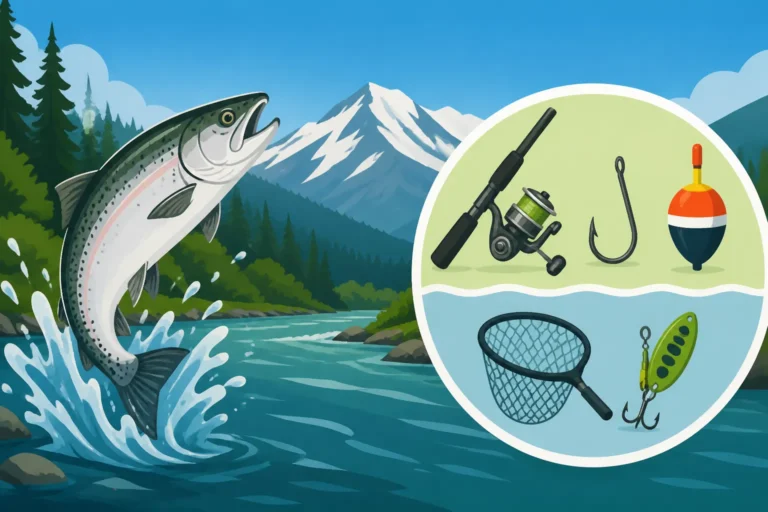
When natural bait is prohibited, your tackle selection becomes critical. Spinners, spoons, jigs, and plugs become your primary tools. For salmon and steelhead, popular choices include Rooster Tail spinners, Vibrax spinners, and various patterns of polished or painted spoons. Plugs like the well-known Kwikfish or Wiggle Warts can also be incredibly effective, especially when back-trolled or back-bounced. For trout in artificial-only lakes or rivers, smaller spinners, spoons, and various micro-jigs are go-to options.
Many anglers find it helpful to carry a diverse range of colors, sizes, and weights to adapt to different water conditions, such as water clarity or depth. For example, in murky water, brighter colors and lures with more vibration might be more effective, whereas in clear, low water, more natural or subdued colors and smaller profiles often perform better. You can find an excellent selection of these essential artificial lures on platforms like Amazon, offering a convenient way to stock up before your next trip. Always ensure your hooks are barbless if that's also a requirement for the specific water you're fishing.
Choosing Effective Scented and Scentless Baits (When Allowed)
Even when bait is allowed, the type of bait can sometimes be restricted, or certain baits might simply be more effective than others. In many conventional fisheries, natural scents are key. Cured salmon roe, live worms, herring, anchovies, and various shrimp products are staples for targeting salmon, steelhead, and bottomfish. When allowed, optimizing your bait presentation is paramount. This might involve using specific curing recipes for roe, brining herring for firmness and scale retention, or selecting the freshest live bait available.
However, even when natural bait is permitted, the use of too much scent or certain attractants can sometimes be restricted if they are deemed harmful to the environment or too effective in drawing in non-target species. Always double-check any fine print regarding bait modifications. For species like kokanee or some trout, manufactured baits like PowerBait or scented marshmallows, often fished with a small wedding ring spinner, are incredibly popular and effective. The key is to match your bait to the species, the water conditions, and, of course, the regulations.
Preparing for Diverse Regulations on a Single Trip
It’s not uncommon to fish multiple areas, or even different sections of the same river, during a single outing in Washington, each with potentially different bait regulations. This means your preparation needs to be meticulous. The best practice is to organize your tackle so you can quickly switch between compliant setups.
For example, if you plan to start your day on a river section that is "artificial lures only" for steelhead, but then move to a lower section where bait is permitted for salmon, keep your artificial lures separate from any natural bait. Ensure your leaders are pre-tied with appropriate hooks (barbless for artificial-only, perhaps barbed for bait if allowed). Having dedicated boxes or compartments for "bait-allowed" and "bait-prohibited" gear can prevent accidental use and help you stay organized. This level of preparation is key to a successful and regulation-compliant fishing experience across Washington's varied waterways. Understanding things like How Water Clarity Affects Steelhead Fishing can also influence your gear choice, even within permitted categories.
| Water Body Type / Scenario | Common Bait Restriction | Typical Reason | Allowed Gear Examples |
|---|---|---|---|
| Wild Steelhead River (e.g., Olympic Peninsula) | Artificial Lures Only / Fly Fishing Only | Protect wild, catch-and-release steelhead from deep hooking. | Spinners, spoons, jigs, plugs, artificial flies (barbless often required). |
| Sensitive Salmon Run in Puget Sound | Bait Prohibited / Artificial Lures Only | Protect specific wild salmon stocks, reduce incidental catch. | Trolled spoons, plugs, jigs, hoochies (no bait inserts). |
| High Mountain / Wild Trout Lake | Fly Fishing Only / Artificial Lures Only | Protect wild trout populations, preserve natural aesthetics. | Dry flies, nymphs, small artificial lures, micro-jigs. |
| Hatchery-Focused Salmon / Steelhead Fisheries | Bait Allowed (often with single, barbless hooks) | Encourage harvest of hatchery fish, maximize angler opportunity. | Cured roe, herring, shrimp, worms, scented soft plastics. |
| Designated "Selective Gear" Waters | Bait Prohibited / Artificial Lures Only | General conservation measure for various species, reduced harm. | Similar to Wild Steelhead Rivers, often with barbless hook rules. |
Disclaimer
Please remember that fishing regulations in Washington State can change frequently, often with little notice, due to emergency rule changes. While this guide provides comprehensive information, it is your responsibility to consult the most current Washington Department of Fish and Wildlife (WDFW) regulations before engaging in any fishing activity. Always verify specific rules for your chosen body of water and target species through the official WDFW website or printed pamphlet.