Slot Limits and Why Some Fish Must Go Back
There's nothing quite like the excitement of a tug on your line, the bend in your rod, and the thrill of finally bringing a beautiful fish to the net. But sometimes, that triumphant moment can turn into a head-scratcher when you realize the fish you just landed, a perfect specimen in your eyes, actually falls outside the legal "slot limit" and has to go back. It's a frustrating situation that many of us have faced, leaving us wondering, "Why can't I keep this fish?" This comprehensive guide will demystify Washington's slot limits, explaining what they are, why they exist, and how to navigate them so you can fish confidently and help conserve our precious fisheries.
Understanding the Basics of Slot Limits in Washington
For many anglers, understanding fishing regulations can feel like trying to solve a complex puzzle, and slot limits often add another layer of confusion. Unlike simple minimum or maximum size limits, slot limits introduce a specific "window" of legal harvest, and it’s critical to grasp this concept before hitting the water.
What Exactly is a Slot Limit?
At its heart, a slot limit is a fishing regulation that defines a specific size range within which you are allowed to keep a fish. It's not just a minimum size, meaning the fish has to be at least so long, nor is it simply a maximum, where the fish can't be more than a certain length. Instead, a slot limit combines both, creating a precise window. For example, a regulation might state that you can keep a trout that measures between 12 and 18 inches. This means if you catch a 10-inch trout, it's too small and must be released. If you catch a 20-inch trout, it's too large and must also be released. Only those fish falling perfectly within that 12-to-18-inch range are legal to retain.
This approach might seem counterintuitive at first, especially when you've just landed what feels like a trophy-sized fish only to find it's "too big" to keep. However, this isn't arbitrary. Fisheries managers implement these rules with very specific conservation goals in mind, which we'll delve into shortly. The key takeaway here is that a slot limit creates a protected zone on both ends of the size spectrum, leaving only the middle ground open for harvest.
The Core Principle Behind Slot Limits
The primary reason Washington's Department of Fish and Wildlife (WDFW) uses slot limits isn't to make fishing harder, but to ensure the long-term health and sustainability of fish populations. It's a powerful conservation tool, balancing the desire for recreational harvest with the ecological needs of the species.
The core principle revolves around protecting two vital segments of the fish population: the juveniles and the trophy-sized, breeding adults. By requiring the release of smaller fish, slot limits allow them to grow to maturity, contribute to the gene pool, and potentially spawn multiple times before they might be harvested. This is crucial for maintaining strong future generations. Conversely, by protecting the largest fish, WDFW safeguards the most successful and prolific breeders in the population. These larger, often older, fish have proven their ability to survive, find food, and reproduce effectively, making them invaluable genetic contributors. If everyone only kept the biggest fish, those valuable breeders would quickly be depleted, severely impacting the fishery's future.
Think of it like tending a garden: you protect the seedlings so they can grow, and you also protect the strongest, most fruitful plants to ensure a bountiful harvest year after year. Slot limits are a strategic way to manage fish populations, encouraging anglers to harvest fish from a healthy, abundant size class while leaving the foundational and future generations to thrive. It’s a commitment to sustainable fishing that benefits everyone in the long run.
Why Washington State Uses Slot Limits for Certain Species
Washington's diverse aquatic environments, from pristine mountain lakes to powerful rivers and vast marine areas, host an incredible array of fish species. Managing these populations effectively requires a nuanced approach, and slot limits are a key part of WDFW's toolkit for specific conservation and recreational goals.
Protecting Spawners and Young Fish
One of the most compelling reasons for implementing slot limits is the protection of a fish population's reproductive capacity. Large, mature fish, especially the females, are often the most productive spawners. They produce more eggs, and those eggs are often healthier, leading to stronger offspring. If anglers were allowed to continually harvest only the largest fish, the gene pool would weaken, and the overall reproductive output of the population would decline. By mandating the release of these larger fish, slot limits ensure that the most successful breeders remain in the water to continue their vital role in propagation.
Similarly, requiring the release of smaller, juvenile fish allows them to reach sexual maturity and contribute to spawning at least once, if not multiple times. This helps to build a robust age structure within the population, ensuring a steady supply of fish for future seasons. Without this protection, overharvest of smaller fish could "recruit" too many young fish before they have a chance to reproduce, leading to a long-term decline. For instance, in some of Washington's trout fisheries, slot limits are carefully designed to allow young trout to grow into the prime spawning size before they become legal to keep. This strategy is a proactive measure to prevent population crashes and maintain a healthy, self-sustaining fishery.
Managing Specific Fisheries and Ecosystems
Beyond broad conservation, slot limits are often used as a precise instrument to fine-tune specific fisheries and address localized ecological concerns. WDFW biologists study individual water bodies and their fish populations, determining if a slot limit can help achieve a particular management objective. This could involve trying to grow "trophy" sized fish for a specialized angling experience, or conversely, reducing the density of mid-sized fish to improve growth rates for the remaining population by reducing competition for food.
Consider a lake where a species like Rainbow Trout is abundant but tends to be stunted due to overpopulation or limited food resources. A slot limit might be implemented to encourage anglers to harvest more of the mid-sized fish, thereby reducing competition and allowing the remaining trout to grow larger. On the other hand, in a river famous for its wild trout, a slot limit might protect the largest, most desirable fish, fostering a catch-and-release mentality for those magnificent specimens while allowing a limited harvest of smaller, but still legal, fish. These rules don't just affect the target species; they can influence the entire aquatic ecosystem by shaping predator-prey dynamics and overall biodiversity. For instance, carefully calibrated regulations on fish size can help ensure there's enough food for other species, or that certain fish remain available as a food source for wildlife like eagles and bears. Slot limits are a dynamic tool, constantly reviewed and adjusted based on scientific data, demonstrating WDFW’s commitment to healthy, vibrant fishing opportunities across the state.
Common Washington Species Managed by Slot Limits
While slot limits might not apply to every species in every water body, they are a common and effective management tool for several key fisheries in Washington State. Knowing which species are typically subject to these regulations and where you might encounter them is crucial for any angler.
Trout and Selective Fisheries
Trout species are perhaps the most frequent beneficiaries of slot limits in Washington. Whether it's Rainbow Trout, Cutthroat Trout, or even Brown Trout in specific locations, WDFW often employs slot limits in lakes and rivers to cultivate particular angling experiences or bolster wild populations. For example, some high-mountain lakes or popular lowland lakes might have slot limits designed to produce larger "holdover" trout, encouraging anglers to release smaller fish to grow and the biggest fish to continue spawning.
One excellent example is the management of wild trout fisheries, particularly fly-fishing-only or selective gear waters. Rivers like the Yakima River, renowned for its healthy population of wild Rainbow Trout and Cutthroat Trout, often feature complex regulations that include specific size windows for retention, if any harvest is allowed at all. These areas prioritize the survival of larger, often multi-year spawners, while permitting the occasional harvest of smaller, abundant fish. You can learn more about Nymphing for Trout on Washington's Yakima River to understand the specific techniques often used in such selective waters. It's a delicate balance that aims to maintain a world-class wild fishery while still offering some opportunity for harvest. Always double-check the regulations for specific lakes and rivers before you go, as trout rules can vary significantly from one body of water to the next.
Bass and Warmwater Species Management
Smallmouth Bass and Largemouth Bass, particularly in the warmer waters of Eastern Washington and along the Columbia River, are another group of species frequently managed with slot limits. For bass, the goals are often two-fold: to produce trophy-sized fish for sport anglers and to manage the overall population density to prevent stunting.
In waters where bass populations are thriving but fish growth is slow, a slot limit might encourage anglers to harvest more medium-sized bass, thereby reducing competition for food and allowing the remaining fish, both small and large, to grow more effectively. Conversely, if the goal is to develop a fishery known for truly massive Largemouth or Smallmouth Bass, the slot limit might protect the largest fish while allowing harvest of smaller or mid-range individuals. For instance, parts of the Columbia River and its reservoirs might have specific slot limits for Smallmouth Bass aimed at maintaining a healthy balance. These regulations are designed to improve the average size and health of the bass in a given system, ensuring exciting fishing opportunities for years to come.
Occasional Size-Based Regulations for Salmon or Steelhead (Conservation-Driven)
While true "slot limits" in the vein of trout or bass management are less common for Washington's iconic Salmon and Steelhead, specific size-based harvest restrictions often function in a similar protective manner for these anadromous species. Instead of a middle "slot," these regulations typically focus on minimum sizes for retention, or they might dictate that only hatchery-origin fish within a certain size range can be kept, while wild fish of any size must be released.
For example, when certain salmon runs are robust, WDFW might set a minimum size limit for retention of Chinook in Puget Sound, ensuring that smaller, less mature fish return to spawn. Understanding Daily Limit for Chinook in Puget Sound is essential here, as it often includes these size stipulations. For Steelhead, the focus is heavily on distinguishing between wild and hatchery fish, with wild Steelhead almost universally being catch-and-release only. However, some areas might have specific rules for hatchery Steelhead, where size plays a role in retention. These are usually highly localized and driven by intense conservation needs or specific hatchery programs. The regulations for salmon and steelhead can change rapidly, often mid-season, due to emergency rules. This means you need to be constantly vigilant about checking the most current WDFW updates, as the rules for something like Catch-and-Release Rules During Wild Steelhead Closures can impact your day on the water significantly. While not always called "slot limits," these size-based regulations serve the same fundamental purpose: to protect critical parts of the breeding population and ensure the future of these cherished fisheries.
How to Read and Interpret Washington's Slot Limit Rules
Navigating fishing regulations can feel like deciphering ancient texts, but understanding slot limits is paramount to staying legal and contributing to conservation. It really boils down to having the right information and knowing how to use it.
Checking the WDFW Regulation Pamphlet and Online Resources
Your absolute first step before any fishing trip in Washington should be to consult the most current WDFW Sport Fishing Regulations pamphlet. This isn't just a suggestion; it's a critical habit. These pamphlets are free and available both digitally on the WDFW website and in print at most sporting goods stores and license vendors. The information in these pamphlets covers all of Washington Fishing Regulations Every Angler Should Know, including specific rules for each water body, species, and often, particular times of year.
Within the pamphlet, you'll find sections dedicated to specific game fish, followed by detailed tables outlining regulations by county, river system, or marine area. When looking for slot limits, pay close attention to the "Minimum Size," "Maximum Size," and "Daily Limit" columns for your target species in your chosen fishing area. It's not uncommon to find a combination, such as "Min. 12", "Max. 18", and a "Daily Limit" of 2 fish within that slot. Remember that these rules are subject to change, sometimes even in the middle of a season, due to Emergency Rule Changes: Why Washington's Rules Shift Mid-Season. This is why regularly checking the WDFW website or the Fish Washington app for the most up-to-date emergency rule changes is crucial, especially before heading out. Think of it as your pre-trip checklist for compliance; it's just as important as checking the weather. To truly master this, take the time to learn Reading the Washington Sport Fishing Regulations Pamphlet thoroughly.
Measuring Your Catch Accurately
Once you've read the regulations and understand the slot limit for your target fish, the next crucial step is accurately measuring your catch. There's no room for guesswork here; a mis-measured fish can lead to a violation. All fish, when measured for length, are typically measured from the tip of the snout (with the mouth closed) to the farthest tip of the tail, with the fish lying flat on its side. It's a standard practice across the state for consistency.
You absolutely need a reliable measuring device. A flexible tape measure or, even better, a rigid fish ruler is indispensable. Many anglers prefer a bump board or specialized fish measuring device that allows the fish's nose to butt up against a solid stop for precise measurement. You can find excellent, durable fish rulers and measuring tapes on Amazon or at any local sporting goods store like Sportco or Fisherman's Marine & Outdoor. Practice measuring a few fish (even if they're not keepers) so you get comfortable with the process. A fraction of an inch can be the difference between a legal fish and a fine. Always handle the fish carefully during measurement, minimizing its time out of the water, especially if it's going to be released.
| Species (Hypothetical) | Location (Example) | Minimum Size | Maximum Size | Daily Limit | Special Rules |
|---|---|---|---|---|---|
| Rainbow Trout | Clear Lake (Area A) | 12 inches | 18 inches | 2 | Barbless hooks only |
| Smallmouth Bass | Columbia River (Pool 2) | 10 inches | 14 inches | 5 | None |
| Cutthroat Trout | Green River (Upper) | N/A | N/A | 0 (C&R) | Fly-fishing only |
| Kokanee Salmon | Lake Chelan | 8 inches | 12 inches | 10 | No more than 2 over 12" |
This table provides hypothetical examples for illustrative purposes. Always consult the official WDFW regulations for current and accurate information.
Best Practices for Releasing Slot-Limited Fish
Since slot limits inherently mean you'll be releasing a significant number of fish, mastering proper catch-and-release techniques is not just good practice – it's an ethical imperative. The goal is to maximize the survival rate of every fish you send back into the water.
Firstly, use appropriate gear. Lighter tackle might be fun, but if it prolongs the fight and completely exhausts the fish, its chances of survival decrease significantly. When it comes to hooks, consider barbless hooks, which are often required in selective fisheries anyway (like for Barbless Hook Requirements on Washington Rivers). If not required, voluntarily crimping your barbs can make hook removal much easier and less damaging. Forceps, needle-nose pliers, or a dedicated de-hooking tool should be easily accessible. Many anglers keep a specific set of catch-and-release tools, often bought from Amazon, right in their vest or tackle box.
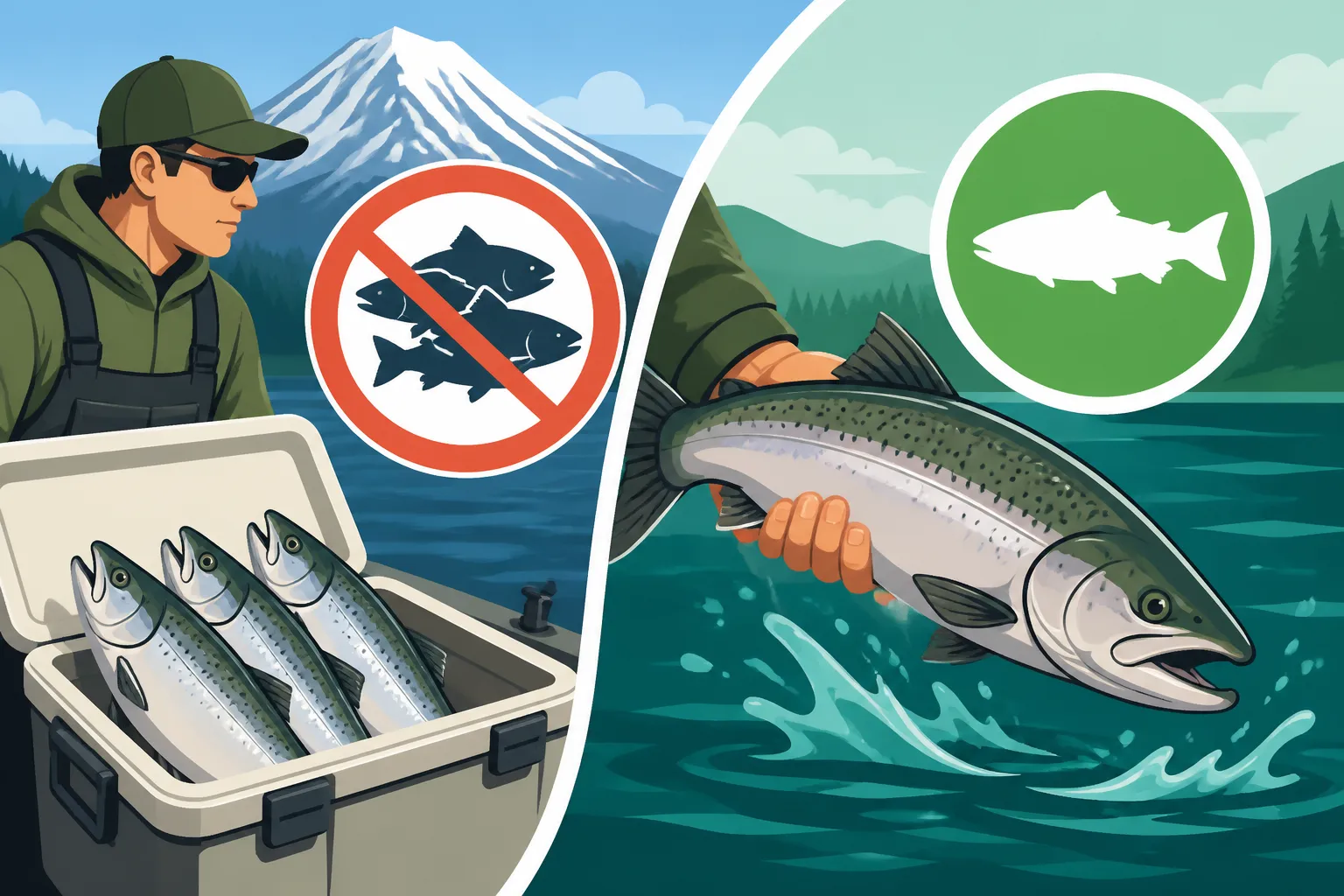
When you land a fish that must be released, minimize its time out of the water. Handle it gently with wet hands to protect its delicate slime coat, which is its primary defense against infection. Avoid squeezing the fish, especially around its internal organs. If the hook is easily accessible, remove it quickly. If it's deep-set and removal would cause significant trauma, it's often better to snip the line as close to the hook as possible; the hook will eventually rust out. When releasing, hold the fish gently in the water, facing into the current if in a river, until it regains its strength and swims away on its own. Never just toss it back in. By following these best practices, you're doing your part to ensure those slot-limited fish survive to grow, spawn, and fight another day.
Navigating the Frustration and Embracing the Challenge
Let's be honest: there's a unique sting that comes with catching a magnificent fish, one you've battled valiantly, only to realize it's "too big" or "too small" to keep due to a slot limit. It can be frustrating, even a little heartbreaking. But with a shift in perspective and some adapted strategies, you can turn this perceived limitation into a rewarding aspect of your Washington fishing adventures.
The Angler's Dilemma: Releasing a "Perfect" Fish
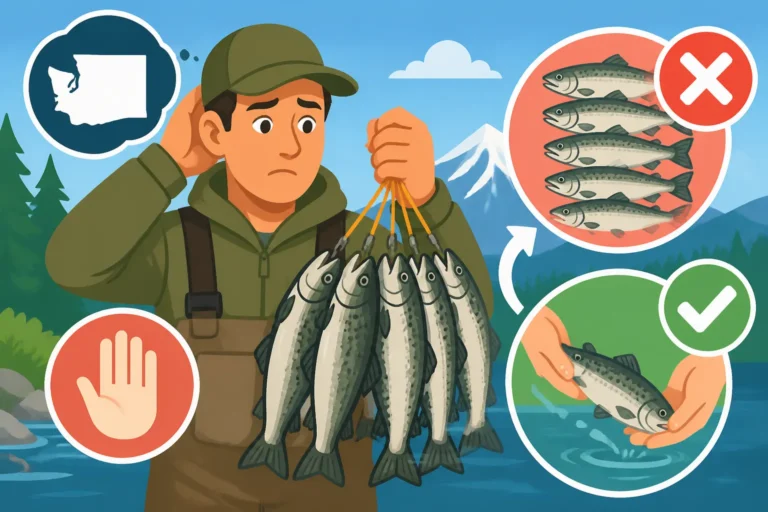
It's a scene many of us know well: you’re fishing a pristine Washington lake, the sun is shining, and suddenly your bobber dips violently. After an exhilarating fight, you net a vibrant Rainbow Trout – a truly gorgeous specimen, easily the biggest of the day. You admire its colors, its powerful build, and for a moment, you imagine it sizzling in a pan. Then, you pull out your ruler, and your heart sinks a little. It’s 20 inches, but the slot limit for this lake is 12-18 inches. That means this "perfect" fish, the one you're so proud of, has to go back.
This is the angler's dilemma under slot limits. It’s natural to feel a pang of disappointment, a sense of "what if?" This isn't just about losing a meal; it's about the psychological shift from hunter to steward. You've earned that fish, yet the rules dictate a release. However, try to reframe this moment. That 20-inch trout is a proven survivor, a potential breeder that will contribute hundreds, if not thousands, of eggs to the next generation. By releasing it, you're making a direct, tangible investment in the future of that fishery. You’re ensuring that not only will there be more fish for future anglers, but potentially even more trophy-sized fish like the one you just released. This act of conservation, though sometimes tough in the moment, is a profound contribution to the health of Washington’s waters. It's a testament to your commitment to the sport beyond just filling a cooler.
Adapting Your Fishing Strategy to Slot Limits
Instead of viewing slot limits as a hindrance, consider them an exciting new challenge that can add another layer of skill and strategy to your fishing. Learning to consistently target fish within the legal slot can be incredibly rewarding. This often means adjusting your tackle, baits, and fishing locations.
For example, if you're consistently catching fish that are too small, you might consider upsizing your lure or bait. Larger presentations naturally tend to attract larger fish. If you're using PowerBait for trout, maybe switch to a bigger marshmallow or a larger jig. For bass, perhaps move from small crankbaits to larger swimbaits or jigs that only bigger bass are likely to strike. Conversely, if you're always catching fish over the maximum size, you might need to reconsider your approach. Are you fishing the deepest holes where the biggest, oldest fish often reside? Try moving to shallower, more active feeding grounds where mid-sized fish might be more prevalent. Sometimes, simply adjusting your retrieve speed or bait presentation can make a difference.
Remember, fishing gear is an art form itself, and specific tools can aid your strategy. Having a sturdy pair of release pliers for quick, efficient unhooking is critical when dealing with slot limits, and you can easily find a high-quality set on Amazon or at your favorite local tackle shop. Using lighter line might allow for a softer presentation that appeals to more cautious mid-sized fish, or a heavier leader might prevent break-offs when you inevitably hook one of those protected giants. Embrace the puzzle, experiment with different techniques, and let the slot limit become a guide to refining your angling prowess. It adds a whole new dimension to your fishing experience, transforming a simple outing into a dynamic quest to find that perfect, legal catch. Just make sure to always perform What to Check Before Every Washington Fishing Trip, including regulations.
Disclaimer
The information provided in this guide is for general informational purposes only and is not a substitute for the official regulations issued by the Washington Department of Fish and Wildlife (WDFW). Fishing regulations, including slot limits, can change frequently due to biological factors and emergency rule changes. It is the individual angler's responsibility to consult the most current WDFW Sport Fishing Regulations pamphlet and check for emergency rule updates before engaging in any fishing activity. Failure to do so may result in fines or penalties.