Minimum Age for a Washington Fishing License
One of the most common questions I hear from families gearing up for a fishing trip in Washington is about who actually needs a license, especially when kids are involved. It’s easy to get confused; you want to make sure everyone's legal and that you're instilling a love for the outdoors without accidentally running afoul of the rules. This comprehensive guide is here to clear up all that uncertainty, specifically focusing on the minimum age requirements for a Washington fishing license, so you can focus on making memories on the water, not fretting over paperwork.
Understanding Washington's Youth Fishing Regulations
Washington State has always been keen on encouraging the next generation of anglers, and its licensing structure for children really reflects that commitment. It’s designed to be approachable, making it easier for parents and guardians to introduce kids to the joys of fishing without a heap of bureaucratic hurdles right out of the gate.
The Core Rule: Age 15 and Under
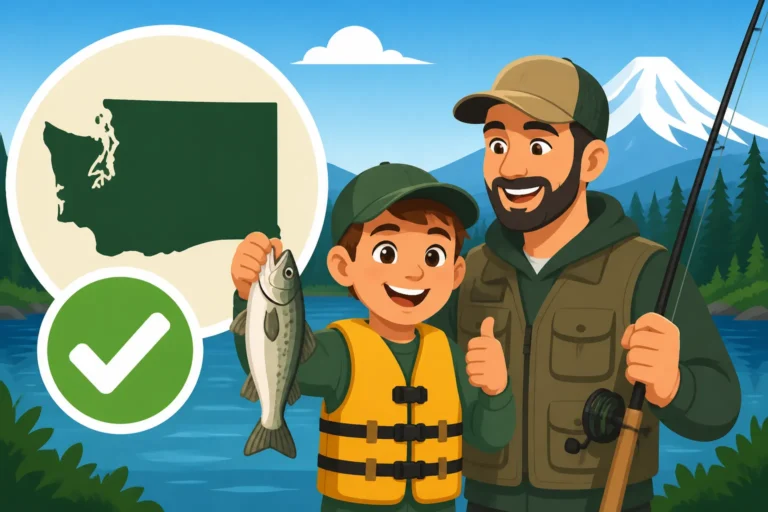
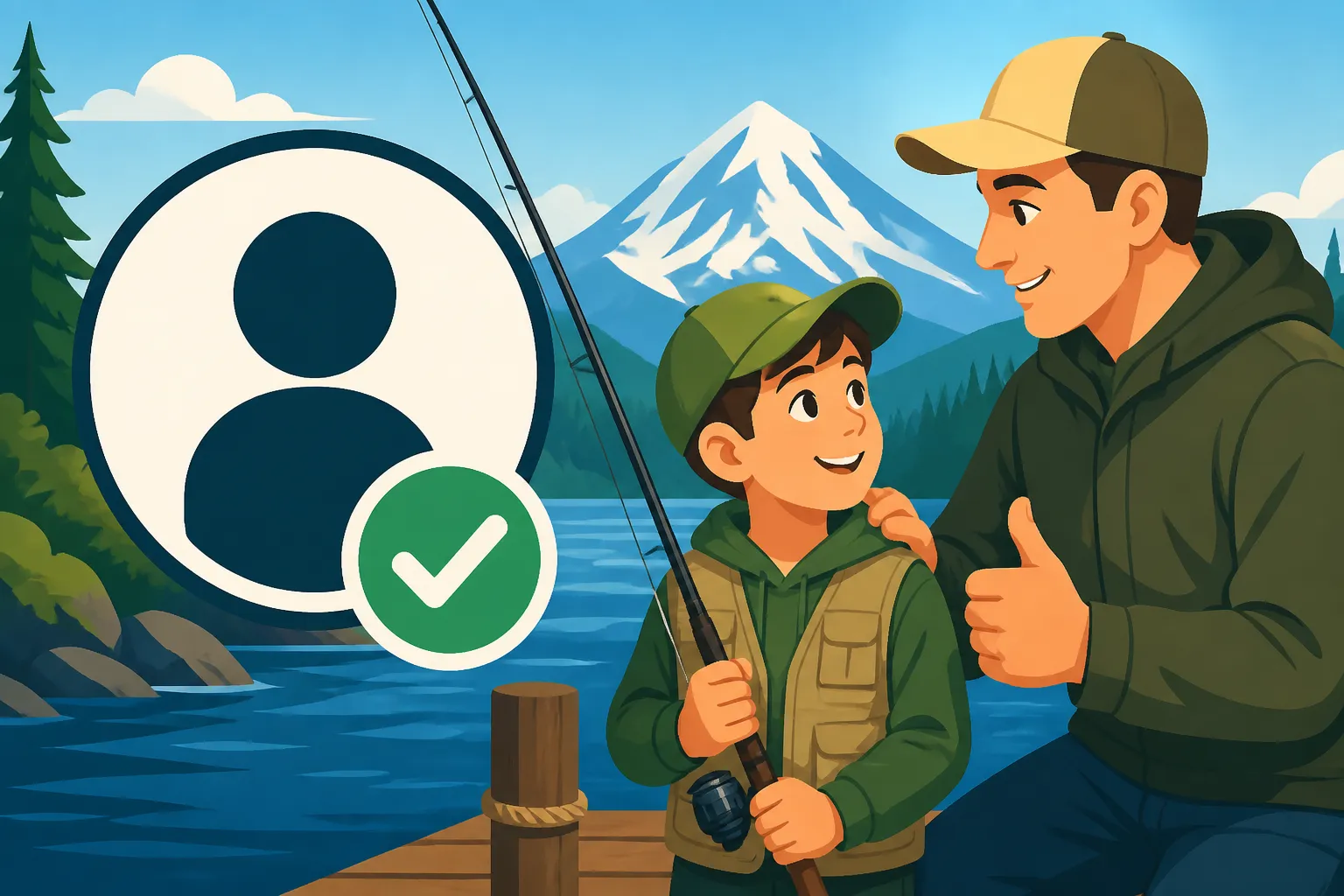
Let’s get right to the heart of it: generally speaking, any child who is under 15 years old does not need a recreational fishing license to fish in Washington State. This is fantastic news for families! It means you can grab your rod and reel, pack some snacks, and head out to a local lake or river with your little ones, knowing that they can cast away freely without an official license in their pocket.
This policy is really rooted in a desire to foster early engagement with fishing. Imagine trying to explain license types, endorsements, and regulations to a seven-year-old just excited about catching their first trout! By removing the license barrier, the Washington Department of Fish and Wildlife (WDFW) makes it simple for parents to say "yes" to fishing trips. It reduces costs for families, too, which can be a huge help when you're already investing in gear, bait, and maybe even a weekend camping trip. This encouragement ensures that children can develop a passion for fishing, learning about conservation and outdoor ethics from a young age, before the more formal requirements kick in.
When a Catch Record Card Is Required for Minors
Now, here's where it gets a little trickier, and it’s a detail that often trips up even seasoned anglers: while kids under 15 don't need a license, they often do need a The Washington Catch Record Card and What It Requires when targeting certain species. This isn't just a suggestion; it's a firm requirement that ensures proper management of precious fish populations.
Specifically, if your child is going to fish for salmon, steelhead, sturgeon, or halibut, they absolutely must have a Catch Record Card, regardless of their age. Yes, even if they’re five years old and happen to hook into a keeper salmon, that fish needs to be recorded. These cards are vital tools for WDFW to track harvest data, which directly informs future season setting and conservation efforts. For example, if your 10-year-old is having the time of their life fishing for Chinook salmon on the Columbia River, and they successfully land a legal fish, you’ll need to make sure that catch is properly noted on their Catch Record Card. It’s exactly the same process as an adult would follow, just without the initial license purchase. You can usually pick up a Catch Record Card from any license dealer, and they are typically free for youth. This rule is a critical aspect of When a Catch Record Card Is Required in Washington.
Special Considerations for Youth Endorsements
When we talk about endorsements, like the Washington's Columbia River Salmon and Steelhead Endorsement, Explained or a two-pole endorsement, these are generally tied to an active fishing license. Since children under 15 don’t need a fishing license, they typically don’t need to worry about purchasing separate endorsements. The endorsements are essentially add-ons to a base license that grant additional privileges.
However, it’s always a good idea to double-check the current Washington Sport Fishing Regulations Pamphlet, which you can often find digitally on the WDFW website or as a physical copy at many sporting goods stores, like those you might find gear for on Amazon. Regulations can sometimes be nuanced, and while the general rule holds true, there might be very specific exceptions for certain fisheries or areas. For instance, if you're fishing a unique derby or a highly managed section of river, it's wise to ensure there aren't any special local rules that apply. For the vast majority of regular fishing scenarios, though, your under-15 angler won't need to concern themselves with endorsements.
Navigating the Transition to Adult Licensing at Age 15
The transition from fishing without a license to needing one can feel a bit sudden for young anglers and their families. At age 15, the rules shift, and what was once a free-for-all (within catch limits, of course!) becomes a more regulated activity. Understanding this change is key to a seamless continuation of their fishing journey.
The Exact Age When a License Becomes Mandatory
The moment an angler turns 15 years old, they are no longer considered "youth" in the eyes of Washington fishing regulations for licensing purposes. This means that on their 15th birthday, they officially need to purchase and possess a valid Washington fishing license to continue fishing legally. It's a specific age, not tied to a school year or graduating high school, but rather a direct numerical birthday.
Why age 15? It's a common cutoff in many states for various youth-related activities and acknowledges a level of maturity and responsibility where an individual is expected to understand and comply with regulations independently. It’s an age where many teens are starting to drive, get part-time jobs, and engage in more complex activities, so managing a fishing license fits into that developmental stage. This particular age allows for a significant period of free, unburdened fishing in childhood, then introduces the full responsibility of licensing as they approach adulthood.
First-Time License Purchase for Teenagers
Once a teenager turns 15, the process of getting their first fishing license is pretty straightforward. They can purchase their license in several convenient ways. Many prefer to buy them online directly through the WDFW licensing system, which is quick and easy. Alternatively, they can visit authorized license dealers, which include most sporting goods stores, some grocery stores, and bait and tackle shops throughout Washington. You can find gear and accessories for these new adventures from retailers like Amazon, but the license itself needs to come from an official WDFW vendor.
When purchasing, they'll need to decide which type of license is best for them: a freshwater, saltwater, or combination license. If they plan to fish primarily in lakes and rivers for trout and bass, a freshwater license is sufficient. If their sights are set on Puget Sound salmon or bottomfish off the coast, a saltwater license is needed. For those who want to do both, a combination license offers the most flexibility. They might also consider a short-term license for a specific trip, or an annual license if they plan to fish regularly. For more details on these options, you can check out Washington's Annual, Short-Term and Combination License Options.
Required Documentation for Teenagers
When a 15-year-old goes to purchase their first Washington fishing license, they will need to provide some form of identification. While a formal state ID or driver's license might not be available to all 15-year-olds, acceptable forms usually include a school ID, a birth certificate, or potentially having a parent or guardian present with their own identification to vouch for residency.
The exact requirements can sometimes vary slightly depending on whether they're claiming Washington resident status or purchasing a nonresident license. For Washington residents, they'll need to demonstrate proof of residency. Generally, this means they’ve lived in Washington for at least 90 consecutive days. The WDFW website or a local license dealer can provide the most current and specific details on what documentation is needed. It’s always best to call ahead or check the WDFW website before making a trip to a dealer, just to ensure you have everything required and avoid a wasted journey.
Practical Scenarios and Common Questions
The world of fishing regulations can sometimes feel like a maze, especially when you're trying to figure out how it applies to different age groups and family outings. Let's tackle some common scenarios and questions that pop up, ensuring you're fully prepared for your next Washington fishing adventure.
Fishing with a Parent Who Has a License
A common misconception is that a parent's fishing license somehow covers their child, especially if the child is just turning 15. Unfortunately, this isn't the case in Washington State. Once an individual turns 15, they are considered an independent angler from a licensing perspective. This means if you, as a parent, have your annual combination license, and your 16-year-old is fishing alongside you, your teenager must have their own valid fishing license. Your license does not extend to them.
This rule applies whether you're fishing from the bank, a boat, or even on a guided trip. Each person age 15 and older actively engaged in fishing must carry their own license and any required endorsements. The only exception to this is during designated "free fishing weekends" that WDFW occasionally offers, where licensing requirements are temporarily waived for everyone. For general trips, however, remember that individual responsibility kicks in at age 15. This is similar to how Does Everyone on a Charter Need Their Own License? where each individual angler is accountable for their own licensing.
Understanding Daily and Possession Limits for Youth
Here's another critical point that often gets overlooked: while children under 15 don't need a license, they are absolutely still subject to the same daily and possession limits as licensed adults. This is a non-negotiable aspect of responsible fishing and conservation. The intent of allowing kids to fish without a license is to encourage participation, not to create a loophole for increasing harvest limits.
Let's imagine a family fishing for rainbow trout in a popular Washington lake. A father, mother, and their two children (ages 8 and 12) are all fishing. If the daily limit for trout is 5 fish per person, the family's combined daily limit is 20 trout (5 for each adult, plus 5 for each child, totaling 4 anglers). If the 8-year-old catches two fish and the 12-year-old catches three, those five fish count towards the family’s total of 20, and crucially, they also count towards each child's individual daily limit of 5. It's vital to keep track of everyone's catch to ensure no one exceeds their individual or the group's legal limits. For a deeper dive into these regulations, check out How Bag and Possession Limits Work in Washington and Understanding Washington's Daily Bag Limits by Species.
The Role of the MyWDFW App and Electronic Cards for Younger Anglers
In our increasingly digital world, Washington State has embraced technology to make managing fishing easier, and this extends to how younger anglers interact with the system. The MyWDFW app is a fantastic resource that can be incredibly helpful for families. While younger children (under 15) don't carry their own licenses, parents can manage their children's Catch Record Cards through the app on their own devices. This means you don't have to worry about a physical paper card getting wet or lost when your enthusiastic youngster is out on the water.
For teenagers aged 15 and older who do have a license, the MyWDFW app allows them to carry an electronic version of their license right on their smartphone. This means no more fumbling for a crumpled paper copy in a wallet or tackle box. It's convenient, easily accessible, and legally recognized. Just make sure their phone is charged and perhaps protected with a waterproof case, which you can easily find on Amazon. Being able to show your license on your phone is a huge convenience, as highlighted in Can You Show Your License on Your Phone in Washington?, and the app itself offers a lot of functionality explained in What the MyWDFW App Is Used For. This blend of traditional rules and modern convenience makes fishing accessible for all ages.
Youth Fishing Events and Derby Exemptions
Washington State also hosts various youth fishing events and specific derbies throughout the year, many of which have special rules designed to further encourage participation. The most prominent example is the annual Free Fishing Weekend, usually held in June. During this weekend, the license requirement is waived for everyone, including adults and teenagers aged 15 and over, making it an excellent opportunity for anyone to try fishing without the upfront cost of a license.
Beyond statewide events, local communities and organizations often host their own kids' fishing derbies or educational clinics. These events sometimes have their own specific exemptions or simplified rules regarding licensing, though Catch Record Cards for salmon/steelhead/sturgeon/halibut usually still apply. It's always a good idea to check the specific rules for any particular event you plan to attend, but these initiatives are fantastic pathways to get kids hooked on fishing, sometimes literally! They often provide loaner gear and volunteers to help beginners, making them low-barrier entry points into the sport.
Here’s a quick summary table to help you keep track of the age requirements:
| Age Group | Fishing License Required? | Catch Record Card for Salmon/Steelhead/Sturgeon/Halibut Required? | Endorsements Required? | General Rule |
|---|---|---|---|---|
| Under 15 years old | No | Yes | No | Fish for free, but track key species. |
| 15 years old and up | Yes | Yes | Yes (if applicable) | Full adult licensing requirements apply. |
Navigating Washington's fishing regulations doesn't have to be intimidating, especially when it comes to understanding age requirements. By knowing these rules, you can ensure that every angler in your family, from the youngest aspiring fisher to the seasoned teenager, is ready to enjoy the rich fishing opportunities Washington has to offer, all while staying compliant with the law.
Disclaimer
Please be aware that fishing regulations are subject to change by the Washington Department of Fish and Wildlife (WDFW). While we strive to provide the most accurate and up-to-date information, it is always your responsibility to consult the official WDFW regulations pamphlet and emergency rule changes before heading out to fish. This guide is for informational purposes only and should not be considered a substitute for the official WDFW regulations.