How Big Rufus Woods Rainbow Trout Grow
It’s a question that lights up the eyes of any angler who has heard the whispers of massive trout from the Columbia River system: just how big do those legendary Rufus Woods Reservoir rainbow trout actually get? If you're tired of catching pan-sized stockers and dream of a bending rod and a reel screaming with a fish that puts up a serious fight, then you've come to the right place. This guide is all about peeling back the curtain on the incredible growth potential of Rufus Woods rainbows, explaining why this stretch of water consistently produces some of the biggest trout in Washington, and what you can realistically expect to encounter when you cast a line there.
The Allure of Rufus Woods Reservoir Rainbow Trout
Rufus Woods Reservoir isn't just another body of water; it's a unique fishery, a true gem in the heart of Washington State that consistently delivers on the promise of big, healthy rainbow trout. Situated on the mighty Columbia River, nestled between the imposing walls of Grand Coulee Dam and Chief Joseph Dam, this reservoir offers a highly productive environment tailor-made for growing monster trout. It's a place where anglers regularly hook into fish that would be considered trophies almost anywhere else.
What Makes Rufus Woods Special for Trout?
Several factors converge to create the perfect storm for exceptional trout growth in Rufus Woods. First and foremost is the consistent influx of nutrient-rich water from the Columbia River itself. This isn't stagnant lake water; it's a dynamic, flowing system that constantly replenishes food sources and maintains optimal water quality. The reservoir acts like a giant, slow-moving river, providing ample current for trout to hold in and ambush prey.
Secondly, the hydroelectric operations at the dams play a role. While dam operations can sometimes pose challenges for fish, in Rufus Woods, the outflow from Grand Coulee Dam often carries nutrient-laden water downstream, contributing to a vibrant food chain. The water temperatures remain relatively stable and cool, which is ideal for trout metabolism and growth, especially during the warmer months when other shallower lakes might become too warm. This consistent flow and rich environment create a veritable smorgasbord for the trout.
The Genetic Edge: Triploid Rainbows
The real secret sauce behind the enormous size of Rufus Woods rainbow trout lies largely in the Washington Department of Fish and Wildlife's (WDFW) strategic stocking program. Rufus Woods is predominantly stocked with triploid rainbow trout. Now, if you're not a fisheries biologist, "triploid" might sound a bit intimidating, but it's actually quite simple and incredibly effective for growing big fish.
Triploid trout are essentially sterile. They possess three sets of chromosomes instead of the usual two (diploid). Because these fish cannot reproduce, their bodies don't expend energy on developing reproductive organs, spawning, or any of the arduous processes associated with breeding. Instead, all that metabolic energy is redirected into pure growth. Imagine a fish that can focus 100% on eating and growing, without any biological distractions. That's a triploid rainbow trout. WDFW stocks these fish specifically in places like Rufus Woods because they know the environmental conditions there will allow them to reach their full, unhindered growth potential, offering anglers a shot at truly massive fish. This is a key distinction when you're comparing fishing in this reservoir to other spots, and it's a big reason why "Washington's Annual, Short-Term and Combination License Options" are so popular for folks hoping to experience this unique fishery.
The Feed: What Fuels Their Growth?
You can't have big fish without an abundant and nutritious food source, and Rufus Woods delivers in spades. The reservoir is teeming with a diverse array of invertebrates that form the backbone of the trout's diet. Think tiny, protein-packed critters like scuds (freshwater shrimp), midge larvae, and various aquatic insects. These are readily available and provide a constant buffet for growing trout.
As the rainbow trout grow larger, their dietary preferences can shift. While they'll still happily slurp up a scud, bigger trout become more opportunistic predators, occasionally preying on smaller fish, including juvenile kokanee salmon or other small baitfish that might be present in the system. This protein-rich diet, combined with their triploid genetics, allows these trout to pack on weight at an astonishing rate. It's a classic case of "you are what you eat," and in Rufus Woods, the rainbows are eating very well, leading directly to those impressive dimensions anglers are constantly talking about.
Typical Sizes and Record-Breaking Potential
The reputation of Rufus Woods for producing large rainbow trout isn't just angler folklore; it's backed up by consistent catches and the sheer thrill of seeing these fish in person. While every fishing trip is different, there are definite expectations you can have when targeting these magnificent creatures.
Average Size Expectations
When you head out to Rufus Woods, it's wise to temper your expectations for a state record on every cast, but your "average" catch is still far from ordinary. Most anglers can realistically expect to hook into rainbow trout in the 2- to 5-pound range. These are solid, feisty fish that will give you a fantastic fight on appropriate tackle. They're thick-bodied, chrome-bright, and indicative of the healthy, rich environment they inhabit.
Catching multiple fish in this size class in a single outing is not uncommon, especially if you dial in your techniques and find a productive school. These aren't skinny, hatchery-raised trout; they've spent time growing in the reservoir and have developed impressive muscle and fighting prowess. If you're used to catching trout under a pound, getting one of these 2-5 pounders will feel like a completely different fishing experience, a true benchmark for what a robust rainbow can be.
Trophy-Sized Trout: The Double-Digit Dream
Now, let's talk about the real reason many anglers make the pilgrimage to Rufus Woods: the genuine possibility of a double-digit trout. Fish weighing 10 pounds or more are caught with notable regularity here. These aren't once-in-a-lifetime unicorns; while still rare and a significant achievement, they are part of the Rufus Woods experience. Anglers have reported and photographed trout pushing into the high teens, and there are even whispers and confirmed catches of fish approaching or exceeding 20 pounds.
The current Washington State record for rainbow trout (general) stands at over 29 pounds, and while not exclusively from Rufus Woods, the reservoir is certainly on the short list of waters capable of producing such giants. Landing a 10+ pound triploid rainbow from Rufus Woods is truly a moment to savor, often requiring stout gear, patience, and a bit of luck. These are powerful fish, capable of long runs and deep dives, testing every aspect of your angling skill. For those aiming for such a prize, understanding "Trolling for Salmon in Washington's Puget Sound" techniques, often adapted for large trout, can be very helpful, even though it's a different body of water.
How Rufus Woods Stacks Up Against Other Washington Waters
When comparing Rufus Woods to other famous trout fisheries in Washington, it truly stands out, especially for rainbow trout size.
- Lake Chelan is renowned for its massive Mackinaw (lake trout) and kokanee, but its rainbows, while present, don't typically reach the consistent trophy sizes seen in Rufus Woods.
- Lake Roosevelt, further upstream on the Columbia, also holds big rainbow trout, but Rufus Woods tends to be more consistently productive for sheer size and numbers of trophy-class rainbows due to the specific triploid stocking program and rich food base.
- Smaller lowland lakes across Washington are regularly stocked with catchable-sized rainbow trout, often in the 10-14 inch range, meant for immediate harvest. While these provide excellent opportunities for family fishing and high catch rates, they rarely produce fish over a few pounds.
Rufus Woods is in a league of its own when it comes to trophy rainbow trout, offering a unique opportunity to target truly enormous fish that are otherwise hard to come by in Washington State. It's truly one of "The Best Places to Fish in Washington State."
Here’s a quick overview of typical versus trophy sizes in Rufus Woods:
| Category | Typical Size Range | Notable Trophy Size | Key Factors Contributing to Size |
|---|---|---|---|
| Average Catch | 2-5 pounds | 8-12 pounds | Triploid genetics, abundant food, consistent flow |
| Trophy Catch | 10-15 pounds | 15-20+ pounds | Age, consistent feeding, specific forage, angler skill |
Factors Influencing Trout Size and Growth
While Rufus Woods provides an exceptional environment, several variables can influence the size and growth trajectory of these magnificent rainbow trout. It's not just about stocking them; it's about the entire ecosystem and management approach that allows them to flourish.
Age and Stocking Cycles
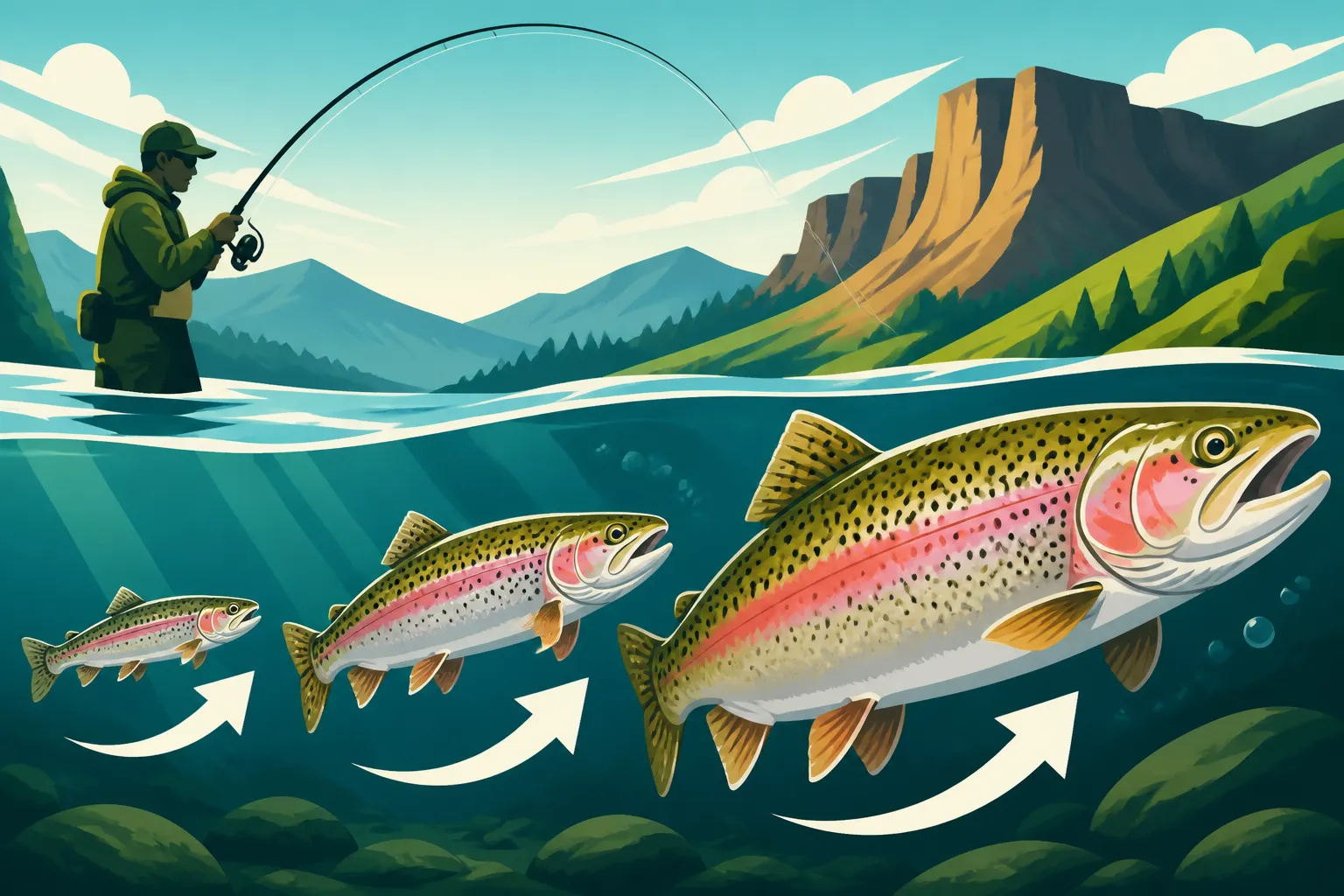
The sheer size of Rufus Woods trout is directly linked to how long they've had to grow in the reservoir. WDFW typically stocks younger, smaller triploid rainbows into the system. These fish then spend months, sometimes years, gorging on the abundant food sources. The longer a fish survives and feeds without the metabolic drain of reproduction, the larger it will become.
Stocking cycles are crucial here. WDFW continually monitors the fishery and replenishes the population, ensuring a fresh supply of growing fish. This means that while some fish are caught, others are coming up behind them, taking advantage of the prime conditions. A fish caught at 5 pounds might have been stocked a year or two prior, while a 15-pound monster could be several years old, having evaded anglers and capitalized on every feeding opportunity. Information on these cycles can sometimes be found in the "Washington Sport Fishing Seasons and Emergency Closures" reports or WDFW's localized fishery updates.
Water Conditions and Food Abundance
The health of the Rufus Woods ecosystem is paramount to the continued growth of its trout. Consistent water quality, including optimal dissolved oxygen levels and temperatures, is vital for fish health and activity. The flowing nature of the Columbia River through the reservoir helps maintain these conditions, flushing out stagnant areas and bringing in fresh water.
Perhaps even more critical is the sustained abundance of food. If there were a sudden drop in the population of scuds or a decline in other invertebrates, the growth rates of the trout would undoubtedly slow. Conversely, years with particularly rich hatches or flourishing populations of baitfish can lead to even faster growth and fatter trout. WDFW biologists closely monitor these ecological factors to ensure the reservoir remains a productive habitat. Even small changes in the environment can influence how big these fish grow.
Fishing Pressure and Management
Any popular fishery faces fishing pressure, and Rufus Woods is no exception. However, WDFW manages this fishery carefully to sustain the trophy potential. Regulations, such as daily catch limits and specific gear restrictions, are put in place to ensure that a healthy population of large trout remains in the system. For instance, understanding "How Bag and Possession Limits Work in Washington" is crucial for anglers, as these limits are designed to balance harvest with sustainability.
The very nature of triploid trout helps with management too; since they don't reproduce, WDFW has greater control over the population dynamics through stocking. This allows them to focus on growing large fish without worrying about overpopulation from natural spawning. Anglers also play a role: responsible catch-and-release practices, especially for the largest fish, help ensure these giants continue to swim and potentially grow even larger for others to enjoy. This type of collaborative management is vital for maintaining the "trophy" status of Rufus Woods.
Targeting Those Giants: Tips for Success
So, you're convinced that Rufus Woods is the place to hook into a genuinely large rainbow trout. But how do you actually go about it? Targeting these big triploids requires specific strategies, attention to detail, and often a bit more heavy-duty gear than your typical trout fishing setup.
Gear and Techniques for Big Trout
Forget your ultralight trout rod; when you're after Rufus Woods giants, you need tackle that can handle strong runs and heavy fish.
- Rods and Reels: A medium to medium-heavy spinning rod (7-9 feet) paired with a robust reel (3000-4000 series) spooled with 10-15 lb test monofilament or braided line is a good starting point. For braid, a fluorocarbon leader of 8-12 lb test is recommended for its invisibility and abrasion resistance.
- Trolling: This is one of the most effective methods, especially from a boat. Anglers often troll with downriggers or leaded line to get lures down to the fish's depth. Popular lures include large spoons (e.g., Luhr Jensen Kwikfish, Yakima Bait FlatFish), plugs, and wedding ring spinners often tipped with a piece of worm or corn. Using a fish finder to locate schools of baitfish or trout is invaluable.
- Jigging: From a boat or even from shore in certain deeper access areas, heavy jigs (1/2 oz to 1 oz) tipped with bait (PowerBait, Pautzke eggs, scented plastics) can be very productive. Look for vertical structure or deep holes where fish might be holding.
- Bait Fishing: This is a classic for a reason. Using PowerBait, Pautzke eggs, or even worms, fished on a slip-sinker rig or under a bobber, can entice bites. For bigger fish, don't be afraid to use a larger glob of bait. Remember, these are hungry fish, and a bigger presentation can sometimes mean a bigger bite.
- Fly Fishing: While challenging from shore due to the currents, fly anglers can find success in calmer sections or from a boat, particularly with large streamers, scud patterns, or chironomid imitations. "Fly Fishing Techniques for Winter Steelhead in Washington" might offer transferable skills if you're comfortable with heavier fly gear.
Best Times and Locations
Timing and location are everything when chasing trophy trout in Rufus Woods.
- Seasonality: While fishing can be good year-round, spring and fall often offer some of the best opportunities. Water temperatures are cooler, and fish are actively feeding. Winter can also be excellent, especially on milder days. Summer can be productive too, but fish may move to deeper, cooler water.
- Specific Areas: The entire length of Rufus Woods, from below Grand Coulee Dam to above Chief Joseph Dam, holds fish. Popular access points include the Nespelem area and areas near the towns of Bridgeport and Brewster. Public access areas exist, but a boat significantly increases your ability to cover water and find fish. "Best Bank Fishing Spots on the Columbia River" might give some ideas, but for Rufus Woods, boat access is often preferred for targeting the largest fish.
- Depths and Structure: Rainbow trout in Rufus Woods will hold in various depths depending on the season, time of day, and food availability. In cooler months, they might be shallower, while in summer, they often retreat to deeper, cooler water. Look for current breaks, submerged structure, and areas where baitfish are congregating. Using a good depth finder is paramount for success.
Handling and Releasing Trophy Fish
If your goal is to land a truly massive Rufus Woods rainbow, it's crucial to understand how to handle it responsibly, especially if you plan on releasing it.
- Minimize Fight Time: Bring the fish to the boat or shore as quickly as safely possible to reduce stress.
- Use a Rubber Net: A large, knotless rubber landing net is ideal. It cradles the fish, protects its slime coat, and prevents fin damage.
- Wet Hands Only: If you must handle the fish, wet your hands thoroughly before touching it. Never squeeze or put fingers in the gills.
- Support the Weight: When lifting a large fish for a photo, support its body horizontally with two hands (one under the belly, one near the tail). Never hang a large fish vertically by its jaw or gills, as this can cause internal damage.
- Quick Release: Get your photo, quickly and gently remove the hook (barbless hooks make this much easier), and release the fish immediately. Hold it upright in the water until it swims away under its own power. These practices help ensure that those magnificent triploids can continue to grow and provide thrilling battles for future anglers.
Disclaimer
Fishing regulations, seasons, and access can change rapidly. Always consult the latest Washington Department of Fish and Wildlife (WDFW) regulations pamphlet or their official website before heading out. The information provided in this guide is for general informational purposes only and should not be considered a substitute for official WDFW publications.