Is Ross Lake Accessible by Road?
Trying to navigate Washington's vast and wild landscapes to find the perfect fishing spot can be a real head-scratcher, especially when you're dreaming of a pristine, remote lake. Ross Lake, nestled deep within the North Cascades, often comes up on people's radars, but the question of how to actually get there by road is a common point of confusion. Many anglers assume that if a lake is well-known, there must be a paved path right to its shores. This guide is here to clear up that very real frustration, explaining exactly how you can, and can't, access Ross Lake.
Understanding Ross Lake's Unique Location in Washington State
Ross Lake isn't just any ordinary lake; it's a massive reservoir, stretching for miles across the international border into Canada, and it lies at the heart of one of Washington's most rugged and spectacular regions: the North Cascades National Park Service Complex. This isn't your typical drive-up fishing hole, and understanding its distinct setting is the first step to planning any trip.
Where is Ross Lake, Really?
Imagine a colossal, serpentine body of water, approximately 23 miles long, winding through towering, glacially carved peaks. That's Ross Lake. It's a reservoir formed by the Ross Dam, which is part of Seattle City Light’s Skagit River Hydroelectric Project. The lake itself is situated within the Ross Lake National Recreation Area, which is managed by the National Park Service. This complex relationship – a national recreation area managed by the park service, with a dam operated by a city utility – contributes to its unique accessibility.
Because it's within a national recreation area, there are different rules and considerations than, say, a state park lake. The surrounding terrain is classic North Cascades wilderness: steep slopes, dense forests, and high-altitude passes. This isn't flat, easily developed land, which is a major factor in why direct vehicle access to the lake's shoreline from the U.S. side is largely non-existent.
The Lack of Direct Vehicle Access
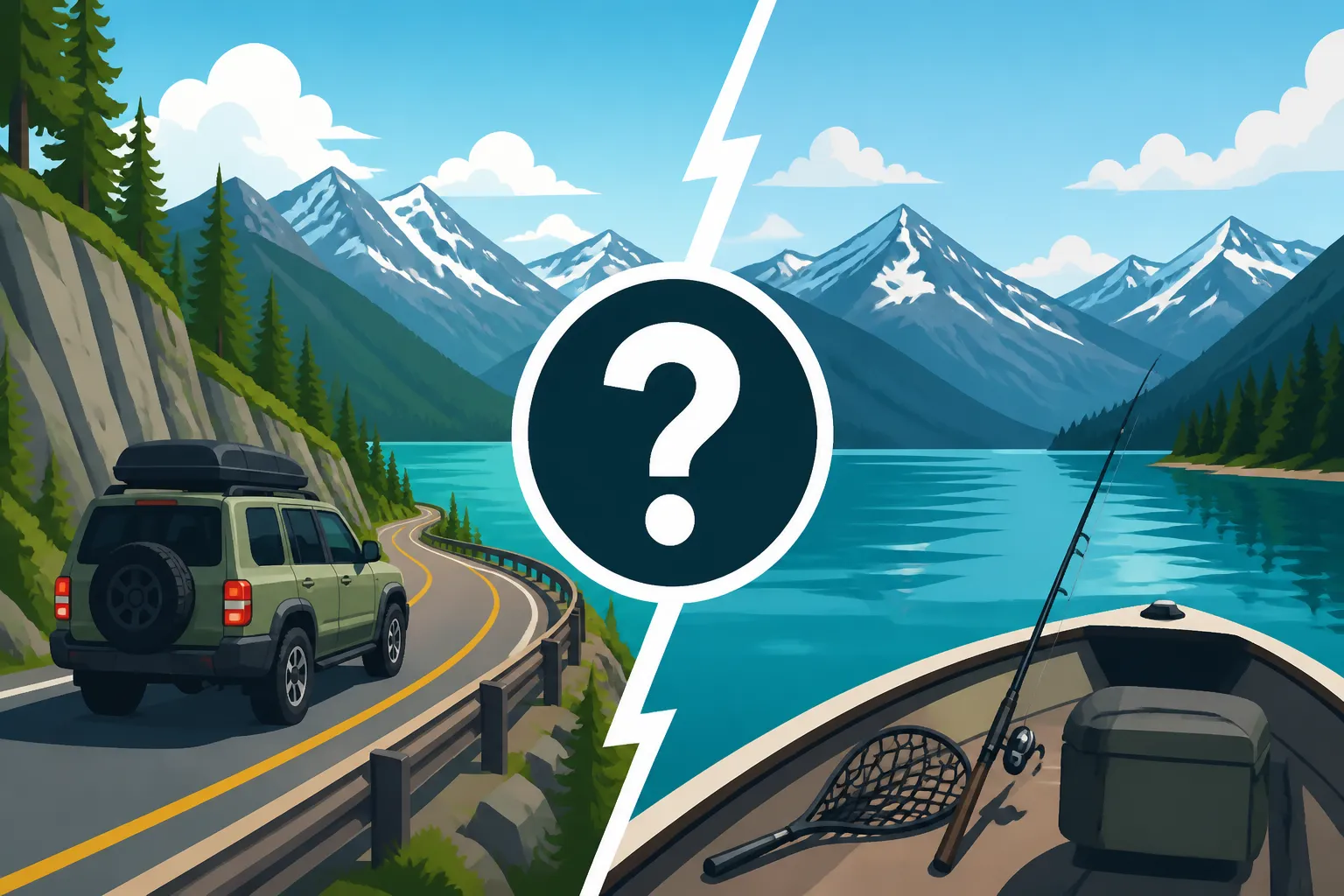
Here's the straightforward truth: you cannot drive your car directly to the shores of Ross Lake from the United States. There isn't a paved road, or even a maintained gravel road, that leads right to a boat launch or a sandy beach on the main body of the lake. This reality often catches first-time visitors off guard, especially if they're used to more easily accessible fishing spots or recreational areas.
The reason for this lack of direct access is multi-faceted. Primarily, it's due to the incredibly rugged and steep topography of the North Cascades. Building and maintaining a road to the lake's edge would be an immense engineering challenge, incredibly costly, and would fundamentally alter the wilderness character that the National Park Service aims to preserve. The focus here is on a wilderness experience, promoting hiking, backpacking, and non-motorized recreation, rather than easy vehicle access. So, while you can drive near the Ross Lake National Recreation Area, getting to the lake itself requires a bit more effort.
How to Actually Reach Ross Lake: A Journey for the Adventurous
Since a direct drive isn't an option, accessing Ross Lake becomes part of the adventure itself. There are a few distinct methods, each offering a different level of immersion into the rugged beauty of the North Cascades. Planning ahead and knowing these routes is crucial, as spontaneous trips to Ross Lake rarely go as smoothly as one might hope.
Accessing Ross Lake via Highway 20 (North Cascades Highway)
The primary gateway to the general vicinity of Ross Lake from the U.S. side is State Route 20, famously known as the North Cascades Highway. This scenic byway cuts through the heart of the national park complex, offering breathtaking views and access to numerous trailheads. However, it's important to understand what "access" means here.
You can drive your vehicle on SR 20 and pull off at various viewpoints, like the popular Ross Lake Overlook, which provides a stunning panoramic vista of the vast reservoir winding through the mountains. From these overlooks, you'll see the lake spread out below you, but you won't be on its shores. To actually get down to the water, you'll need to leave your vehicle and continue your journey on foot or via a specific boat shuttle system. The highway itself offers no direct turn-offs to the lake's edge; instead, it provides parking for trailheads that eventually lead down to the lake. Many visitors find themselves admiring the view and thinking they're "at" Ross Lake, only to realize the real journey to the water has yet to begin.
The Boat Shuttle from Ross Lake Resort
For most anglers and visitors looking to experience Ross Lake without an arduous multi-day backpacking trip, the boat shuttle operated by Ross Lake Resort is the most common and practical solution. This unique transportation system offers a delightful blend of accessibility and adventure.
Here's how it generally works:
- Drive to Diablo Lake: You'll drive along SR 20 to the Colonial Creek Campground area, which is adjacent to Diablo Lake, a smaller, vibrant turquoise lake downstream from Ross Lake.
- Hike to the Ferry Dock: From the Colonial Creek area, you typically hike a short, relatively easy trail down to the Diablo Lake Ferry Dock. This is where the first boat adventure begins.
- Diablo Lake Ferry: You'll then take a shuttle boat across Diablo Lake. This ride itself is scenic, offering views of the surrounding mountains and the striking color of the lake's glacial meltwaters.
- Truck Portage: Upon reaching the far side of Diablo Lake, a waiting truck will transport you and your gear up a gravel road that winds over the Diablo Dam and then continues on a private road to the base of Ross Dam. This part of the journey is often referred to as the "dam road" or portage.
- Ross Lake Shuttle: Finally, at the base of Ross Dam, another small boat will pick you up for the short ride to the floating Ross Lake Resort. From the resort, you can then rent boats, access specific fishing spots, or connect with other parts of the lake.
This entire process needs to be booked in advance with Ross Lake Resort, especially the boat shuttle and truck portage, as they operate on a schedule and have limited capacity. This is a crucial detail for anyone planning to fish these waters. If the logistics sound a bit overwhelming, consider that platforms like FishingBooker can be a great resource for finding guides who specialize in remote Washington waters, and who often handle these complex access arrangements as part of their service. These guides often know the ins and outs of the shuttle system and can make your journey much smoother.
Hiking Trails and Backpacking Routes
For the truly adventurous and self-sufficient, Ross Lake can be accessed entirely on foot via various hiking trails. This is the most immersive way to experience the wilderness, but it requires significant planning, fitness, and proper gear.
Several trailheads originate from Highway 20, leading down to different points on the lake. Popular options include:
- East Bank Trail: This trail can be accessed from the SR 20 corridor near the community of Diablo. It follows the eastern shore of the lake for many miles, offering numerous backcountry campsites along the way. While it grants access to the lake, it often involves significant mileage to reach the more desirable fishing spots or the resort.
- Big Beaver Trail: Also originating from SR 20, this trail follows Big Beaver Creek, eventually leading to the lake. This route is known for its old-growth forests and can be a popular choice for backpackers seeking solitude.
These trails are not for the faint of heart. They often involve long distances, elevation changes, and require wilderness permits for overnight stays. When planning such a trip, consult the National Park Service website for current trail conditions, permit requirements, and safety guidelines. Remember that packing light but efficiently is key, especially if you plan to bring fishing gear. Fly fishing Washington's rivers and lakes, including remote ones like Ross Lake, can be incredibly rewarding, but the gear needs to be appropriate for a hike-in scenario.
Planning Your Ross Lake Adventure: Key Considerations
Embarking on a trip to Ross Lake, whether for fishing, hiking, or simply experiencing the wild, demands careful consideration of several factors. Its remote nature means you can't just show up; preparation is paramount for a safe and enjoyable journey.
Seasonal Access and Road Closures
One of the most critical aspects of planning any trip to Ross Lake is understanding the seasonal nature of its access. The North Cascades Highway (SR 20), which is the lifeline for reaching the lake's general vicinity, closes completely during the winter months due to heavy snow and avalanche danger.
Typically, SR 20 closes sometime in late November or early December and doesn't reopen until late spring, usually in April or May, depending on the snowpack. This means that during these months, vehicular access to the starting points for Ross Lake is impossible. The boat shuttle service to Ross Lake Resort also operates seasonally, generally from mid-June through October, aligning with the highway’s opening and closing dates. If you're hoping to experience Washington Fishing Seasons: A Month-by-Month Guide in this area, you absolutely need to factor in these road closures. Checking the Washington State Department of Transportation (WSDOT) website for current SR 20 status is non-negotiable before you even consider heading out.
Permits, Reservations, and Safety
Because Ross Lake lies within a national recreation area and is surrounded by wilderness, simply showing up without prior arrangements can lead to disappointment.
- Wilderness Permits: If you plan on camping overnight in the backcountry around Ross Lake, you'll need a wilderness permit from the National Park Service. These can be competitive, especially during peak season, and often require advance reservations.
- Ross Lake Resort Reservations: If you intend to stay at the rustic, charming Ross Lake Resort, or utilize their boat shuttle and truck portage service, you must make reservations well in advance. They book up quickly, sometimes a year or more out, especially for prime fishing dates.
- Washington Fishing License: Don't forget your fishing license! Whether you're a resident or a non-resident, a valid Washington Fishing License Guide for Nonresidents is required to fish in Ross Lake. You'll want to review the specific regulations for the lake regarding species like Rainbow Trout Fishing in Washington and Dolly Varden (a type of Bull Trout and Why You Can't Keep Them in many areas, but legal to keep in some specific Washington waters with strict size and bag limits, so always check the current WDFW pamphlet).
- Safety: The North Cascades are beautiful but unforgiving. Always inform someone of your itinerary, pack appropriate gear for rapidly changing mountain weather (rain gear, layers), carry a map and compass or GPS, and bring plenty of food and water. Bear canisters are often required for food storage in the backcountry. For any longer trip, it’s worth reviewing What to Pack for a Washington Fishing Road Trip.
Fishing Opportunities on Ross Lake
Despite the access challenges, Ross Lake offers fantastic fishing opportunities that make the journey worthwhile. The lake is primarily known for its thriving populations of Rainbow Trout and, to a lesser extent, Dolly Varden.
The sheer size of the lake means there's a huge amount of habitat for these fish. Trolling from a boat is a popular method, as is casting from shore in accessible areas. The isolated nature of the lake often means less fishing pressure compared to more easily reached waters, which can translate into better fishing experiences. The water is exceptionally clear, so light tackle and subtle presentations often work best. Many anglers rent small motorboats or kayaks from Ross Lake Resort, or pack in Gear You Need for Washington Float Tube Fishing to explore the numerous bays and inlets. When planning your trip, consider using resources like FishingBooker to connect with experienced local guides who can not only help you navigate the unique access to Ross Lake but also provide expert advice on the best fishing techniques and spots on the lake itself. A guide service can often manage boat rentals and gear, streamlining your experience.
Navigating the rules and regulations is also critical; familiarizing yourself with Washington Fishing Regulations Every Angler Should Know before your trip will ensure you're fishing legally and sustainably. The reward for overcoming the access hurdles is a truly wild and memorable Washington fishing experience in one of the state's most stunning natural settings.
Ross Lake Access Methods Comparison
To help visualize your options, here's a quick comparison of the main ways to access Ross Lake from the U.S. side:
| Access Method | Required Steps (from SR 20) | Pros | Cons | Best For |
|---|---|---|---|---|
| Ross Lake Resort Shuttle | Drive to Diablo Lake -> Hike to ferry dock -> Diablo Lake shuttle -> Truck portage -> Ross Lake shuttle (all booked via resort) | Relatively easy, provides boat access to the lake, unique experience. | Costly, requires advance booking, seasonal operation, fixed schedule. | Anglers, families, those wanting comfortable lake access without extreme effort. |
| Hiking Trails (e.g., East Bank Trail) | Drive to trailhead on SR 20 -> Hike several miles (often 5+ miles) to the lake's shore. | Immersive wilderness experience, no shuttle fees (permit may be required). | Physically demanding, requires backpacking gear, long travel times, limited access points to the main lake. | Backpackers, experienced hikers, those seeking solitude and a true wilderness challenge. |
| Views from Overlooks | Drive to Ross Lake Overlook on SR 20. | Easiest, free, great photo opportunities. | Does not provide physical access to the lake itself. | Sightseers, those passing through, anyone wanting a glimpse without commitment. |
Disclaimer
Please be aware that fishing regulations, road conditions, and access procedures can change frequently. Always consult the official Washington Department of Fish and Wildlife (WDFW) regulations pamphlet, the National Park Service website for the North Cascades National Park Service Complex, and the Washington State Department of Transportation (WSDOT) for current road statuses before planning any trip to Ross Lake or other Washington fishing destinations. This information is for general guidance only.