Ross Lake in Washington for Rainbow Trout and Dolly Varden
Let's be honest, sometimes you just crave an escape from the crowds, the hustle, and the familiar fishing holes. You dream of a place where the air is crisp, the water is pristine, and the fish fight with wild abandon, far from the beaten path. If you've been yearning for that truly remote, awe-inspiring fishing adventure, especially one that promises vibrant rainbow trout and elusive Dolly Varden amidst breathtaking scenery, then Ross Lake in Washington might just be your next obsession. This guide will walk you through everything you need to know to plan an unforgettable trip to this hidden gem in the North Cascades.
Ross Lake's Unique Charm and How to Get There
Ross Lake isn't your average drive-up-and-launch lake. It's a vast, serpentine reservoir nestled deep within the North Cascades National Park, stretching over 23 miles and boasting an incredible 90 miles of shoreline. Its remoteness is both its challenge and its greatest appeal, offering an unparalleled wilderness experience for those willing to make the journey.
The Remote Allure of Ross Lake
Imagine steep, forested slopes plunging directly into emerald-green waters, with jagged, snow-capped peaks forming a dramatic backdrop. That's Ross Lake. It's an environment that feels ancient and untouched, a place where the eagles soar overhead and the only sounds are the lapping of water and the whisper of the wind through the pines. This isn't just a fishing trip; it's an immersion into one of Washington's most spectacular wilderness areas. The lake's deep, cold waters provide an ideal habitat for its resident fish, and the sheer scale of the place means you can often find yourself fishing in complete solitude, a rarity in today's crowded world. The wildness here contributes directly to the vigor of the fish; these aren't your typical hatchery stockers, though some are. They're strong, healthy fish accustomed to a pristine environment.
Navigating the Journey: Access and Permits
Getting to Ross Lake is an adventure in itself. There's no direct road access to the main body of the lake from the U.S. side. Your primary access point is typically via the North Cascades Highway (Highway 20), turning off at Ross Lake Resort Road near milepost 134. From there, you'll hike a steep mile-long trail down to the lake where a shuttle boat (operated by Ross Lake Resort) can take you to the resort or to your private boat. Alternatively, you can put in your own boat at the public launch at Colonial Creek Campground on Diablo Lake, then portage it across the short land bridge between Diablo and Ross Lake. This portage is a unique experience where a truck literally drives your boat up and over a hill.
For those coming from the Canadian side, there's the option to drive to the end of Silver Skagit Road in British Columbia, then hike or launch a boat into the upper reaches of the lake. Remember, because much of Ross Lake lies within a national park, specific regulations apply not only to fishing but also to camping, boating, and even fire restrictions. Always check the National Park Service website for the most current rules and any required permits, especially if you plan to camp in the backcountry. Also, ensure you're familiar with general Washington Fishing Regulations Every Angler Should Know before heading out.
Understanding Ross Lake's Premier Fish Species
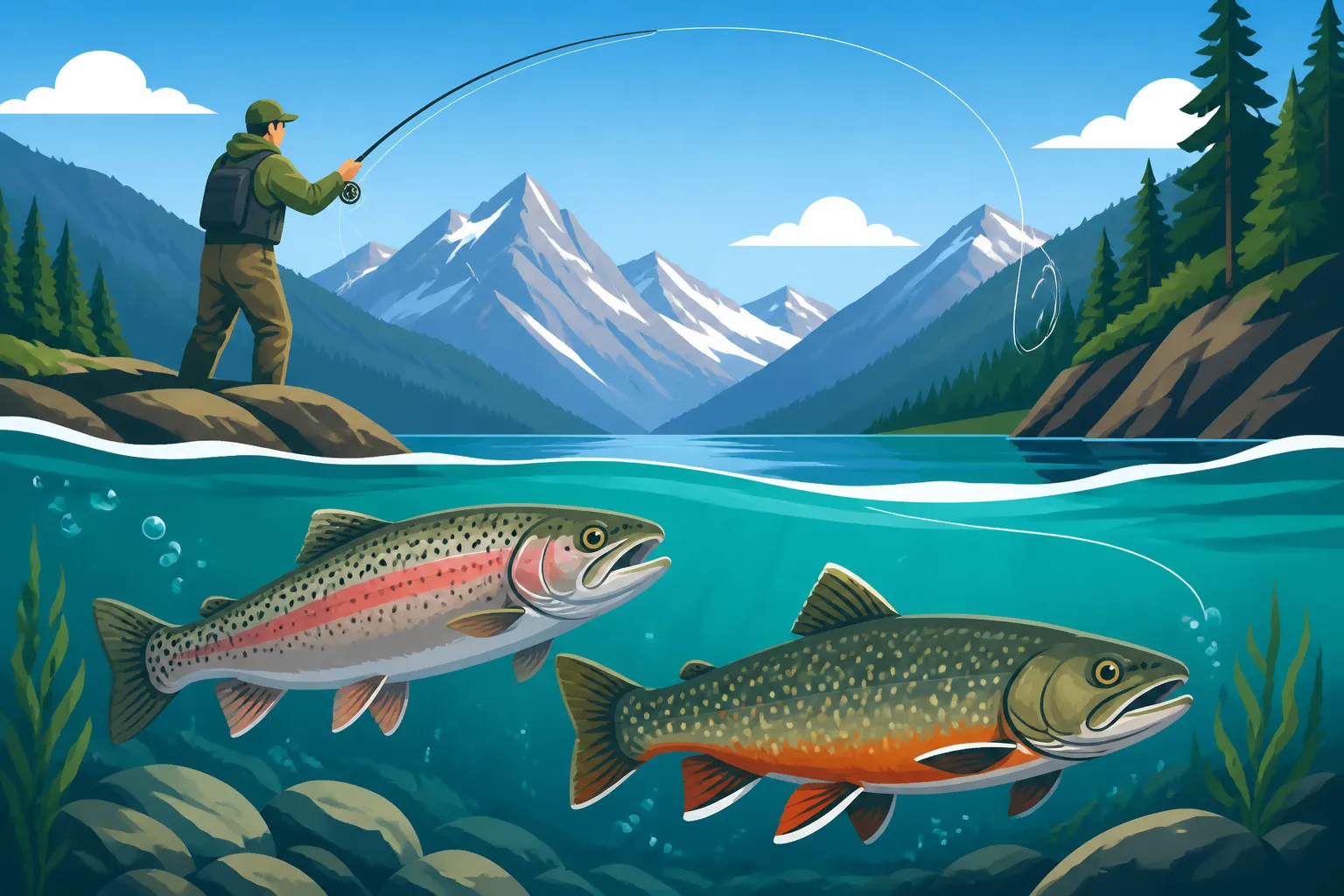
Ross Lake is primarily known for its vibrant populations of Rainbow Trout and, to a lesser extent, the elusive Dolly Varden. Understanding the habits and regulations surrounding these species is key to a successful and responsible fishing trip.
The Vibrant Rainbow Trout Fishery
The Rainbow Trout in Ross Lake are something special. While the lake does receive some supplemental stocking, many of the rainbows are wild or naturally reproducing, making for a feisty fight. They typically range from 12 to 20 inches, but don't be surprised to hook into some considerably larger fish, especially early in the season or during insect hatches. These trout thrive in the cold, clear, nutrient-rich waters of the lake. They tend to cruise the cooler, deeper sections of the lake during the heat of summer, but can be found closer to the surface, around inlets, and along rocky points during spring and fall. Look for them feeding on insects near the surface in the mornings and evenings, or patrolling drop-offs and submerged structures during the day. Their diet consists of everything from aquatic insects and small baitfish to zooplankton, making them responsive to a variety of presentations.
Chasing the Elusive Dolly Varden
Dolly Varden are native char, often confused with Bull Trout, and they are a highly prized catch for their beauty and fighting spirit. In Ross Lake, Dolly Varden are generally found in deeper, colder water, often near the mouths of tributary streams, especially when salmon or other baitfish are spawning. They are predators, feeding on smaller fish, sculpins, and large aquatic insects. Identifying them correctly is crucial, as their regulations can differ significantly from Rainbow Trout. Dolly Varden typically have pale spots on a dark body, a squared tail, and no black spots on their fins, unlike Rainbows. They are also typically more robust and powerful. Catching a Dolly Varden in Ross Lake is a true testament to an angler's skill and patience. These fish are known to be particularly cunning and require a nuanced approach.
A Word on Bull Trout and Responsible Angling
It's absolutely vital to be able to distinguish between Dolly Varden and Bull Trout in Washington, especially in areas like Ross Lake. While Dolly Varden can be legally retained under specific regulations, Bull Trout are a federally protected species and must be released unharmed immediately. Misidentification can lead to severe penalties. Bull Trout typically have an elongated, slender body, a large head, and very small, light spots on a darker background. Their spots are usually yellowish, orange, or reddish, and they lack the black spots that Rainbow Trout have. If you're ever in doubt, treat the fish as a Bull Trout and release it carefully. This commitment to conservation is part of being a responsible angler in Washington. You can learn more about why Bull Trout and Why You Can't Keep Them are protected, and understanding these rules is paramount. Always check the specific rules for Ross Lake in the current WDFW regulations pamphlet before your trip, as emergency rule changes are not uncommon.
Essential Techniques for Success on Ross Lake
Given Ross Lake's size, depth, and unique geography, a variety of techniques can prove successful. Adapting your approach to the conditions and the target species will greatly increase your chances of a memorable catch.
Trolling and Still-Fishing Strategies
Trolling is arguably the most popular and effective method for covering water and locating active fish on Ross Lake, especially for Rainbow Trout. Small spoons, like those from Gibbs-Delta or Dick Nite, in silver, brass, or various colored patterns, are excellent choices. Wedding Rings with a piece of worm, or small hoochies tipped with a bit of bait, can also be deadly. For depths, start by trying 15-30 feet in the mornings and evenings, and moving deeper, perhaps 40-60 feet or even more, during brighter midday hours or in warmer summer months. Pay attention to fish finder readings for bait balls or temperature breaks. Using a downrigger or weighted lines will help you get your presentation into the strike zone consistently.
Still-fishing can also be effective, particularly near tributary mouths, drop-offs, or around floating structures if you can anchor safely. A simple worm or powerbait rig suspended under a bobber or on the bottom can entice both Rainbows and Dolly Varden, though Dolly Varden often prefer larger bait like minnows or cut bait if allowed by regulations (always check first!). The key with still-fishing is patience and finding those hidden pockets where fish might be holding.
Fly Fishing the Tributaries and Inlets
For the fly fishing enthusiast, Ross Lake offers some fantastic opportunities, especially in its numerous inlets and tributary streams that feed into the main lake. These areas, particularly during spring and fall, can see active feeding by Rainbow Trout and even the occasional Dolly Varden. Target areas where streams enter the lake, as these bring in food and create current breaks. Dry flies mimicking mayflies, caddis, and stoneflies can be effective during hatches, while nymphs and streamers are excellent subsurface choices. Woolly Buggers, sculpins, and leech patterns are good bets for Dolly Varden, especially if you can find them near the mouths of streams. Wading in these areas requires caution due to slippery rocks and varying depths. For those looking to expand their skills, consider exploring Fly Fishing Washington's Rivers and Lakes on another trip to hone your techniques before tackling Ross Lake's wilderness.
Shore and Kayak Fishing Opportunities
While Ross Lake is largely a boat-oriented fishery due to its steep shoreline, there are limited opportunities for shore fishing, primarily around the Ross Lake Resort area or specific designated campsites accessed by trail. A float tube or kayak can dramatically expand your access and is often a preferred method for many anglers who want a more intimate experience without the complexities of a larger boat. With a float tube or kayak, you can quietly patrol the shoreline, cast to visible rises, or slowly troll small lures. Remember, safety is paramount on such a large, deep lake. Always wear a PFD, carry appropriate safety gear, and be aware of weather changes, which can happen rapidly in the mountains. If you're considering a float tube, be sure to check out what Gear You Need for Washington Float Tube Fishing.
Planning Your Ross Lake Fishing Adventure
A trip to Ross Lake requires careful planning due to its remote location and unique access. It's not a spur-of-the-moment destination, but the rewards are well worth the effort.
Best Seasons and Weather Considerations
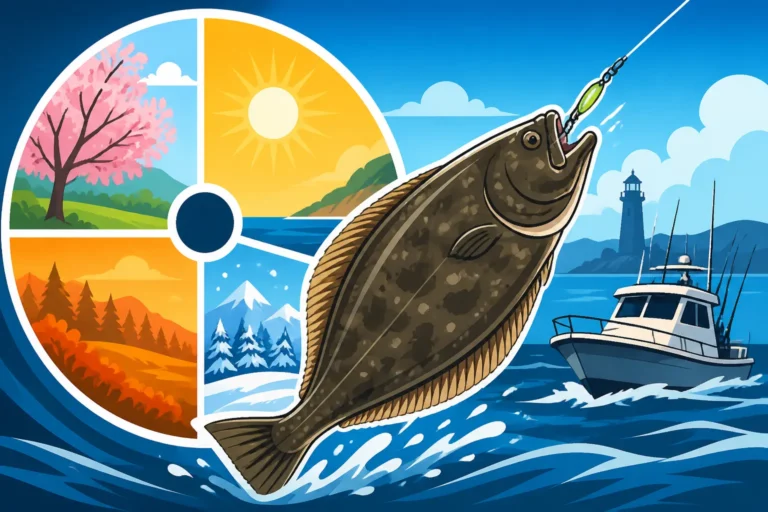
The fishing season on Ross Lake generally runs from late spring through early fall, aligning with the opening of the North Cascades Highway.
- Spring (May-June): As the snow melts and the water warms slightly, Rainbow Trout become very active, feeding heavily near the surface and along shorelines. This is often an excellent time for both trolling and fly fishing.
- Summer (July-August): While popular for recreation, the heat can push fish deeper during the day. Early mornings and late evenings offer the best surface action. The high country hiking is prime, making it a great time for a combined fishing and backpacking trip.
- Fall (September-October): This is arguably the prime fishing season. The weather cools, fish move shallower to feed, and the crowds thin out. The vibrant fall colors add to the spectacular scenery.
Mountain weather is notoriously unpredictable. Always check forecasts immediately before and during your trip. Be prepared for sudden changes, including rain, wind, and even snow, even in summer. Strong winds can whip up quickly, making boating hazardous on such a large body of water, so prioritize safety.
Lodging, Camping, and Remote Cabins
Ross Lake's lodging options are as unique as the lake itself. The most iconic is the Ross Lake Resort, a collection of floating cabins accessible only by boat or a combination of driving, hiking, and shuttle boat. Staying here offers unparalleled access and convenience to the fishing, often with boat rentals available. It’s an unforgettable experience, but books up far in advance.
For the more adventurous, backcountry camping is available at numerous boat-in sites around the lake. These require permits from the National Park Service, which also need to be reserved well in advance, especially during peak season. These sites offer true solitude and a chance to wake up to the lake at your doorstep. If you plan to camp, remember the principles of Leave No Trace to preserve this pristine environment. There are also developed campgrounds like Colonial Creek Campground on adjacent Diablo Lake, offering a more traditional camping experience with amenities, though you'll still need to arrange boat transport to Ross Lake.
Essential Gear and Supplies
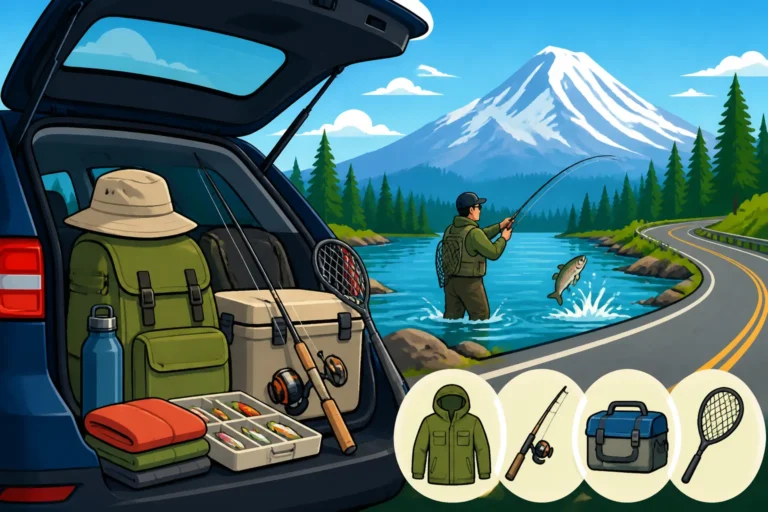
Given the remoteness, being self-sufficient is key. Here's a quick rundown of what you'll need:
- Fishing License: Make sure you have a valid Washington freshwater fishing license. You can find out more about purchasing options by looking into Where and How to Buy a Washington Fishing License.
- Rods and Reels: A medium-light spinning rod (6-7.5 ft) with 6-10 lb test is versatile for trolling, casting lures, or bait fishing. Fly rods in the 5-7 weight range are suitable for tributaries.
- Tackle: A good selection of spoons (Krocodiles, Dick Nites), spinners (Rooster Tails, Panther Martins), small plugs (Rapalas, Flatfish), and a variety of flies (nymphs, streamers, dry flies). Don't forget swivels, leader material (fluorocarbon is great for clear water), and extra line.
- Bait: PowerBait, worms, or cured eggs can be effective if regulations allow. Always verify bait restrictions.
- Boating Gear: If bringing your own boat, ensure it's in top condition. PFDs for everyone, oars/paddles, anchor, ropes, bailer, and a whistle are mandatory. Consider renting a boat from Ross Lake Resort if you don't have one capable of the portage.
- Navigation: A good map of Ross Lake (USGS topographical maps are excellent) and a GPS device or reliable phone app are crucial. Cell service is unreliable or nonexistent.
- Safety Gear: First-aid kit, bear spray (this is bear country!), emergency shelter, fire starter, headlamp, and plenty of extra food and water.
- Clothing: Layered clothing for varying temperatures, rain gear, sun hat, and polarized sunglasses are essential.
- Cooler: For keeping your catch fresh, and of course, your drinks and snacks cold!
- Catch Record Card: If targeting salmon or steelhead (which aren't common targets here but good to know for other Washington trips), you'll need a When a Catch Record Card Is Required in Washington. Always fill it out correctly when required.
While Ross Lake offers an unparalleled DIY experience, if you're looking to explore other Washington fisheries where a guided trip might be more beneficial for learning techniques or accessing specific areas, resources like FishingBooker can help you find and compare guided trips across the state, from Puget Sound salmon to Columbia River steelhead. It's a great tool for broadening your fishing horizons beyond such remote, self-guided adventures.
Navigating Regulations and Conservation Efforts
Fishing on Ross Lake comes with specific rules, many of which are designed to protect its unique ecosystem and native fish populations. Being informed and practicing responsible angling is part of the experience.
Specific Ross Lake Rules and Daily Limits
Because Ross Lake is within the boundaries of the North Cascades National Park, the Washington Department of Fish and Wildlife (WDFW) regulations apply, but they can be supplemented by park-specific rules. Generally, for Rainbow Trout, you can expect a daily limit similar to other high-country lakes, often around 5 fish with a minimum size limit. For Dolly Varden, regulations are typically more restrictive, often a limit of 1-2 fish, and sometimes with slot limits or specific seasons. Crucially, Bull Trout are always catch-and-release only and must not be removed from the water. It's not enough to just check the general WDFW pamphlet; always look for the specific entry for Ross Lake within the North Cascades National Park section of the regulations, available online or at local tackle shops. Understanding these specifics helps maintain the health of the fishery and avoids accidental violations.
The Importance of Catch and Release for Native Species
While you can keep some Rainbow Trout for the pan (and they are delicious!), practicing catch and release for native species, especially Dolly Varden and definitely for Bull Trout, is vital for the long-term health of the fishery. These fish are slower growing and less prolific than stocked trout, making them more vulnerable to overfishing. When you do catch a fish you intend to release, handle it gently with wet hands, keep it in the water as much as possible, and use barbless hooks to minimize harm. This is not just a suggestion; it's a core principle of ethical angling, particularly in wilderness areas. This approach contributes directly to the conservation efforts, ensuring that future generations can enjoy the same incredible fishing experiences. If you're passionate about preserving these fisheries, delve deeper into topics like Wild Steelhead Release Rules on Washington's Olympic Peninsula Rivers to see how these principles apply to other sensitive fisheries.
Protecting the Wilderness: Leave No Trace Principles
Fishing Ross Lake is more than just about catching fish; it's about experiencing and protecting a truly wild place. Adhering to Leave No Trace principles is non-negotiable.
- Plan Ahead and Prepare: Know the regulations, pack appropriate gear, and understand the area's challenges.
- Travel and Camp on Durable Surfaces: Stick to established trails and campsites.
- Dispose of Waste Properly: Pack out everything you pack in, including all trash, food scraps, and fishing line. Consider packing out a little extra if you find it.
- Leave What You Find: Do not disturb cultural or natural features.
- Minimize Campfire Impacts: Use established fire rings where fires are permitted and keep fires small. Better yet, use a stove.
- Respect Wildlife: Observe from a distance and never feed animals. Store food securely to prevent animal encounters.
- Be Considerate of Other Visitors: Maintain a respectful distance and keep noise levels down.
By following these guidelines, you ensure that Ross Lake remains the pristine, breathtaking wilderness sanctuary that makes it such a special fishing destination.
Disclaimer
The information provided in this guide is for general informational purposes only and is not intended as legal advice regarding fishing regulations. Washington fishing regulations are subject to change without notice, including emergency closures and rule modifications. It is the angler's sole responsibility to consult the most current Washington Department of Fish and Wildlife (WDFW) regulations pamphlet and any specific North Cascades National Park rules before engaging in any fishing activity. Failure to do so may result in fines or penalties.