Is Sekiu, Washington a Good Base for Salmon Fishing?
If you've ever dreamt of heading out into the pristine waters of the Strait of Juan de Fuca, chasing chrome-bright salmon with the Olympic Mountains as your backdrop, then you've likely wondered about Sekiu. Many anglers feel overwhelmed trying to pinpoint the perfect launchpad for a Washington salmon adventure, questioning if a smaller, more remote town can truly deliver. This comprehensive guide will break down why Sekiu, Washington, is not just a good base for salmon fishing, but a fantastic one, offering a unique blend of accessibility, abundant fish, and the rugged charm of the Olympic Peninsula.
Sekiu's Strategic Location for Salmon Fishing Success
Sekiu sits at a truly unique vantage point on the Olympic Peninsula, right on the Strait of Juan de Fuca. This isn't just a pretty view; it's a strategic advantage for salmon anglers that's hard to beat. The town acts as a gateway to some of the most productive salmon fishing grounds in Washington, offering a more sheltered experience compared to the open ocean, yet still providing access to powerful currents that draw in migratory salmon.
Protected Waters and Proximity to Prime Fishing Grounds
One of the biggest frustrations for saltwater anglers is dealing with unpredictable ocean conditions. While the Strait can certainly get choppy, Sekiu's location often offers more protection than heading out into the Pacific from ports like Westport or Ilwaco. You're nestled against the northern edge of the Olympic Peninsula, providing some natural shelter from southerly and westerly winds. This means more fishable days, which is a huge bonus when you've traveled a long way for your trip.
From Sekiu, you’re just a short run to several renowned salmon hotspots. Areas like Slip Point, Pillar Point, and the various reefs and ledges that line the Strait are classic Chinook and Coho salmon haunts. These aren't far-flung destinations; many productive spots are within a 15-to-30-minute boat ride, meaning less fuel burned and more time with lines in the water. The strong tidal flows through the Strait concentrate baitfish, which in turn attracts hungry salmon pushing their way towards rivers or feeding voraciously before their spawning migrations. This makes for consistent opportunities, especially during peak seasons when large schools of salmon migrate through.
Gateway to Diverse Angling Experiences
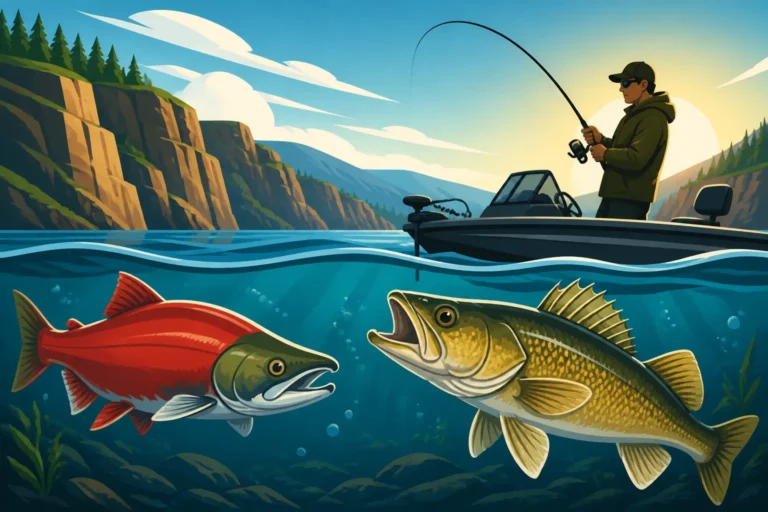
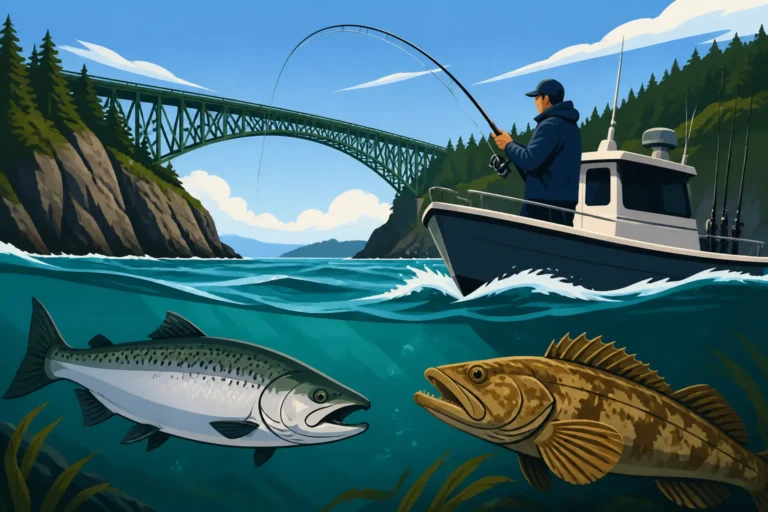
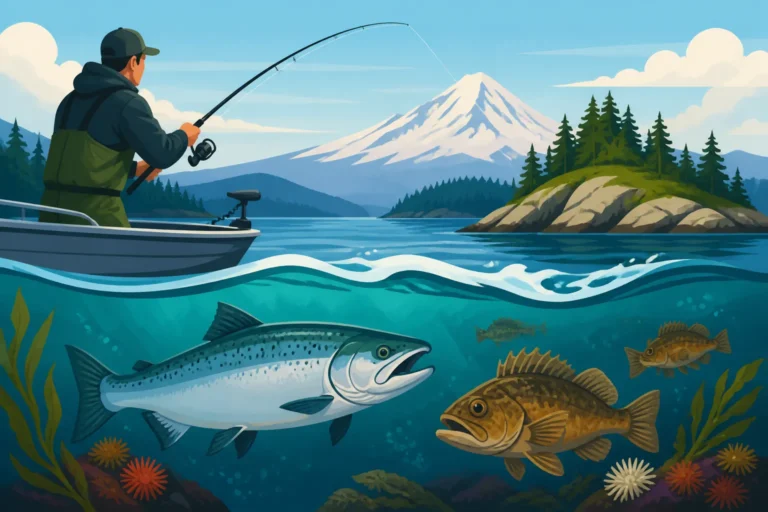
Beyond the immediate salmon action, Sekiu's location makes it an excellent jumping-off point for a more diverse angling vacation. While salmon are often the main draw, the deeper waters of the Strait also hold good populations of bottomfish like lingcod and various rockfish species. You might find yourself jigging for these toothy predators if the salmon bite slows, adding another layer of excitement to your trip.
Furthermore, being on the Olympic Peninsula means you're close to some of Washington's most legendary rivers, particularly for steelhead. If you're planning a multi-species trip or extending your stay, you could transition from saltwater salmon fishing to freshwater pursuits on rivers like the Elwha, Sol Duc, or Hoh, though checking specific regulations and seasons for these rivers is always crucial. This flexibility makes Sekiu an attractive base for anglers who love variety and want to experience different facets of Washington's rich fishing landscape.
What Salmon Species You Can Target in Sekiu
When you plan a trip to Sekiu for salmon, you're primarily going after Chinook (King) and Coho (Silver) salmon, with occasional opportunities for Pink (Humpy) salmon on odd-numbered years. Each species offers a unique challenge and experience, and knowing when they typically run is key to maximizing your success.
Chinook Salmon: The Prized Kings
Chinook salmon, often referred to as "Kings" due to their impressive size and fighting power, are the prime target for many anglers in Sekiu. These fish are known for their powerful runs and deep dives, testing even the most seasoned angler's tackle and skill. In the Sekiu area, you'll encounter both transient feeders and fish on their way to local river systems.
Historically, the best time to target Chinook in Sekiu often starts picking up in late spring, around May and June, and continues through the summer, peaking in July and August. These early summer fish, often called "blackmouth" if they are resident Puget Sound Chinook, are typically vibrant and feisty. As the season progresses into late summer, you'll start seeing larger, mature fish that are staging for their spawning runs, often headed for the mighty Columbia River or other tributaries. Trolling with bait like herring or anchovies, or large spoons and artificial baits, is a popular and effective method here. If you're curious about specific timing, our guide on "Best Time to Fish for Chinook in Washington's Puget Sound" offers more insights into regional patterns.
Coho Salmon: Agile and Abundant
Coho salmon are another staple of the Sekiu fishing scene. While generally smaller than Chinook, they are incredibly acrobatic and put on an impressive aerial display once hooked. Their aggressive nature and willingness to strike make them a fantastic target, especially for those looking for consistent action.
Coho typically begin to show up in good numbers in the Sekiu area from late July and truly hit their stride in August and September. These fish often feed voraciously in the Strait before moving into their natal rivers. The early part of the Coho season can see "feeder" Coho, which are smaller but incredibly aggressive. As September rolls around, you'll find larger, mature Coho on the cusp of their spawning journey. Light tackle and fast trolling speeds with smaller spoons, hoochies, or cut-plug herring can be incredibly effective for these agile fish. For more details on catching these silver bullets, check out our article "Coho Salmon Fishing in Washington".
Pink Salmon: The Odd-Year Bonus
Every odd-numbered year (e.g., 2023, 2025), the Strait of Juan de Fuca experiences massive runs of Pink salmon. These smaller, but incredibly numerous, salmon arrive in late summer, typically August and September. While they don't offer the size of Chinook, they provide non-stop action and are a great option for families or beginner anglers due to their sheer abundance and willingness to bite. They are also delicious when fresh. Pink salmon are typically caught by trolling small pink hoochies or spoons, or by casting bright pink jigs from shore or boat.
Disclaimer
This article is for general informational purposes only and does not constitute professional advice. Laws, prices and regulations vary by location and change over time. Consult a qualified professional for guidance on your specific situation.