Is Pine Lake Good for Kids Fishing?
Many parents dream of introducing their kids to the joys of fishing but often struggle to find a spot that’s genuinely kid-friendly – accessible, safe, and most importantly, offers a good chance of actually catching something. It's frustrating to drive all that way, only for the kids to get bored or disheartened because the fish aren't biting. This guide is dedicated to exploring why Pine Lake, located in Issaquah, Washington, stands out as an exceptional destination for families looking to create those precious fishing memories with their little ones. We'll dive deep into everything you need to know to plan a successful and fun outing.
Why Pine Lake Shines for Young Anglers
Pine Lake consistently ranks high on lists of family-friendly fishing destinations in Washington, and for good reason. Its combination of accessibility, abundant fish, and surrounding amenities makes it an ideal spot to introduce children to the angling world.
Accessibility and Safety Features
Pine Lake is known for its incredible ease of access. You don't need a boat, though kayaks and paddleboards are common and can add another layer of fun to your day. The shoreline is largely developed with public access points, including a fantastic fishing pier that's perfectly suited for kids. There's no scrambling over slippery rocks or hiking through dense, thorny brush, which is a huge relief when you're managing small children, multiple fishing rods, and a cooler full of snacks. The easy access means less stress for parents and more time actually fishing.
The lake’s calm waters are generally safe for young anglers. Being a relatively small lake, encompassing around 100 acres, it's not subject to the same unpredictable currents or massive boat traffic you'd find on much larger bodies of water like Lake Washington. This makes it a much less intimidating environment for kids to learn basic casting and reeling techniques, without the constant worry of strong wakes from passing boats or crowded conditions. The relatively clear water often allows kids to visually spot fish swimming near the pier or shoreline, which builds an immense amount of excitement and anticipation even before they get a bite. This visual confirmation can be a powerful motivator for young, impatient anglers.
The surrounding area, known as Pine Lake Park, offers ample parking, clean restroom facilities, and well-maintained paved paths. This robust infrastructure significantly reduces the overall stress of a family outing. You’ll often find many other families enjoying the park, creating a welcoming, community-oriented atmosphere where kids can truly focus on the pure fun of fishing in a secure and supportive setting. It’s a place designed to make outdoor recreation enjoyable for everyone.
Stocking Programs and Catch Rates
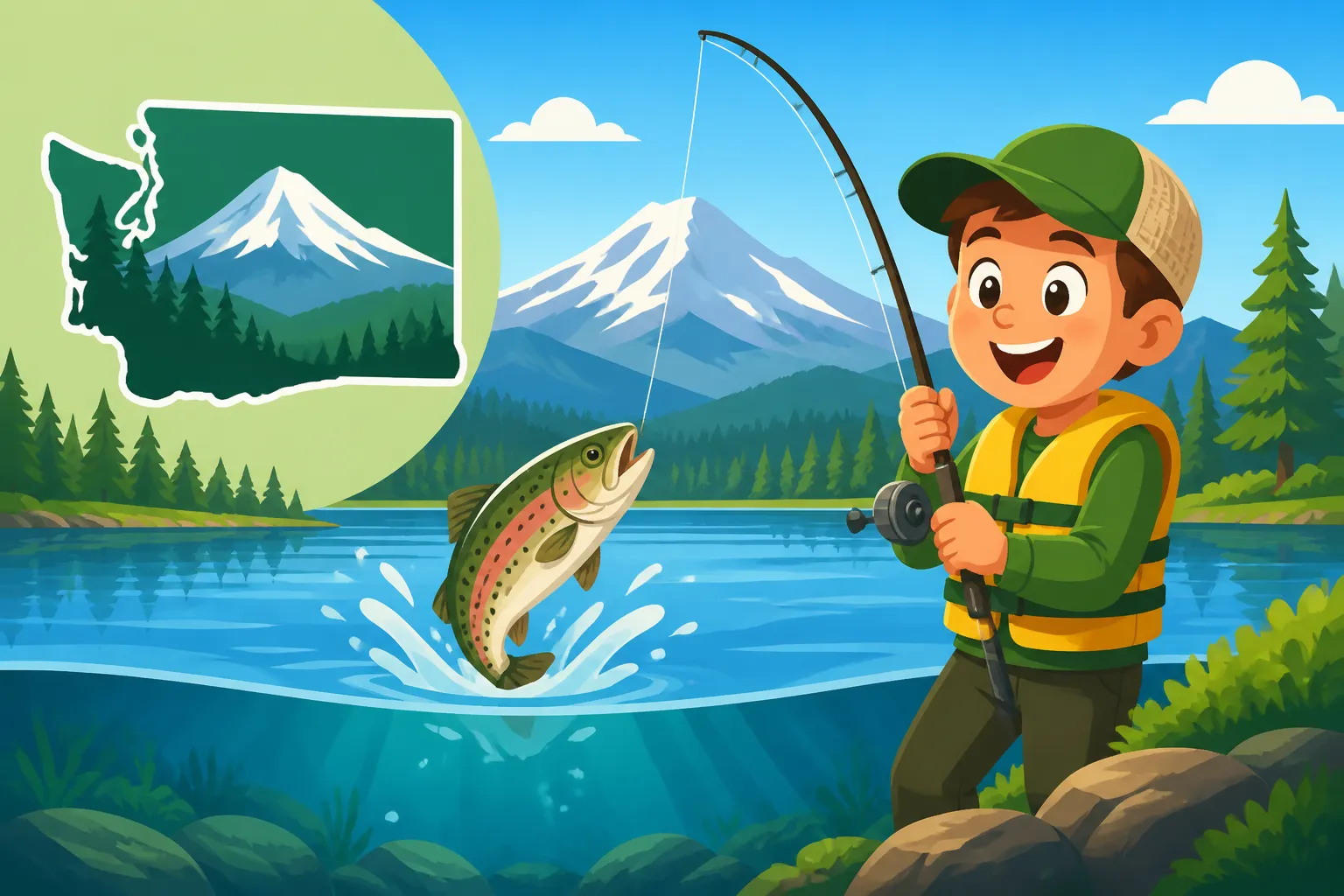
One of the biggest reasons Pine Lake is so consistently good for kids is the proactive stocking program managed by the Washington Department of Fish and Wildlife (WDFW). Pine Lake receives regular plants of catchable-sized rainbow trout, especially in the spring and fall months. These hatchery-raised trout are typically quite eager to bite, which dramatically increases the chances of a child getting a fish on the line quickly. Let's be honest, for kids, consistent action and the thrill of a tug on the line are absolutely key to maintaining their interest and fostering a lifelong love for fishing.
Beyond the plentiful rainbow trout, the lake also supports healthy populations of warmwater species such as largemouth bass, yellow perch, and various panfish like bluegill. While the trout are generally the main draw due to their ease of catching, this diversity means that if the trout aren't cooperating on a particular day, there's a good chance you might hook into something else. This variety adds an element of surprise and excitement for young anglers, giving them a taste of different types of fish and fishing experiences.
The high catch rates are a true game-changer for successfully introducing newcomers to the sport. Nothing turns a kid off fishing faster than hours of staring at a bobber with absolutely no results. At Pine Lake, particularly during peak stocking periods and favorable weather, it’s not at all uncommon to see children reeling in trout within minutes of casting their lines. This almost immediate gratification is incredibly effective in building a child's confidence, fostering a genuine love for the sport, and making them eagerly anticipate their next fishing adventure.
Family-Friendly Amenities
Pine Lake Park isn't just a great fishing spot; it's a comprehensive family destination designed for a full day of fun. In addition to the accessible fishing pier and extensive shoreline access, the park boasts a fantastic playground, numerous picnic areas with tables, and expansive open grassy spaces. These areas are perfect for letting kids burn off excess energy before or after a fishing session. Imagine a successful morning of catching trout, followed by a relaxed afternoon picnic and playtime on the swings or slides – it truly is the perfect combination for a memorable family outing.
The presence of modern amenities like flush toilets and easily accessible potable water makes a huge difference, especially for families with younger children who might have more frequent needs. You don't have to worry about primitive or inconvenient facilities, which can often be a deal-breaker for a comfortable family trip. These basic comforts allow families to extend their stay and fully enjoy their time without unnecessary hassles, making the experience more enjoyable for everyone involved.
During the warmer summer months, the lake also offers additional opportunities for recreational activities. Designated swimming beach areas provide a safe place to cool off, and the calm waters are perfect for various paddle sports such as kayaking or stand-up paddleboarding. So, if fishing isn't holding their attention for the entire day, there are plenty of other aquatic activities to pivot to, ensuring that every member of the family has a great time and leaves with positive memories. This holistic approach truly makes Pine Lake an outstanding location for a family day trip.
Essential Gear and Simple Techniques for Kids at Pine Lake
Successfully engaging kids in fishing starts with having the right, easy-to-use gear and understanding simple, effective techniques. Pine Lake is forgiving, making it the perfect place to learn these basics.
The Right Rod and Reel for Little Hands
When it comes to outfitting a young angler, simplicity, durability, and ease of use are paramount. Forget the complicated, expensive, or highly technical gear you might use for yourself. A basic spincast rod and reel combo, often affectionately called a "push-button" reel, is by far the ideal choice. These combos are incredibly easy for children to learn to operate, significantly minimizing frustrating tangles and maximizing their casting success. Look for a rod in the 4-foot to 5-foot range; anything much longer can quickly become cumbersome and unwieldy for smaller arms to manage effectively. Reliable brands like Shakespeare (often found in their "Ugly Stik GX2 Youth" combos) or Zebco offer excellent, affordable options that are specifically designed with children in mind, built to withstand the inevitable bumps and drops of a beginner.
It’s crucial to ensure that the reel comes pre-spooled with a good quality 6 to 8-pound monofilament line. This line weight is perfectly versatile enough for the common trout and panfish found in Pine Lake. It’s also strong enough to withstand a few accidental snags on underwater debris or shoreline vegetation, and it's generally easy for small hands to handle and untangle if a minor mess occurs. Teaching a child how to properly hold the rod, press the release button for casting, bring the rod tip back, and then smoothly sweep it forward while releasing the button at the correct moment is a fundamental skill that these user-friendly combos make much easier to master.
Don't underestimate the importance of a comfortable grip. Many kid-specific rods feature smaller diameter handles or ergonomic foam grips that are much easier for small hands to hold securely. A shorter rod also inherently prevents too much leverage, which can quickly turn a fun fishing trip into a frustrating wrestling match with the gear itself, rather than an enjoyable experience with the fish. This careful focus on providing appropriate and comfortable gear is absolutely crucial for building a child’s confidence, fostering their enjoyment, and ensuring they have a positive first impression of fishing.
Best Baits and Lures for Pine Lake Trout
For Pine Lake's heavily stocked trout, bait fishing is almost universally the most effective and simplest method, making it perfect for kids. PowerBait, particularly in vibrant, eye-catching colors like chartreuse, rainbow, or bright orange, is a consistent and undeniable winner. You can easily mold a small pea-sized amount of PowerBait onto a small treble hook (which helps it stay on) or an egg-style hook, ensuring just enough bait to hide the hook. The strong scent and the vibrant, highly visible colors are often irresistible to hungry, hatchery-raised trout, triggering immediate strikes.
Worms, especially sections of nightcrawlers, are another classic and highly effective bait choice. They are natural, readily available at almost any bait shop or even in your garden, and virtually every fish species in the lake will at least investigate a wiggling worm. For kids, you can simply hook a small piece of a worm onto a single hook, or if you're feeling adventurous and targeting slightly larger fish, thread a whole worm on. The visual appeal of a live, wiggling worm on the hook often fascinates children and adds an extra layer of engagement to the entire fishing experience.
If your child is a bit older and showing more coordination or curiosity, small spinners like a Rooster Tail or Panther Martin (in the 1/16 to 1/8 ounce size range) can be productive. These can be cast from the shoreline or the pier and retrieved slowly. While lures require a bit more coordination and active technique than passive bait fishing, for a child demonstrating genuine interest, successfully catching a fish on a lure can be incredibly rewarding. However, for sheer catch rate and maximum ease for younger children, sticking with PowerBait or worms will yield the best results and keep their spirits high. For specifics on "lure size and color", remember that small, brightly colored options are usually best.
Easy Setups and Casting Tips
The classic bobber-and-bait setup is absolutely king for kids fishing at Pine Lake. It's incredibly simple to rig, highly visual, and remarkably effective. To set this up, you'll need a small bobber (clip-on plastic models are the easiest for quick adjustments), a few small split shot weights to help your bait sink, and a size 8 or 10 baitholder hook. Begin by attaching the bobber to your line about 18 to 36 inches above your hook, depending on the depth you want to fish. Next, add just enough split shot weights to your line, a few inches above the hook, to make the bobber sit upright in the water without sinking completely. Finally, bait your hook. The best part? When a fish bites, the bobber sinking or moving steadily sideways provides a clear, exciting signal that it's time to reel!
Teaching casting doesn't have to be a complicated or frustrating endeavor. Start in an open area away from any potential obstacles or other people. Demonstrate to them how to hold the rod, press and hold the button on their spincast reel, bring the rod tip back smoothly to approximately the 10 o'clock position (imagining the face of a clock), and then sweep it forward to the 1 o'clock position, releasing the button as the rod comes forward. Emphasize a "smooth" motion rather than a forceful, jerky one. Practice a few times without any bait or a sharp hook, perhaps using a small practice plug or just the weights, until they start to get the hang of the motion and timing.
Once they're comfortable with casting, encourage them to watch their bobber intently. This is where a bit of patience comes into play, but with Pine Lake's consistent stocking, that patience usually pays off fairly quickly. Remind them to wait until the bobber goes fully under the water, or moves steadily sideways for a few seconds, before giving a gentle tug to set the hook and then reeling steadily. The sheer excitement of that very first tug from a fish is truly unmatched and creates a lasting memory, and a simple bobber setup makes it all possible.
Navigating Pine Lake's Rules and Regulations for Families
Understanding the local fishing rules can sometimes feel daunting, but it's essential for a responsible and legal family outing. For Pine Lake, the regulations are generally straightforward, especially for kids, but a quick check beforehand is always wise.
Licensing for Kids and Adults
Understanding fishing licenses is one of the most common initial stumbling blocks for new anglers and families, but for kids in Washington, it's actually quite simple. The really good news is that generally, kids under the age of 15 do not need a freshwater fishing license to fish in Washington state. This is fantastic for families, as it effectively removes one cost and administrative hurdle when introducing very young children to the joys of fishing. However, it is always imperative to double-check the latest regulations on the WDFW website, as rules can occasionally change. If you're specifically wondering, "Do Kids Need a Fishing License in Washington?", the answer for freshwater fishing in most scenarios is no, which is a big relief for parents.
For adults, meaning anyone age 15 and older, a valid Washington freshwater fishing license is required. These licenses are quite easy to purchase; you can acquire them conveniently online through the official WDFW website, at most major sporting goods stores like Cabela's or your local tackle shop (if you're thinking, "Can You Buy a License at a Sporting Goods Store in Washington?", yes, you absolutely can), or through various other authorized license vendors across the state. It’s always the best practice to secure your license before you even head out to the lake, as Washington Department of Fish and Wildlife (WDFW) enforcement officers, often called wardens, do routinely check licenses on popular fishing waters. As an adult, you'll have options such as choosing between an annual freshwater license or more flexible short-term options like a one-day or three-day license, depending entirely on how often you anticipate fishing throughout the year. For a more detailed breakdown, you can explore "Annual vs Short-Term License: Which to Buy" to find the best fit for your family.
Remember, even though your child might not need their own license, if you are an adult fishing alongside them, you absolutely need to possess a valid license. Furthermore, if your family plans to venture out to fish in other distinct waters, such as the mighty Columbia River, you might also need a "Columbia River Salmon and Steelhead Endorsement" specifically for salmon and steelhead in that particular basin. Therefore, it's always essential to be acutely aware of and understand the specific licensing requirements for different fishing areas and target species. Always keep your physical license, or a digital copy accessible on your phone via the MyWDFW App, readily available for inspection.
Daily Limits and What to Keep
Understanding and adhering to daily bag limits is a critical aspect of responsible and ethical fishing. For Pine Lake, which is primarily stocked with rainbow trout, the general daily limit for trout is typically five fish. This means that each licensed angler (and any child keeping fish under their adult's direct supervision – though typically children's catches count towards the supervising adult's limit if the child is not licensed themselves) can legally keep up to five trout per day. It’s vitally important to clarify specifics such as "how bag and possession limits work" to ensure you are fully compliant with current regulations and avoid any unintentional violations.
For any other species you might encounter in Pine Lake, such as largemouth bass or yellow perch, different daily limits and sometimes even size restrictions will apply. You must always consult the most current version of the Washington Sport Fishing Regulations Pamphlet, which serves as your comprehensive, official go-to resource for all regulations. You can easily pick up a physical copy of this pamphlet at almost any license vendor, or conveniently download it directly from the official WDFW website. Developing the habit of routinely consulting this pamphlet is something every responsible angler, especially those teaching children, should cultivate: "Reading the Washington Sport Fishing Regulations Pamphlet" should be standard practice.
Teaching kids about the importance of catch and release, even if you do plan to keep some fish for dinner, is an invaluable lesson in conservation and respect for the resource. Take the time to explain why certain fish are released – perhaps they are undersized, oversized, or simply being returned to conserve the fishery for future generations. If you are keeping fish, ensure you know how to humanely dispatch them quickly and properly, and keep them immediately on ice in a cooler to maintain freshness. This not only demonstrates respect for the fish but also ensures excellent table fare if you're planning a delicious meal.
Understanding Special Rules
While Pine Lake is generally known for its relatively straightforward and standard fishing regulations, it's always a good practice to be aware that some other bodies of water in Washington have special rules that could significantly affect your fishing trip. For instance, some lakes might have very specific "selective gear rules" (such as fly-fishing only, or artificial lures only), or they might impose strict "catch-and-release rules" for certain species like wild steelhead or native trout populations. Pine Lake, being a popular community lake specifically geared towards family-friendly fishing, typically maintains standard, easy-to-follow rules, but a quick check of the current WDFW pamphlet is always a prudent step.
Occasionally, specific lakes or sections of rivers might implement "catch-and-release" periods or other seasonal closures to protect vulnerable fish populations, although this is generally less common for heavily stocked urban lakes like Pine Lake, where the goal is often to encourage harvest of hatchery fish. However, "in-season emergency rule changes" can and do occur without much advance notice, so it's always an intelligent habit to check the WDFW website for any last-minute updates or emergency rule changes immediately before you head out the door.
One common rule that applies to some trout lakes and rivers is a minimum size limit, meaning that fish caught below a certain length must be immediately released. For example, specific "minimum size limits" might apply to certain river systems or for wild trout. However, for the majority of the stocked rainbow trout in Pine Lake, typical size limits are less stringent or non-existent, actively encouraging anglers to harvest their legal limit. It's crucial to differentiate between these various types of rules to avoid any unintentional violations. For the most part, a small, legal-sized hooked rainbow trout in Pine Lake is fair game within the established daily limit.
Making the Most of Your Family Fishing Trip to Pine Lake
A successful family fishing trip extends beyond just catching fish; it’s about the experience, the memories, and the joy of spending time outdoors together. Pine Lake offers all the ingredients for a truly memorable day.
Best Times to Visit for Success
Timing is absolutely everything, especially when you're fishing with eager but often impatient kids. For Pine Lake's stocked trout, the spring (typically April through May) and the fall (usually September through October) are generally the most productive and rewarding times to visit. These are the periods when the WDFW typically conducts its heaviest stocking efforts, meaning there are plenty of fresh, eager-to-bite fish readily available. The cooler, more comfortable temperatures during these seasons are also far more pleasant for a full day spent outside, especially for little ones who can quickly get overheated or chilled.
Within those prime seasons, aim to plan your fishing outing for the early mornings or late afternoons. "Best Time of Day for Trout to Feed" often directly correlates with cooler water temperatures and more active feeding periods for trout. Conversely, the intense midday sun can make fish lethargic and send them deeper into the water column, significantly reducing bite opportunities. Plus, these quieter times of day are frequently less crowded, affording your family more space and peace on the popular fishing pier or along the shoreline.
Consider making it a habit to regularly check the WDFW's weekly stocking reports, which are usually updated online on their official website. These reports will tell you exactly when Pine Lake has been recently stocked with trout. Planning your trip just a few days after a fresh plant can dramatically increase your chances of success and guarantee more action. A successful trip, meaning plenty of fish on the line, is undeniably the best way to keep kids engaged, excited, and truly passionate about fishing!
Beyond Fishing: Other Activities
Remember, a fantastic family fishing trip doesn't have to be solely about fishing. Pine Lake Park provides a truly wonderful and versatile backdrop for a full day of diverse outdoor fun. After an hour or two of focused fishing, if the kids' attention spans start to wane (which they often do!), don't hesitate to smoothly pivot to other engaging activities available at the park. The fantastic playground is an excellent energy burner, and the expansive grassy areas are absolutely perfect for tossing a frisbee, playing catch, or simply letting them run freely and safely.
Packing a picnic lunch is an absolute must-do for any family outing to Pine Lake. The abundant picnic tables scattered throughout Pine Lake Park offer a lovely, shaded spot to refuel, relax, and recap the morning's fishing adventures. This act of sharing a meal together turns the outing into a more complete and holistic family experience, fostering togetherness and creating lasting memories whether a fish is biting every minute or not. And, critically, never forget to pack plenty of snacks and drinks – because hungry and thirsty kids are almost always unhappy kids!
If your family owns kayaks, paddleboards, or even a small rowboat, Pine Lake is also ideally suited for exploring by water. Getting out onto the calm surface of the lake can offer a completely different perspective, and it might even lead you to discover new, less-fished spots, or simply provide an enjoyable opportunity for paddling and splashing. Just ensure that everyone, especially the children, is wearing appropriate personal flotation devices (PFDs) for safety. This ability to easily adapt and switch activities ensures that even if the fish aren't cooperating to your liking, the overall day is still a resounding success filled with varied fun. If you're looking for gear or even a guided experience that combines fishing with other water sports, platforms like FishingBooker can sometimes help you find local rental options or specialized tours.
Packing Smart for a Day on the Lake
A well-packed bag can genuinely make all the difference between a stressful, chaotic family fishing trip and a relaxed, enjoyable one. Beyond just the fishing gear itself, prioritize comfort, safety, and preparedness. Sunscreen (even on cloudy Washington days), wide-brimmed hats, and sunglasses are absolutely non-negotiable for everyone. Washington weather can be notoriously unpredictable, so dressing in layers of clothing is always a brilliant idea, including bringing a lightweight, waterproof jacket, even if the forecast looks clear. You can find excellent advice for "dressing for the weather" for any season.
Bring a small cooler packed with an abundance of water, juice boxes, and a variety of easy-to-eat snacks. Sandwiches, fresh fruit, and granola bars are always solid, crowd-pleasing options. If you plan to keep any fish you catch, a larger separate cooler filled with plenty of ice is absolutely essential to keep your catch fresh and safe until you return home. A compact first-aid kit for minor scrapes, insect repellent, and hand sanitizer are also incredibly smart and often-used additions to your fishing arsenal.
Don't forget those small, often overlooked extras that can prevent potential meltdowns: a quick-drying towel, a full change of clothes for younger children (just in case someone accidentally gets wet or muddy during the excitement), and perhaps a small toy or a quiet book for moments of downtime when the bites are slow. The overarching goal is to be thoroughly prepared for almost anything, so that the primary focus of the day remains firmly on having fun, making cherished memories, and enjoying the beautiful outdoors. Sometimes, for a truly hassle-free experience, especially if you're visiting from out of town or simply want to maximize your fishing success and minimize planning stress, consider looking into a guided trip through reputable platforms like FishingBooker, where much of the specialized gear and invaluable local knowledge are provided for you.
| Feature | Pine Lake (Kid-Friendly) | Generic Large Lake (Less Kid-Friendly) |
|---|---|---|
| Accessibility | Multiple public access points, pier | Limited public access, often steep banks |
| Water Type | Calm, minimal strong currents | Can have strong currents, large boat wakes |
| Stocking Program | Heavily stocked with eager trout | Variable, often less frequent stocking |
| Target Fish | Trout, perch, bass (easy to catch) | Wider variety, often harder to target for beginners |
| Amenities | Playground, restrooms, picnic areas | Minimal or no facilities |
| Crowd Level | Can be busy, but generally organized | Can be very crowded, or very isolated |
| Ideal Rod Length | 4-5 feet (spincast recommended) | 6-7 feet (spinning/baitcasting for adults) |
| Recommended Bait | PowerBait, worms, small spinners | Live bait, complex lures, specialized rigs |
| License for Kids (under 15) | Not required in Washington freshwater | Not required in Washington freshwater |
Disclaimer
Please be aware that fishing regulations in Washington State can change frequently, often due to in-season adjustments by the WDFW. While every effort has been made to provide accurate and up-to-date information, it is your responsibility as an angler to verify all current rules and licensing requirements before heading out. Always check the official Washington Department of Fish and Wildlife website for the latest regulations, emergency rule changes, and stocking reports. This guide is for informational purposes only and should not be considered legal advice.