Can You Wade Fish the Yakima River?
One of the biggest questions I hear from folks looking to fish the famous Yakima River in Washington is often filled with a mix of excitement and uncertainty: "Can I actually get in there and wade it?" It's a valid concern, especially with many of our larger Pacific Northwest rivers being more suited for drift boats. But let me tell you, the Yakima is a true gem for those who love to feel the current around their legs and connect with the river intimately. This guide is all about giving you the straight answers and practical advice you need to confidently wade fish the magnificent Yakima River, helping you unlock its incredible wild trout opportunities without feeling overwhelmed.
The Yakima River: A Premier Wade Fishing Destination
Absolutely, yes, you can wade fish the Yakima River, and it's not just possible – it's often the preferred method for many dedicated anglers. Unlike some of Washington's formidable, fast-flowing, and deep salmon and steelhead rivers, the Yakima, especially in its upper and middle sections, offers a diverse range of water types perfectly suited for getting out of the boat and into the currents. This accessibility makes it a unique and highly prized fishery in the state, drawing anglers from all over who crave the solitude and challenge of a hands-on experience.
Why the Yakima is Ideal for Wading
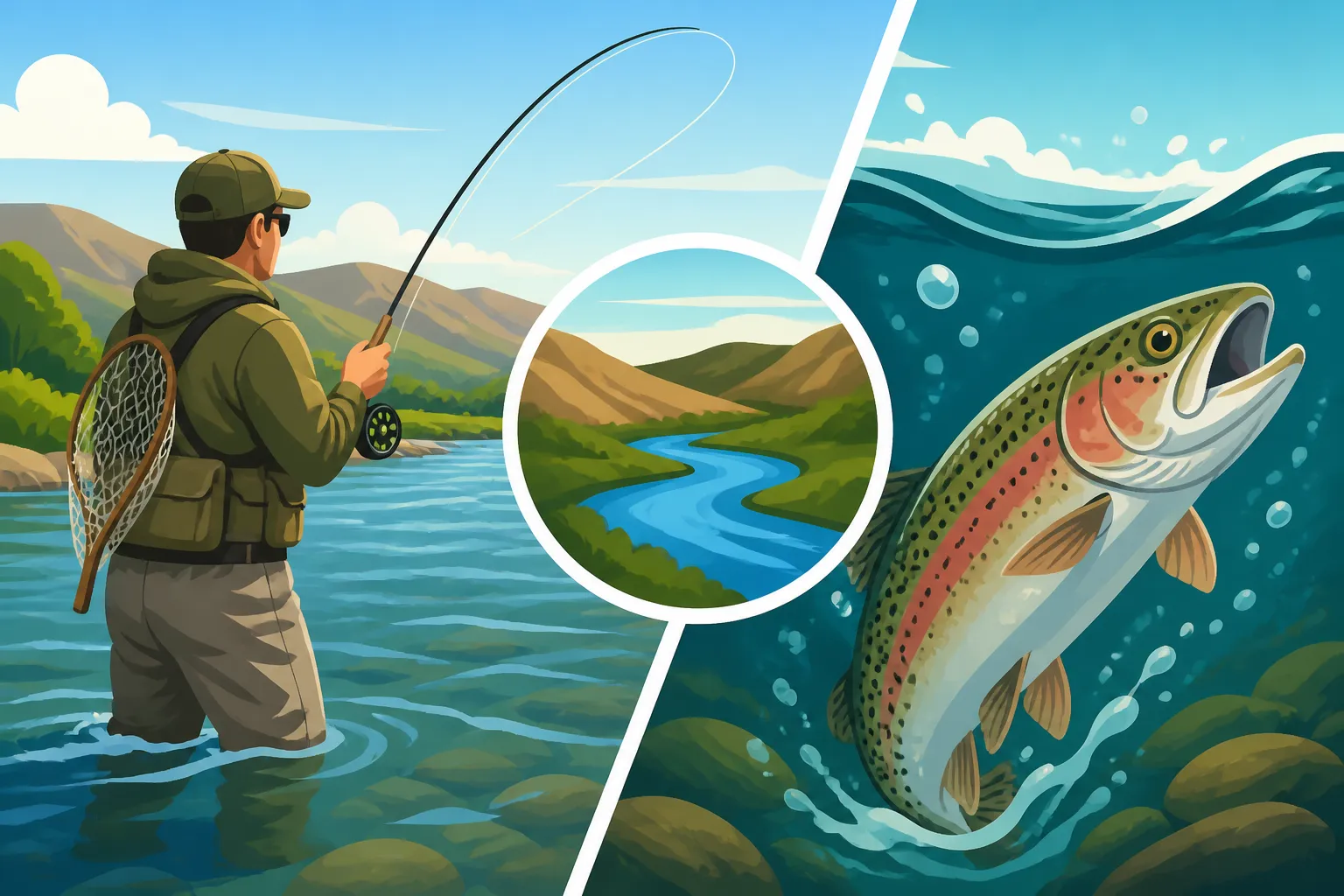
The beauty of the Yakima for wading lies in its varied topography and relatively moderate flows. You'll find long, gravelly riffles, medium-depth runs, and plenty of accessible bankside structure that offers prime fish habitat. This isn't a river dominated by impassable canyon walls or treacherous, swift main channels where wading is an outright danger. Instead, it presents a mosaic of walkable stretches, allowing anglers to systematically work their way through productive water, casting to visible seams and pockets. It’s an immersive experience that often yields fantastic results, particularly for the river's abundant wild rainbow and cutthroat trout populations.
Moreover, the clarity of the Yakima's water, especially outside of significant rain events or spring runoff, lends itself well to sight fishing and precise presentations that are best achieved by positioning yourself directly in the river. This intimate approach allows you to detect subtle takes and adjust your drifts in real-time, making it an incredibly rewarding way to fish. For those who love the peace and quiet of a river, wading offers an unparalleled sense of connection to nature, far removed from the noise of a motor or the constant repositioning of a boat.
Understanding River Sections for Wading
The Yakima River stretches for quite a distance, and its character changes as it flows downstream. For wade fishing, the most popular and accessible sections are generally above the town of Ellensburg and down through the Yakima Canyon. These areas offer the best combination of public access, suitable wading depths, and prime trout habitat.
Upstream sections, particularly closer to Easton and Cle Elum, can be shallower and have more braided channels, making for easier crossings and less intimidating wading. As you move into the famous Yakima Canyon, the river often consolidates into a more defined channel, with deeper runs and some swifter currents, but still plenty of walk-and-wade opportunities. Understanding these different characteristics helps you plan your day, ensuring you're targeting water that matches your comfort level and fishing style. Always scout ahead, either with maps or by observing the water, to identify the most productive and safest wading paths.
Prime Wade Fishing Spots and Access Points
Finding the sweet spots for wade fishing on the Yakima is all about knowing where to access the river and what kind of water you're looking for. While some areas are more remote, there are numerous public access points that cater to the wade angler, offering diverse fishing experiences.
Popular Wade Fishing Sections
The "Upper Yakima" from Easton Dam down to Ellensburg is renowned for its wade fishing opportunities. This stretch features extensive riffles, runs, and plenty of gravel bars. Popular spots include areas around the towns of Cle Elum, South Cle Elum, and Thorp. These areas often have less boat traffic, especially on weekdays, giving wade anglers more space to roam. The river here can be quite braided in places, creating numerous side channels and smaller islands that are fantastic for targeting feeding trout. You'll find fish holding in the seams where faster water meets slower water, behind large rocks, and along current breaks.
Another iconic area is the "Yakima Canyon" itself, running from Ellensburg downstream towards Yakima. While this section is also popular with drift boats, there are numerous turnouts and public access points along Highway 821, the scenic canyon road. Sections like the Roza Recreation Site, Big Pines Recreation Site, and Lmuma Creek offer excellent wade access to classic runs and pools. Here, the river often flows faster and deeper in the main channel, but there are still plenty of riffles and slower edges where wading is comfortable and productive. Always keep an eye out for drift boats and give them their space, as courtesy goes a long way on shared waters.
Navigating Public Access and Regulations
Public access along the Yakima is generally good, particularly due to the efforts of the Washington Department of Fish and Wildlife (WDFW) and various land management agencies. You’ll find designated fishing access sites, BLM (Bureau of Land Management) lands, and WDFW access points. Utilizing resources like the WDFW's "Go Fish" maps or a good fishing atlas for Washington State can pinpoint specific parking areas, boat launches (which often double as wade access), and walk-in only sections.
Before you even step foot in the water, it’s critical to be aware of the specific regulations for the Yakima River. This isn't a "one size fits all" fishery. The Yakima is often designated as a "fly-fishing only" river in many sections, with specific gear restrictions, particularly regarding barbless hooks and single-point hooks. Always double-check the latest Washington Fishing Regulations Every Angler Should Know to ensure you're compliant. Ignorance of the rules is no excuse, and wardens regularly patrol these popular waters. Additionally, remember to carry your Washington Fishing License Guide for Nonresidents or resident license, along with any necessary endorsements.
| Wade Fishing Section | Key Characteristics | Primary Access Points | Best For |
|---|---|---|---|
| Easton to Cle Elum | Braided channels, shallower, numerous gravel bars | Easton Dam, Salmon La Sac Road, various pull-offs | Beginners, sight fishing, covering lots of water |
| Cle Elum to Thorp | Moderate depth, mixed riffles and runs, good access | Cle Elum River Mouth, Thorp Road, WDFW Access Sites | Nymphing, dry flies, general trout fishing |
| Thorp to Ellensburg | Wider sections, classic riffle/run structure | Thorp Grist Mill, WDFW Wild Horse Recreation Site | Consistent action, diverse water types |
| Yakima Canyon (Upper) | Defined runs, deeper pools, some faster currents | Roza Recreation Site, Big Pines Recreation Site | Larger fish, varied techniques, scenic backdrop |
| Yakima Canyon (Lower) | Similar to upper canyon, but can get busier with boats | Lmuma Creek, Horn Rapids Park | Challenging lies, technical fishing |
Essential Gear, Techniques, and Safety for Yakima Wading
Wade fishing on the Yakima, while incredibly rewarding, requires the right gear, a solid understanding of fishing techniques, and a constant focus on safety. Being prepared will make all the difference in your enjoyment and success.
Gear for the Wade Angler
Your personal gear is paramount. Waders are non-negotiable for comfort and safety. Chest waders are generally preferred, allowing you to venture into deeper runs without getting soaked. Opt for breathable material like Gore-Tex for comfort during warmer months, and ensure they are well-fitting to avoid snags and trips. Your wading boots are just as important; felt soles offer excellent grip on slippery river rocks, though rubber soles with studs are also popular, especially if you also hike to access spots. Good boots prevent slips, which can lead to serious injury in moving water.
Beyond waders and boots, consider a wading staff. This often-overlooked tool can be a lifesaver, providing stability and allowing you to probe depths before committing your weight. A quality fly rod (typically a 9-foot, 5 or 6-weight for the Yakima's trout) and a matching reel are standard. Don't forget a vest or pack to carry your flies, tippet, leaders, strike indicators, and other essentials. Polarized sunglasses are also crucial for spotting fish and reading water effectively. Having a small first-aid kit, a whistle, and a multi-tool can also be very helpful. Remember to pack appropriate Rain Gear You Need for Winter Steelheading or simply for unexpected showers, even if you're targeting trout.
Effective Wade Fishing Techniques
The Yakima River is primarily a fly-fishing river, making techniques like nymphing, dry fly fishing, and streamer fishing your go-to strategies.
Nymphing: This is arguably the most productive technique on the Yakima year-round, especially when trout are feeding on subsurface insects. Mastering Nymphing for Trout on Washington's Yakima River involves setting up a proper indicator rig, selecting the right nymph patterns (like Frenchies, Perdigons, Copper Johns, or Pheasant Tails), and achieving a drag-free drift. Positioning yourself correctly upstream or across from a likely holding spot, and using a mend to keep your line slack, is key. The goal is to imitate a natural insect drifting freely in the current, so your flies sink to the fish's feeding lane.
Dry Fly Fishing: When hatches are happening, Dry Fly Fishing Washington's Rivers offers exhilarating visual strikes. The Yakima sees strong hatches of Caddis, Mayflies, and Stoneflies throughout the spring, summer, and fall. Look for rising fish and match the hatch with appropriate patterns. A proper presentation, landing your fly gently upstream of a feeding trout, is critical. This requires stealth and accurate casting, often best practiced while standing in a stable position within the current.
Streamer Fishing: While less common than nymphing or dry fly fishing, streamers can entice larger, aggressive trout, especially during lower light conditions or when fish are less active on insects. Stripping patterns like Woolly Buggers or Sculpzillas through deeper runs and across current breaks can trigger a predatory response. This technique is often more active and covers water quickly, ideal for scouting new sections.
Regardless of the technique, "reading the water" is a skill you'll constantly hone. Look for current seams, changes in depth, submerged rocks, and overhanging vegetation – these are all prime holding areas for trout. Understanding How Water Clarity Affects Steelhead Fishing (and trout fishing) will also help you choose your fly size and color.
Prioritizing Wading Safety
Your safety in the river should always be your top priority. The Yakima, while generally forgiving for wading, still has strong currents, especially during higher flows (often in spring and early summer). Always test the depth and current with your wading staff before taking a step. Never wade faster than you can safely retreat, and avoid crossing sections where the water is above your knees if you're unsure of the bottom.
Understanding river conditions is paramount. Check the river flows and weather forecast before heading out. The USGS website provides real-time flow data, which can tell you if the river is at a safe level for wading. High, off-color water (often after significant rainfall) can make wading extremely dangerous and reduce visibility for fish. Let someone know where you are going and when you expect to return. Consider carrying a small, waterproof dry bag with essentials like your phone, a snack, and a spare layer. When in doubt, err on the side of caution. What to Check Before Every Washington Fishing Trip often includes looking at river levels and conditions.
Planning Your Yakima Wade Fishing Adventure
A successful wade fishing trip to the Yakima isn't just about showing up with gear; it's about smart planning, understanding the seasons, and knowing your options, even if you decide to go with a professional.
Best Seasons for Wade Fishing
The Yakima River offers fantastic wade fishing opportunities almost year-round, though each season brings its own nuances and challenges.
Spring (March-May): This can be a transition period. Early spring often means higher, colder water from snowmelt, which can limit wading options. However, as flows stabilize, you'll find excellent nymphing and early dry fly hatches. Watch for the famous Skwala stonefly hatch, which can bring large trout to the surface.
Summer (June-August): Prime time for dry fly fishing! Caddis and Mayfly hatches are abundant, and terrestrials (grasshoppers, ants, beetles) become important as well. Water levels are typically lower and more stable, making wading very comfortable. It’s a popular time, so expect company.
Fall (September-November): Many consider fall to be the best time to fish the Yakima. The weather is crisp, crowds thin out, and trout are actively feeding before winter. BWO (Blue-Winged Olive) hatches are common, and streamers can be very effective as fish become more aggressive. Wading remains excellent.
Winter (December-February): Wading is still possible, but conditions are more challenging. Water is cold, flows are often low and clear, and fish are less active. Deep nymphing is the primary tactic. You'll need good thermal layers and appropriate gear to stay warm. It’s a time for dedicated anglers seeking solitude and the challenge of winter trout.
Self-Guided vs. Guided Wade Trips
For many, the appeal of wade fishing is the self-reliance and the freedom to explore at your own pace. If you're an experienced angler, comfortable with river reading and fly casting, a self-guided trip to the Yakima is absolutely feasible and highly rewarding. This guide is designed to empower you to do just that.
However, if you're new to the Yakima, new to fly fishing, or simply want to maximize your chances and learn the river quickly, considering a guided trip is a fantastic option. A professional guide knows the river intimately, can put you on fish, teach you local techniques, and ensure your safety, particularly in unfamiliar waters. While this article focuses on DIY, knowing your options is important. You can find excellent guides for the Yakima. Sometimes looking for guides through platforms like FishingBooker can give you a sense of local expertise, even if you decide on a Choosing Between a Guide and a DIY Trip later. If you do opt for a guide, check out how to go about Booking a Guide for the Yakima River in Washington. Even if you plan to wade yourself, a local shop or a guide might be able to offer specific, up-to-the-minute advice on hot spots and current conditions.
Respecting the Resource and Other Anglers
The Yakima River is a treasured resource, and it's up to all of us to protect it. Practice "Leave No Trace" principles: pack out everything you pack in, and perhaps even a little extra trash you find. Be mindful of fragile riparian habitats. When releasing fish, handle them gently and get them back into the water quickly.
Courtesy towards other anglers is also key. If you see someone fishing a run, give them ample space – sometimes 100 yards or more – especially if they are wading downstream. Don't crowd other anglers, and always ask politely if you want to pass or enter a section they are fishing. A friendly wave and a respectful attitude go a long way in ensuring everyone has a positive experience on the river. The Yakima is a shared playground, and mutual respect ensures its enjoyment for all.
Disclaimer
The information provided in this guide is for general informational purposes only. Fishing conditions, regulations, and access can change rapidly. Always consult the official Washington Department of Fish and Wildlife (WDFW) regulations and local advisories before planning any fishing trip. Safety should always be your top priority when engaging in outdoor activities.