Icicle Creek’s Location Near Leavenworth, Washington
Finding that perfect, serene fishing spot can sometimes feel like searching for a needle in a haystack, especially when you're hoping to escape the crowds but aren't quite sure where to begin. Many anglers find themselves endlessly scrolling maps or forums trying to pinpoint those hidden gems. If you've been dreaming of crystal-clear waters, stunning mountain backdrops, and the thrill of a native trout on the line, this guide is going to zero in on one such remarkable location: Icicle Creek near the charming Bavarian-themed town of Leavenworth, Washington.
Pinpointing Icicle Creek: Your Gateway to Mountain Angling
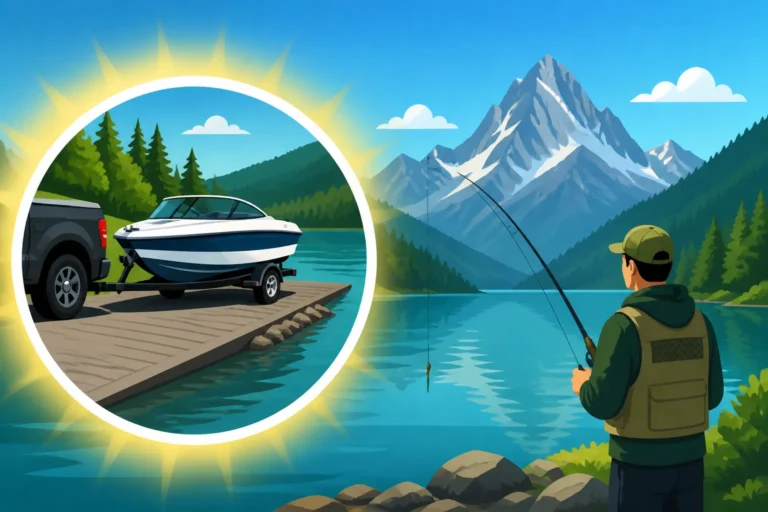
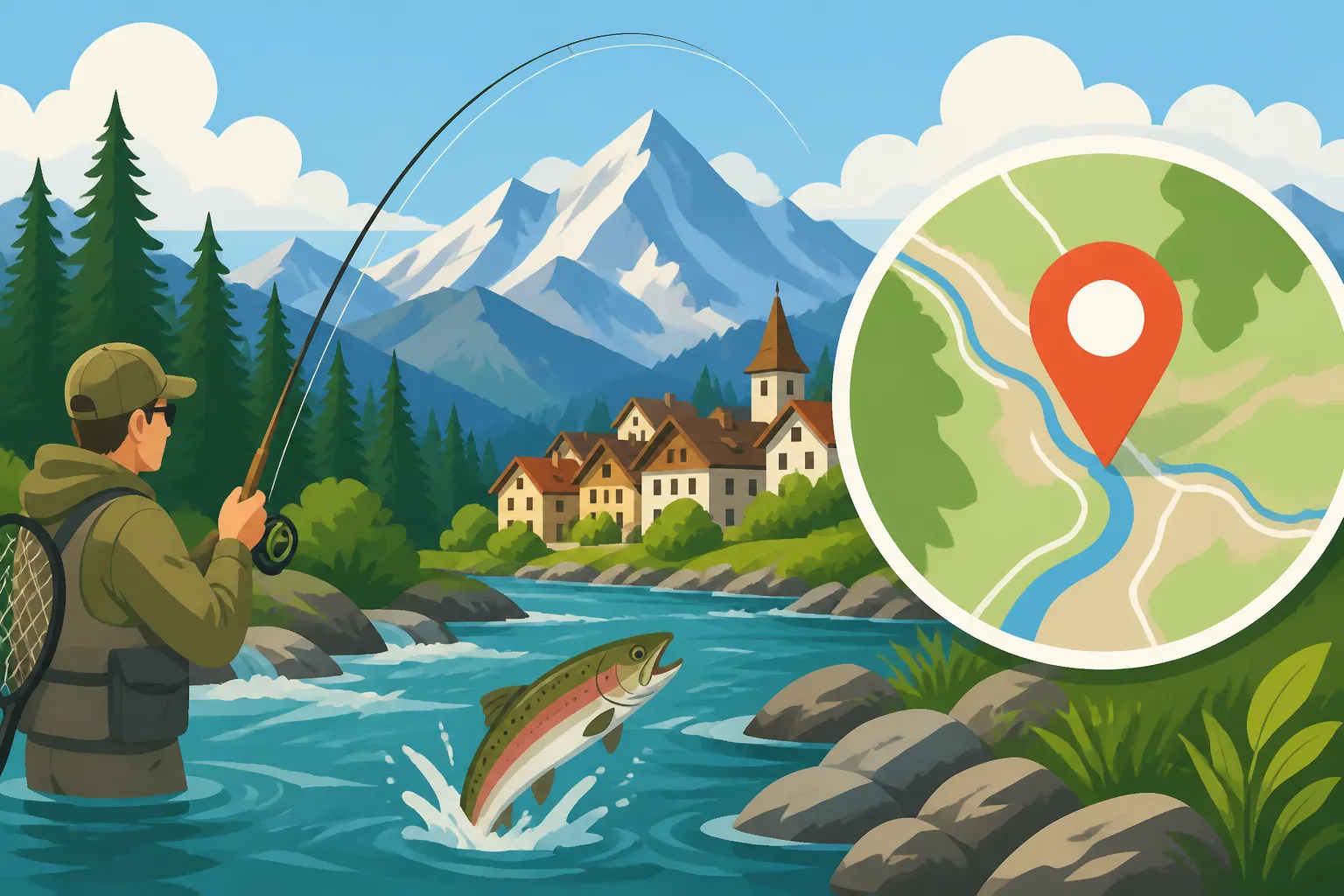
Icicle Creek is a truly picturesque waterway nestled deep within the Wenatchee National Forest, just a stone's throw from the popular tourist destination of Leavenworth in Central Washington. For those unfamiliar with the area, Leavenworth itself is about a two-and-a-half-hour drive east of Seattle, making it an accessible, albeit scenic, escape from the hustle and bustle of city life. The creek itself flows from the high Cascades, eventually joining the Wenatchee River. Its headwaters are fed by glacial melt and numerous alpine lakes, which contribute to its incredibly cold, clear, and oxygen-rich waters—perfect conditions for various trout species.
The creek parallels Icicle Creek Road, a well-maintained paved road that eventually turns into a gravel forest service road, stretching deep into the mountains. This accessibility is one of its greatest appeals, as you can find numerous pull-offs and designated campgrounds along its banks. However, don't let the paved road fool you; as you venture further up the valley, the crowds thin out considerably, and you'll feel completely immersed in the wilderness. The lower sections, closer to Leavenworth, are popular and easy to access, while the upper reaches offer a more challenging, yet incredibly rewarding, backcountry experience. For anyone looking to understand the broader context of incredible fishing spots throughout the state, it's worth checking out our guide on The Best Places to Fish in Washington State to see how Icicle Creek fits into the grand scheme of things.
The geography around Icicle Creek is dramatic, with towering granite peaks, dense coniferous forests, and a sense of solitude that truly defines the Pacific Northwest wilderness. This stunning environment isn't just a pretty backdrop; it plays a crucial role in the ecosystem of the creek, providing shade, contributing nutrients, and maintaining the pristine water quality that makes fishing here so special. Whether you're planning a day trip or an extended stay, knowing the exact location and its surrounding features is the first step to a successful outing.
The Angler's Appeal: What Icicle Creek Offers
So, what makes Icicle Creek such a magnet for anglers? It's primarily its thriving population of trout, particularly wild rainbow trout, cutthroat trout, and brook trout. Unlike many rivers heavily reliant on hatchery plants, Icicle Creek boasts a healthy, self-sustaining wild fishery, which makes every catch feel even more special. The fish here are known for their vibrant colors and feisty fight, a testament to their native genes and the challenging environment they inhabit.
One of the unique draws is the opportunity to target beautiful cutthroat trout, a species that holds a special place in the hearts of many Washington anglers. If you're keen to learn more about these incredible fish, our detailed article on Cutthroat Trout in Washington's Rivers and Lakes provides an excellent deep dive. Beyond the native species, you might occasionally encounter hatchery rainbow trout in the lower sections, particularly after WDFW plants, but the real prize for many are the wild fish found further upstream. The diversity of trout species, combined with the wild nature of the fishery, provides a rewarding challenge for anglers of all skill levels, from beginners hoping to catch their first wild trout to seasoned fly fishers seeking a true wilderness experience.
The creek itself offers a variety of water types, from fast-flowing riffles and runs to deeper, calmer pools, providing diverse habitat for trout and different fishing opportunities. This variety means that whether you prefer casting dry flies to rising fish in a placid eddy or nymphing through a swift current, you'll find water that suits your technique. The visual beauty of the clear water and the surrounding wilderness enhances the entire experience; it’s not just about catching fish, but about being immersed in such a spectacular natural setting.
Navigating Icicle Creek: Access and Effective Fishing Strategies
Getting onto and fishing Icicle Creek effectively requires a bit of local knowledge and preparation. As mentioned, Icicle Creek Road provides the primary access. The road runs roughly east to west, starting just outside Leavenworth. The first few miles offer numerous pull-outs, day-use areas like Johnny Creek, and several Forest Service campgrounds, including Eightmile Campground and Bridge Creek Campground. These spots are popular and provide easy river access, often with well-worn trails leading to the water. However, if you're seeking solitude, you'll want to drive further up.
Beyond the paved section, the road turns to gravel, but it's generally well-maintained and passable for most vehicles, though checking current road conditions is always a good idea, especially in early spring or late fall. As you ascend, you'll pass numerous trailheads leading into the Alpine Lakes Wilderness Area, offering opportunities for longer hikes to more remote stretches of the creek. These backcountry sections are often less pressured and can yield some truly memorable fishing, but they require more effort to reach. Remember, even if you're fishing from the bank near the road, understanding Bank Fishing Techniques for Washington Salmon can offer transferable skills, even though you'll mostly be targeting trout here.
Wading and Gear Considerations
Icicle Creek is predominantly a wade-fishing destination. The relatively shallow, rocky bottom makes it ideal for getting into the water and covering different runs. Good wading boots with felt or sticky rubber soles are essential for stability on the slippery rocks. A stout wading staff can also be a game-changer, especially in faster currents or when navigating uneven terrain. For those who enjoy a more intimate connection with the water, techniques like fly fishing are particularly rewarding here. Our guide on Fly Fishing Washington's Rivers and Lakes offers a great starting point if you're new to the art.
When it comes to tackle, light spinning gear or a fly rod are your best bets. For spin fishing, a lightweight rod in the 5-7 foot range paired with a small spinning reel spooled with 4-6 lb test line is perfect. Small spinners (like Panther Martins, Mepps, or Rooster Tails) in sizes #0 to #2, or small spoons, are often effective. For fly anglers, a 3- to 5-weight fly rod, 7.5 to 9 feet long, is ideal. Your fly selection should include a good mix of dry flies, nymphs, and perhaps a few small streamers. Popular dry fly patterns include Adams, Caddis, and Parachute Adams, especially during hatches. For subsurface action, Prince Nymphs, Hare's Ears, and Pheasant Tails are reliable choices. Don't forget to consider water conditions; clear, low water might call for smaller flies and lighter tippets, while a bit of color in the water could make larger, more visible patterns effective. If you're interested in refining your nymphing skills, our article on Nymphing for Trout on Washington's Yakima River offers some transferable tips for river fishing.
Seasonal Timing and River Conditions
The fishing season on Icicle Creek typically opens in late May or early June, depending on snowmelt and water levels. Early season can mean high, cold water, making fishing challenging but sometimes yielding larger, hungry fish close to the banks. As summer progresses, water levels drop, and the creek becomes more accessible, with excellent dry fly opportunities as insect hatches become more prolific. Fall can also be a fantastic time to fish, with cooler temperatures, fewer crowds, and vibrant fall foliage, though fish activity might slow down as temperatures drop further. Always check the current fishing regulations and emergency closures before heading out. Sometimes, specific sections might have special rules or seasonal closures that differ from the main WDFW pamphlet.
If you're thinking about extending your trip or exploring other options in the region, resources like FishingBooker can be helpful. While Icicle Creek is often a DIY adventure, if you're interested in guided trips for other Washington waterways or want to connect with local expertise, especially for something like finding a guide for How to Find a Fly Fishing Guide in Washington, such platforms can be invaluable. They can help you find guides operating on nearby rivers like the Wenatchee, or even for larger bodies of water where a boat is necessary.
Regulations and Responsible Angling Practices for Icicle Creek
Fishing Icicle Creek, like any waterway in Washington, comes with a set of specific rules and regulations designed to protect its precious fisheries. It's absolutely crucial to familiarize yourself with the current Washington Department of Fish and Wildlife (WDFW) regulations before you wet a line. The main WDFW pamphlet is your bible, and you can access it digitally or pick up a hard copy at most sporting goods stores. Our guide on Reading the Washington Sport Fishing Regulations Pamphlet provides an in-depth explanation of how to navigate this document.
Specific Rules to Watch For
Icicle Creek falls under the general freshwater regulations for the region, but there can be specific area rules. For trout, there's typically a daily limit and size restrictions. For instance, the general statewide rule for trout in rivers and streams often mandates a certain minimum size and a daily bag limit, and sometimes specific rivers have selective gear rules, like barbless hooks or artificial lures only. Always double-check the "Exceptions to Statewide Rules" section in the WDFW pamphlet for the specific catch area that includes Icicle Creek. This is especially important for areas near hatchery releases versus wild trout sections. Knowing the Washington River Trout Limit for the specific species you're targeting is non-negotiable.
Catch-and-release is often practiced by many anglers on Icicle Creek, particularly for the smaller, wild trout, to ensure the health of the fishery. If you do plan to keep fish, make sure they meet all legal size requirements and are within your daily bag limit. Handle all fish with care, especially those you intend to release. Minimizing their time out of water, using wet hands, and avoiding squeezing them too tightly helps ensure their survival.
Protecting the Environment
Beyond the regulations, responsible angling practices are paramount for preserving the pristine environment of Icicle Creek. This includes packing out all trash, even biodegradable items like orange peels, and staying on established trails to minimize erosion. If you're camping, use designated campsites and follow Leave No Trace principles.
Consider the impacts of your presence. The clear waters of Icicle Creek mean fish can be spooky, so stealth and careful wading are often rewarded. Avoid disturbing spawning beds if you can identify them, particularly during spring when trout are actively reproducing. By adhering to regulations and practicing thoughtful, ethical angling, we can all contribute to keeping Icicle Creek a phenomenal fishing destination for generations to come. This commitment to the environment is part of the larger picture of Washington Fishing Regulations Every Angler Should Know, emphasizing not just compliance but also stewardship.
Table: Common Icicle Creek Fish and Key Considerations
| Fish Species | Primary Location / Habitat | Best Time to Fish | Typical Gear / Lures | Key Regulation Notes |
|---|---|---|---|---|
| Rainbow Trout | Throughout, especially middle & upper sections | Summer, Early Fall | Small spinners, nymphs, dry flies | Check general trout limits & potential selective gear |
| Cutthroat Trout | Upper reaches, cooler sections | Summer, Early Fall | Small dry flies, nymphs, light spinners | Often wild, handle with care, release encouraged |
| Brook Trout | Tributaries, colder headwaters | Summer | Small dries, nymphs, tiny spinners | Less common, often smaller |
| Hatchery Rainbow | Lower sections near Leavenworth | Spring, Early Summer | PowerBait, worms, larger spinners | Often stocked for easy access, check specific rules |
Final Thoughts on Your Icicle Creek Adventure
Icicle Creek truly offers a quintessential Washington mountain fishing experience. The combination of stunning scenery, clear waters, and healthy wild trout populations makes it a destination worth exploring for any angler, especially those who appreciate the solitude and challenge of a natural fishery. It’s a place where you can unwind, connect with nature, and hopefully, create some unforgettable fishing memories.
Whether you're a seasoned fly caster or just starting out with a spinning rod, the creek provides ample opportunities to test your skills and enjoy the tranquility of the Cascades. Remember to do your homework on the latest regulations, practice responsible angling, and respect the natural beauty of this incredible place. And who knows, once you've experienced the magic of Icicle Creek, you might just find yourself returning to its peaceful banks year after year. For other nearby options that might require a guide or more structured approach, always remember that services like FishingBooker can help you connect with local experts who know the intricacies of different waterways and species.
Disclaimer
Please remember that fishing regulations and conditions in Washington State can change frequently, sometimes even mid-season due to emergency rule changes by the WDFW. Always consult the most current Washington Department of Fish and Wildlife (WDFW) fishing regulations pamphlet and check for emergency rule updates on their website before heading out on any fishing trip. This guide is for informational purposes only and does not supersede official WDFW regulations.