Is There Camping Near the Hoh Rainforest?
Planning a fishing trip to Washington State, especially to the legendary Olympic Peninsula, is a dream for many anglers. But when you start picturing yourself casting lines near the majestic Hoh Rainforest, a common question quickly arises: where in the world do you even sleep? Finding convenient, comfortable, and regulation-compliant camping near such a wild and protected area can feel like navigating a dense, misty forest itself. This guide is here to shed light on your options, from cozy spots right in the heart of the rainforest to more accessible choices just a short drive away, ensuring your fishing adventure is as stress-free as it is memorable.
The Allure of Fishing Near the Hoh Rainforest
There's something truly magical about the Hoh Rainforest, and for anglers, that magic extends deep into its rivers. The lush, moss-draped old-growth forest creates an almost otherworldly backdrop for some of the best fishing experiences Washington has to offer. But what makes this area so special for those with a rod and reel?
Why Anglers Flock to the Hoh River
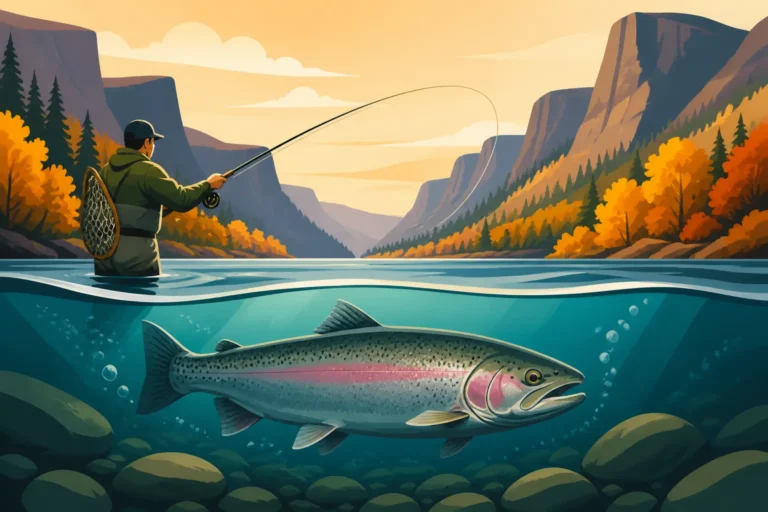
The Hoh River, flowing directly through this verdant landscape, is renowned for its incredible runs of wild steelhead and salmon. Imagine the thrill of hooking into a powerful winter steelhead while surrounded by ancient Sitka spruce and western hemlock, the silence broken only by the river's flow and the occasional call of an eagle. The river's pristine waters and relatively wild nature offer a genuine challenge and a deep connection to nature that's hard to find elsewhere.
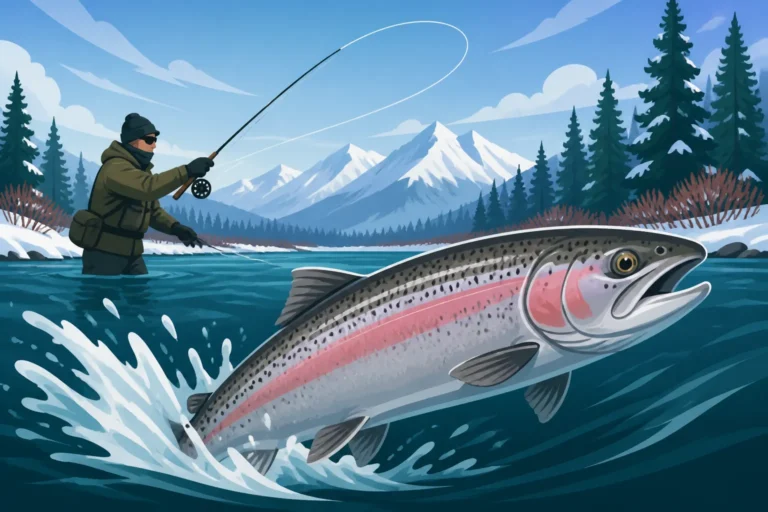
Anglers are drawn here particularly for The Hoh River's Winter Steelhead Season which brings strong, acrobatic fish into the system. Beyond steelhead, healthy runs of Chinook and Coho salmon also make their way upriver, especially in the fall. The combination of stunning scenery, robust fish populations, and the unique rainforest ecosystem creates an unforgettable angling experience that keeps people coming back year after year. It’s not just about catching fish; it’s about being immersed in one of the most beautiful and wild places left in the Lower 48.
Understanding the Olympic National Park Boundary Rules
Before you even think about setting up camp or casting a line, it's absolutely crucial to understand the distinct boundaries and regulations in play around the Hoh Rainforest. The Hoh Rainforest is primarily located within Olympic National Park, a protected wilderness area with its own set of rules that often differ significantly from state fishing and camping regulations.
Fishing within Olympic National Park requires a valid Washington State fishing license, but the park itself has very specific, often more restrictive, regulations regarding what species you can target, what gear you can use, and where you can fish. For instance, many of the park's rivers and lakes, including sections of the Hoh, are either closed to fishing entirely or are managed for catch-and-release only to protect wild populations. Always consult the Olympic National Park fishing regulations alongside the general Washington Fishing Regulations Every Angler Should Know before your trip.
Camping directly within the Hoh Rainforest area means you'll be staying in Olympic National Park campgrounds, which come with park fees, reservation requirements, and often stricter rules about campfires, food storage (bear safety is paramount!), and pet restrictions. It’s a different experience than camping on state or national forest land, so being prepared for these distinctions will save you a lot of headaches and ensure you don't run afoul of the park rangers.
Primary Camping Options Near the Hoh Rainforest
When it comes to camping near the Hoh Rainforest, your choices generally fall into three categories: staying within Olympic National Park, opting for a National Forest campground just outside the park boundaries, or choosing a private campground or RV park in nearby towns. Each offers a different experience, so let’s break them down.
Hoh Rainforest Campground (Inside Olympic National Park)
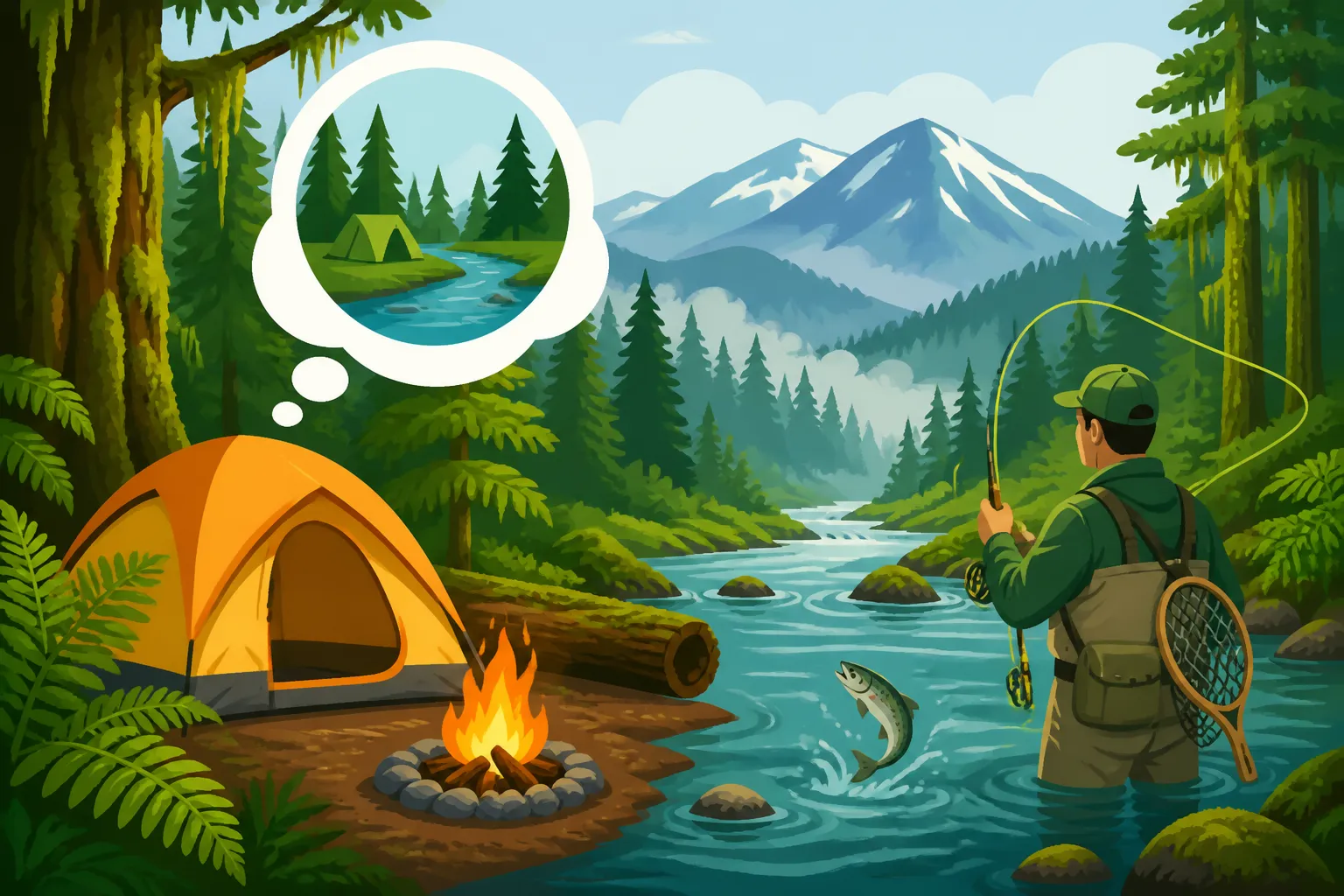
If you're seeking the ultimate immersive rainforest experience, the Hoh Rainforest Campground is your primary option. Located right on the banks of the Hoh River, about an 18-mile drive inland from Highway 101, this campground puts you directly in the heart of the ancient forest.
Pros: The biggest draw is proximity. You're mere steps away from stunning hiking trails like the Hall of Mosses and the Spruce Nature Trail, and the Visitor Center is right there for interpretive programs. Waking up to the mist rising through the towering trees and the sound of the Hoh River nearby is an unforgettable experience. The campground offers basic amenities like potable water, flush toilets (seasonal), and picnic tables, but no hookups for RVs.
Cons: This campground operates on a first-come, first-served basis for part of the year, but during peak season, reservations are often required and can be incredibly competitive. Securing a spot can be a challenge, especially during popular fishing seasons. You'll also pay an Olympic National Park entrance fee in addition to the camping fee. More importantly for anglers, fishing regulations on the Hoh River within the park boundaries are often highly restrictive, sometimes catch-and-release only or even closed to specific species, so direct fishing access from your campsite might not be what you expect. Always check the current Washington Sport Fishing Seasons and Emergency Closures and the specific park regulations before planning your fishing from within the park.
Olympic National Forest Campgrounds (Outside the Park)
For anglers prioritizing river access and potentially more flexible camping, turning your attention to the Olympic National Forest lands that border the park is a smart move. These campgrounds often provide easier access to sections of the Hoh River where fishing regulations might be more favorable, as well as other excellent fishing rivers on the Olympic Peninsula.
Hoh Oxbow Campground: This is a fantastic option just outside the Olympic National Park boundary, making it a favorite for anglers. Located on Olympic National Forest land, it’s only a few miles before the entrance to the national park's Hoh Rainforest section. It offers basic amenities – vault toilets, no potable water, but direct access to the Hoh River. This spot tends to be quieter and more rustic, perfect for those looking to fish early in the morning or late in the evening without a long drive. It’s typically first-come, first-served, making it a good backup if the main park campground is full. You'll find yourself close enough to enjoy the rainforest trails but with more direct access to fishing opportunities on the river.
Minnie Peterson Campground: Further afield but still within reasonable driving distance, Minnie Peterson Campground sits on the banks of the Clearwater River, a major tributary of the Queets River. While not directly on the Hoh, it offers a similar rainforest vibe and excellent access to other premier Olympic Peninsula fishing destinations. This is a good choice if you're looking to explore multiple rivers during your trip. It’s also managed by the National Forest Service, meaning similar rustic charm and regulations to Hoh Oxbow.
Pros: Generally less crowded than the national park campground, often cheaper, and provides better access to sections of the rivers that are open to more diverse fishing methods. You might find more flexibility with campfires and fewer restrictions on things like generators (check specific site rules). These locations are often ideal for anglers wanting to focus on Drift Fishing for Steelhead in Washington Rivers or targeting salmon on the non-park sections.
Cons: The amenities are usually more primitive, often limited to vault toilets and no potable water, so you’ll need to pack in your own water supply. You won’t have the immediate access to the Visitor Center or the famous rainforest loops of the main Hoh Rainforest area, requiring a short drive into the park.
Private Campgrounds and RV Parks
If you prefer more creature comforts, full hookups for your RV, or simply can’t snag a spot in a government-run campground, there are private options in towns like Forks, which is roughly an hour's drive north of the Hoh Rainforest entrance.
Example: Forks 101 RV Park & Campground, Forks Wa: While Forks might seem a bit far, it serves as an excellent hub for exploring the entire western Olympic Peninsula, including the Hoh, Sol Duc, Bogachiel, and Calawah rivers. Forks 101 RV Park offers full hookups, laundry facilities, showers, and Wi-Fi – a welcome luxury after a long day of fishing. This option provides a comfortable base camp with easy access to groceries, tackle shops, and restaurants.
Pros: Full amenities, hot showers, and often laundry facilities. You can usually make reservations well in advance, providing peace of mind. These parks are great for larger RVs or those who appreciate having a reliable power source and amenities. They also offer a central location for exploring multiple fishing rivers beyond just the Hoh.
Cons: The biggest drawback is the driving distance. You'll have about a 60-minute drive each way to the Hoh Rainforest Visitor Center and its adjacent fishing access points. This cuts into your fishing time and can be a deterrent if you plan to spend multiple days exclusively in the Hoh area. They are also typically more expensive than public campgrounds. However, for those who value comfort and convenience, especially after a long day battling fish, these can be a lifesaver.
Planning Your Camping and Fishing Adventure
A successful trip to the Hoh Rainforest, combining the beauty of the old-growth forest with exhilarating fishing, requires thoughtful planning. It’s more than just packing a tent and a rod; it’s about preparing for the unique challenges and rewards this incredible region offers.
Essential Gear for Rainforest Camping and Fishing
The Olympic Peninsula is known for its wet weather, hence the rainforest. This means your gear choices are critical.
- Rain Gear: This is non-negotiable. A high-quality, waterproof and breathable rain jacket and pants are essential, even if the forecast looks clear. The rainforest creates its own microclimate, and passing showers are common. Don't forget waterproof boots; your feet will thank you. For serious winter steelheading, consider investing in a good pair of waders to stay dry and warm while Drift Fishing for Steelhead in Washington Rivers.
- Layered Clothing: Temperatures can fluctuate, especially between day and night. Pack moisture-wicking base layers, insulating mid-layers (fleece or down), and your waterproof outer shell.
- Shelter: A sturdy, waterproof tent with a good rainfly is a must. Ensure it’s adequately sized for your group and gear. For RVs, ensure your heating and cooling systems are in good working order.
- Fishing Tackle: Depending on your target species and preferred technique, your tackle will vary. For steelhead, think drift gear (weights, floats, beads, yarn), casting spoons, or fly fishing setups. For salmon, consider similar drift gear or perhaps spinners. Always bring extra line, leaders, and hooks. Don't forget your net!
- Food and Water: While some campgrounds have potable water, many in the National Forest do not. Plan to bring enough water for drinking, cooking, and cleaning, or a reliable water filter. Pack food that is easy to prepare and store securely, especially in areas with bear activity.
- Navigation & Safety: A good map, compass or GPS device, and a first-aid kit are crucial. Cell service is spotty to non-existent in many parts of the rainforest and along the river. Let someone know your itinerary.
- Campfire Essentials: If campfires are permitted (always check current restrictions), bring a small hatchet or saw, fire starter, and kindling. Gather firewood responsibly or purchase it locally to avoid introducing invasive species.
Remember that Rain Gear You Need for Winter Steelheading will differ slightly from summer fishing, so tailor your wardrobe to the season.
Navigating Reservations and Seasonal Considerations
Timing is everything, both for camping availability and prime fishing.
- Reservations: For the Hoh Rainforest Campground within Olympic National Park, especially during summer (late May through early September), reservations are highly recommended, often essential. These can typically be made on Recreation.gov up to six months in advance. For National Forest campgrounds, many are first-come, first-served, but some now offer reservations. Private campgrounds almost always accept reservations, which is a great way to guarantee a spot.
- Peak Seasons: Summer is peak tourist season for the rainforest itself, meaning campgrounds fill up fast. For fishing, the "best" time depends on your target. Fall brings salmon, while winter is prime for steelhead. However, winter camping requires more robust gear and a tolerance for cold, wet conditions. Spring offers a mix of lingering steelhead and emerging trout fisheries.
- Weather's Impact: Rain can dramatically affect river conditions. Heavy rains can blow out rivers, making them high and muddy, while prolonged dry spells can make them low and clear. Both extremes can make fishing challenging. Keep an eye on the river conditions and forecasts. Remember that How Water Clarity Affects Steelhead Fishing is a major factor, so checking local river gauges or calling tackle shops for current reports is wise.
Combining Camping with Prime Fishing Spots
Choosing your campsite wisely can significantly enhance your fishing experience. If your primary goal is to fish the Hoh River, staying at Hoh Oxbow will put you closest to viable river access points outside the park boundary where regulations tend to be more angler-friendly.
- Scouting Access: Even if you camp a short drive away, research specific public access points along the Hoh River or its tributaries. Local tackle shops in Forks or Aberdeen are invaluable resources for up-to-date information on river conditions, hot spots, and specific regulations.
- Nearby Rivers: The beauty of the Olympic Peninsula is that the Hoh is just one of many incredible rivers. If you’re based out of Forks or even further afield, you’re also within striking distance of the Sol Duc, Bogachiel, and Calawah rivers, all known for their steelhead and salmon runs. This diversification allows you to adapt to river conditions; if the Hoh is blown out, another river might be fishable. This flexibility is key, especially when you consider that Emergency Rule Changes: Why Washington's Rules Shift Mid-Season can happen, so having backup plans for fishing spots is always a good idea. You can also find guides through platforms like FishingBooker who specialize in these different rivers.
- Catch-and-Release Considerations: Many areas, particularly for wild steelhead, operate under strict catch-and-release rules. Be prepared with appropriate gear and techniques for safe release, as detailed in guides like Wild Steelhead Release Rules on Washington's Olympic Peninsula Rivers. Even if you're not targeting steelhead, you might encounter them, and knowing how to handle them responsibly is part of being a good angler.
Here's a quick comparison of typical camping options near the Hoh Rainforest:
| Camping Option | Location Relative to Hoh Rainforest Entrance | Typical Amenities | Pros | Cons | Ideal For |
|---|---|---|---|---|---|
| Hoh Rainforest Campground | Inside Olympic National Park | Pit/Flush Toilets, Potable Water, Picnic Tables | Immersive rainforest experience, direct access to hiking trails, Visitor Center | Competitive reservations, park entrance fee, restrictive park fishing rules from camp, no hookups | Rainforest enthusiasts, hikers, those seeking quiet wilderness experience |
| Olympic National Forest Campgrounds (e.g., Hoh Oxbow) | Just outside ONP Boundary | Vault Toilets, Picnic Tables (No potable water) | Closer to river sections with more favorable fishing rules, quieter, often first-come/first-served | More rustic, no potable water, further drive to main rainforest trails | Anglers prioritizing river access, those seeking a rustic experience, smaller RVs/tents |
| Private Campgrounds/RV Parks (e.g., Forks) | ~1 Hour Drive from ONP Boundary | Full Hookups, Showers, Laundry, Wi-Fi | Comforts of home, easy reservations, central hub for exploring multiple rivers, local services | Significant drive to Hoh Rainforest daily, higher cost, less "wild" camping feel | RVers, families, those desiring amenities, base for exploring broader Olympic Peninsula |
Always double-check the latest regulations from the Washington Department of Fish and Wildlife (WDFW) and Olympic National Park before your trip. The WDFW website is your best friend for current rules, and knowing Where to Find Current Washington Fishing Rules is paramount. Being well-informed means a safer, more enjoyable, and more successful fishing and camping adventure.
Disclaimer
Fishing regulations and conditions in Washington State, especially within Olympic National Park and surrounding areas, can change frequently due to conservation efforts, fish run forecasts, and environmental factors. Always consult the most current Washington Department of Fish and Wildlife (WDFW) regulations pamphlet and Olympic National Park-specific rules before heading out. This guide provides general information and should not be used as the sole source for legal fishing or camping guidelines. It is your responsibility to know and adhere to all applicable laws and regulations.