Is Lake Sammamish Good for Kokanee?
For anglers eager to chase the elusive Kokanee salmon, Lake Sammamish often comes up in conversation. It can be incredibly frustrating to hear whispers of a great fishery only to find yourself out on the water, scratching your head, wondering if you're doing something wrong. This comprehensive guide is here to unravel the mysteries of Lake Sammamish Kokanee, offering insights into why this lake can be a fantastic, albeit challenging, destination for these landlocked sockeye.
The Allure and Challenge of Lake Sammamish Kokanee
Lake Sammamish, nestled right next to Seattle's sprawling eastern suburbs, is a beautiful and deceptively complex body of water. For years, it’s been known to hold decent populations of Kokanee, offering a unique opportunity for local anglers. However, unlike some other Kokanee hotbeds in Washington, Sammamish isn't always an "easy button" fishery. Success here often hinges on understanding the lake's unique characteristics and the specific behaviors of its Kokanee.
Historically, the lake has seen its ups and downs, much like many urban fisheries. Factors like water quality, predation from larger species, and the success of annual stocking efforts by the Washington Department of Fish and Wildlife (WDFW) all play a role in how good the fishing is from one season to the next. What makes it so appealing is the chance to catch these feisty, schooling fish so close to a major metropolitan area. Imagine finishing work and being on the water, lines in, within minutes. That convenience is a huge draw, even if the fish sometimes make you work for them.
A Brief History and Current Status of the Fishery
The story of Kokanee in Lake Sammamish is one of ebb and flow. These landlocked sockeye salmon are not native to the lake but were introduced to provide a sport fishery. Over the decades, WDFW has periodically stocked the lake with Kokanee, aiming to sustain a robust population for anglers. These stocking programs are critical because, while some natural reproduction might occur in feeder streams, it's often not enough to support the angling pressure.
In recent years, the fishery has shown signs of strength, especially when environmental conditions align. Cooler, wetter springs can sometimes lead to better water conditions for juvenile Kokanee, while stable summer temperatures help them thrive. However, anglers need to be realistic: it’s not always a banner year, and sometimes the bite can be tough. Keeping an eye on WDFW reports and local fishing forums can give you a good pulse on the current health of the fishery and recent catches. Understanding the health of the fish and the regulations that protect them is crucial, and you can always check our guide on how bag and possession limits work in Washington to stay compliant.
Stocking Programs and Natural Production
The backbone of Lake Sammamish's Kokanee population relies heavily on the WDFW's proactive stocking efforts. These hatchery-raised fish are introduced into the lake as juveniles, growing to catchable size over a couple of years. Without these programs, the Kokanee fishery as we know it would likely dwindle significantly. This is why paying attention to WDFW announcements about stocking schedules can sometimes give you a heads-up on future prospects.
While stocking is the primary driver, there's always a glimmer of hope for some natural production, especially in the lake's tributaries like Issaquah Creek, which also sees returns of larger, sea-run salmon. However, these natural Kokanee runs are typically minimal and face numerous challenges, including habitat degradation and limited spawning grounds. So, when you’re out on Lake Sammamish, the vast majority of the Kokanee you’re targeting are hatchery-supported fish, a testament to careful fishery management that makes urban fishing opportunities possible.
Understanding Kokanee Behavior in Lake Sammamish
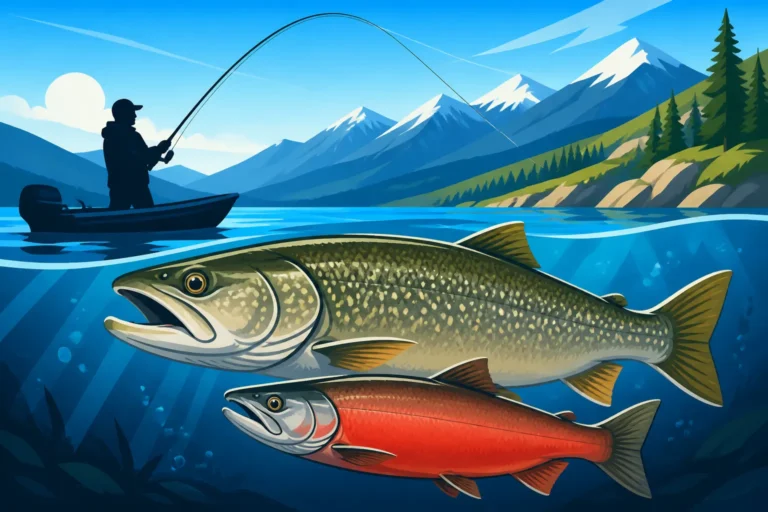
Catching Kokanee on Lake Sammamish isn't just about putting a lure in the water; it's about understanding the fish itself. These are delicate, finicky creatures that respond strongly to subtle changes in light, temperature, and food availability. They’re plankton feeders, which means they’re constantly searching for tiny organisms suspended in the water column. This makes them different from predatory salmon that chase baitfish, and it demands a specific approach from anglers.
During the warmer months, Kokanee will often seek out the thermocline – that invisible layer where warm surface water meets colder, deeper water. This depth can vary significantly depending on the time of year and even the daily weather patterns. In spring, they might be shallower, but come summer, they're often found 30 to 60 feet down, sometimes even deeper. Without a good fish finder and the right gear to get your lures to these specific depths, you’ll be fishing blind, which is often the source of much frustration for beginners.
Seasonal Patterns and Depths
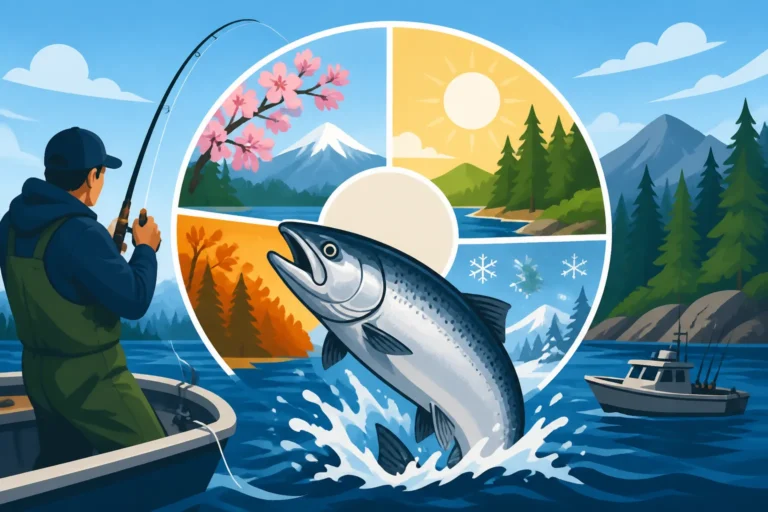
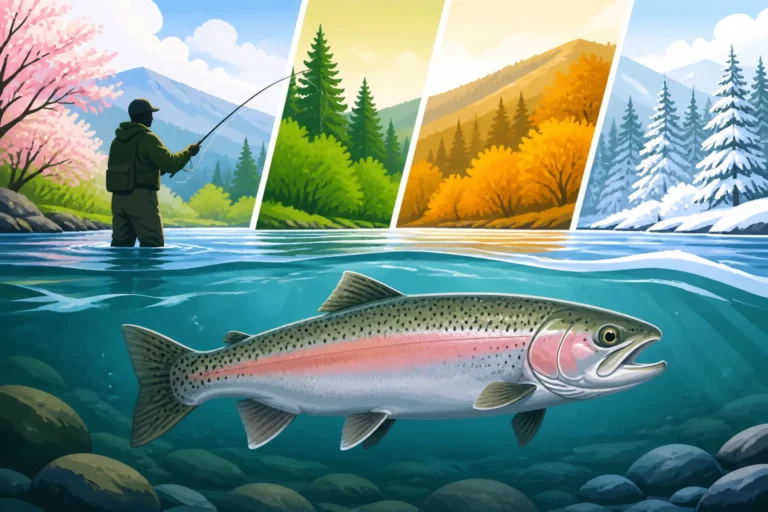
Kokanee behavior in Lake Sammamish is highly seasonal. As spring transitions into summer, water temperatures rise, pushing Kokanee into deeper, cooler sections of the lake.
- Spring (April-May): You might find them shallower, sometimes 10-25 feet deep, especially in the early mornings or on overcast days. They're actively feeding and can be quite aggressive.
- Summer (June-August): This is when depth becomes critical. Kokanee typically descend to the thermocline, often 30-60 feet down, sometimes deeper in the heat of August. This is prime time for using downriggers. Anglers who consistently catch fish during summer have usually mastered the art of finding this elusive depth.
- Fall (September-October): As temperatures begin to drop, the Kokanee start their spawning migrations. They become less interested in feeding and are harder to target with traditional trolling methods. They’ll often move towards the shallower areas or tributary mouths.
Knowing these patterns is your first step to success. If you're out in July trying to catch them at 15 feet, you're likely to be disappointed. Understanding Washington Fishing Seasons: A Month-by-Month Guide can give you a broader context for how different species behave throughout the year.
Diet and Preferred Conditions
Kokanee are primarily planktivores, meaning their diet consists almost exclusively of zooplankton. This is a crucial detail, as it dictates the types of lures and baits that are most effective. Small, flashy lures that mimic the appearance or movement of plankton are key. Think tiny spoons, wedding rings, and mini hoochies in bright colors like pink, orange, or chartreuse. Often, tipping your lure with a kernel of shoepeg corn, marinated in scent, can make all the difference, as the corn provides both visual attraction and an enticing smell that Kokanee can't resist.
They thrive in cold, oxygen-rich water. This is why the thermocline is their preferred hangout in summer. Water clarity also plays a role. While Lake Sammamish is generally clear, very sunny days can sometimes push them deeper or make them more wary. Overcast days with a bit of chop on the water can often be ideal, as it breaks up the light and makes the fish feel more secure. If you’re seeing exceptionally clear water, you might need to use longer leaders and more subtle lure presentations.
Essential Techniques and Gear for Lake Sammamish Kokanee
Alright, now that we've talked about where and when to find them, let's dive into the how-to. Kokanee fishing, especially on a lake like Sammamish, is a specialized game. You can’t just cast a worm and expect results. It’s all about presentation, depth control, and often, a little bit of finesse. Don't be discouraged if your first few trips are tough; it's a learning curve, but incredibly rewarding when you crack the code.
Most successful Kokanee anglers on Lake Sammamish swear by trolling, especially with the aid of downriggers. These allow you to precisely control the depth of your lure, which, as we discussed, is paramount for these depth-sensitive fish. However, when you locate a dense school, jigging can also be a game-changer.
Trolling for Success
Trolling is undeniably the most effective method for Kokanee on Lake Sammamish. You're covering water, searching for schools, and presenting your lure at a consistent depth. Here’s a breakdown of what you'll need and how to do it:
- Downriggers: These are almost non-negotiable for serious Kokanee anglers. A downrigger uses a heavy cannonball weight to pull your line down to a precise depth, which you then release when a fish strikes. Being able to set your lure exactly at the depth where you’re seeing fish on your sonar is the secret sauce.
- Lures: Small, flashy, and brightly colored are the keywords.
- Wedding Rings: These are tiny spinners with beads that rotate around a hook. They come in a myriad of colors, and tipping them with corn is standard practice.
- Hoochies (Mini Squids): Often paired with a small dodger (a flasher that creates an erratic swimming action), these soft plastic skirts mimic small prey. Pink, orange, and green are consistent producers.
- Small Spoons: Brands like Kokanee Killer or similar micro spoons can be deadly.
- Dodgers/Flashers: These aren't lures themselves, but attractors. They create flash and vibration that draw Kokanee in. Choose smaller sizes, typically 4-6 inches, in silver, chrome, or iridescent finishes. Rig your lure 8-18 inches behind the dodger.
- Speed: Kokanee prefer a relatively slow troll, usually between 1.0 and 1.8 mph. Watch your fish finder; if you mark fish, experiment with slight speed changes.
- Scent: This is another crucial element. Beyond corn, many anglers use various commercially available Kokanee scents. Applying it to your corn or directly to your hoochie can significantly increase strikes.
Remember, the goal is to make your presentation look like an irresistible, slow-moving plankton buffet. For a deeper dive into methods, check out our piece on Jigging for Kokanee in Washington Lakes, though trolling is often favored on Sammamish for covering more water. If you’re looking to find a local charter for a different Washington fishery, or just want to see what techniques they are using, platforms like FishingBooker can sometimes offer insights from local pros.
Jigging in Deeper Waters
While trolling is king, don’t discount jigging, especially if you’ve located a dense school of Kokanee on your fish finder that seem reluctant to chase trolled presentations. Jigging involves dropping a small, heavy lure directly down to the fish and imparting a vertical, erratic motion.
- Jigs: Small, slender jigs in bright colors, often tipped with corn or scent. Lead jigs, spoons, or even specialized Kokanee jigs work well.
- Technique: Drop the jig to the depth where you’re marking fish. Then, use a gentle lift-and-drop motion, sometimes a foot or two, sometimes just a few inches. Pay close attention to your rod tip for the subtle "thump" of a bite. Kokanee hits can be incredibly light.
- Anchoring/Spot-Lock: If you have a boat with a good anchor system or a trolling motor with a "spot-lock" feature, you can hold directly over a school and jig vertically. This can be deadly when you’ve found the mother lode.
Jigging is a more active form of fishing and can be incredibly exciting when the bite is on. It also works well if you're trying to fish from a stationary boat in areas where Kokanee are known to congregate.
Recommended Gear and Bait
Your choice of rod, reel, and line can also make a significant difference. Kokanee have soft mouths and fight with quick, head-shaking bursts.
- Rods: Opt for a light to ultra-light action rod, typically 6'6" to 7'6" long. A sensitive tip is crucial for detecting those subtle bites, while a softer action helps prevent hooks from pulling out of their delicate mouths.
- Reels: A small spinning reel or a low-profile baitcaster spooled with light line is ideal.
- Line: 6-8 pound monofilament or fluorocarbon is a good main line choice for its stretch, which again, helps with those soft mouths. Many anglers use a braided main line with a long fluorocarbon leader (10-20 feet) for invisibility and sensitivity.
- Fish Finder/Sonar: This is your most valuable piece of electronic equipment. It allows you to locate schools of fish, identify the thermocline, and monitor your lure depth. Without it, you're just guessing. Brands like Garmin, Lowrance, and Humminbird offer excellent options that are widely used by Kokanee enthusiasts.
- Bait: As mentioned, shoepeg corn is the undisputed king. Marinate it in an Anise, Krill, or Garlic scent. You can find specialized Kokanee marinades at most tackle shops.
Remember to always have plenty of tackle on hand, as losing gear is part of fishing. And before you head out, always make sure you're up-to-date on Washington Fishing Regulations Every Angler Should Know.
| Gear Type | Specific Recommendations | Why It's Important |
|---|---|---|
| Rod | Ultra-light to Light action, 6'6" – 7'6" | Sensitive tip for subtle bites, soft action to protect delicate Kokanee mouths. |
| Reel | Small Spinning or Low-Profile Baitcaster | Handles light line, smooth drag for fighting fish. |
| Line | 6-8 lb Monofilament/Fluorocarbon (main) | Stretch prevents pull-outs. Braid (main) with Fluorocarbon leader for sensitivity and invisibility. |
| Lures | Wedding Rings, Mini Hoochies, Small Spoons | Mimics plankton, provides flash and vibration. Bright colors (pink, orange, chartreuse) are key. |
| Attractors | Small Dodgers (4-6 inch), Flashers | Creates flash and erratic action to draw fish's attention. |
| Downriggers | Manual or Electric models | Essential for precise depth control, getting lures to the thermocline where Kokanee typically hold. |
| Fish Finder | Sonar/Echosounder (Garmin, Lowrance, Humminbird) | Locates fish schools, identifies thermocline, monitors lure depth. Critical for efficient Kokanee fishing. |
| Bait/Scent | Shoepeg Corn (anise, garlic, krill marinated) | Enhances visual appeal, adds irresistible scent to lures, triggering bites. |
Navigating Regulations and Conservation Efforts
When you’re out on Lake Sammamish, enjoying the pursuit of Kokanee, it's easy to get caught up in the excitement. However, being a responsible angler means understanding and adhering to the specific rules and regulations that govern this fishery. These aren't just arbitrary guidelines; they're in place to protect the fish populations and ensure that future generations can enjoy the same opportunities. Ignoring them can lead to fines and even loss of fishing privileges, which nobody wants.
The Washington Department of Fish and Wildlife (WDFW) is the agency that sets these rules, and they can change, sometimes even mid-season, based on biological data and conservation needs. Always check the most current Sport Fishing Regulations pamphlet, especially the specific rules for Lake Sammamish, before you head out. Don't rely on old pamphlets or hearsay from a buddy.
Specific Lake Sammamish Rules
Lake Sammamish, like many specific bodies of water, can have rules that differ slightly from general statewide regulations. For Kokanee, these typically revolve around daily limits, minimum sizes, and sometimes specific gear restrictions.
- Daily Limits: The number of Kokanee you can keep in a single day. This can vary year to year, but it's often more generous than limits for other salmon species, given Kokanee's hatchery-supported status. Make sure you're familiar with Understanding Washington's Daily Bag Limits by Species.
- Possession Limits: This refers to the total number of Kokanee you can have in your possession, including those at home, after multiple days of fishing.
- Minimum Size: While Kokanee are typically smaller fish, there might be a minimum size requirement to ensure juvenile fish have a chance to grow.
- Retention of Other Species: Be mindful of other species you might incidentally catch, like cutthroat trout or even bass. Know their regulations too. For instance, if you're engaging in catch-and-release only fishing, you still need to know the rules.
It’s your responsibility to know these rules. A quick check of the WDFW website or a stop at a local tackle shop before your trip can prevent a costly mistake.
Why Conservation Matters Here
While Kokanee in Lake Sammamish are heavily supported by stocking programs, conservation remains incredibly important. Even hatchery-raised fish contribute to the ecosystem, and responsible angling practices ensure the sustainability of the fishery. Catch-and-release practices for undersized fish or any non-target species should be done quickly and carefully to minimize stress. Using barbless hooks, while not always mandated for Kokanee, can also reduce harm to released fish.
Conservation isn't just about fish; it’s about the entire lake ecosystem. Lake Sammamish is a vital resource for wildlife, recreation, and the surrounding communities. Poor water quality, pollution, and irresponsible behavior can impact everything from the smallest plankton to the largest eagles. By being a mindful angler, picking up your trash, and respecting wildlife, you contribute to the health and longevity of this incredible urban fishery. The future of Lake Sammamish, Washington for Kokanee and Bass depends on all of us doing our part. And if you're ever looking for a guide to other fisheries where conservation is paramount, browsing options on FishingBooker can help you find operators committed to sustainable practices.
Disclaimer
Please remember that fishing regulations and conditions can change rapidly. Always consult the official Washington Department of Fish and Wildlife (WDFW) website or the current printed regulations pamphlet before planning any fishing trip to ensure you have the most up-to-date information. This guide is for informational purposes only and does not supersede official regulations.