Drift Fishing With Yarn and Beads for Washington Steelhead
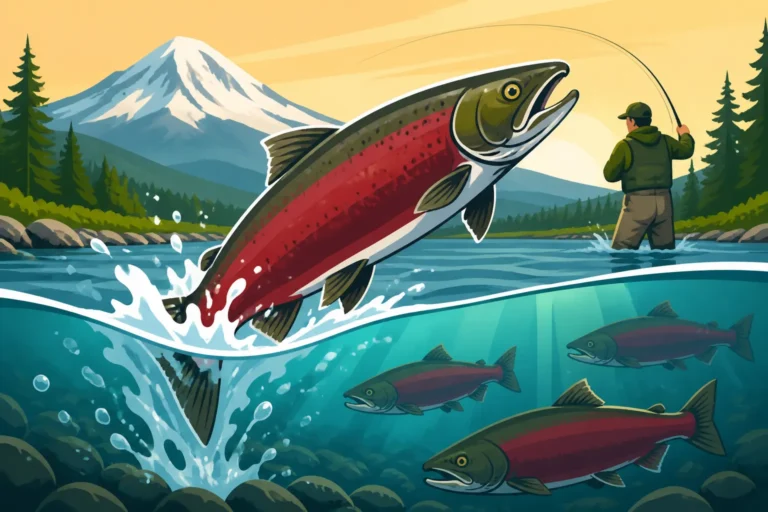
There's a special kind of frustration that sets in when you're targeting Washington steelhead, those elusive, powerful ocean-run rainbow trout. You know they're in the river, you've seen the subtle flash or heard a splash, but getting them to commit to a bite can feel like trying to solve a riddle wrapped in an enigma. This guide is all about demystifying one of the most effective and time-tested methods for enticing these magnificent fish: drift fishing with yarn and beads. We'll dive deep into everything you need to know, from the right gear to advanced techniques, to help you consistently connect with Washington's chrome beauties.
The Allure of Drift Fishing for Washington Steelhead
Drift fishing, particularly with subtle presentations like yarn and beads, is an art form that truly shines when pursuing steelhead. It's about letting your bait mimic the natural flow of the river, presenting an irresistible offering directly into the strike zone.
Why Drift Fishing Excels for Steelhead
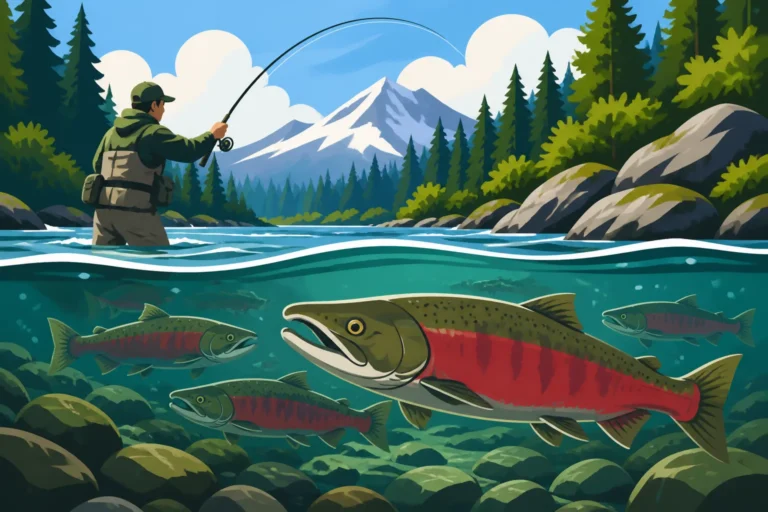
Steelhead are opportunistic feeders, but they can also be incredibly wary. Unlike many other species that will chase down a fast-moving lure, steelhead often prefer a natural, unhurried presentation that drifts effortlessly into their holding lies. Imagine a piece of natural fish roe or an insect egg tumbling downriver, dislodged from the gravel and making its way along the current – that's the illusion you're trying to create with drift fishing.
This technique allows your bait to cover a lot of water, methodically presenting itself to fish that might be tucked away behind a rock, in a deep slot, or along a subtle current seam. By maintaining a controlled, drag-free drift, you ensure that your offering looks as authentic as possible, not pulled unnaturally by your line. This stealthy approach is crucial, especially in the clear, often challenging waters of Washington's renowned steelhead rivers. It’s a stark contrast to some aggressive casting techniques, offering a subtle invitation that a weary steelhead finds hard to refuse.
Understanding Steelhead Behavior in Rivers
To truly master drift fishing, you need to think like a steelhead. These fish are powerful swimmers, but they're also energy conservators. They seek out "holding water" – spots where they can rest out of the main current while still having easy access to passing food. This often means current breaks: behind large boulders, in the soft seams where fast water meets slow, at the head or tail of a deep pool, or even along undercut banks.
During their upstream migration, steelhead aren't necessarily actively feeding in the same way a resident trout might be. Instead, they often strike out of aggression, territoriality, or simply an ingrained instinct to consume protein when presented with an easy meal. This is where yarn and beads truly shine. A bead can perfectly imitate a single salmon or steelhead egg, a high-protein snack, while a small cluster of yarn can mimic a cluster of eggs or even a small nymph. Understanding Winter vs Summer Steelhead Runs in Washington, Explained is also crucial, as their behavior and preferred holding lies can shift with water temperature and river conditions, directly impacting where you should focus your drifts.
Essential Gear for Yarn and Bead Drift Fishing
Having the right tools for the job makes all the difference when you're out on the river, battling the elements and elusive steelhead. Don't skimp on quality here; it pays dividends.
Rods, Reels, and Line Selection
The cornerstone of effective drift fishing is a well-balanced rod and reel setup that allows for sensitivity, precise line control, and enough backbone to handle powerful fish.
Rods: For Washington steelhead, you'll generally want a medium-light to medium action spinning or casting rod, typically between 8'6" and 10'6" in length. The extra length is not just for casting; it's absolutely vital for mending your line to achieve a drag-free drift and for keeping your line high above the water to avoid current interference. A good example might be a Lamiglas X-11 or a Fenwick HMG, known for their sensitivity and durability. For lighter presentations and clear water, a more moderate action can help protect lighter leaders, while a faster action provides quick hook-sets and more power to turn a fish in heavy current.
Reels: A high-quality spinning reel in the 2500-3000 size range, or a baitcasting reel with a smooth drag system, is ideal. Look for a reel that balances well with your rod and has a good line capacity. Smooth drag is non-negotiable when a strong steelhead decides to make a run for it. Shimano and Daiwa reels are popular choices among Washington anglers for their reliability.
Line: This is where things get a little more nuanced.
- Mainline: Many anglers prefer a high-visibility braided line (like PowerPro or Sufix) in 15-30 lb test. The no-stretch property of braid transmits every bump and subtle take directly to your hand, and its thin diameter cuts through current well. The bright color helps you track your drift, which is critical for mending. However, some traditionalists still prefer a good quality monofilament line for its shock absorption.
- Leader: This is arguably the most critical component. A fluorocarbon leader is almost universally preferred for its invisibility underwater and abrasion resistance. Typical leader weights for steelhead range from 8-15 lb test, depending on water clarity, fish size, and potential snags. In low, clear water, you might drop down to 6 lb, while in heavier, off-color conditions, 12-15 lb fluorocarbon might be necessary. Remember, the Leader Length for Clear Water Steelhead in Washington is often longer to provide a more natural presentation, especially when fish are spooky.
Terminal Tackle: Hooks, Weights, and Swivels
This is the business end of your setup, where all the magic happens. Every component needs to be correctly matched and tied.
Hooks: Opt for sharp, strong, light-wire hooks. Octopus style hooks are a favorite among steelhead anglers, often in sizes #1 to 2/0, depending on the bead or yarn size. Gamakatsu and Owner are popular choices. Ensure your hooks are barbless or that you pinch the barbs down, as many Washington rivers, especially those on the Olympic Peninsula or those with wild steelhead populations, have strict Barbless Hook Requirements on Washington Rivers. This is vital for the health of released fish.
Weights: The goal is to get your presentation down to the fish without inhibiting a natural drift.
- Pencil Lead: Thin, cylindrical lead that's crimped onto a leader or attached via a swivel. It snags less than other weights in rocky bottoms.
- Slinky Weights: Made from parachute cord filled with small lead shot. They are incredibly snag-resistant and popular in heavily structured rivers.
- Split Shot/Dumpy Weights: Good for fine-tuning weight, but can snag more easily.
- Cannonball/Bell Sinkers: Less common for sensitive drift fishing, but sometimes used in very heavy current.
The key is to use just enough weight to tick the bottom occasionally without dragging. Too much weight causes snags and an unnatural drift; too little and your bait floats above the fish. Consider the Sinker Weight for Drift Fishing to be a dynamic part of your setup, changing as conditions dictate.
Swivels: Small, high-quality barrel swivels or three-way swivels are essential. They prevent line twist, especially when using braided mainline with a fluorocarbon leader. A good quality swivel like those from Spro or Owner in sizes #10-#12 are usually sufficient.
The Art of Yarn and Bead Construction
This is where you truly personalize your presentation. The combination of beads and yarn is incredibly versatile and effective.
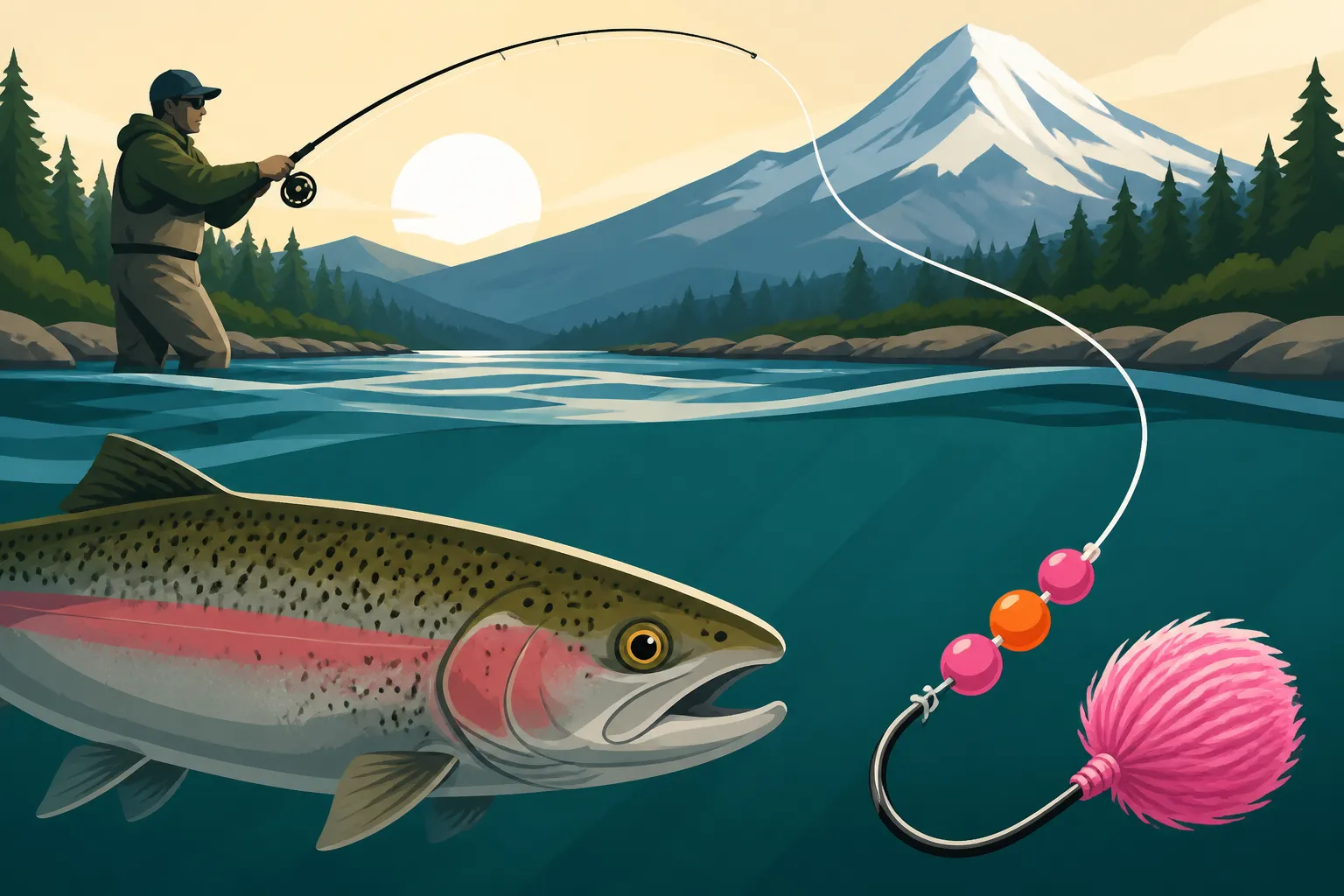
Beads: Beads mimic fish eggs, which are a natural food source for steelhead.
- Types: Plastic beads are the most common, but soft beads (like Mad River Manufacturing or LureParts.com brands) are becoming increasingly popular for their realistic feel and action. Hard beads can also be effective.
- Colors: The most popular colors mimic natural salmon and steelhead eggs: "roe" (peach, orange, pink), "chartreuse," "cerise," "natural egg," and even "blood red." The best color often depends on water clarity and the species of fish that are or have been spawning in the river. In clear water, natural, muted colors often work best. In turbid water, brighter colors like chartreuse or cerise can stand out.
- Sizes: Beads typically range from 6mm to 12mm. Smaller beads are generally preferred for low, clear water or spooky fish, while larger beads can be effective in high, murky water or when targeting more aggressive fish.
You can find a huge variety of beads on online retailers like Amazon, offering options for every condition imaginable.
Yarn: Yarn serves several purposes: it provides buoyancy, adds visual attraction, and most importantly, can be scented to entice strikes.
- Types: Specialized "roe bag" yarn, or even synthetic craft yarn, works well. The key is material that holds scent, flutters naturally in the current, and has a soft texture.
- Colors: Again, natural egg colors, chartreuse, and white are common. Sometimes contrasting colors can create an enticing "hot spot."
- How to Tie: Yarn is usually tied in a small cluster or "egg loop" knot directly to the hook shank, often just below the bead. The idea is for the yarn to lightly brush the bottom and pulsate, while the bead drifts slightly above it, mimicking a natural egg. A quick search on platforms like Amazon will show you various brands of dedicated fishing yarn, often pre-cut and ready to go, which can save a lot of time on the riverbank.
Sinker Weight Guide for Different Currents/Depths
Choosing the right weight is critical for a natural drift. This table provides a general guideline, but river conditions (flow, depth, snags) will always dictate the final choice.
| River Condition (Current/Depth) | Recommended Sinker Type | Typical Weight Range (Ounces) | Notes |
|---|---|---|---|
| Slow/Shallow | Small Split Shot, Pencil Lead | 1/8 – 1/4 oz | Ideal for clear, low water. Focus on minimal weight to avoid snags and maintain a natural drift. |
| Moderate/Medium | Pencil Lead, Slinky | 1/4 – 1/2 oz | Most common scenario. Aim to "tick" the bottom occasionally, not drag heavily. |
| Fast/Deep | Slinky, Heavy Pencil Lead | 1/2 – 3/4 oz+ | Use heavier weights to reach the strike zone quickly. Slinkies are best for snaggy bottoms. |
| Very Fast/Turbid | Heavy Slinky, Cannonball | 3/4 – 1 oz+ | For blown-out rivers or strong currents. May require more aggressive mending and casting upstream. |
Remember, this is a starting point. Always adjust your weight until you feel the bottom occasionally without getting hung up constantly.
Rigging Up for Success: Step-by-Step Guide
Getting your rig set up correctly is crucial for achieving that perfect, natural drift. A poorly tied knot or an imbalanced setup will undermine all your efforts.
Building Your Leader System
The leader system connects your main line to your hook, and it needs to be both strong and subtle.
- Mainline to Leader Connection: If you're using braided mainline, you'll need a knot to connect it to your fluorocarbon leader. The Blood Knot or the Double Uni Knot are both excellent choices, known for their strength and slim profile, which minimizes weed pickup. Practice these at home until you can tie them quickly and reliably.
- Leader Length: For general drift fishing, a leader anywhere from 3 to 6 feet is common. In extremely clear water or when fish are particularly shy, extending your leader length can be beneficial. However, too long a leader can make casting difficult and reduce sensitivity. A good starting point for many Washington rivers is a 4-foot leader.
- Adding Swivels: Many anglers prefer to incorporate a small barrel swivel between their mainline and leader, or a three-way swivel if they plan on using a dropper weight system. The swivel helps prevent line twist and provides a clean break point for your weight. If using a three-way swivel, your mainline ties to one eye, your leader (to the hook) to another, and a short piece of lighter monofilament (called a "breakaway leader") for your weight to the third. This way, if your weight snags, you only lose the weight, not your entire rig.
Each knot needs to be tied cleanly and cinched down properly. Lubricate knots with saliva before tightening to prevent friction from weakening the line.
Attaching Your Weight System
The correct weight system ensures your bait gets to the fish and stays in the strike zone.
- Movable vs. Fixed Weight: For drift fishing, movable weight is usually preferred. This allows you to adjust the weight's position on the leader or mainline quickly. Most commonly, a slinky weight or a piece of pencil lead is attached to a small swivel or a section of leader material that is then connected to your main leader system.
- Slinky Attachment: If using a slinky, it's typically tied to a short (~6-12 inch) piece of lighter mono leader (e.g., 6-8 lb test) that's then tied to one eye of a three-way swivel. This breakaway leader ensures that if the slinky snags, the lighter line breaks, and you only lose the weight.
- Pencil Lead Attachment: Pencil lead can be threaded through a small surgical tubing or rubber band and then crimped directly onto your leader. Alternatively, it can be attached to a small snap swivel that clips to a loop in your leader. The key is to position the weight far enough above your bait (12-24 inches) so that your yarn and bead can tumble naturally, but close enough to get it down quickly. Too close, and the weight might scare fish; too far, and your bait might drift too high.
The goal is always to have your weight ticking the bottom gently, leading your bait through the holding water. You want to feel those light taps on the bottom, not a constant drag.
Crafting the Perfect Yarn and Bead Combo
This is where your presentation comes to life, mimicking a steelhead's natural food source.
- Pegging the Bead: The bead should be "pegged" a small distance (0.5 to 1.5 inches) above your hook. This is done with a small toothpick or a rubber peg (found at any tackle shop or online like Amazon). The peg prevents the bead from sliding down onto the hook, allowing it to float naturally above the yarn and flutter enticingly. The gap between the bead and hook gives the fish a clear target for the hook point when it takes the bait.
- Tying the Yarn: Cut a small piece of yarn, usually about 1/2 to 1 inch long. Take this piece and thread it through the eye of your hook. Then, tie a simple overhand knot or an egg loop knot around the hook shank, creating a small, bushy cluster of yarn just below the bead. You want enough yarn to create a presence and hold scent, but not so much that it's bulky or unnatural.
- Scent Application: This is an often-overlooked but vital step. Apply a generous amount of scent (like Mike's Lunker Lotion, Pro-Cure, or Anise scent) to your yarn. Steelhead rely heavily on their sense of smell, especially in off-color water. Reapply scent frequently, ideally after every few drifts or whenever you check your bait.
- Variations: Don't be afraid to experiment. Sometimes, a single bead with no yarn is best. Other times, a very small piece of yarn without a bead works. Some anglers like to use two different colored beads, or a larger bead directly on the hook with a small piece of yarn. The key is to match the hatch, so to speak, of what salmon or steelhead eggs might be in the river at that time.
Mastering the Drift: Techniques and Strategies
Rigging is one thing, but actually presenting your bait effectively is where experience truly comes into play. It takes practice, observation, and adaptability.
Reading the River: Where to Cast
Knowing where to cast is paramount. You can have the perfect rig, but if it's not in front of a fish, it's useless.
- Identify Holding Water: As discussed earlier, steelhead hold in current breaks and softer water. Look for:
- Seams: The line where fast water meets slower water. This is a prime travel lane and feeding zone.
- Tailouts: The shallower, faster water at the end of a deep pool. Fish often stack up here before moving into the next pool.
- Heads of Pools: The deeper water just below a riffle or rapids. Fish will rest here.
- Deep Slots: Channels or depressions in the riverbed.
- Structure: Large boulders, submerged logs, undercut banks, and fallen trees all provide cover and current breaks.
- Cast Upstream and Across: You want your rig to enter the holding water before your line passes over it. Cast upstream and slightly across the current, aiming to land your weight in the faster water that will carry it into the desired seam or pool. This gives your bait time to sink and start its natural drift.
- Observe and Adjust: Pay close attention to how your line and float (if using one) are drifting. Are they moving at the same speed as the surface current? If so, you might be drifting too fast. Watch other anglers, and if you see them having success, try to emulate their casting and drifting approach. Remember that different sections of the river, like those on Washington's Olympic Peninsula Rivers, can have distinct characteristics that influence where steelhead hold.
Executing the Perfect Drift
A "perfect drift" means your bait is moving at the exact same speed as the current directly around it, with no drag from your line pulling it unnaturally.
- The Cast: Use an upstream, cross-current cast. Aim slightly further upstream than where you expect the fish to be. The exact distance will depend on the current speed and depth.
- Mending Your Line: As soon as your weight hits the water, you'll likely need to "mend" your line. This involves flipping an arc of slack line upstream to compensate for different current speeds between your line and your bait. Imagine forming a "belly" in your line that's upstream of your bait, which the current then pushes downstream, effectively slowing down your line's travel speed and keeping it in sync with your lure. This is why a longer rod is so crucial – it gives you leverage to pick up and mend larger sections of line. You might need to mend several times during a single drift.
- Maintaining Tension (but not drag): You want enough tension to feel every tap and bump, but not so much that you're pulling your bait faster than the current. This is a delicate balance. Keep a slight bend in your rod tip and your finger lightly on the line, feeling for those subtle takes.
- Detecting Bites: This is often the trickiest part. Steelhead takes can range from a violent yank to a barely perceptible "tick" or pause in your line's drift. Watch your line where it enters the water for any hesitation, jump, or subtle movement. If you feel anything unusual or see your line behave strangely, set the hook! When Drift Fishing for Steelhead in Washington Rivers, every subtle change in your line's movement is worth investigating.
Adjusting for Conditions: Water Level and Clarity
River conditions in Washington can change rapidly, and successful anglers adapt.
- High Water/Off-Color Conditions:
- Bigger Baits: In murky water, steelhead often rely more on scent and vibration. Larger beads (10-12mm) and bushier yarn can be more visible and emit more scent.
- Brighter Colors: Fluorescent colors like chartreuse, cerise, or "hot pink" stand out better in stained water.
- Heavier Weight: High water typically means faster currents, so you'll need heavier sinkers to get your bait down quickly and keep it in the strike zone. You might need to add 1/4 to 1/2 oz more than you would in normal conditions.
- Slower Drifts: Steelhead will often tuck into softer water close to the bank in high water. Focus your casts closer to shore and aim for slower, more controlled drifts in these areas. For more specific advice, check out How to Fish for Steelhead in High Water.
- Low Water/Clear Water Conditions:
- Lighter Line/Smaller Baits: In clear water, stealth is paramount. Drop down to lighter fluorocarbon leaders (8-10 lb), use smaller beads (6-8mm), and less obtrusive yarn. Natural, muted colors like "ghost shrimp," "natural roe," or "light pink" are often more effective.
- Longer Leaders: A longer leader (5-6 feet) can help keep your weight further from your bait, providing a more natural and less intimidating presentation.
- Fewer Mends/Stealthier Approach: Minimize splashing and noise. Make fewer, more subtle mends to avoid spooking fish. Long casts are often necessary to keep a distance from the wary steelhead.
- Fish Are Spooky: Steelhead in clear water are easily spooked. Keep a low profile, avoid sudden movements, and wear neutral-colored clothing. For an in-depth look, read How to Fish for Steelhead in Low, Clear Water. This is also where understanding How Water Clarity Affects Steelhead Fishing becomes absolutely critical for success.
Common Mistakes and How to Avoid Them
Even seasoned anglers make mistakes, but being aware of common pitfalls can significantly improve your success rate.
Poor Weighting and Unnatural Drifts
This is perhaps the most common and detrimental mistake in drift fishing.
- Too Little Weight: If your bait is constantly floating over the fish, you'll never get a bite. Your rig needs to be on the bottom, or at least occasionally ticking it. Watch your line closely; if it's drifting faster than the current at the bottom, you need more weight.
- Too Much Weight: Conversely, if you're constantly snagging on the bottom, or your rod tip is bent sharply because your weight is dragging, you have too much. This creates an unnatural, jerky drift and spooks fish. It also quickly depletes your tackle box. Adjust your weight by either adding or removing split shot, or by changing out your slinky/pencil lead to a heavier or lighter option. The goal is a delicate balance.
- Improper Line Mending: If you're not mending your line effectively, your main line will get caught in faster surface currents and pull your bait unnaturally. This "drag" makes your offering look suspicious and will often result in no bites. Practice your mending technique constantly. It's a skill that develops over time and significantly improves your drifts.
Missed Bites and Setting the Hook
Steelhead can have incredibly subtle takes, making it easy to miss them.
- Hesitation vs. Full Take: A common mistake is waiting for a strong "thump" before setting the hook. Often, a steelhead will simply "mouth" the bait, or your line will just pause or twitch slightly. If you see or feel anything out of the ordinary, assume it's a fish.
- Setting the Hook Too Early/Late: There's a sweet spot. If you set too early, you pull the bait away from the fish. Too late, and the fish may spit it or you might get a gut hook. The moment you detect a take, sweep your rod firmly upstream and slightly away from you, rather than a direct upward pull. This creates a strong hookset into the corner of the fish's mouth. Don't go for a violent jerking motion; a firm, sustained sweep is more effective.
- Lack of Focus: Drift fishing requires constant attention. Don't get distracted by conversations, scenery, or your phone. Your eyes should be on your line, your hands feeling the rod. Every second counts.
Snags and Losing Tackle
Losing tackle is part of the game, but you can minimize it.
- Understanding the Riverbed: If you know a section of river is particularly snaggy (e.g., full of submerged logs or large boulders), adjust your weight or even your casting angle to avoid the worst spots.
- Using Breakaway Leaders for Weight: As mentioned, tying your sinker on a lighter piece of mono (the breakaway leader) to a three-way swivel means you'll only lose the weight, not your entire rig, when you snag. This saves hooks, leaders, and precious time.
- "Popping" Your Snag: If you do get snagged, don't just pull harder. Point your rod directly at the snag, grab the line just above the reel, pull it taut, and then quickly release it, letting the line "snap" back. Sometimes this motion can dislodge the weight. Walk upstream or downstream of the snag if possible, and try pulling from a different angle.
- Keep Your Hooks Sharp: Dull hooks don't penetrate. Check your hook point frequently and sharpen it with a small hook file. A sharp hook is less likely to snag a rock and more likely to find purchase in a fish's mouth.
Local Wisdom for Washington Steelhead Rivers
Washington is blessed with an incredible diversity of steelhead rivers, each with its own character and nuances. What works on one river might need slight adjustments for another.
Tailoring Techniques to Specific Rivers
While the fundamental principles of drift fishing remain the same, local knowledge can give you an edge.
- Olympic Peninsula Rivers (e.g., Sol Duc, Hoh, Quillayute): These are often smaller, rain-fed rivers known for their wild steelhead runs. They can blow out quickly with heavy rain, turning murky and high, but they clear just as fast. When clear, presentations need to be very subtle: lighter leaders, smaller beads (6-8mm), and natural colors. When high and off-color, don't be afraid to go with bigger, brighter beads and heavier weight. Many of these rivers have strict catch-and-release rules and barbless hook requirements, so gentle handling is crucial.
- Columbia River Tributaries (e.g., Cowlitz, Kalama, Lewis): These are larger, often hatchery-supplemented rivers with more consistent flows due to dam systems. They can handle more fishing pressure and often have more generous bag limits (always check current regulations!). Here, slightly heavier tackle might be more appropriate, and a wider range of bead and yarn colors can be effective. The Cowlitz River for Steelhead and Salmon in Washington, for instance, can fish quite differently from a small coastal stream, often requiring more aggressive weighting to contend with deeper, faster channels.
- Puget Sound Rivers (e.g., Skykomish, Skagit, Snohomish): These rivers are often heavily pressured and require a keen understanding of specific run timing and regulations. They offer both hatchery and wild fish opportunities. The Skagit River and Its Winter Steelhead Run, for example, is renowned for its wild steelhead and often has very restrictive seasons and gear rules. On these rivers, patience and precision are key. Presentations might need to be fine-tuned to mimic specific forage available, and knowing the latest emergency rule changes is non-negotiable.
Always, always consult the current Washington Department of Fish and Wildlife (WDFW) regulations pamphlet or their website before you head out. Rules change frequently, and being informed is your responsibility.
Seasonal Considerations for Yarn and Beads
The time of year dictates not only which runs are present but also their behavior and preferred diet.
- Winter Steelhead: These fish are generally larger and more aggressive, often migrating in colder, higher, and murkier water. This is when larger, brighter beads (e.g., chartreuse, cerise, orange) paired with substantial yarn are highly effective. Scent is critical. Focus on slower, deeper runs and current breaks where fish conserve energy. Rain Gear You Need for Winter Steelheading is also an absolute must – you'll be out in some challenging weather!
- Summer Steelhead: These fish enter the rivers in warmer, often lower, and clearer conditions. They tend to be smaller, more acrobatic, and can be incredibly spooky. Stealth and finesse are paramount. Opt for smaller, more natural-colored beads (e.g., natural roe, light peach, clear with glitter) and minimalist yarn. Longer, lighter fluorocarbon leaders are a good choice. Focus on faster, oxygenated water, riffles, and shaded holding lies. They are often more willing to chase, but still appreciate a natural drift.
- Spawn Timing: The presence of actively spawning salmon or steelhead in a river is a huge factor. When salmon are spawning, loose eggs are a primary food source, making egg-pattern beads and roe-scented yarn exceptionally effective. The color of your bead should often mimic the eggs of the dominant spawning species.
By understanding the seasonal shifts and tailoring your yarn and bead presentation accordingly, you significantly increase your chances of connecting with one of Washington's most revered game fish. It’s a journey of learning, adapting, and enjoying the incredible beauty of our Pacific Northwest rivers.
Disclaimer
Fishing regulations, seasons, and gear restrictions in Washington State can change frequently and without much notice, especially concerning sensitive species like steelhead. While we strive to provide accurate and up-to-date information, it is the angler's sole responsibility to consult the latest Washington Department of Fish and Wildlife (WDFW) regulations pamphlet or their official website before heading out on any fishing trip. Always prioritize safety, responsible angling practices, and adherence to all local, state, and federal laws.