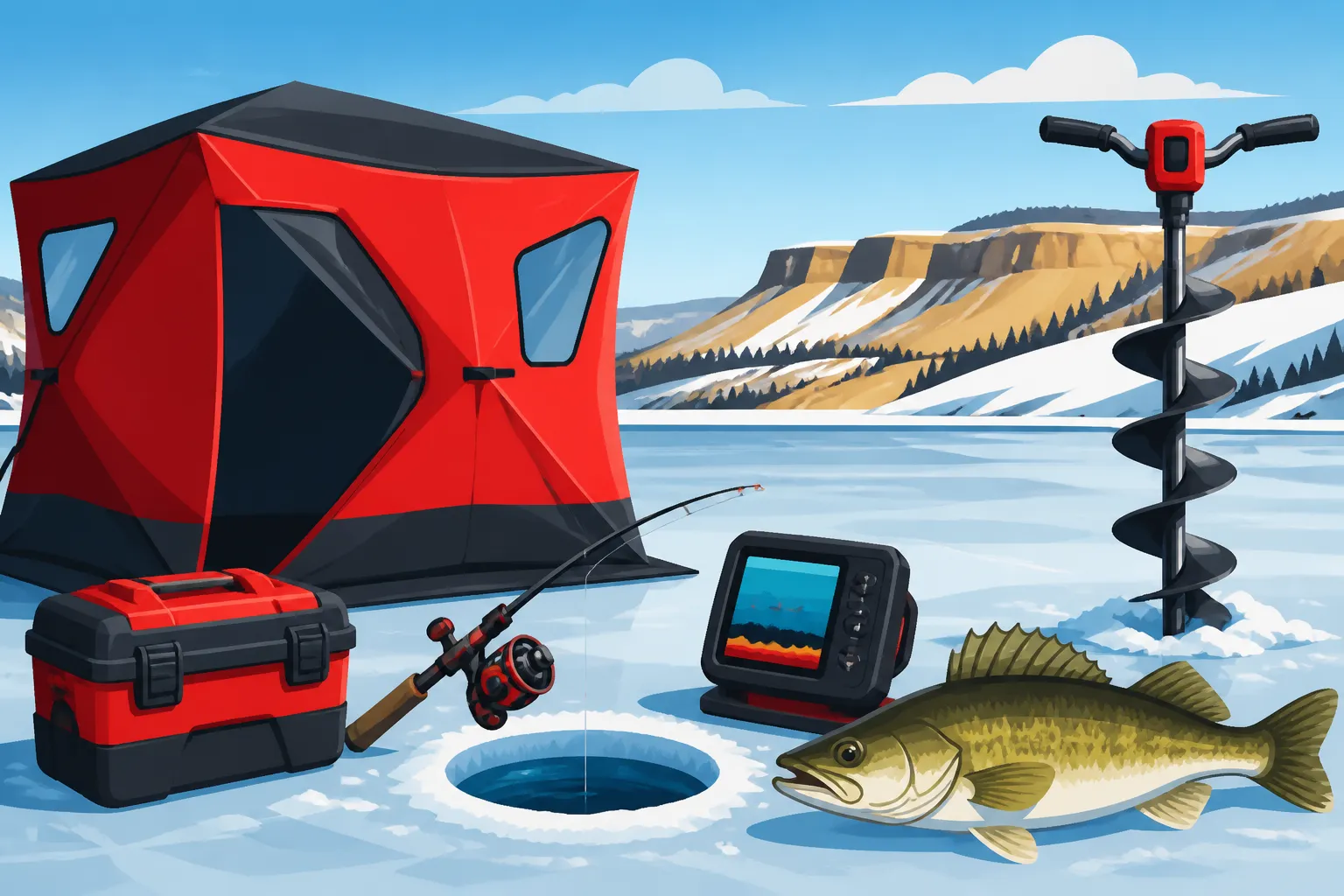
Ice Fishing Gear for Eastern Washington Lakes
Venturing out onto the frozen expanse of an Eastern Washington lake for some ice fishing might sound daunting, especially when you're staring at a dizzying array of gear online or in a sporting goods store. It's easy to feel overwhelmed, wondering if you have the right tools to stay safe, warm, and actually catch fish. This comprehensive guide is designed to cut through that confusion, giving you a detailed breakdown of the essential gear you'll need to confidently and successfully enjoy the unique thrill of hardwater angling in our beautiful state.
The Essentials: What You Absolutely Need Before Hitting the Ice
Before you even think about dropping a line, there are a few non-negotiable items that every ice angler heading to Eastern Washington needs. These aren't just about catching fish; they're about ensuring your safety and comfort in what can be truly unforgiving conditions. Forget one of these, and your dream day on the ice can quickly turn into a cold, miserable, or even dangerous experience.
Safety First: Staying Safe on Frozen Water
Let's be real, ice fishing means being on ice. And ice, especially in areas with varying depths, currents, or spring-fed sections, can be unpredictable. You absolutely cannot skimp on safety, especially if you're new to the game or exploring a new lake in Eastern Washington. What might be solid ice in one spot could be dangerously thin just a few feet away.
First and foremost, never, ever head out without proper ice safety tools. A pair of ice picks, worn around your neck and easily accessible, can be a literal lifesaver if you happen to break through. They give you the grip you need to pull yourself back onto solid ice. A throw rope, usually 50-75 feet long and kept in a bag that floats, is crucial for helping someone else (or being helped yourself) without putting another person at risk. It's surprising how many people skip these simple items, thinking "it won't happen to me." Trust me, when it's cold, and you're far from shore, you want every advantage.
Beyond immediate rescue tools, consider your attire. A flotation suit, like those made by Striker or Eskimo, offers built-in buoyancy in case of a breakthrough, significantly increasing your survival time in icy water. Even if you don't opt for a full suit, layering correctly is paramount. We’ll dive deeper into proper layering soon, but remember that wet clothes in freezing temperatures lead to hypothermia much faster than you’d imagine. Always tell someone where you're going and when you expect to be back, especially if you're venturing out alone. Cellular service can be spotty on some remote Eastern Washington lakes, so don't rely solely on your phone for emergencies.
Ice Augers: Cutting Through the Chill
You can't ice fish without a hole in the ice, and for that, you need an auger. The choice of auger really boils down to how much effort you want to put in, how thick the ice is, and how many holes you plan to drill.
-
Manual Augers: These are the simplest and most affordable option. Brands like Mora or StrikeMaster offer solid manual augers that work by hand-cranking. They're lightweight, quiet, and don't require fuel or batteries. For early season ice (up to 8-10 inches) or if you only plan to drill a few holes, a manual auger is perfectly adequate. However, trying to drill through 20 inches of ice on a popular Eastern Washington lake like Banks Lake with a manual auger will quickly become a workout you didn't sign up for, and can really limit your mobility if you need to chase schooling fish.
-
Power Augers (Gas/Propane): For thicker ice or if you plan to drill many holes, a gas or propane auger is a game-changer. Gas augers, like those from Jiffy or Eskimo, are powerful and cut through ice with ease, regardless of thickness. The downside is they're heavier, louder, require fuel and oil, and can be finicky to start in extreme cold. Propane augers offer a cleaner alternative, often starting easier and burning cleaner, but the propane canisters can be a bit awkward to carry. These are ideal for anglers who frequent the bigger, colder lakes where ice can get seriously thick.
-
Electric Augers: The newest kid on the block, electric augers, such as those by Ion or Milwaukee's M18 Fuel series with an auger attachment, are gaining immense popularity. They're powerful, quiet, start instantly, and are environmentally friendly. Battery life has improved dramatically, with many capable of drilling dozens of holes on a single charge through significant ice. The primary drawback is the initial cost, which can be higher than gas or propane models, and the need to manage battery temperature in extreme cold to maximize performance. Many anglers find these a fantastic middle-ground, offering the power of gas with the convenience of manual.
The choice really depends on your budget, physical stamina, and how serious you are about targeting particular species. If you're just looking for a casual day chasing trout, a manual auger might suffice. But if you're chasing walleye on Banks Lake, where you might need to drill 30 holes to find them, a power or electric auger will be your best friend.
Rods, Reels, and Line for the Hardwater
Ice fishing gear for rods and reels is a specialized beast, quite different from your open water setup. The principles are the same, but the dimensions are scaled down for the unique environment.
-
Ice Fishing Rods: These are typically much shorter, ranging from 24 to 36 inches. The shorter length is practical for fishing in a small shelter or just sitting on a bucket, but it also provides a unique advantage: sensitivity. Because you’re often directly over the fish, you don't need the casting distance of a conventional rod. The reduced length allows you to feel the subtle nibbles of a lethargic fish that might otherwise go unnoticed. Rod actions vary from ultralight (for panfish and small trout) to medium-heavy (for bigger trout, kokanee, or walleye). For most Eastern Washington fishing, a good all-around choice would be a 28-32 inch medium-light or medium action rod. Look for rods with sensitive tips, often graphite, that can telegraph those faint bites. Brands like Fenwick, Ugly Stik, and St. Croix offer excellent ice fishing rod options.
-
Ice Fishing Reels: While you can technically use a small spinning reel, dedicated ice reels offer features that enhance the experience. They often have larger arbors to prevent line coiling in the cold and smoother drags that won't freeze up. Inline reels, which are essentially small fly reels, are also popular for micro-jigging, as they eliminate line twist. Whether you go with a spinning or inline reel, ensure it’s rated for cold temperatures and has a smooth, reliable drag system.
-
Line Types: Monofilament, fluorocarbon, and braided lines all have their place in ice fishing. Monofilament is affordable and has some stretch, which can be forgiving. Fluorocarbon is nearly invisible underwater, has less stretch, and sinks faster, making it great for jigging. Braided line offers maximum sensitivity and strength with almost no stretch, but it can absorb water and freeze up, becoming a nuisance. Many anglers use a short fluorocarbon leader (3-5 feet) tied to a braided mainline for the best of both worlds. Line weight typically ranges from 2lb test for panfish and small trout to 8-10lb for larger walleye or substantial kokanee. Don't forget, you can often find great deals on these specialized items on sites like Amazon.
Specialized Tackle for Eastern Washington Ice Fishing
Once your safety gear and basic hole-drilling setup are sorted, it’s time to think about what goes into the water. Eastern Washington offers diverse ice fishing opportunities, from trout in small lakes to trophy walleye and kokanee in massive reservoirs, and each species often requires specific presentations.
Lures and Baits for Specific Species
Knowing what you’re fishing for is key to choosing the right lure or bait. Fish metabolism slows down in cold water, making them less aggressive, so subtle presentations often outperform flashy ones.
-
Trout (Rainbow, Cutthroat, Brown): For species found in stocked lakes like Curlew Lake or Fish Lake, small jigs tipped with bait are incredibly effective. A 1/16 to 1/8 ounce lead head jig in bright colors (chartreuse, orange, pink) tipped with a small piece of nightcrawler, a mealworm, or a Berkley PowerBait Power Maggot is often all you need. Small spoons like Kastmasters or Swedish Pimples, tipped with a similar bait, also work well, especially when jigged to mimic a dying baitfish. The scent of PowerBait or similar dough baits, fished off the bottom with a small sinker, is also a classic trout getter.
-
Kokanee Salmon: These landlocked sockeye are a favorite target in lakes like Lake Chelan and Lake Roosevelt. Kokanee are notorious for being finicky eaters, often preferring very small presentations. Tiny jigs (1/32 to 1/16 ounce) in bright colors (pink, orange, green) tipped with a kernel of shoepeg corn are a go-to. Small spoon-like lures, often called "wedding rings" or "flutter spoons," can also entice bites. The key with kokanee is often subtle jigging – just enough movement to make the lure dance. Using a fish finder to locate schools and then dropping your lure directly into them is crucial for success.
-
Walleye: If you’re heading to Banks Lake or the upper reaches of Lake Roosevelt, walleye will be your target. These toothy predators often prefer a more aggressive presentation. Jigging spoons, like the Rapala Jigging Rap or Northland Buck-Shot Rattle Spoon, are very effective. Tipping them with a minnow head or a whole live minnow (where legal) can significantly increase your strike rate. Blade baits and soft plastics on jig heads also work. Walleye are often found near structure or along drop-offs, so using a fish finder to pinpoint them is almost mandatory.
When selecting lures, think about visibility and vibration. In stained water, brighter colors and lures with rattles can attract attention. In clear water, natural colors and subtler movements often work better. Always check local regulations for bait restrictions, as some lakes might have bait bans.
Finding the Fish: Electronics and Gear
You can drill a hundred holes, but if you're not over fish, you're just getting cold. This is where electronics shine in ice fishing. They take the guesswork out of finding fish and greatly increase your efficiency.
-
Fish Finders (Flashers/Sonar): Dedicated ice fishing fish finders, often called "flashers," are invaluable. Brands like Vexilar, Marcum, and Humminbird Ice Helix series are popular choices. These devices provide a real-time display of what's directly beneath your hole, showing fish, your lure, and the bottom contour. A good flasher allows you to see how fish react to your lure, letting you adjust your presentation instantly. For example, if you see fish rising quickly to your lure, you might jig more aggressively. If they're hesitant, a subtle quiver might be more effective. Many modern units also offer traditional sonar views and GPS mapping capabilities, which can be a huge help on larger, unfamiliar bodies of water. Knowing the exact depth and seeing the bottom structure can make all the difference, especially when targeting deepwater species in lakes like Chelan.
-
Underwater Cameras: While not as common as flashers, underwater cameras (Aqua-Vu, MarCum) offer a unique perspective. Being able to visually identify the species of fish, see how they're reacting to your bait, and observe the underwater structure in real-time is fascinating and educational. They are particularly useful in clear waters, such as many of Eastern Washington's higher elevation lakes. The downside is that they can be affected by murky water, light conditions, and often require a separate power source. They also don't provide the same immediate depth and target separation that a good flasher does, but for confirming bites or simply enjoying the view, they're hard to beat. You can find many popular models available on Amazon.
Shelters and Heaters: Comfort on the Ice
While some hardy anglers prefer to brave the elements, a good shelter and heater can transform an ice fishing trip from a test of endurance into a comfortable, enjoyable experience. This is especially true on windy days common in Eastern Washington.
-
Portable Pop-Up Shelters: These are incredibly popular for their convenience and portability. Brands like Eskimo, Clam, and Otter offer shelters that pop up in minutes, providing protection from wind, snow, and cold. They come in various sizes, from single-person flip-overs that attach to a sled to large, hub-style shelters that can accommodate multiple anglers. Most are insulated, making a huge difference in retaining heat. They often have windows for light, vents for air circulation, and even built-in seating. These are fantastic for anglers who like to move around to find fish, as they pack down relatively small and are easy to transport.
-
Permanent Ice Shacks: Less common on public lands but sometimes seen on private property or within established ice fishing communities, permanent shacks are typically built from wood or fiberglass. They offer maximum comfort with features like built-in benches, stoves, and even bunk beds. However, they are heavy, require significant effort to move, and often need special permits or placement considerations. For the casual angler, a portable shelter is almost always the more practical choice.
-
Propane Heaters: To truly make your shelter cozy, a portable propane heater is a must. The Mr. Heater Buddy series is the gold standard for ice fishing. They are safe, efficient, and designed for indoor use with oxygen depletion sensors and tip-over shut-offs. Always ensure proper ventilation when using any propane heater in a confined space. A small 1-pound propane cylinder will last several hours, but for longer trips, a 20-pound tank with an adapter hose will keep you warm all day. Staying warm allows you to focus on fishing, not shivering, which translates to longer, more enjoyable outings.
| Auger Type | Pros | Cons | Best Use Cases |
|---|---|---|---|
| Manual | Lightweight, quiet, affordable | Requires physical effort, slow on thick ice | Early season (thin ice), few holes, budget-conscious, small lakes for trout |
| Gas | Powerful, fast, cuts through any ice | Heavy, noisy, fumes, harder to start in cold | Thick ice, many holes, targeting walleye/kokanee in large reservoirs |
| Propane | Powerful, cleaner, easier starts | Propane canisters can be bulky, less common | Thick ice, many holes, environmental preference, large reservoirs |
| Electric | Powerful, quiet, no fumes, instant start | Higher initial cost, battery management in cold | All-around excellent, frequent use, convenience, targeting various species |
Staying Warm and Comfortable on the Ice
Beyond the gear for catching fish, how you dress and what you bring for personal comfort will dictate how long you can stay out and how much you enjoy the experience. Eastern Washington winters can be brutally cold, with biting winds and temperatures often dipping well below freezing.
Layering for Extreme Cold
The golden rule of dressing for cold weather is layering, and for ice fishing, it’s absolutely critical. Avoid cotton at all costs; once wet, it loses its insulating properties and will make you colder.
- Base Layers: Start with a good quality base layer (or "long johns") made from merino wool or synthetic materials (polyester, polypropylene). These fabrics wick moisture away from your skin, keeping you dry even if you exert yourself. A damp base layer is a cold base layer.
- Mid-Layers: Over your base layer, add one or two insulating mid-layers. Fleece jackets, vests, or even thin down jackets work wonderfully. These layers trap air, providing warmth without excessive bulk. Depending on the temperature, you might wear a thicker fleece or a lighter one.
- Outer Layers: Your outermost layer needs to be waterproof and windproof. A good quality snowsuit or dedicated ice fishing suit is ideal. As mentioned earlier, many ice fishing suits include flotation, which adds a critical safety element. Look for suits with ample insulation, articulated knees for easy movement, and plenty of pockets. A high-quality parka and insulated bib pants from brands like Striker, Clam, or Eskimo will make a world of difference. Remember, the wind chill on an open frozen lake can be significantly colder than the ambient air temperature, so wind protection is key.
Remember that Washington state, while generally temperate on the west side, can get seriously cold in the east. Dressing properly for ice fishing on Eastern Washington's frozen lakes means you can focus on the fishing, not on shivering.
Footwear and Hand Protection
Your extremities are often the first to get cold, and numb fingers or toes can quickly end a fishing trip.
- Insulated Waterproof Boots: This is one area where you absolutely should not skimp. You need serious insulation and waterproof protection. Boots from brands like Muck Boots, Baffin, or Sorels are popular choices. Look for ratings that go down to -40°F or colder, especially if you plan to be out for extended periods or in extreme cold. The soles should be thick to insulate your feet from the ice, and a roomy toe box allows for good circulation and thick wool socks. Speaking of socks, invest in several pairs of high-quality merino wool or synthetic socks. You can layer a thinner pair under a thicker one.
- Traction (Ice Cleats): The ice isn't always smooth. Slush, refrozen ice, and uneven surfaces can be incredibly slippery. Ice cleats or "ice grippers" that strap onto your boots provide essential traction and prevent dangerous falls. This is especially true when navigating from your vehicle to your fishing spot across potentially slick surfaces.
- Hand Protection: This is a tricky one because you need warmth but also dexterity to tie knots, bait hooks, and handle fish. Many anglers opt for a layering approach here too. Start with thin, synthetic liner gloves that offer some warmth and maintain dexterity. Over these, wear a pair of heavy, insulated mittens (mittens are warmer than gloves because your fingers share warmth). When you need to perform a delicate task, you can slip off the mittens, leaving the liners on. Neoprene gloves or fingerless gloves are also popular for those times when you need maximum feel. Having multiple options allows you to adapt to changing conditions and tasks.
Essential Accessories for a Smooth Trip
Beyond the core gear, a few accessories make life on the ice much easier and more enjoyable.
- Sleds and Buckets: A sturdy sled (e.g., a "Jet Sled" or similar utility sled) is invaluable for hauling your gear across the ice. It saves your back and keeps everything organized. A 5-gallon bucket serves multiple purposes: a comfortable seat, storage for tackle, and a container for your catch. Some come with insulated lids or even built-in rod holders.
- Ice Scoopers: Once you drill a hole, ice chips will float to the surface. A simple ice scooper or skimmer helps clear these chips, keeping your hole open and your line free.
- Headlamps/Lanterns: Even if you plan to fish during the day, a headlamp is essential for early morning setups, late evening pack-ups, or if you plan to fish after dark. For inside your shelter, a small LED lantern provides ambient light.
- First-Aid Kit: Accidents happen. A basic first-aid kit with bandages, antiseptic wipes, pain relievers, and any personal medications is a must.
- Food and Drink: Pack plenty of high-energy snacks (protein bars, nuts, sandwiches) and warm beverages (coffee, tea, hot chocolate) in a thermos. Staying hydrated and fueled is crucial for maintaining body heat and energy.
- Sunscreen and Sunglasses: Believe it or not, the sun reflecting off the snow and ice can cause severe sunburn and "snow blindness." Don't forget these, even on cloudy days.
Setting Up Your Ice Fishing Station
Once you've arrived at your chosen spot on an Eastern Washington lake, setting up your ice fishing station efficiently is key to comfort and success. It's more than just drilling a hole; it's about creating an effective and safe fishing environment.
Optimizing Your Shelter Layout
If you’re using a portable shelter, how you arrange your gear inside can significantly impact your experience. A well-organized shelter reduces clutter, prevents tripping hazards, and keeps essential items within easy reach.
First, position your heater safely, away from flammable materials and with adequate ventilation. Most shelters have specific vents for this purpose. Next, set up your seating, whether it's a bucket, a folding chair, or a built-in bench if you have a flip-over style shelter. Make sure you have enough room to comfortably fish, set the hook, and land a fish without hitting your head or gear.
Keep your primary fishing rods ready, perhaps in rod holders mounted to the shelter or simply leaned against the side where they won’t be stepped on. Tackle boxes should be easily accessible but out of the main walking path. Many anglers use small shelves or hang organizers from the shelter's ceiling to keep things off the floor. Good lighting, whether from a small LED lantern or battery-powered string lights, can really improve the visibility and mood inside, especially on darker winter days or for evening fishing. Remember, good organization means less fumbling and more focused fishing time.
Drilling Holes and Spacing Considerations
Drilling your holes is more than just making a spot to drop your line; it's a strategic decision.
- Hole Placement: Think about the structure beneath the ice. If you have a lake map or fish finder, identify drop-offs, humps, or weed beds where fish might congregate. Drill holes around these features. For active fish, you might drill a line of holes to search an area. For more sedentary fish, closer spacing might be sufficient. If you’re targeting multiple species, you might vary your hole depths. For instance, shallow holes for panfish near the weeds, deeper holes for walleye or trout.
- Spacing and Safety: Generally, drill holes at least 10-15 feet apart, especially if you’re fishing with others. This prevents lines from tangling and gives everyone enough room to work a fish. More importantly, when fishing with a group, avoid drilling too many holes in a small area, especially if the ice thickness is marginal. A concentrated area of holes can weaken the ice, creating a hazard. Always spread out a bit and be aware of your surroundings. If you're using a gas auger, make sure the exhaust is well away from your shelter's intake or any open holes to prevent carbon monoxide buildup.
Managing Your Catch and the Environment
Part of being a responsible angler is knowing how to manage your catch and minimize your environmental impact.
- Handling Fish: When you catch a fish, especially in freezing temperatures, be mindful of how you handle it. If you plan to release it, do so quickly and carefully, minimizing its exposure to the air. Wet hands on a freezing fish can cause severe damage. If you plan to keep your catch, place it in a cooler or bucket immediately. Many anglers will "brain" a fish (a quick, humane kill) to preserve meat quality, especially for species like walleye or larger trout.
- Coolers and Storage: A cooler might seem counterintuitive for ice fishing, but it's essential. It keeps your fish from freezing solid (which can damage the meat) and protects them from scavengers. It also serves as a convenient way to transport your catch home. Plus, if you bring food, it keeps it from freezing.
- Leave No Trace: Always pack out everything you pack in, and then some. This includes all trash, broken line, bait containers, and especially any propane canisters. The goal is to leave the ice exactly as you found it, if not cleaner. Respect the environment and the privilege of fishing these beautiful Eastern Washington lakes.
Recommended Gear for Specific Eastern Washington Ice Fishing Destinations
Eastern Washington is a treasure trove of ice fishing opportunities, each lake often presenting its own unique challenges and target species. Tailoring your gear to your destination and quarry will significantly improve your chances of success.
Targeting Trout on Lakes like Curlew or Fish Lake
When heading to popular trout lakes such as Curlew Lake, Fish Lake, or even some of the smaller, regularly stocked lakes around Spokane, your gear can be a bit lighter and more finesse-oriented. Trout in these lakes are often abundant, but they can become lethargic in cold water.
For these spots, I recommend a medium-light or light action ice rod, around 26-30 inches, paired with a small spinning reel spooled with 4-6 lb test fluorocarbon or monofilament line. The sensitivity of the lighter rod will help you detect the subtle "tap-tap" of a trout mouthing your bait. Lures like small 1/16 to 1/8 ounce tungsten jigs in glow-in-the-dark, pink, or chartreuse are fantastic. Tip these jigs with a maggot, a small piece of nightcrawler, or even a piece of colored Berkley PowerBait.
Another highly effective method is using a small hook (size 8 or 10) with a split shot a foot or two above it, presenting a piece of PowerBait or a salmon egg just off the bottom. Trout often cruise just above the lakebed looking for an easy meal. Your fish finder will be invaluable here to see if fish are cruising through and how they react to your offerings. If you're in a shallow, clear lake, an underwater camera can also be a lot of fun to watch the trout interact with your bait. For sheer numbers, a manual or a small electric auger will handle the typical ice thickness on these lakes just fine, as you may not need to drill dozens of holes to find actively feeding fish. Remember to check daily limits before you go.
Tackling Walleye on Banks Lake or Lake Roosevelt
Moving onto the big water for walleye, especially on iconic fisheries like Banks Lake, or the extensive waters of Lake Roosevelt, requires a more robust approach. Walleye are predators, often found near structure or deeper flats, and they can hit hard, so your gear needs to be up to the task.
Here, a medium to medium-heavy action ice rod, 30-36 inches long, is a better choice. This provides the backbone needed to set a hook on a strong walleye and battle it out of deeper water. Pair it with a sturdy spinning reel spooled with 8-10 lb test fluorocarbon or braided line with a fluorocarbon leader. The added strength and abrasion resistance are crucial, as walleye have sharp teeth and can be found around rocky bottoms.
For lures, you'll want to focus on jigging spoons, blade baits, and lipless crankbaits. The Rapala Jigging Rap, Northland Buck-Shot Rattle Spoon, or a VMC Tungsten Mongo Jig are excellent choices. Tipping these with a minnow head or a whole live minnow (if regulations allow) can be extremely effective. Walleye are often found close to the bottom, so pay close attention to your fish finder to identify their preferred depth. A high-quality power or electric auger is almost a necessity for walleye fishing on these larger lakes. You'll likely be drilling many holes to locate schools of fish or to follow them as they move, and a manual auger will exhaust you quickly.
Deepwater Kokanee on Lake Chelan
Lake Chelan presents a unique ice fishing challenge: deepwater kokanee. These landlocked sockeye often suspend in the water column, sometimes in very deep water, and require a specialized approach.
For Lake Chelan kokanee, you'll want an ultra-light to light action rod, around 28-32 inches, with a very sensitive tip. The bites can be incredibly subtle, more of a "mush" than a "thump." A good quality spinning reel or an inline reel spooled with 4-6 lb test fluorocarbon line is ideal. The low stretch of fluorocarbon helps you feel those delicate takes.
Lure selection for kokanee is all about small, flashy, and scented. Tiny tungsten jigs (1/32 to 1/16 ounce) in bright colors like pink, orange, or green are king. Tip them with a single kernel of shoepeg corn, often soaked in a scent attractant. Small spoons like a Custom Jigs & Spins Chekai spoon or a Marmooska jig are also very popular. Downriggers are not typically used for ice fishing, but understanding how deep these fish suspend from your fish finder is absolutely essential. You’ll often be jigging in 40-80 feet of water, sometimes even deeper. The key to successful kokanee fishing is subtle jigging. A short, sharp lift followed by a long, slow fall often entices bites. Again, an electric auger will save you a lot of effort when cutting multiple holes to find these roaming schools. While many anglers will pick up specific jigs at local shops, you can find a vast array of specialized kokanee jigs and tackle on Amazon to round out your kit.
Disclaimer
Please note that fishing regulations in Washington State can change frequently, often with little notice due to emergency rule changes. It is the responsibility of every angler to check the most current regulations published by the Washington Department of Fish and Wildlife (WDFW) before heading out on any fishing trip. This guide is for informational purposes only and should not be considered a substitute for the official WDFW regulations.