Best Time to Fish for Coho in Washington
Trying to nail down the perfect time to intercept the acrobatic Coho salmon in Washington can feel like you’re chasing a ghost, especially with their unpredictable runs and ever-shifting regulations. It's a common frustration among even seasoned anglers. This guide will cut through the confusion, helping you understand the prime windows for targeting these "silver bullets" across the state, from the salty stretches of Puget Sound to the tumultuous coastal rivers.
Understanding the Coho Salmon Lifecycle and Washington Runs
Before we dive into specific dates and locations, it helps to understand a little about the Coho's natural rhythm. These incredible fish, also known as silver salmon, spend a good chunk of their lives out in the ocean, bulking up on baitfish, before returning to their natal rivers to spawn. This migratory journey dictates when and where we can expect to find them in our Washington waters.
Coho runs in Washington generally kick off in late summer and continue well into the fall, with some stragglers even appearing in early winter. They're often one of the last major salmon runs of the season, providing a thrilling finale for many anglers. Unlike their larger Chinook cousins, Coho are known for their aggressive strikes and aerial acrobatics once hooked, making them a fantastic sportfish. Understanding their typical migration patterns is key to being in the right place at the right time.
The General Timeline of Coho Migration
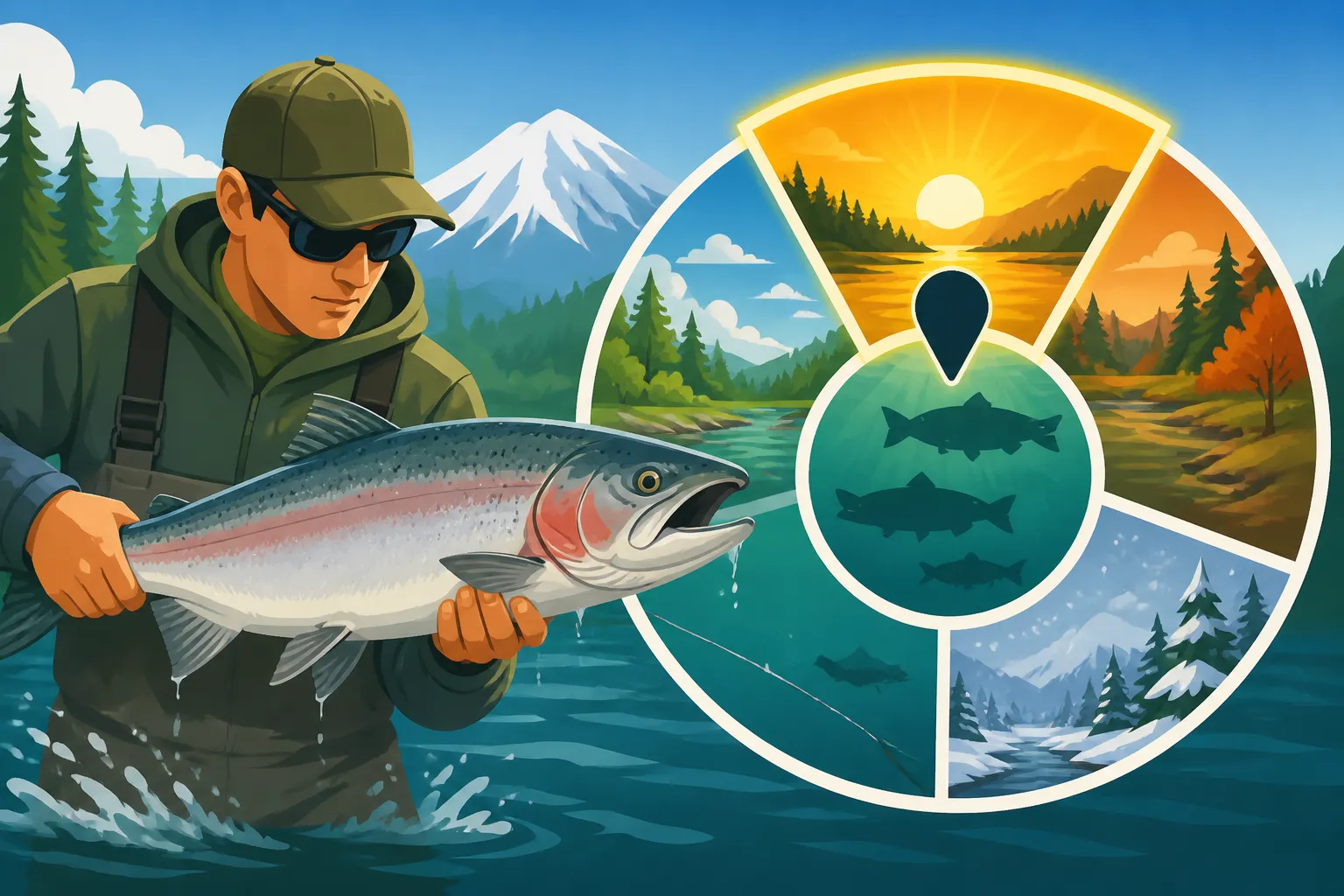
Typically, you'll start hearing whispers of Coho showing up in Washington's marine areas around August. These are often referred to as "early run" Coho, and they'll stage in marine areas, feeding heavily before making their final push into freshwater. As September rolls around, the numbers usually increase, and by October, the Coho season is often in full swing across many parts of the state. It's during this peak fall period that the rivers begin to swell with returning fish, and marine areas see consistent action.
The timing isn't always exact, though. It can vary by a few weeks each year depending on ocean conditions, water temperatures, and river flows. For example, a warm, dry summer might delay their push into rivers until later in the fall when rains bring up water levels. Conversely, an early cool-down with good rainfall can bring them in earlier. The main thing to remember is that the "best time" often spans several months, with different phases of the run offering different opportunities.
How Washington's Diverse Waters Influence Coho Timing
Washington is incredibly diverse when it comes to fishing grounds, and this diversity directly impacts when and where Coho are most prevalent. From the protected inlets of Puget Sound to the powerful flow of the Columbia River and the rain-fed coastal rivers, each area has its own unique Coho season nuances.
For anglers fishing in Puget Sound, the action can begin as early as late July or August in certain marine areas, though it really picks up in September and October. These fish are still bright, feisty, and actively feeding. As they get closer to their spawning grounds in the many rivers that feed Puget Sound, they become more concentrated and can offer incredible fishing.
On the Washington coast, particularly in rivers like the Quillayute, Hoh, and Sol Duc, the Coho runs typically peak from mid-September through October and even into early November. These rivers rely heavily on fall rains to bring in the fish from the ocean, so a good rain event can trigger a significant push of Coho.
The Columbia River also sees a strong Coho run, often peaking in September, particularly in the lower river and estuary during the famous "Buoy 10" fishery. These Coho are typically larger and can be found mixed in with Chinook salmon. This is an incredible fishery for those who love trolling.
Peak Coho Fishing Seasons by Region: Puget Sound, Coast, and Rivers
Let's break down the best times to target Coho in Washington by specific geographical regions. This will give you a clearer picture of when and where to focus your efforts for maximum success.
Puget Sound and its Feeder Rivers
For many Washington anglers, Puget Sound is synonymous with salmon fishing, and Coho are no exception. The season here usually kicks off in late summer and continues strong into fall.
- August: You might start to see Coho in the outer marine areas and deeper channels, like Marine Area 9 (Admiralty Inlet) or the Strait of Juan de Fuca (Marine Areas 5 and 6). These are typically ocean-bright fish, aggressively feeding, and often targeted by trollers. You can find excellent gear like downriggers and various trolling lures on Amazon to get you started. This early push can be fantastic, but it's often more spread out.
- September: This is often the prime month for Coho in the central and northern Puget Sound. Marine Areas 7 (San Juan Islands), 8-1 (Deception Pass), and 8-2 (Port Susan/Everett) can light up with action. The fish are still in great shape and responding well to a variety of techniques. They're starting to feel the urge to move into rivers, but still actively feeding. This is when you'll want to pay close attention to the specific Puget Sound Salmon Closures: What Washington Anglers Need to Know as emergency rules can be quite common here.
- October: As the month progresses, more and more Coho move into the feeder rivers and estuaries. This is a fantastic time for river anglers on systems like the Skykomish, Snohomish, Green, and Nisqually. These fish will be transitioning from saltwater to freshwater, and their behavior changes. Bank anglers become more prominent, and twitching jigs or drifting bait become highly effective. For boat anglers in the shallower marine areas or estuaries, mooching can be very productive.
Knowing how to identify a Coho salmon is crucial, especially when fishing in mixed species areas. Take some time to learn How to Identify Coho Salmon in Washington's Puget Sound before you hit the water.
Coastal Rivers of the Olympic Peninsula
The Olympic Peninsula is legendary for its wild salmon and steelhead fisheries, and its rivers offer some spectacular Coho fishing in the fall.
- Mid-September to October: This is the core season for rivers like the Hoh, Quillayute, Sol Duc, and Humptulips. These rivers are highly dependent on rainfall. Early season rains can bring in the first waves of fish, but the peak often coincides with consistent fall rain events that keep water levels up and encourage fish to push upstream. The fish here are often larger, wilder, and incredibly strong.
- November: The action can extend well into November on these coastal systems, especially in years with good rainfall. Later in the season, fish will be moving further upstream towards spawning grounds, and their colors will start to deepen. This is a prime time for drift fishing with roe, beads, or twitching jigs. Remember to always check the latest regulations, as wild steelhead release rules are often in effect on many Olympic Peninsula rivers and you don't want to accidentally keep a protected fish.
Many anglers find that getting out with a guide is invaluable on these complex river systems, especially if you're new to the area. They can put you on fish when the window is short.
Columbia River and Tributaries
The mighty Columbia River hosts a substantial Coho run, especially in its lower stretches and specific tributaries.
- August (Buoy 10 fishery): This is where it all begins for many Columbia River Coho anglers. The famous Buoy 10 fishery at the mouth of the Columbia kicks off in August, and Coho are a significant part of the catch, alongside Chinook. These fish are fresh from the ocean, incredibly vibrant, and fierce fighters. Trolling with various lures and baits is the name of the game here.
- September: The Coho continue their migration up the Columbia and into its major tributaries like the Cowlitz, Lewis, and Kalama rivers. This is a fantastic time for both boat and bank anglers. Trolling in the mainstem Columbia, and then switching to drift fishing, plunking, or bobber dogging in the tributaries, can be highly effective. The Washington's Columbia River Salmon and Steelhead Endorsement, Explained is a critical piece of the puzzle for fishing this specific area, so make sure you have it if you plan to target salmon and steelhead here.
- October: While the main push might be winding down in the lower river, Coho will still be present in the tributaries, moving further upstream. Fishing can remain strong, especially after good rain events.
The table below provides a quick overview of generalized peak Coho fishing periods in Washington:
| Region | Best Month(s) | Key Tactics | Notes |
|---|---|---|---|
| Puget Sound Marine | August – September | Trolling, Mooching | Ocean-bright fish, scattered early, more concentrated later. |
| Puget Sound Rivers | October – Early November | Drift Fishing, Twitching Jigs, Bobber & Jig | Fish entering freshwater, can be aggressive. Look for rain events. |
| Coastal Rivers | Mid-September – October | Drift Fishing, Twitching Jigs, Spoon Casting | Highly dependent on rainfall. Strong, wild fish. |
| Columbia River | August (mouth) – September (mid-river) | Trolling, Plunking | Buoy 10 fishery in August is legendary. Good numbers further upriver. |
Factors Influencing Coho Runs: Weather, Water, and Regulations
Just knowing the general calendar isn't enough; Coho are wild animals, and their movements are heavily influenced by environmental factors. Understanding these can help you predict a hot bite or a slow day, and adapt your plans accordingly.
The Role of Weather and Water Conditions
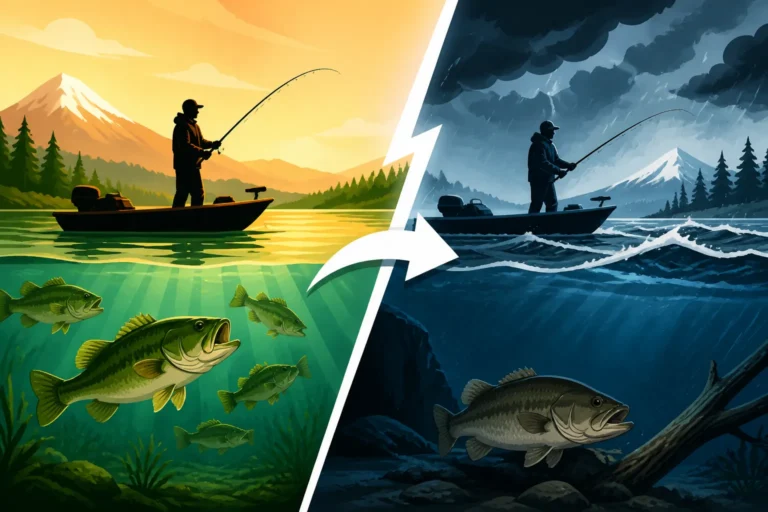
Coho salmon are incredibly sensitive to their environment, and rain is often the biggest trigger for river-bound fish. When rivers are low and warm, Coho will often "stage" in estuaries or offshore, waiting for a freshet (a sudden increase in river flow due to rain or snowmelt). A good fall rainstorm can transform a slow river into a Coho highway overnight. This is particularly true for coastal rivers which often rely on consistent rainfall to maintain fishable conditions. Conversely, low, clear water can make Coho very wary and difficult to catch.
Water temperature also plays a critical role. In marine areas, Coho prefer cooler water, usually in the 50s Fahrenheit. If ocean temperatures are too warm, it can impact their feeding patterns and even delay their migration. In rivers, water that is too warm (above 60 degrees F) can stress salmon, making them less likely to bite and more susceptible to disease. This is why late summer heatwaves can sometimes put a damper on early river fisheries.
Tides are another huge factor, especially in marine areas and tidal estuaries. Moving water concentrates baitfish, which in turn concentrates feeding Coho. Incoming tides can bring fresh fish into estuaries, while outgoing tides might pull them out to deeper water. Always check the tide charts for your chosen fishing spot; it can make a massive difference. You can often find durable, waterproof tide charts or even good smartphone apps on Amazon that are invaluable for planning.
Keeping Up with Washington Fishing Regulations
Perhaps the most critical, and often frustrating, factor influencing when you can fish for Coho is the ever-changing regulatory landscape. Washington State's fisheries are managed by the Washington Department of Fish and Wildlife (WDFW), and rules are frequently updated to protect dwindling stocks and manage recreational harvest.
- Season Openings and Closures: Coho seasons are set annually and often have specific opening and closing dates for different marine areas and rivers. These can be found in the Reading the Washington Sport Fishing Regulations Pamphlet, which should be your bible before every trip.
- Emergency Rule Changes: What makes it even more challenging is the frequency of "emergency rule changes." These can happen mid-season, closing a fishery, changing bag limits, or altering gear restrictions with little notice. These changes are usually driven by real-time fish run updates, often from test fisheries, to ensure conservation goals are met. Learning about Emergency Rule Changes: Why Washington's Rules Shift Mid-Season is essential for any serious angler. Always check the WDFW website or their "Fish Washington" app before you head out, even if you just checked yesterday!
- Bag and Possession Limits: Coho will have specific daily bag limits, which dictate how many you can keep per day, and sometimes possession limits, which dictate how many you can have in your possession at any given time (e.g., at home, in your cooler). These limits can vary by region and even by specific river. You also need to understand The Washington Catch Record Card and What It Requires for all salmon and steelhead you keep.
Tactics and Gear for Targeting Coho During Their Prime
Being ready when the Coho show up means having the right gear and knowing the effective techniques for the type of water you're fishing. Coho are known for their aggressive nature, so don't be afraid to try a variety of presentations.
Effective Techniques for Puget Sound Coho
In the marine areas of Puget Sound, especially during the August and September peak, trolling is king. You're covering a lot of water to find scattered schools of feeding fish.
- Trolling with Flashers and Hootchies/Spoons: This is a classic setup. A large flasher or dodger creates attraction, followed by a hootchie (squid skirt) or a small spoon like a Silver Horde Coho Killer or an Ace Hi Fly. Experiment with depths using downriggers, usually between 40-80 feet, but sometimes shallower if fish are surface-oriented.
- Trolling with Herring: Natural bait is always a winner. Brined herring, rigged to spin, behind a flasher can be deadly. Sizes vary, but typically a 5-6 inch herring is ideal.
- Mooching: As Coho become more concentrated or when you're targeting them in shallower, current-heavy areas like points and rips, mooching can be incredibly effective. This involves drifting a cutplug herring or similar bait at varying depths, often with a large banana weight or a sinker above your leader. When Coho are thick, mooching can lead to multiple hookups.
River Fishing Strategies for Coho
Once Coho enter freshwater, their behavior shifts. They're no longer actively feeding in the same way, but they're still aggressive and will strike out of instinct, territoriality, or irritation.
- Twitching Jigs: This technique has exploded in popularity for a good reason – it works! Using a heavy jig (often 3/8 to 1/2 oz) in various colors (pinks, purples, chartreuse, black) and jigging it erratically through pools, current seams, and brushy cover can provoke violent strikes. You can find a huge variety of twitching jigs on Amazon, making it easy to experiment with different weights and colors.
- Drift Fishing with Bait/Beads: A staple for river salmon, drift fishing involves casting upstream and letting your bait (cured roe, sand shrimp, or even an imitation like a soft bead) tumble naturally along the bottom with the current. Use just enough weight (often a slinky or pencil lead) to tick the bottom without hanging up.
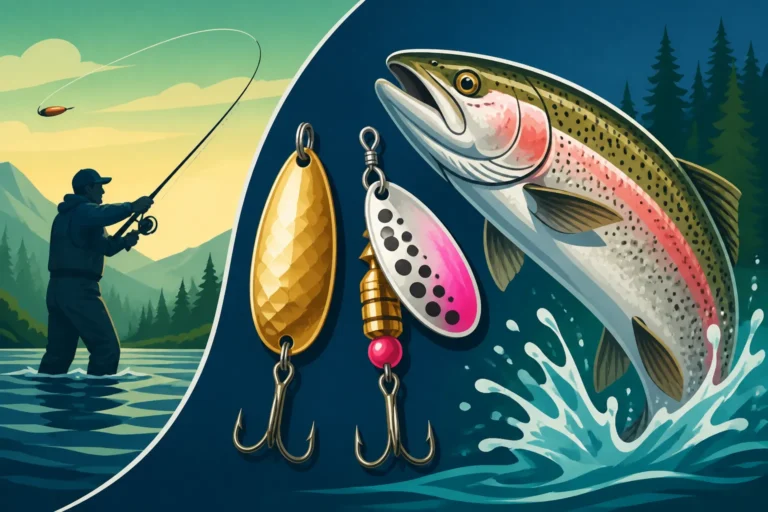
- Casting Spinners and Spoons: Classic hardware like a Rooster Tail spinner, a Blue Fox Vibrax, or a Dick Nite spoon can be incredibly effective in both clear and slightly colored water. Cast across and slightly upstream, retrieving just fast enough to get the lure to wobble and flash. Coho will often hammer these.
- Bobber and Jig/Bait: In deeper, slower moving pools, suspending a jig or a piece of cured roe under a float can be deadly. Adjust your depth so the bait is swinging right at the fish's eye level. This is a very visual and exciting way to fish. For deeper water, a "bobber dogging" setup using a drift bag or current to pull your float downstream can be highly productive.
Essential Gear for Coho Success
No matter where you fish for Coho, a few items are non-negotiable.
- Proper Rod and Reel: For trolling or mooching in saltwater, a medium-heavy rod (8-9 feet) with a stout level-wind reel loaded with 20-30 lb mainline is standard. For river fishing, a medium-action spinning rod (8-10.5 feet) with a sensitive tip is often preferred for twitching jigs or drift fishing. A good Rod and Reel You Need for Washington Puget Sound Salmon setup will serve you well.
- Leader Material: Fluorocarbon leader is crucial for its low visibility and abrasion resistance, especially in clear water. Carry various strengths, from 15-25 lb test.
- Terminal Tackle: Hooks, swivels, weights, and a variety of lures and baits. Always have fresh bait if using it.
- Pliers/Forceps: For quickly and safely removing hooks, especially if you plan to release fish.
- Net: A good quality landing net with a rubberized mesh is essential to protect the fish and prevent snagging hooks.
- Rain Gear: If you're fishing in Washington during the fall, it will rain. Quality rain gear, including a waterproof jacket and pants, is not just about comfort; it's about safety and endurance. You can find excellent options from reputable brands on Amazon that will keep you dry through a full day of unpredictable Washington weather.
- Catch Record Card: Don't forget your When a Catch Record Card Is Required in Washington and a pen to fill it out immediately upon retention.
- Knife/Filet Tools: If you plan to keep your catch, a sharp knife for dispatching and processing is a must.
Disclaimer
Fishing regulations in Washington State can change frequently and without much prior notice due to in-season adjustments by the Washington Department of Fish and Wildlife (WDFW). Always consult the most current WDFW fishing regulations pamphlet or visit their official website before heading out on any fishing trip to ensure you are compliant with all rules and seasons. This guide is for informational purposes only and should not be considered a substitute for official regulations.