When the Chum Salmon Run Peaks in Washington
There’s nothing quite like the surge of a big, fresh chum salmon on the end of your line, but missing the peak of their run in Washington State can mean the difference between an epic day and a frustrating blank. Many anglers find themselves wondering exactly when these powerful "dog salmon" show up in force, and it’s a valid frustration because the timing can shift subtly year to year. This guide is dedicated to pulling back the curtain on when the chum salmon run truly peaks in Washington, helping you hit the water at the absolute best moment to tangle with these aggressive fall fighters.
The Unique Appeal of Washington's Chum Salmon
Chum salmon, often affectionately (or perhaps, exasperatedly) called "dog salmon" due to their impressive canine-like teeth during spawning, are an incredible fish. While they might not always get the culinary fanfare of a Chinook or the acrobatic praise of a Coho, what they lack in table reputation, they more than make up for in sheer fighting power and accessibility during their peak runs.
Identifying a Hard-Fighting Chum
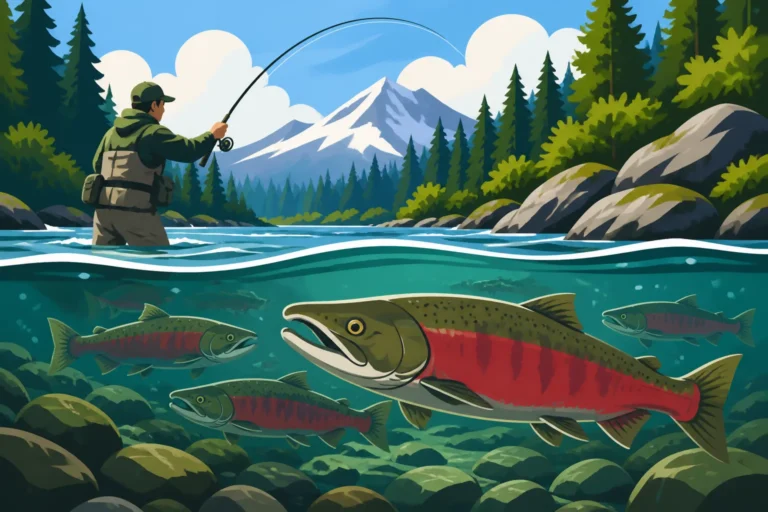
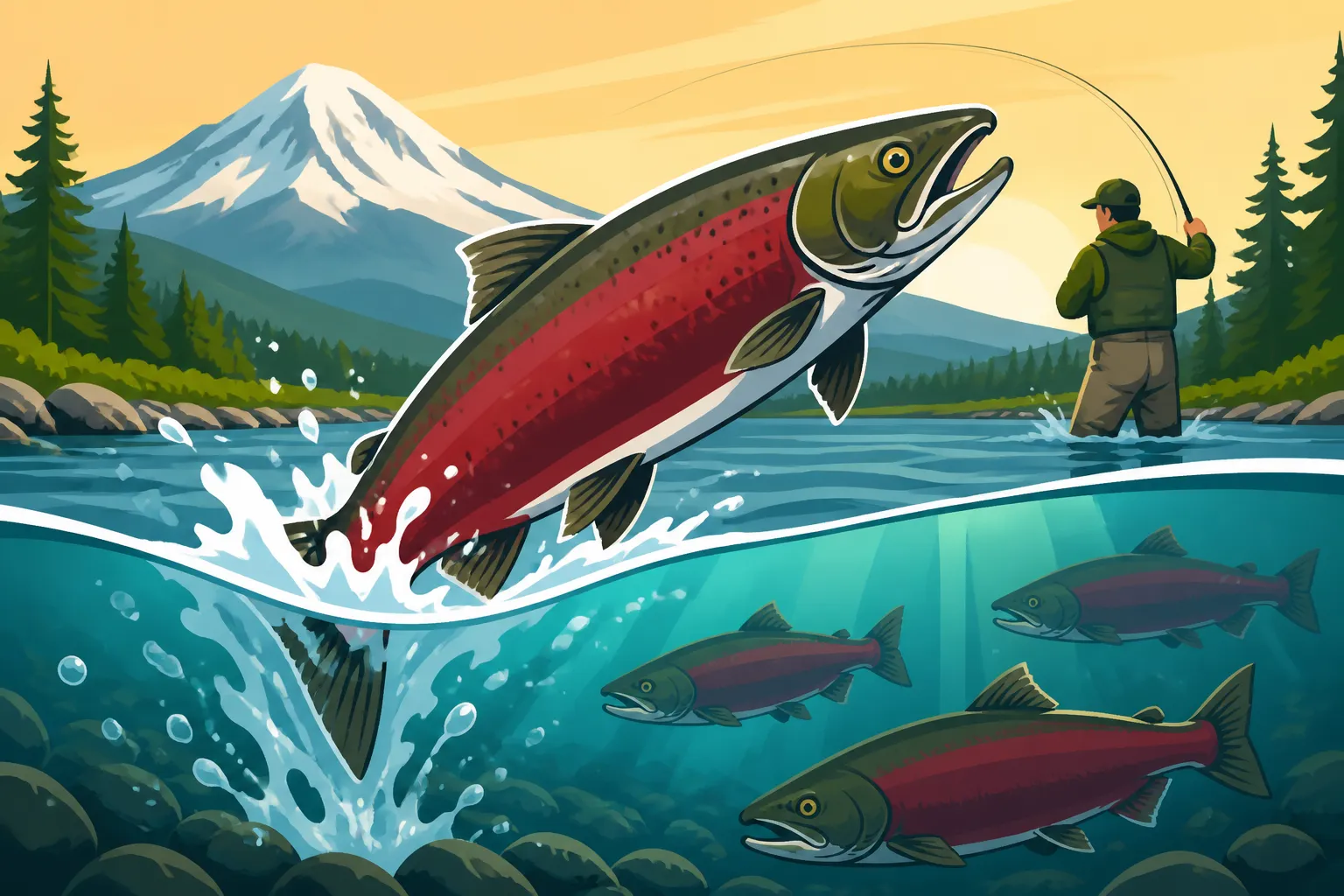
Before we dive into when to find them, it's helpful to know what you're looking for. Fresh chum salmon entering freshwater are typically steel-blue on their backs with sparse speckling, fading to silver on their sides and white bellies. Their caudal fin (tail) usually lacks the distinct spots you'd see on a Chinook or Coho. However, as they progress upstream and get closer to spawning, their appearance undergoes a dramatic transformation. Males develop pronounced "tiger stripes" of dark green, purple, and red, along with that intimidating hooked jaw and those famous "dog" teeth. Females also develop color, though less dramatically. You can delve deeper into Chum Salmon Identification and Where They Run in Washington to become a true expert at spotting them in the river.
What truly sets them apart, especially when they're fresh from the salt, is their raw power. Hook into a bright, chrome chum, and you'll immediately understand why they're such a blast to target. They pull hard, make strong runs, and often stay deep, making for a truly memorable battle that can test your tackle and your stamina.
Why Timing the Run Matters
With chum, timing isn't just about catching a fish; it’s about catching the best fish. Chum salmon, like all Pacific salmon, deteriorate in condition as they move from saltwater into freshwater and approach their spawning grounds. An ocean-bright chum, caught near the river mouth, will be packed with fat and fight like a freight train. These are the fish that represent the pinnacle of chum fishing.
However, a chum that has been in the river for several weeks, having traveled many miles upstream and begun its spawning transformation, will be less energetic and their flesh quality will have diminished significantly. While still fun to catch, they won't offer the same spirited fight or culinary appeal as their fresh counterparts. This is why knowing the peak timing is crucial: it allows you to intercept them when they are at their prime, full of vigor and still carrying their silver sheen. Fishing during the peak also often means more consistent action, as waves of fish are continuously entering the system.
General Timing for Washington's Chum Salmon Runs
Washington's chum salmon runs are almost exclusively a fall affair, bringing a vibrant, late-season fishery to many rivers. While the general season typically spans from late September through December, pinning down the "peak" requires a bit more nuance and depends heavily on the specific region and even the particular river system you're targeting.
Overall Season Window
Broadly speaking, you can expect chum salmon to start showing up in Washington rivers in earnest by late September. These early arrivals are often small waves, the scouts of the main run. As October progresses, the numbers usually build, and by November, many systems are seeing their highest concentrations of fish. Some rivers will continue to have decent numbers well into December, particularly those with later-timed runs or those benefiting from fresh pushes of water.
It's a misconception to think of the "peak" as a single day or even a single week across the entire state. Instead, it’s a series of staggered peaks, influenced by various factors. The trick is to identify the specific two-to-three-week window when the majority of fresh, aggressive fish are entering your chosen river.
Regional Peak Times
Washington is a diverse state, and the timing of the chum run reflects this geographical spread.
-
Puget Sound & Hood Canal: These are perhaps the most famous chum destinations in Washington. Here, the peak generally occurs from late October through mid-November. Rivers flowing into Hood Canal tend to see some of the earliest and most intense runs, often starting strong by mid-October. Rivers further north in Puget Sound, like those flowing into the eastern side of the Sound, often peak a bit later, perhaps in early to mid-November.
-
Coastal Rivers: Washington's outer coast rivers, draining directly into the Pacific Ocean, also see strong chum runs. These tend to align closely with the Puget Sound timing, with late October and November being the sweet spot. However, these systems are often more influenced by significant rainfall events, which can trigger large pushes of fish very quickly.
Understanding these broad regional trends is your first step. Now, let’s get more specific.
Pinpointing Peak Runs in Specific Washington Waters
While regional timing gives you a good starting point, nothing beats knowing the specific windows for individual river systems. Different rivers have unique characteristics – length, water temperature profiles, and proximity to saltwater – that can influence precisely when their chum run reaches its zenith.
Puget Sound and Hood Canal Hotspots
The rivers draining into Puget Sound and Hood Canal are iconic for their chum fisheries. Here's a closer look at some prime locations and their general peak timings:
-
Hood Canal Rivers (e.g., Skokomish, Dosewallips, Duckabush): These rivers often experience some of the earliest and most concentrated chum runs in the state. Anglers frequently report excellent fishing starting in mid-October, with the peak typically running through the first two to three weeks of November. The Skokomish River, in particular, is renowned for its strong chum returns. If you're looking for early action, these waterways are your best bet.
-
Green River (near Seattle/Kent): The Green River, flowing through more urban landscapes, also sees a robust chum run. Its peak generally falls from early to mid-November, with good fishing often extending into the latter half of the month. Accessibility here can be excellent, making it a popular choice.
-
Nisqually River: Heading further south in Puget Sound, The Nisqually River in Washington for Fall Salmon is another consistent producer of chum. Its run tends to peak in mid to late November, sometimes even stretching into early December, offering a later season opportunity.
-
Skykomish River: A legendary river for salmon and steelhead, the Skykomish also hosts a strong chum run. The peak here is typically in early to mid-November, often coinciding with the later pushes of coho salmon. It’s a larger system, so fish can be more spread out, but when they're in, they're in.
-
Snohomish River System (including Snoqualmie and Skykomish tributaries): This expansive system sees significant chum returns. The peak generally occurs from early to mid-November, with fish distributing throughout the lower sections and into the major tributaries. Knowing the Rivers That Feed Puget Sound for Salmon can help you scout various entry points.
-
Skagit River System: While more famous for its Chinook and Coho, the Skagit also sees chum. Its peak is often around mid-November, but chum fishing here can be more dispersed compared to the concentrated runs of Hood Canal.
Remember, fishing in Puget Sound often means navigating specific rules and Puget Sound Salmon Closures: What Washington Anglers Need to Know, so always check the regulations.
Coastal Rivers and Their Timing
Washington's coastal rivers offer a different flavor of chum fishing, often set against a backdrop of rugged wilderness.
-
Chehalis River and Tributaries: The Fishing the Chehalis River in Washington for Fall Salmon is a significant coastal system that gets a good chum return. The peak here usually ranges from late October through mid-November, similar to many Puget Sound systems. These rivers are often quite susceptible to changes in rainfall, so monitoring river levels is key.
-
Humptulips River: Another productive coastal river, the Humptulips tends to see its best chum fishing in November. Like its coastal counterparts, it benefits greatly from a good rain event that brings fresh fish in from the ocean.
These coastal systems can be incredibly rewarding, but access can sometimes be more challenging than in the Puget Sound basin. They often provide a more solitary fishing experience.
The Importance of Fresh Fish and Moving Water
When chasing chum, the phrase "fresher is better" rings true. The brightest, most aggressive fish are generally found earlier in the run and closer to saltwater. These fish are still actively migrating and haven't yet settled into their spawning patterns. Targeting them means focusing on the lower sections of rivers and estuaries during their peak entry times.
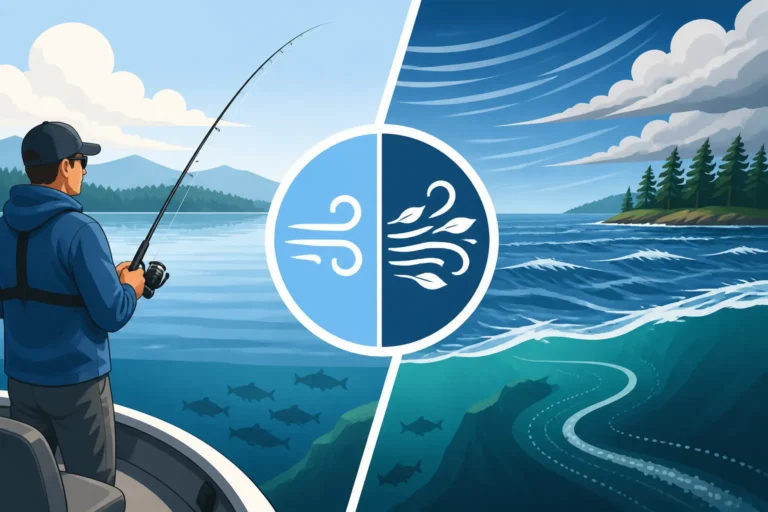
Moreover, chum salmon are highly responsive to moving water. A significant rainfall event can act like a trigger, encouraging large schools of fish to surge upstream from the saltwater. This means that a river that was quiet one day can be teeming with fish a few days after a good rain. Conversely, prolonged dry spells can hold fish in the lower river or even in saltwater, waiting for enough water to make their journey. Paying attention to weather forecasts and river gauges is almost as important as knowing the calendar dates.
Environmental Factors and How They Affect Chum Peaks
Predicting the exact day a chum run will hit its absolute peak is like predicting the stock market – there are too many variables. However, by understanding the environmental factors that influence their migration, you can make highly educated guesses and adjust your plans accordingly.
The Role of Rainfall and Water Levels
This is arguably the most critical factor for fall salmon, especially chum. Chum salmon, particularly those headed for smaller streams or the upper reaches of larger rivers, rely on sufficient water levels to facilitate their upstream migration.
-
Rainfall Triggers: A series of good fall rainstorms, particularly after a dry spell, acts as a powerful signal for chum salmon. The increased flow and slightly cooler temperatures trigger them to leave the saltwater and push into freshwater systems. This often leads to significant "waves" of fish entering the river, creating those peak fishing opportunities. If there's been a long period of low water, anticipate an explosion of fish once the rains really start.
-
High Water Challenges: While rain brings fish, too much rain too quickly can "blow out" a river. This means the water becomes excessively high, fast, and turbid (muddy). Fishing in these conditions can be difficult, as fish spread out, and visibility is low. However, even in blown-out conditions, fish are still moving. The key is to wait for the river to start dropping and clearing. As it drops, fish will often settle into predictable holding lies, and the water clarity will improve, making them more receptive to lures. For insights into how rain impacts fishing, especially for species like steelhead, which share similar river behaviors, check out Does Rain Improve Steelhead Fishing on Washington's Coastal Rivers?.
-
Low Water Drawbacks: Conversely, if fall is unusually dry, chum runs can be delayed or bottlenecked. Fish might stack up in the estuaries or even in the ocean, waiting for enough flow to proceed. In these scenarios, the lower sections of rivers and estuaries become prime targets, as that’s where the fish are concentrated. It’s also important to consider How Water Clarity Affects Steelhead Fishing also applies to salmon; low, clear water can make fish skittish.
Monitoring river gauges (like those provided by the USGS) and local weather forecasts is an absolute must for successful chum fishing. A little bit of research before you leave the house can save you a lot of wasted time on the water.
Tidal Influence in Estuaries
For rivers that flow directly into Puget Sound or the ocean, tidal cycles play a significant role, especially in the lower reaches and estuaries.
-
Incoming Tides: An incoming tide, particularly a strong one, pushes saltwater further upriver and can act as a conveyor belt, bringing fresh chum salmon directly into the river mouths. Many experienced anglers time their fishing to coincide with the last few hours of an incoming tide, through the high slack, and into the initial stages of the outgoing tide. This is often when the freshest fish are moving through. You can learn more about how Best Tides for Puget Sound Salmon Fishing in Washington impacts salmon movement.
-
Tidal Concentration: Fish might hold in deeper holes or channels in estuaries during low tide, waiting for the water to rise and allow them easier passage upstream. As the tide floods, they become more active and accessible. This is particularly true for Hood Canal rivers where the tidal swing can be quite dramatic.
Water Temperature Considerations
While less of a "trigger" than rainfall for chum, water temperature does play a role in their overall run timing. Chum salmon prefer cooler water for their spawning migration, typically in the 40s to low 50s Fahrenheit. Unseasonably warm water in early fall can delay their entry into freshwater or cause them to hold in deeper, cooler pockets of the river or estuary. However, by the time November rolls around, Washington's waters are generally cool enough to be ideal for chum migration and spawning.
Gear and Tactics for Peak Chum Salmon Success
Hooking into a powerful chum requires the right tools and a bit of technique. They aren't always the most aggressive biters, and their sheer strength can exploit weaknesses in your setup.
Recommended Tackle and Lures
Chum are big, strong fish, so you'll want to beef up your gear compared to what you might use for smaller trout or even coho.
-
Rods and Reels: A medium-heavy to heavy action salmon rod, typically 9 to 10.5 feet long, is ideal. This provides the backbone needed to cast heavier lures and turn a strong fish. Pair this with a robust baitcasting reel (often preferred for river fishing) or a durable spinning reel spooled with 20-30 lb monofilament or braid. If using braid, a leader of 20-30 lb fluorocarbon or monofilament is essential. A great all-around choice for a Rod and Reel You Need for Washington Puget Sound Salmon would be perfect for chum as well. You can find excellent options for durable fishing lines and heavy-duty reels on Amazon that will stand up to the challenge of a fighting chum.
-
Lures: Chum salmon are famous for their attraction to bright, gaudy colors, especially pink, purple, and chartreuse.
- Jigs: Twitching jigs are arguably the most popular and effective presentation. Heavy jigs (1/2 oz to 1 oz or more) in pink, purple, or combinations like pink-and-white or chartreuse-and-black are deadly. Make sure your jigs have sharp, strong hooks. You can often find multi-pack assortments of these on Amazon, giving you a variety to experiment with.
- Spoons: Larger spoons (3/4 oz to 1 oz) in bright colors, or even silver with color accents, can also be effective when fish are aggressive.
- Soft Plastics: Large pink or purple worms (e.g., Berkley Gulp! Salmon Eggs or similar) fished under a float can entice chum, especially if they are a bit more sluggish.
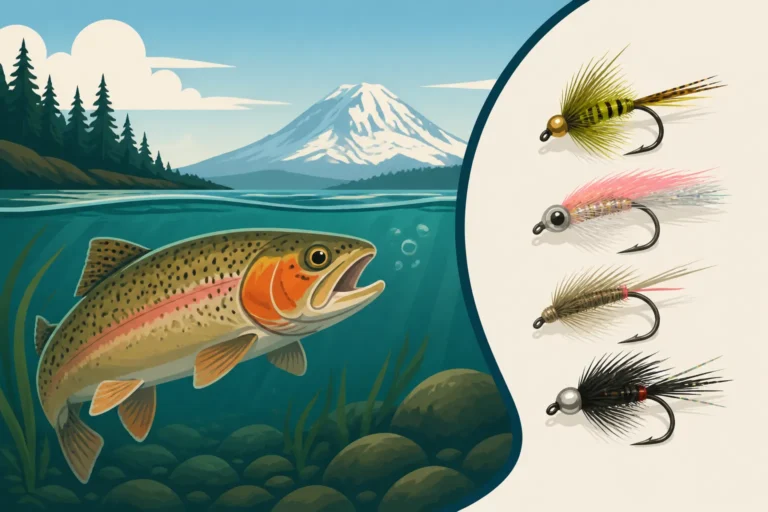
- Flies (for fly anglers): Large, bright flies like "chum babies" or "polar bear flies" in hot pink, chartreuse, or purple are excellent choices.
When choosing jig colors, remember that Best Jig Color in Off-Color Water can vary, but for chum, brighter is usually better to grab their attention in the turbid waters often associated with their runs.
Effective Fishing Techniques
Chum salmon often require an aggressive presentation to trigger a strike. They might not be actively feeding, so you’re trying to elicit a reaction bite.
-
Twitching Jigs: This is a classic for chum. Cast your heavy jig slightly upstream and across, letting it sink to the desired depth. Then, using your rod tip, make sharp upward "twitches" or "snaps," causing the jig to dart and flash, then fall. Repeat this motion all the way back to shore. The key is to keep the jig moving erratically to mimic an injured baitfish or provoke an aggressive response. You can find detailed guides on Twitching Jigs for Salmon in Washington that illustrate this technique perfectly.
-
Drift Fishing: This technique involves drifting a lead-head jig, a plastic worm, or even a cured piece of bait (where legal) along the bottom with the current. Use just enough weight to bounce along the bottom without getting hung up. Chum will often pick up offerings as they drift past their noses. While often associated with steelhead, Drift Fishing for Steelhead in Washington Rivers principles can be adapted for salmon, too.
-
Float Fishing: Using a float (or bobber) with a jig or a weighted soft plastic below it allows you to present your lure at a consistent depth through seams and pools. This is particularly effective in slower, deeper water where chum might be holding. The float provides visual indication of a bite, which can sometimes be subtle with chum.
-
Fly Fishing: For fly anglers, swinging large, bright flies through chum holding water is incredibly exciting. Use a sinking or sink-tip line to get your fly down, and swing it across the current, letting the current impart action. Stripping the fly in short bursts can also trigger a bite.
No matter the technique, persistence is key. Chum can be moody, but when you find an aggressive school, the action can be non-stop.
Staying Informed on Dynamic Regulations
One of the biggest frustrations for Washington anglers is the ever-changing nature of fishing regulations. Salmon seasons, especially for species like chum, are highly managed and can be subject to in-season adjustments based on actual returns.
Checking WDFW Resources Regularly
It is absolutely crucial to check the Washington Department of Fish and Wildlife (WDFW) regulations before every fishing trip, and sometimes even mid-trip. What was open yesterday might be closed today, or a specific river section might have new gear restrictions.
-
The WDFW Website: The official WDFW website is your primary source for regulations. Look for the "Sport Fishing Rules" and "Emergency Rules" sections. Emergency rules are especially important as they provide real-time updates that override the printed pamphlet. You can learn more about how Emergency Rule Changes: Why Washington's Rules Shift Mid-Season come about.
-
Emergency Rule Change Hotline: WDFW also maintains a phone hotline (often listed on their website) where you can listen to recorded updates on emergency rule changes. This can be handy if you're out of cell service range or prefer an audible update.
-
Social Media and Local Tackle Shops: Many local tackle shops and fishing guides are excellent sources of up-to-the-minute information and can offer insights into current conditions and rule changes. Following WDFW's official social media channels can also provide alerts. Understanding Where Washington Posts Fishing Rule Changes is vital to avoid violations.
Never assume a season is open or that rules haven't changed. A few minutes of checking can save you a hefty fine or, more importantly, help protect our precious fish stocks.
Washington Chum Salmon Peak Run Summary
To help you visualize the general peak periods for chum salmon in Washington, here's a quick overview of some key areas:
| Region/River System | General Peak Period | Key Notes |
|---|---|---|
| Hood Canal Rivers | Mid-October to Mid-November | Often the earliest and most intense runs; highly tide-dependent. |
| Green River (Puget Sound) | Early to Mid-November | Reliable urban fishery; sensitive to rainfall. |
| Nisqually River | Mid-November to Early December | Good late-season option; check specific run forecasts. |
| Skykomish River | Early to Mid-November | Strong fighters; can coincide with coho runs. |
| Snohomish River System | Early to Mid-November | Widespread throughout system; good access points. |
| Chehalis River System | Late October to Mid-November | Coastal river; strong influence from ocean rainfall. |
| Humptulips River | November | Another coastal favorite; can be quite concentrated after rains. |
| Overall Washington | Late October to Mid-November | General window, but always check specific river conditions. |
This table provides a general guideline, but remember, actual timing can vary year to year based on environmental conditions.
Disclaimer
Always consult the official Washington Department of Fish and Wildlife (WDFW) regulations before heading out to fish. Seasons, limits, and rules can change frequently due to emergency rule changes. This guide provides general information and recommendations but is not a substitute for current official regulations.