How Water Clarity Affects Steelhead Fishing
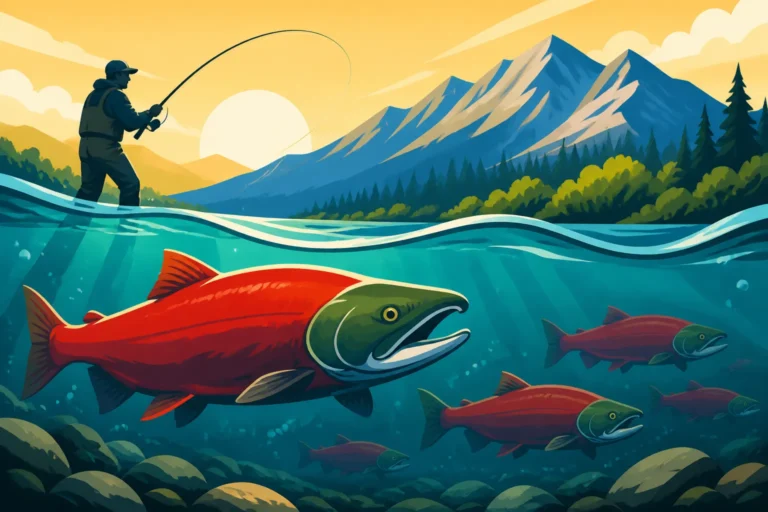
There's nothing quite as deflating as planning a long-anticipated steelhead trip to your favorite Washington river, only to arrive and find the water looking nothing like you expected. Whether it's crystal clear when you hoped for a bit of color, or a chocolate milk flood when you prayed for a gentle stain, water clarity plays an absolutely critical role in steelhead fishing success. This guide will walk you through how different water conditions impact these elusive fish and, more importantly, what adjustments you need to make to your techniques to put more chrome in your net, regardless of what the river throws at you.
Understanding How Water Clarity Shapes Steelhead Behavior
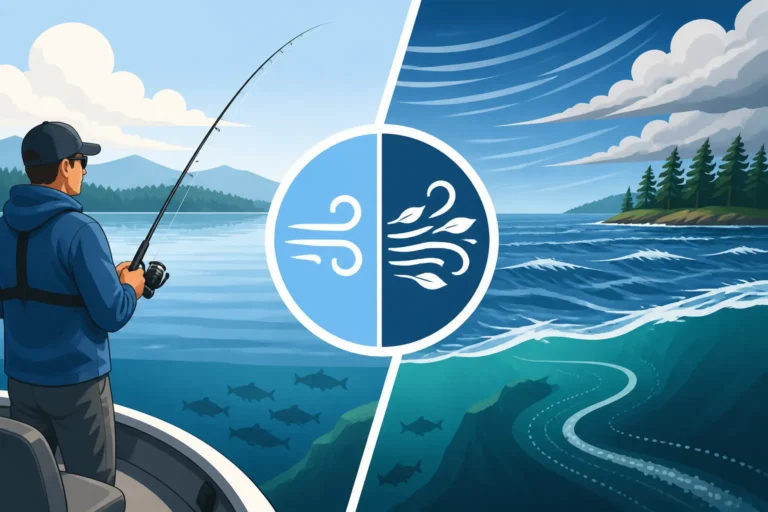
Water clarity isn't just about what we can see; it profoundly affects how steelhead perceive their environment, hunt for food, and decide where to hold. These powerful anadromous rainbow trout are highly adapted to their riverine homes, and their behavior shifts dramatically with changes in visibility. Ignoring these shifts is a surefire way to come home skunked.
Visibility and Predator Avoidance
In crystal clear water, steelhead are incredibly wary. They've spent years in the ocean, a vast environment where being seen often means being eaten. When they enter the relatively confined space of a river, especially one with high visibility, their instincts for self-preservation kick into high gear. They become much more aware of their surroundings, including you standing on the bank or drifting overhead in a boat. This heightened awareness makes them skittish and less likely to strike at anything that looks remotely out of place or unnatural. They'll often tuck into the deepest, darkest holes or seek out areas with overhead cover to avoid detection.
Conversely, when the water gains a bit of color, even a slight stain, it offers them a sense of security. This turbidity breaks up their silhouette, making it harder for predators (like eagles, seals, or even us anglers) to spot them. Feeling more secure, steelhead tend to relax their guard. They might move into shallower water, spread out more, and become more aggressive feeders, knowing they have the cover of the murky water to ambush prey.
Sensory Reliance and Feeding Habits
Steelhead are primarily sight feeders, meaning they hunt by seeing their prey. This is especially true in clear water. They key in on visual cues: the flash of a baitfish, the movement of an insect, or the subtle drift of an egg cluster. If they can see it clearly and it looks natural, they're more likely to investigate and strike. In these conditions, your presentation's realism, size, and subtle action are paramount.
However, when the water becomes turbid, their reliance on sight diminishes. They don't just shut down; they adapt. In off-color or dirty water, steelhead shift to relying more heavily on their other senses: lateral line (to detect vibrations) and olfaction (smell). They can feel the throb of a large spinner or plug through the water, or smell the enticing scent of roe drifting by. This is why techniques that create strong vibrations, present larger profiles, or exude powerful scents become incredibly effective when the water isn't gin clear. They're still feeding, but they're using a different set of tools to find their meals. Understanding this switch is key to unlocking success in less-than-perfect conditions.
Fishing Clear Water for Washington Steelhead
Clear water on Washington's steelhead rivers can be beautiful, but it's often the most challenging condition for anglers. The fish are spooky, and every mistake is magnified. However, with the right approach, clear water can offer some of the most rewarding and visual steelhead fishing experiences.
Embracing Stealth and Finesse
When the river is running low and clear, often after a long dry spell or during periods of stable, cold weather, steelhead are on high alert. Your first priority should be stealth. That means approaching the riverbank quietly, avoiding heavy footsteps that send vibrations through the water, and keeping a low profile. Think of yourself as a hunter stalking wary game. Wear natural, subdued colors that blend with the background, and avoid bright clothing. Your casts should be smooth and deliberate, avoiding splashing or unnecessary commotion.
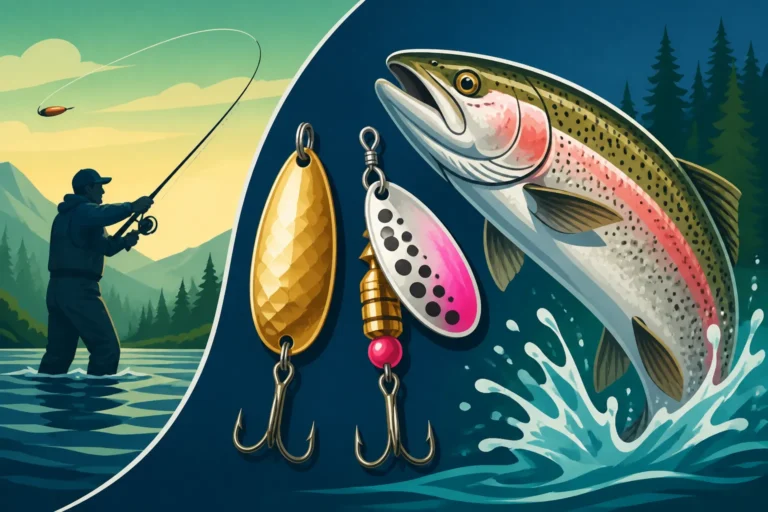
Finesse is the name of the game for your presentation. Opt for lighter leader material, perhaps going down to 8 or 10-pound test fluorocarbon, which is nearly invisible underwater. Your baits and lures should be smaller and more natural in color. Think about what a steelhead would naturally encounter in clear water: small nymphs, delicate egg patterns, or subtle minnow imitations. For fly anglers, this often means "match the hatch" with smaller, more accurate patterns. For gear anglers, small, natural-colored beads or yarn tied sparsely can be deadly. When drift fishing, ensure your presentation is perfectly balanced and drifts naturally with the current, as any unnatural drag or wobble will be immediately detected. For more detailed insights, you might want to read about Leader Length for Clear Water Steelhead in Washington.
Long Leaders and Subtle Presentations
One of the most effective tactics in clear water, especially for those drift fishing, is to use a significantly longer leader. This puts more distance between your mainline (which can be visible) and your presentation, reducing the chance of spooking fish. A leader anywhere from 4 to 8 feet in length isn't uncommon. The goal is to present your offering as if it's drifting freely, unattached to anything, for as long as possible.
Consider your weight placement too; keep it as compact and minimally invasive as possible. Small pencil lead or split shot, strategically placed far enough up your leader to allow your bait to drift naturally, is crucial. Techniques like bobber dogging or light float fishing with small jigs or delicate bait offerings can also be incredibly effective. The bobber keeps your presentation suspended at the perfect depth and allows for long, natural drifts through holding water, giving the steelhead maximum time to inspect and commit. If you're a fan of indicator fishing, small, translucent indicators that create minimal splash are preferred. For a deep dive into specific gear, check out Sinker Weight for Drift Fishing.
Navigating Off-Color and Slightly Turbid Water for Steelhead
This, my friends, is often the sweet spot. When a Washington river has a slight stain – enough to break up the light and give steelhead confidence, but not so much that they can't find your offering – it can be prime time for aggressive bites. This usually happens after a moderate rain shower that slightly raises the water levels and adds a bit of sediment, or when snowmelt brings a gentle tint to the river.
Capitalizing on Increased Aggression
In water with a slight stain, steelhead feel more secure and less exposed. This newfound confidence often translates into increased aggression and a willingness to chase down prey. They're not as picky, and their feeding windows can be wider. This is the time to switch from ultra-finesse to presentations that grab their attention.
Think about increasing the size of your baits or lures slightly. If you were using a small bead in clear water, now might be the time for a larger, brighter one or a more substantial yarnie. For plugs, a slightly larger size or a more aggressive wobble pattern can be very effective. The key is to present something that stands out visually and offers a strong scent or vibration profile, without being so overwhelming that it looks unnatural. This is where a good understanding of Best Jig Color in Off-Color Water can really pay off.
Using Contrast, Scent, and Vibration
When sight is partially obscured, contrast becomes critical. Bright, fluorescent colors like chartreuse, hot pink, or orange can really pop against a murky background. These aren't necessarily "natural" colors, but they are highly visible and grab a steelhead's attention from a distance. Consider brightly colored jigs, yarn, or even painted plugs.
Scent is your next best friend. Roe bags, cured eggs, or commercial scents applied to your lures become incredibly powerful attractants. Steelhead will follow a scent trail to your offering, even if they can't see it clearly. When back-bouncing or drift fishing, ensuring your bait or lure is infused with a potent scent can make all the difference. For some anglers, this means carrying multiple scent options, like those available through Amazon, to experiment with what the fish prefer on a given day.
Finally, vibration. Plugs with a strong wobble, spinners with a broad blade that thumps as it spins, or even a jig that pushes a lot of water as it drifts can be irresistible. These vibrations travel through the murky water, alerting steelhead to the presence of a potential meal long before they see it. Many anglers find success using these methods on rivers like the Cowlitz River for Steelhead and Salmon in Washington during periods of slight color.
Dealing with Blown-Out and High Water Conditions
There are days when you show up to the river, and it looks like a chocolate torrent, raging high and opaque. This is a "blown-out" river, often occurring after heavy rainfall or rapid snowmelt. While it can be intimidating, it doesn't always mean your day is over. It just means you have to fundamentally change your approach – and prioritize safety above all else.
Safety First in High Water
Let's get this out of the way: high water can be extremely dangerous. Currents are stronger, debris is rampant, and footing is treacherous. Never wade into water you're unsure about. Stay on solid ground, and always be aware of your surroundings. If the river looks truly un-fishable or unsafe, it's okay to call it a day and scout for another opportunity. Your life and safety are far more important than a fish. For more on preparing for the elements, read up on Rain Gear You Need for Winter Steelheading.
Once safety is assured, your tactics need to change dramatically. Steelhead in blown-out conditions will abandon their usual holding lies in the main current. The sheer force of the water makes it impossible for them to hold comfortably, and the lack of visibility makes feeding difficult. They will seek out softer, slower water to conserve energy and find refuge.
Finding the "Soft Water" and Close-In Holds
When a river is blown out, steelhead will pull into the nearest available "soft water." This includes:
- Seams: The edges where fast water meets slow water, often along the bank.
- Eddies: Swirling pockets of slower water behind obstructions like large rocks, logs, or points of land.
- Back Channels: Side channels or sloughs that are somewhat protected from the main current.
- Inside Bends: The slower, shallower water on the inside curve of a river bend.
- Behind Structure: Any large obstacle that creates a current break.
These areas will be much closer to the bank than you might expect. Steelhead won't be out in the middle of the river. You need to focus your efforts within mere feet of the bank, often in water that looks deceptively shallow or unassuming. They're often tucked right up against the bank, sometimes in water that barely covers their backs.
Your presentation needs to be heavy and slow. You'll need more weight to get your offering down through the turbulent water to the fish quickly. Big, heavy jigs, large roe bags, or substantial plugs are good choices. Focus on short, controlled drifts or swings that keep your presentation in the strike zone for as long as possible. Many anglers find success using a bobber and jig setup in these conditions, using a heavy jig to ensure it gets down to where the fish are holding in the reduced current. For more on this technique, refer to How to Fish a Bobber and Jig for Steelhead.
Water Clarity and Steelhead Tactics Comparison
Here's a quick overview of how different water clarities demand different fishing strategies:
| Water Clarity Condition | Steelhead Behavior | Recommended Techniques | Lure/Bait Characteristics | Important Considerations |
|---|---|---|---|---|
| Crystal Clear | Wary, sight-reliant, spooky, deep holds | Stealth, long leaders, light line, float fishing | Small, natural colors, subtle action, sparse yarn | Low profile, quiet approach, perfect drifts, avoid sunny days |
| Slightly Off-Color | Confident, active, aggressive, spread out | Drift fishing, float fishing, plugs, spinners, jigs | Brighter colors, larger profiles, strong scent, vibration | Hit the seams, cover water, experiment with color and scent |
| Blown Out/High | Seek refuge in soft water, energy conservation | Heavy jigs, large roe bags, plugs, short drifts/swings | Large profile, intense color, powerful scent, heavy weight | SAFETY FIRST, focus on bank-side eddies/seams, slow presentations |
This table provides a quick reference, but remember that conditions can change rapidly on Washington rivers. Always be prepared to adapt your gear and strategy to the moment. If you're encountering extremely high water, it’s worth reviewing How to Fish for Steelhead in High Water for further tips.
Disclaimer
Fishing regulations, seasons, and emergency rule changes in Washington State can be complex and are subject to frequent modification. The information provided in this guide is for general informational purposes only. It is the responsibility of every angler to consult the most current Washington Department of Fish and Wildlife (WDFW) fishing regulations pamphlet or visit the official WDFW website before heading out on any fishing trip. Always ensure you have the appropriate licenses and endorsements, and adhere to all bag limits, size restrictions, and gear requirements.