How to Fish From a Float Tube on a Lake
Ever found yourself staring longingly at that perfect calm stretch of water just out of casting reach from the bank, wishing you had a boat without all the hassle and expense? It's a common frustration for many lake anglers in Washington, who often feel limited by shore access or the commitment of a full-sized fishing vessel. This comprehensive guide is here to introduce you to the wonderful world of float tube fishing, offering a stealthy, affordable, and incredibly effective way to reach those hidden honey holes and connect with more fish across our beautiful state.
Why Float Tubing is a Game-Changer for Lake Anglers
Float tubes, often affectionately called "belly boats," might look a bit quirky, but they are absolutely revolutionary for anyone who loves fishing lakes. They bridge the gap between bank fishing and full-boat angling, offering a unique blend of access, stealth, and simplicity that's hard to beat. If you've ever felt confined to the shoreline, a float tube is your ticket to freedom.
Getting to Unreachable Spots
The biggest limitation of bank fishing is, well, the bank. You're stuck casting from a fixed position, often competing with other anglers for prime real estate, and watching fish rise just beyond your longest cast. This is especially true on many of Washington’s smaller, overlooked lakes or the shallow, weedy bays of larger bodies of water like Lake Sammamish, where prime habitat for trout and bass exists just a little too far out.
A float tube changes all of that. Suddenly, you can effortlessly paddle out to submerged weed beds, rocky points, deep drop-offs, and even the middle of the lake where fish are actively feeding. Imagine slowly drifting over a thermocline where trout are holding, or quietly approaching a log jam where a big largemouth bass might be lurking. These are spots that are either impossible to reach from shore or too shallow and structure-laden for a traditional motorboat. You'll unlock a whole new dimension of angling possibilities, allowing you to present your lure or bait exactly where the fish are.
The Stealth Factor and Fish Behavior
One of the most profound advantages of float tubing is the incredible stealth it provides. Unlike motorboats that create noise and vibrations, or even the splashing of a kayak paddle, a float tube moves almost silently through the water. You propel yourself with fins, gliding gently and barely disturbing the surface.
This quiet approach makes a huge difference in how fish react to your presence. Trout, kokanee, and bass are notoriously wary creatures, easily spooked by sudden movements or loud sounds. When you're in a float tube, you can often get much closer to feeding fish without alerting them. This allows for more precise casts, better lure presentations, and ultimately, more hook-ups. It’s a truly immersive experience, bringing you closer to the water and its inhabitants in a way that feels more natural and less intrusive, making those moments when a fish strikes even more exhilarating.
Affordability and Accessibility
Let's be honest, owning a fishing boat is a significant investment, both in terms of upfront cost and ongoing maintenance, storage, and fuel. Even a decent fishing kayak can run you hundreds of dollars. Float tubes, on the other hand, are remarkably affordable, with many quality models available for a fraction of the price of other watercraft. You can find excellent options on platforms like Amazon, offering great value for money.
Beyond the initial cost, their accessibility is unparalleled. Float tubes are lightweight and can be deflated for easy transport in almost any vehicle – no trailer needed! You don't need a boat ramp; a gentle bank, a sandy beach, or even a less-used section of shoreline is usually enough to launch. This means you can explore countless hidden gems across Washington that are inaccessible to larger boats, from small, stocked trout lakes to quiet ponds known for their bass populations. This low barrier to entry makes float tubing an ideal choice for beginners, those on a budget, or seasoned anglers looking for a convenient, spontaneous fishing option.
Essential Gear for Your First Float Tube Adventure
Getting ready for your first float tube fishing trip involves more than just buying the tube itself. Having the right supporting gear ensures comfort, safety, and a successful day on the water. Think of it as building your personal, portable fishing platform.
Choosing the Right Float Tube
The market offers a variety of float tube designs, each with its own advantages. The most common types are U-shaped and V-shaped, both designed for easy entry and exit, and offering good maneuverability. V-shaped tubes tend to cut through the water a bit more efficiently. There are also pontoon-style float tubes, which offer more stability and often higher seating positions, making casting a bit easier.
When you're choosing one, look for durable materials like heavy-duty PVC or Cordura nylon. Inner bladders should be separate and easily replaceable, and ideally, there should be two independent air bladders for safety. Ample storage pockets are crucial for keeping your tackle, snacks, and other essentials organized and accessible. Rod holders are a definite plus, allowing you to transport extra rods or keep one secure while you're unhooking a fish. A stripping apron or a workstation across your lap is also incredibly handy for managing line, tying knots, and holding small tools. Check reviews on sites like Amazon to gauge real-world performance and durability.
Waders, Fins, and Safety Gear
You're going to be sitting in the water, so good waders are non-negotiable. For the colder waters common in Washington, especially during spring and fall, neoprene waders are excellent for insulation. In warmer summer months, breathable waders can be more comfortable, though you might still feel a chill if the water is very cold. Make sure they fit well and allow for comfortable movement.
Fins are your propulsion system. You'll want fins specifically designed for waders, which typically strap over your wading boots. Full-foot fins offer more thrust, but strap-on fins are generally more versatile and easier to put on and take off while wearing bulky wading boots. Practice using them in shallow water first to get the hang of maneuvering.
Safety should always be a top priority. A Personal Flotation Device (PFD) is often legally required in many Washington waters, and regardless of regulations, it's a smart idea to wear one. A whistle for signaling, a small patch kit and pump for on-the-water repairs, and a basic first-aid kit are also crucial. If you plan to fish near dawn or dusk, a headlamp is essential for visibility. Always inform someone of your float tubing plans, including your location and expected return time. This is part of a broader practice of knowing What to Check Before Every Washington Fishing Trip.
Rods, Reels, and Tackle Selection
When it comes to your fishing setup, simplicity and efficiency are key. Shorter rods, typically between 6 to 7 feet, are generally preferred for float tubing as they are easier to cast and manage in the confined space of the tube. A medium-light or medium action rod is versatile for targeting most lake species like trout, kokanee, and bass.
Pair your rod with a reliable spinning reel spooled with 6-10 lb test monofilament or fluorocarbon, or a braid with a fluorocarbon leader. Your tackle selection should be compact and focused on what you plan to target. Small spoons, spinners, and jigs work well for trout and kokanee. For bass, bring a selection of soft plastics, jigs, and small crankbaits. Utilize small, waterproof tackle boxes that fit easily into your float tube's storage pockets. Many anglers use a small bucket or a custom tackle tray on their stripping apron to keep frequently used items close at hand. Having a pair of forceps or needle-nose pliers for hook removal, and a net for landing fish, are also highly recommended. For a deeper dive into the specific items you'll need, check out our guide on Gear You Need for Washington Float Tube Fishing.
Techniques and Tips for Effective Float Tube Fishing in Washington
Now that you're geared up, let's talk about how to get out there and actually catch some fish from your float tube. It’s a unique fishing experience that requires a slightly different approach than bank or boat fishing.
Launching and Maneuvering Your Tube
Launching your float tube is usually straightforward, but a little technique goes a long way. Look for launch spots with a gentle slope and clear access, avoiding areas with thick reeds or sharp rocks that could puncture your tube. I like to walk into the water until it's about waist-deep, then carefully sit down into the tube, making sure my waders don't fill with water. Once you're seated, you'll use your fins to propel yourself.
Learning to fin effectively is crucial. Small, steady kicks will move you forward or backward. You can steer by kicking one leg more than the other, or by using your hands to paddle subtly. Wind can be your biggest challenge on a lake, pushing you around. Learn to use the wind to your advantage for controlled drifts, but always be aware of how it might push you towards hazards or too far from your launch point. It’s a good idea to practice in calm conditions first, getting a feel for your tube's maneuverability before tackling windy days or larger lakes.
Fishing Strategies for Common Washington Species
Float tubes are incredibly versatile for targeting a variety of lake fish. The stealth and maneuverability allow for precise presentations.
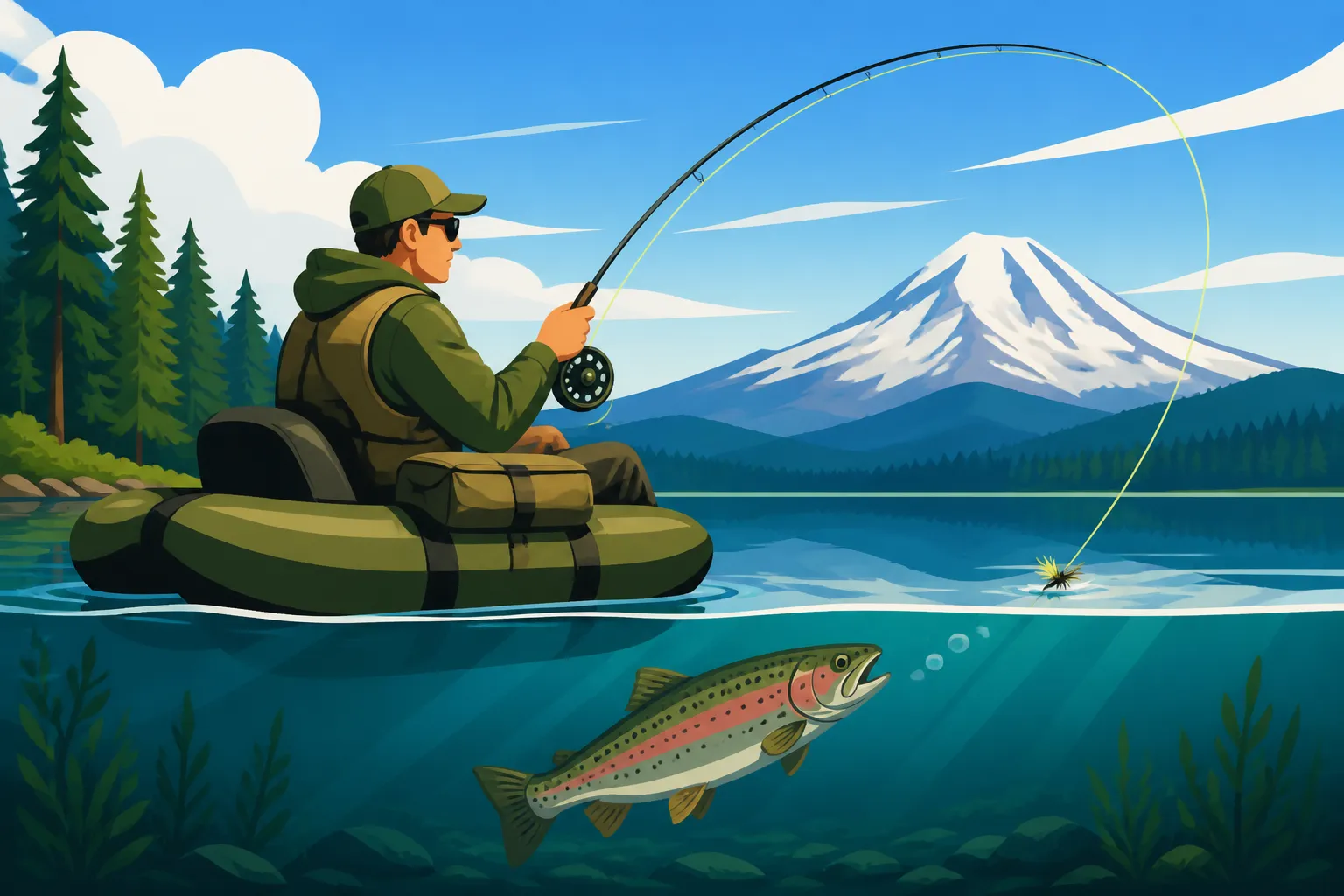
- Trout (Rainbow, Cutthroat): For stocked rainbow and cutthroat trout, often found in popular lakes like Clear Lake or Wild Horse Lake (both excellent for trout fishing, according to Best Washington Lakes for Trout Fishing), you can troll small flies, wedding rings, or spinners by slowly finning. Still fishing with powerbait, worms, or corn under a bobber is also very effective once you've reached a promising spot. Focus on areas near drop-offs, weed lines, or where you see surface activity.
- Kokanee: These landlocked sockeye salmon are a favorite target in many Washington lakes. From a float tube, you can effectively employ two primary methods. For deeper kokanee, try Jigging for Kokanee in Washington Lakes with small jigs tipped with corn or maggots. Alternatively, slow trolling with a small dodger or flasher in front of a mini hoochie or a Wedding Ring is incredibly productive. You can effectively cover water this way, especially if you have a portable fish finder to locate schools. Our guide on Trolling Wedding Rings for Kokanee has even more specific tips for this technique.
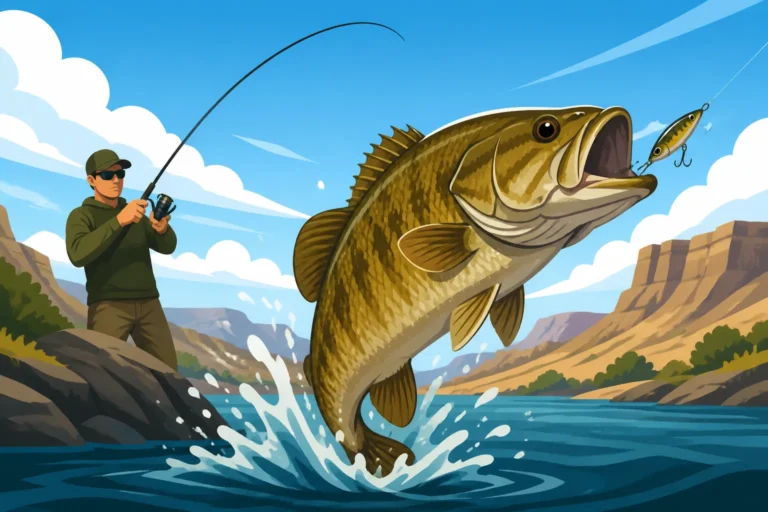
- Bass (Smallmouth, Largemouth): Float tubes are fantastic for bass fishing, especially for targeting structure like submerged timber, lily pads, or rocky points. You can quietly approach these areas and pitch jigs, soft plastics (like worms or creature baits), or shallow-diving crankbaits with pinpoint accuracy. The ability to sit low to the water gives you an excellent angle for skipping lures under overhangs or into tight pockets in vegetation, where big bass often hide.
Staying Comfortable and Safe on the Water
Comfort and safety are paramount for an enjoyable float tubing experience. Washington weather can be fickle, so be prepared. Even on sunny days, prolonged exposure to water and sun can lead to sunburn and dehydration. Wear a wide-brimmed hat, sunglasses, and use sunscreen generously. Long-sleeved shirts, even thin ones, can offer protection from UV rays. Bring plenty of water and some snacks, especially if you plan on being out for a few hours.
Always keep an eye on the weather. A sudden change in wind can turn a pleasant paddle into a strenuous battle. If you see dark clouds or feel a sudden temperature drop, it’s often best to head back to shore. Remember that even calm lakes can be deceptively cold, so proper waders are key to preventing hypothermia. A spare set of clothes in a dry bag back in your vehicle is always a good idea. Before heading out, take a moment to understand Washington Fishing Regulations Every Angler Should Know, as they might include specific safety requirements for float tubes or PFDs.
Advanced Float Tubing Considerations
Once you've gotten the hang of basic float tubing, you might find yourself wanting to enhance your experience with a few additional tools and strategies. These advanced considerations can make you even more effective and comfortable on the water.
Electronic Aids and Accessories
While the beauty of float tubing lies in its simplicity, a few electronic aids can significantly boost your success. Small, portable fish finders have become incredibly popular with float tube anglers. Devices like the Deeper or Garmin Striker Cast are compact, often connect wirelessly to your smartphone, and can provide valuable information about depth, water temperature, bottom structure, and even locate fish schools. Knowing the depth of the thermocline where trout or kokanee might be holding, or identifying a submerged log pile for bass, can be a game-changer.
You can purchase specific mounting systems for these portable fish finders that attach directly to your float tube, keeping them secure and easily visible. Other useful accessories include small, collapsible anchors to hold your position over a productive spot, extra rod holders, and small dry bags to protect your valuables from splashes. These additions, readily available on platforms like Amazon, allow you to create a surprisingly sophisticated fishing platform from your compact float tube.
Cold Water Safety and Extending Your Season
Many of Washington's best lake fisheries, particularly for trout and kokanee, remain productive well into the cooler months of spring and fall, and even through milder winters. Float tubing in these conditions requires extra vigilance regarding cold water safety.
Neoprene waders become even more critical when water temperatures drop. The thicker neoprene provides superior insulation compared to breathable waders. Layering your clothing underneath your waders is also essential – think moisture-wicking base layers, fleece mid-layers, and warm socks. A warm, waterproof jacket and a good pair of gloves or mittens are also highly recommended to keep your upper body and hands comfortable. Remember, prolonged exposure to cold water can lead to hypothermia, which is a serious risk. Always test the water temperature before committing to a long session. If the air temperature is cold and the water is frigid, consider whether it's truly safe to be out. Some anglers opt for dry suits over waders in extreme cold, offering maximum protection. By preparing properly, you can comfortably extend your float tubing season and enjoy some fantastic fishing when many others have packed away their gear. Before planning any off-season trips, always consult Washington Sport Fishing Seasons and Emergency Closures to ensure your target species are open.
Float Tube Angler's Checklist
Here’s a quick checklist to help you pack for your next float tube adventure:
| Category | Essential Items | Optional/Advanced Items |
|---|---|---|
| Float Tube | Float tube (U, V, or Pontoon style) | Patch kit |
| Air pump | Anchor system | |
| Personal Gear | Waders (neoprene or breathable) | Sunscreen |
| Wading boots (if separate from waders) | Lip balm | |
| Fins (wader-specific) | Insect repellent | |
| PFD (Personal Flotation Device) | Dry bag for electronics/valuables | |
| Whistle | ||
| Fishing Gear | Rod & reel | Portable fish finder |
| Compact tackle box | Extra rod holder | |
| Net | Hook sharpener | |
| Line clippers/scissors | ||
| Forceps/pliers | ||
| Safety & Comfort | Water bottle & snacks | First-aid kit |
| Hat & sunglasses | Headlamp (for dawn/dusk) | |
| Layers of clothing | Hand warmers (cold weather) | |
| Waterproof jacket | ||
| Documentation | Washington Fishing License Guide for Nonresidents (or resident license) | |
| Catch Record Card (if required) |
Disclaimer
The information provided in this guide is for general informational purposes only and is not intended as legal advice regarding fishing regulations. Washington fishing regulations can change frequently and vary by location and species. Always consult the most current Washington Department of Fish and Wildlife (WDFW) regulations pamphlet or their official website before any fishing trip. It is the angler's responsibility to know and follow all applicable rules and laws.